Category Archives: Uncategorized

NUS CDTL and SoTL Network

One exciting development from the semester is the creation of a network for Scholarship of Teaching and Learning (SoTL) at NUS. The network has been started during Sem. 1 of 2015, and includes leaders of Teaching Centers at the many excellent higher education institutions in Singapore – NTU, NUS, SMU, SUTD, SIM, SIT, and of course Yale-NUS College. I met with this group several times during the Sem. 1, and really enjoyed getting to know this interesting and diverse group. It includes Peter Looker from NTU, who has a long track record in Australia before leading his dynamic center at NTU, as well as Nachamma Sockalingam from SMU, Yong Lim Foo from Singapore Tech, and Eng Hong Ong from SUTD.  Johan Geertsema, the NUS CDTL director is leading the charge, and has not only convened several interesting discussions of our group but has also engaged the team at Lund University in Sweden and we together are discussing a course for Faculty Development Techniques for next academic year.

Johan Geertsema, the NUS CDTL director, and the NUS Associate Vice Provost Huang Hoon Chng arranged for a fantastic two day meeting on October 26, which included representatives from NUS (Alan Soong, Kiruthika Ragupathi), Lund University in Sweden (Katarina Martensson), University of Hong Kong (Grahame Bilbow and Trudi Chan), Hong Kong Poly (Angelo Ho), and U. Kyoto in Japan.  The group met for a day of discussions and presentations on a Friday and also a second weekend day for further strategizing about how best to develop SoTL in Singapore and across Asia.

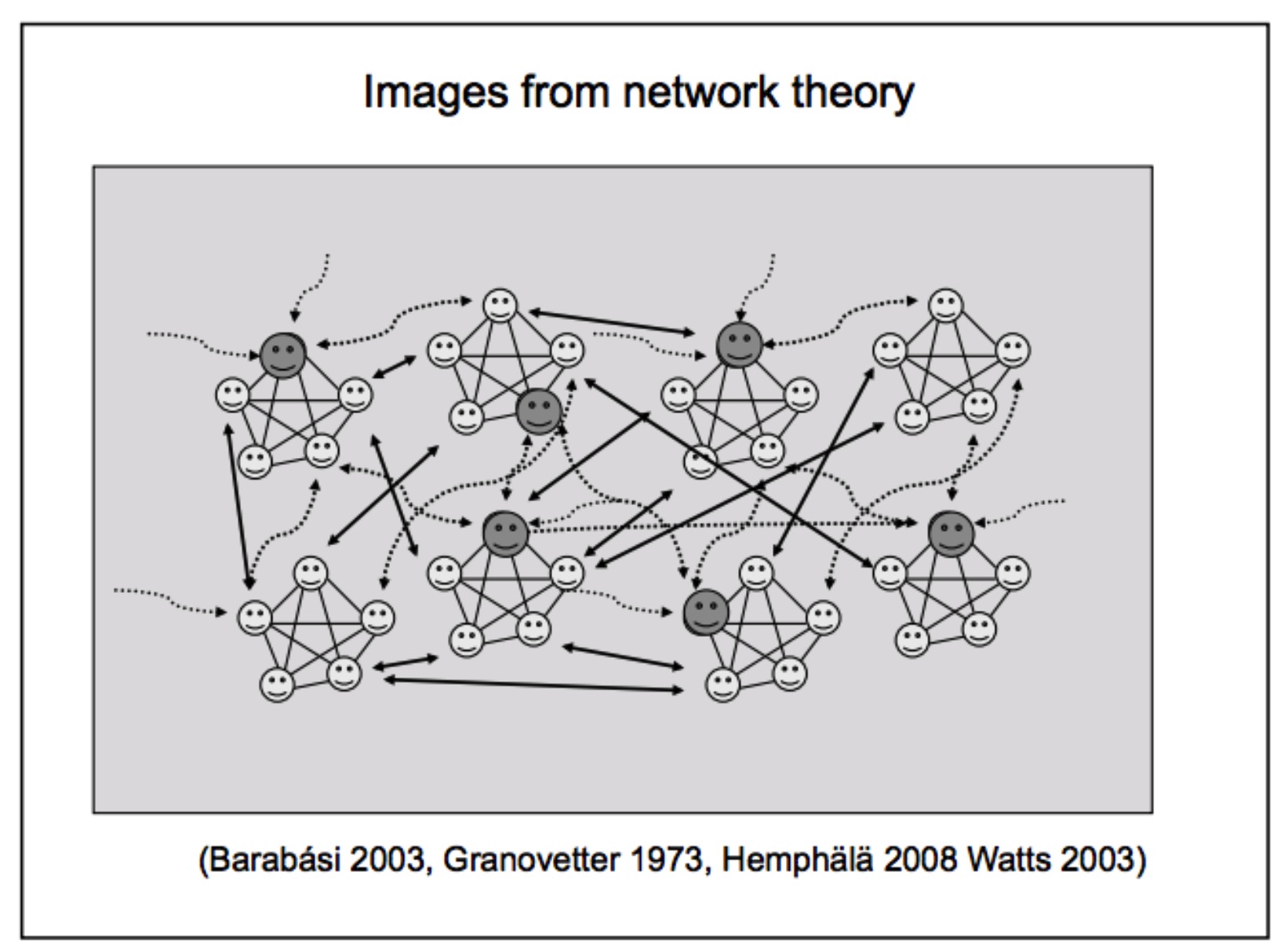
Katarina Martensson and Dan Bernstein both gave talks during the day, and I took a LOT of notes and learned a lot!  Katarina is an expert on “communities of practice” and explained the theory and practice of these communities as they relate to both faculty development and curriculum redesign.  The interesting part of Katarina’s talk was that she was describing in many ways the very group we were assembling, and our community of practice is one that hopes to have a shared intellectual enterprise in developing a unique flavor of SoTL in Singapore and helping coordinate our efforts in faculty development in the coming months.  A few figures from her talk illustrate schematically how we are all connected in our efforts, and also that various models for fostering such connections can be applied to help accelerate development of innovations by “local champions” and dissemination and reinforcement of such efforts with carefully developed outside ties. The talk was just one of several amazing lessons in how universities can interconnect and can learn from each other.

comm_practice.slide2 comm_practice.slide

(these slides are available online at: http://ctlt.ubc.ca/files/2010/08/Torgny-Roxa-PowerPoint-Presentation-11-28-08.pdf ). Further talks by Dan Bernstein were very instructive; Dan also came to Yale-NUS to meet with us and to give a talk on assessments and grading. A very exciting set of days!

Yale-NUS Campus Inauguration!

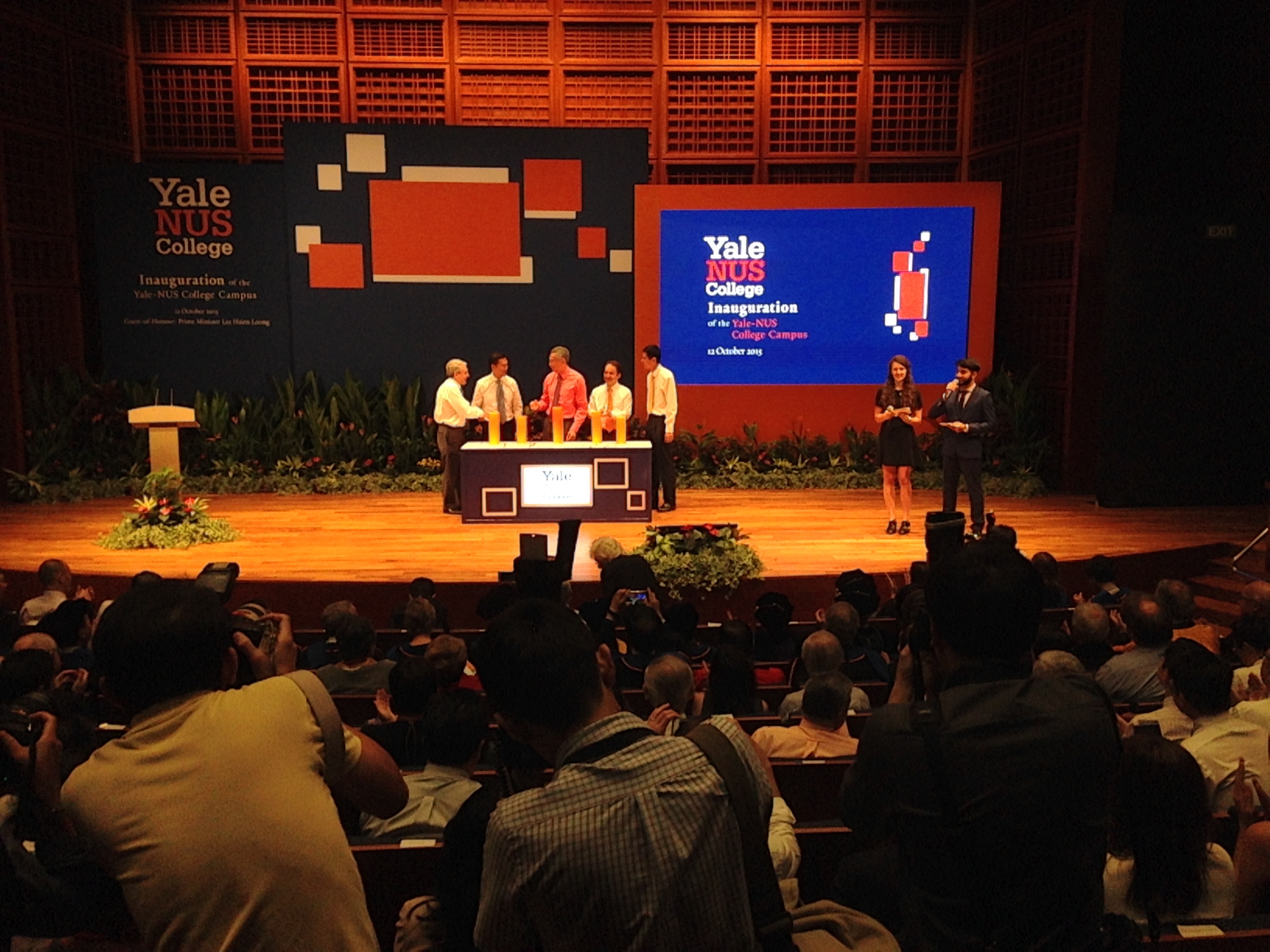
Clearly one of the biggest events from last semester – perhaps of the year – was our official campus inauguration – on October 11 and 12, 2015. We were joined by 40 University Presidents – including those from Yale, Oxford, NYU, Shanghai Jiao Tong, University of Hong Kong, Pomona, Wesleyan, Vassar and many, many others. The Yale Corporation, Richard Levin, the NUS President Chor Chuan, and other supporters of Yale-NUS were all attending, and the energy and support was very gratifying. I spent most of the 2014-15 year helping plan the event with a small task force that included Fiona Soh, Casey Nagy, and Jenifer Raver, and it was wonderful to see it all come together so nicely!  The Public Affairs office had made impeccable arrangements for the various venues and meals, and our program included a full day of talks on Sunday October 11 which explored The Future of International Liberal Education (Andrew Hamilton from Oxford gave a great talk!), and discussed the founding of Yale-NUS College (with a panel that included Richard Levin and Chor Chuan Tan). I had a chance to open up the event with a short 5 minute speech, and also to introduce our President, Pericles Lewis, and help keep the various sessions on time. The NUS President Chor Thuan Tan wrapped up the session with a great talk, and we spent the next day enjoying the spectacle of our campus opening. This included a ceremonial precession of academics into our performance hall, and address from the Prime Minister of Singapore, student dance and music performances, and a series of talks and gift exchanges. The final segment was to dramatize the opening of the campus with a small model on the stage, which led to a wonderful video of the construction of Yale-NUS College (imbedded below). Those of us who have been working so hard on the new Yale-NUS College found the video very inspiring and touching!  It showed the dramatic building of an entire campus in two years, which was paralleled by a similarly rapid construction of a curriculum, and an academic culture. What an exciting weekend – and more such adventures are coming!

campus_opening - 1

Week 7 – “Ancient and Modern Chinese Universe”

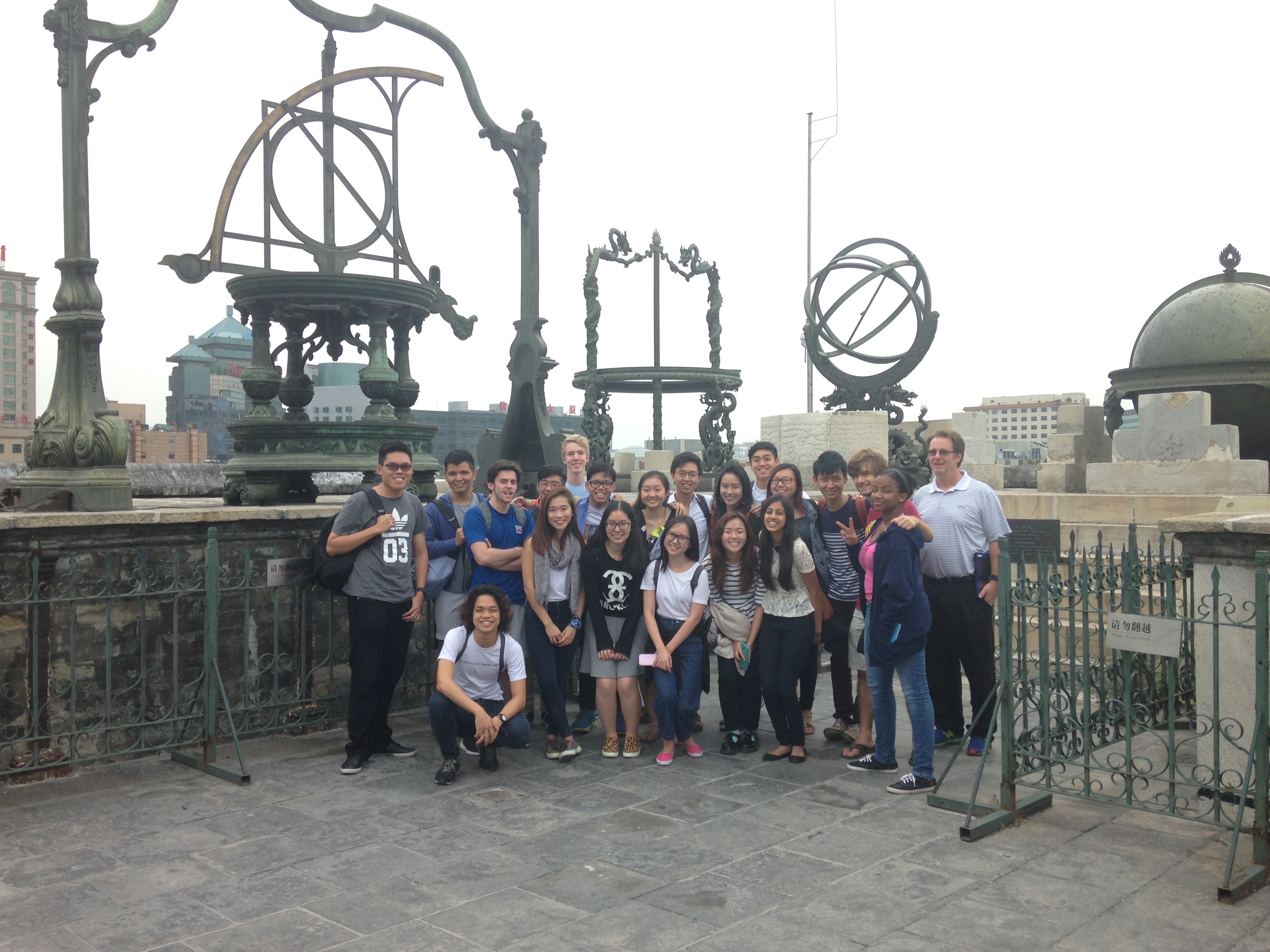
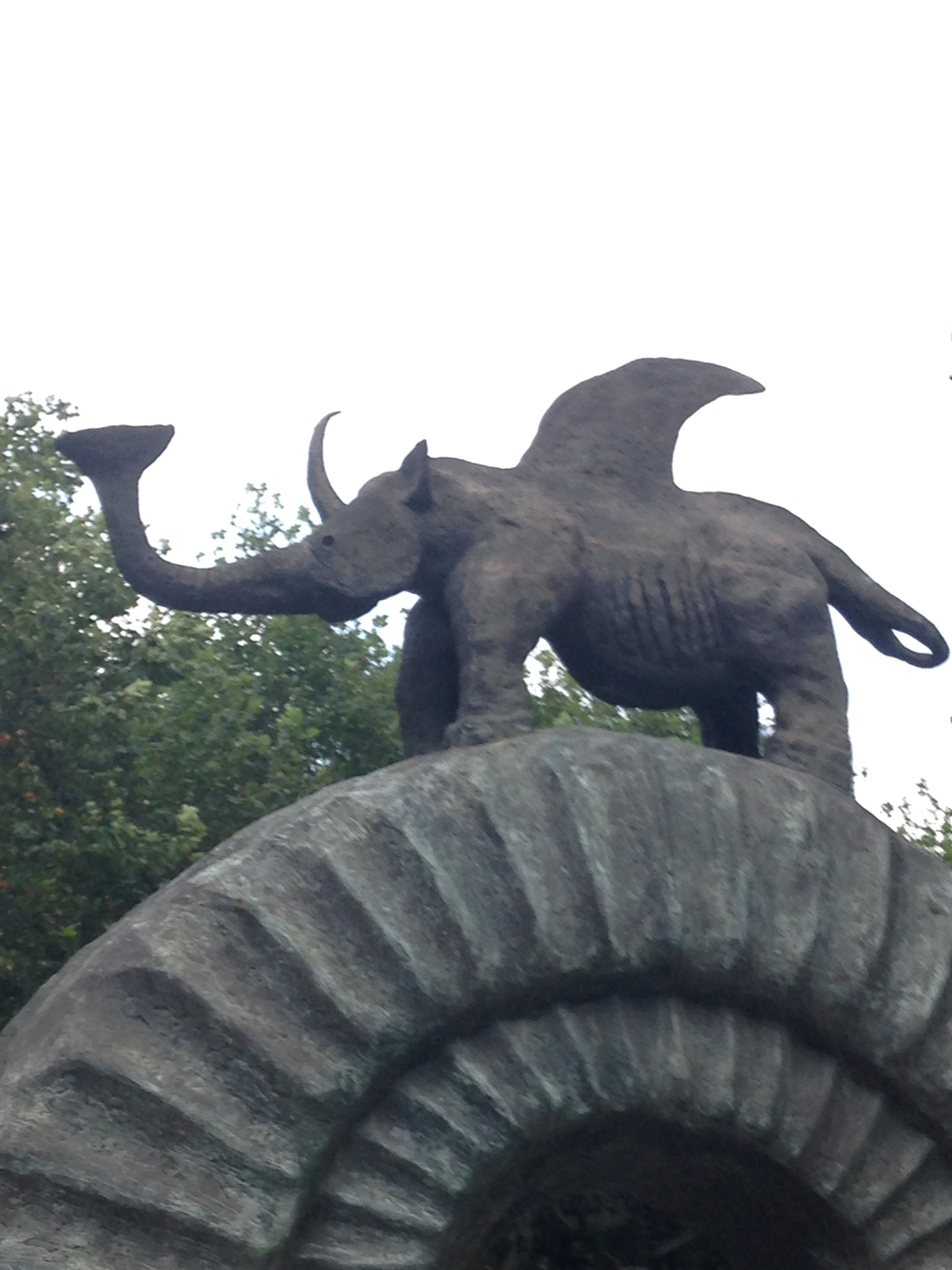
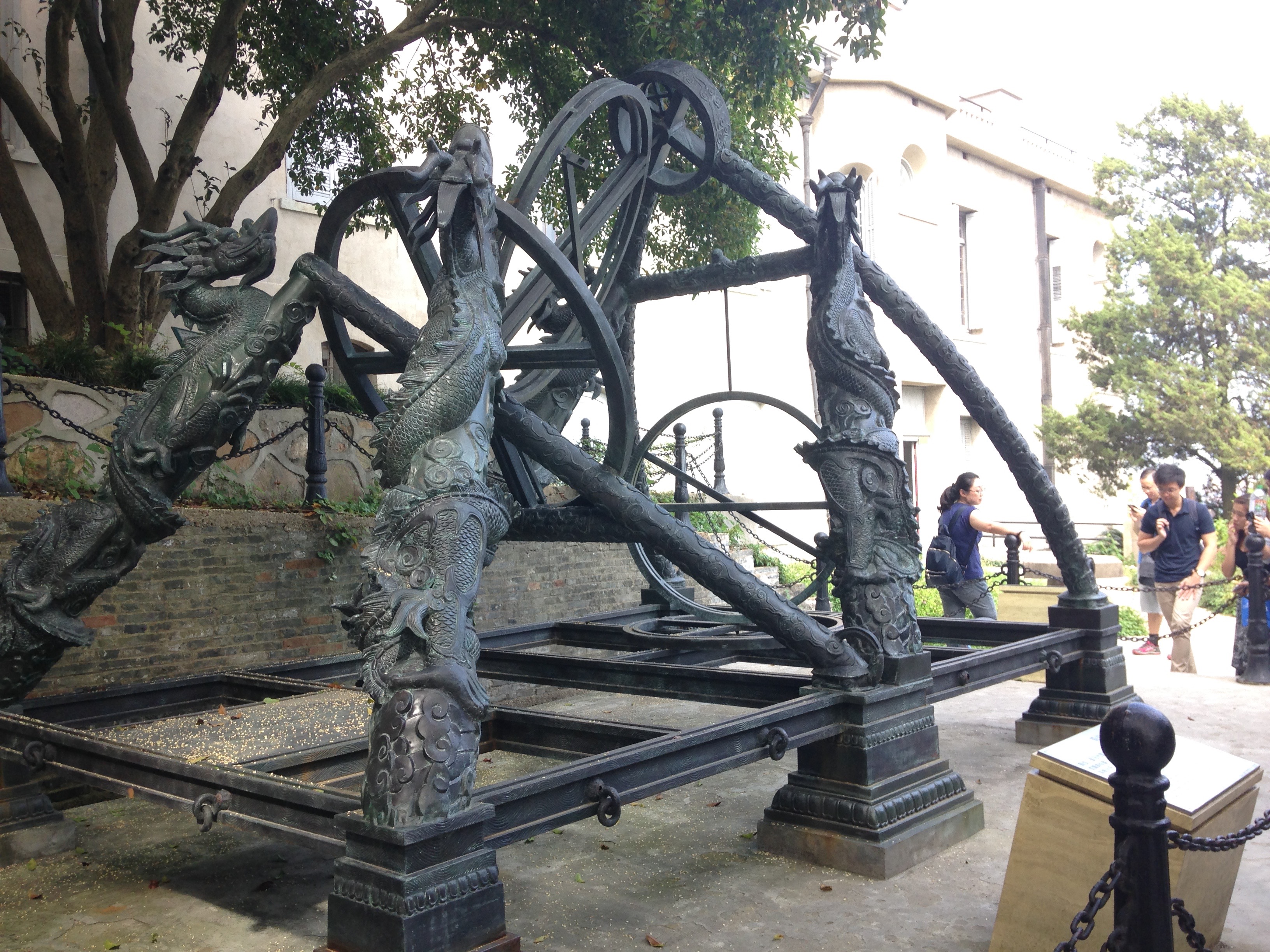
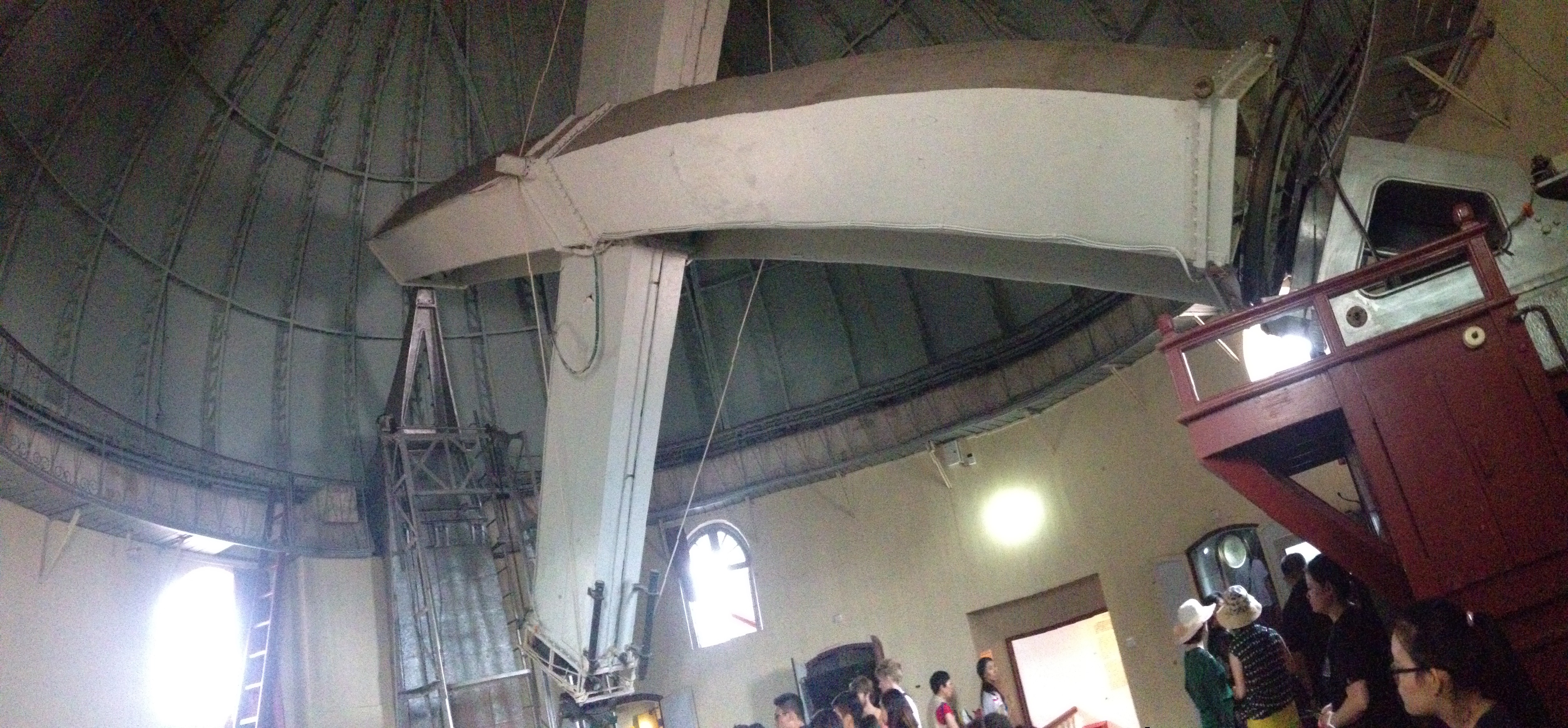
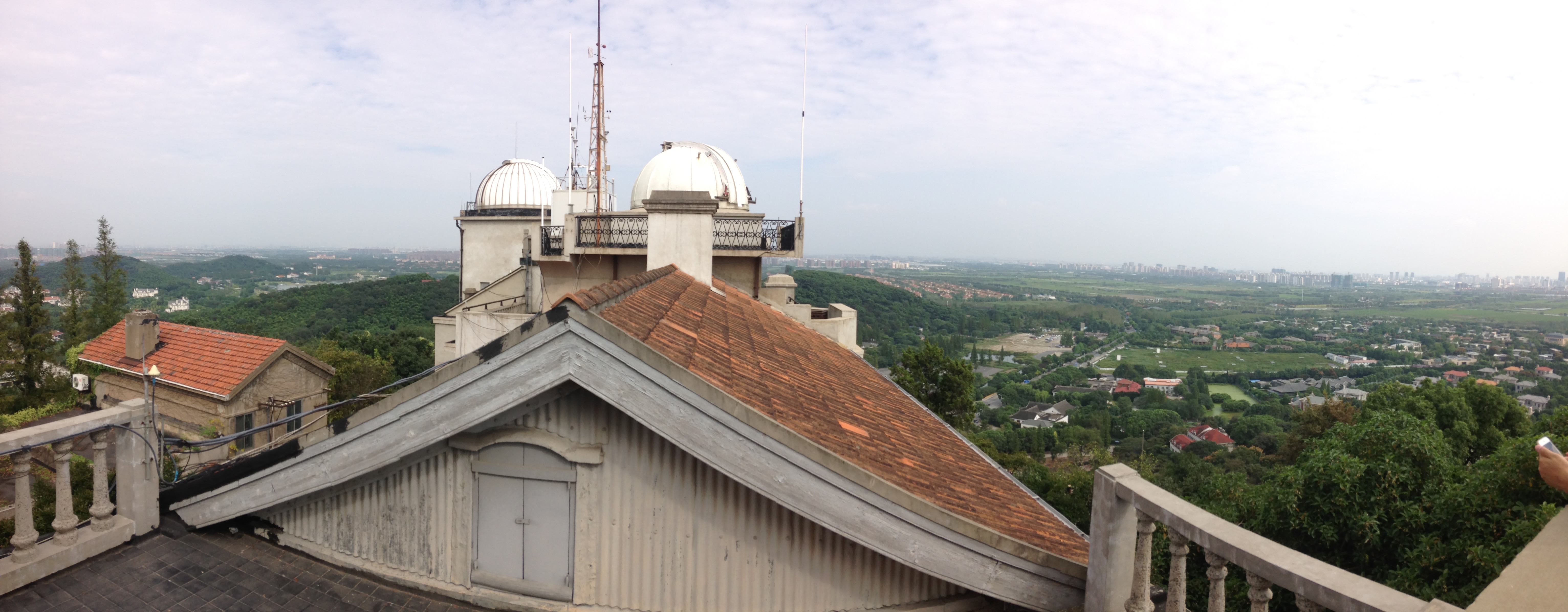
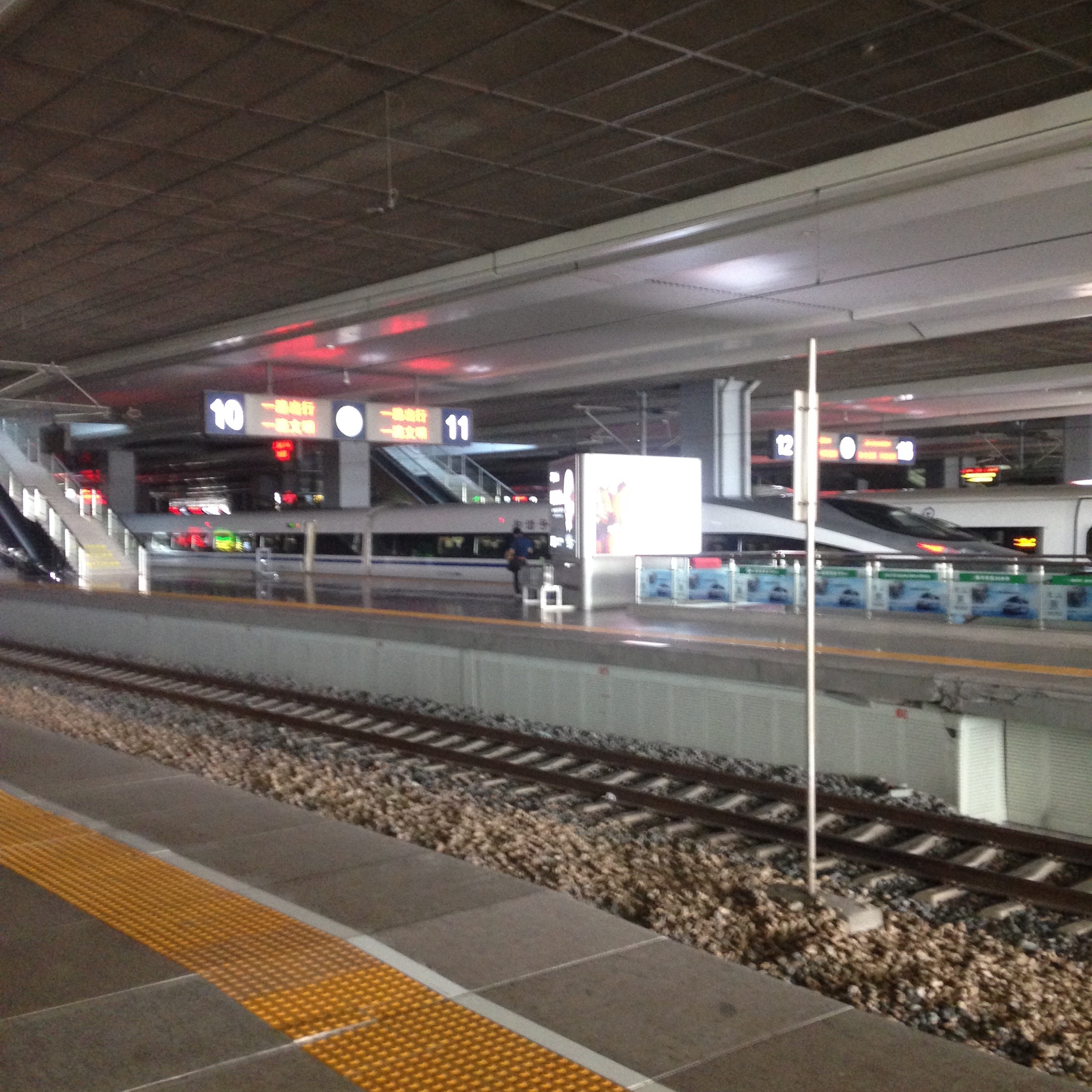
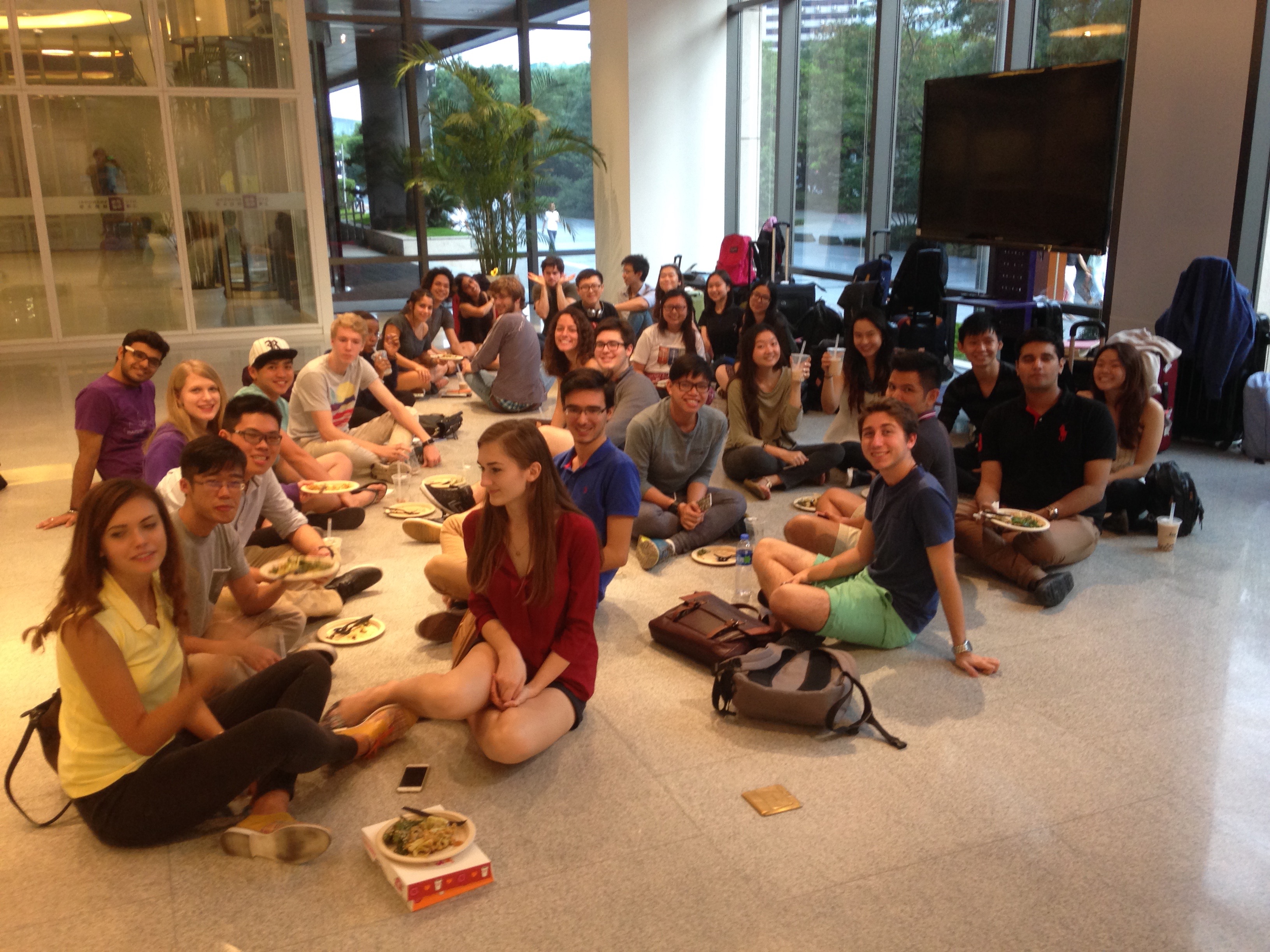
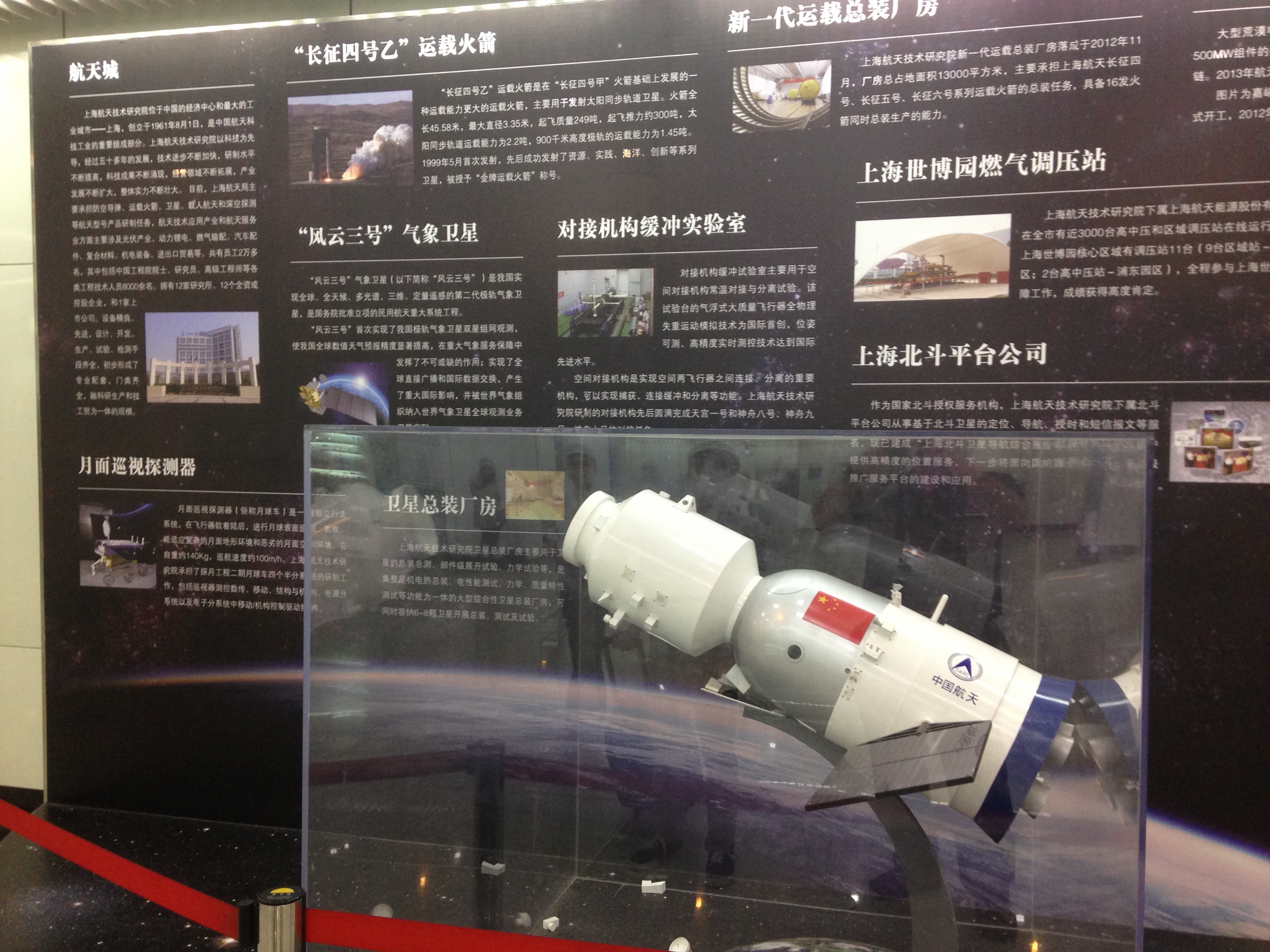
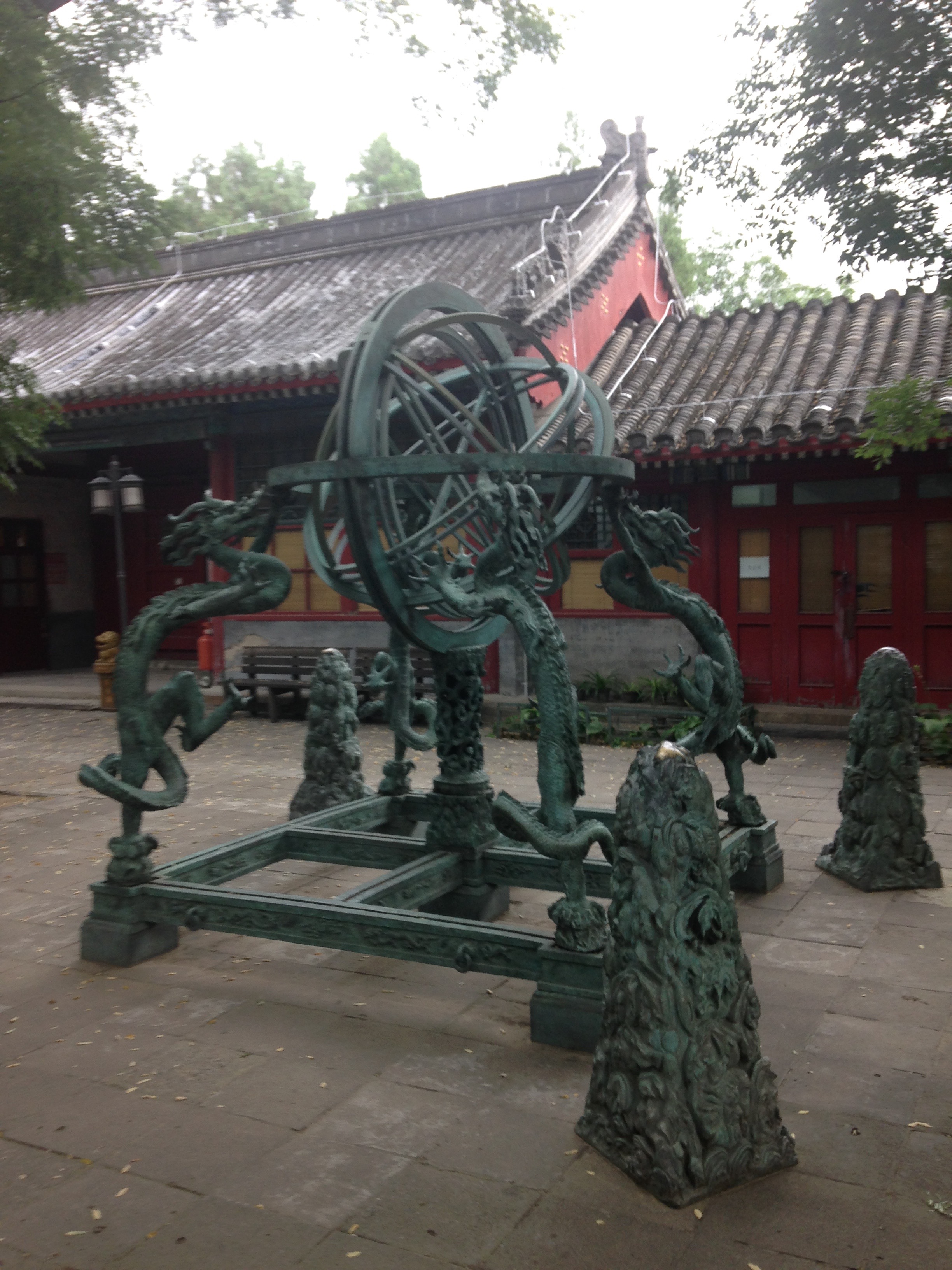
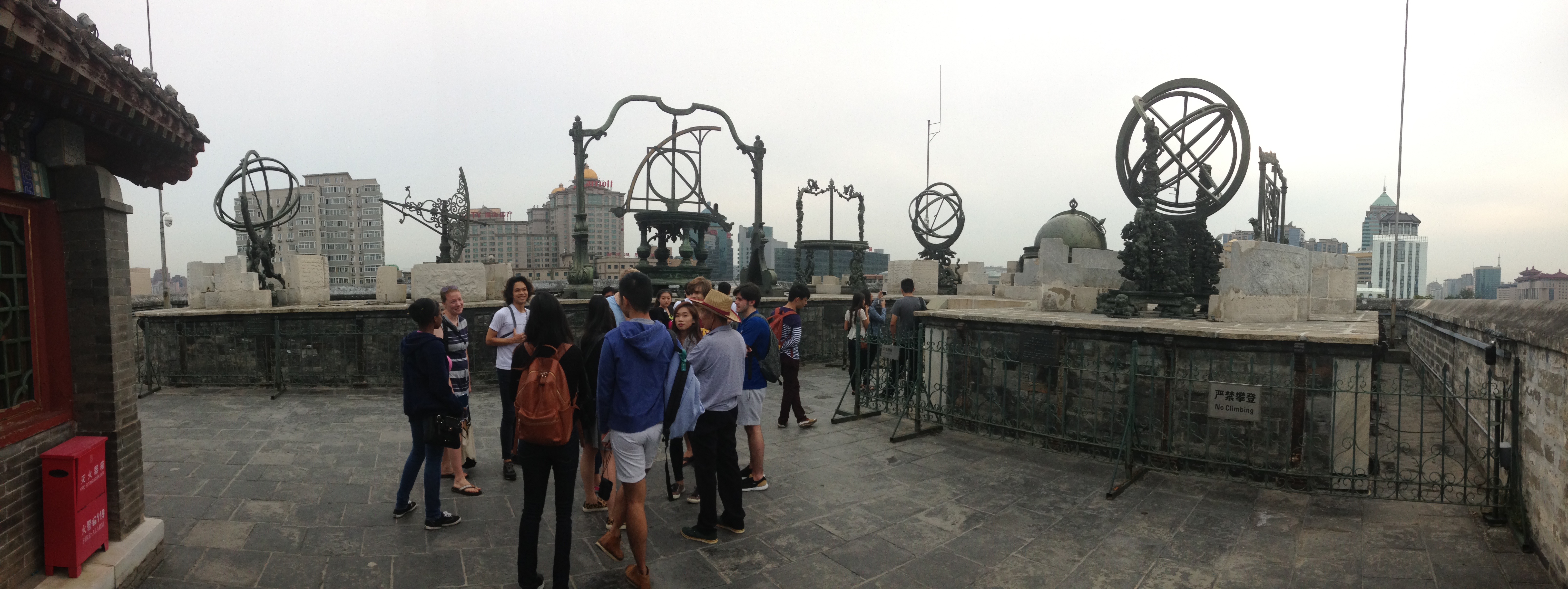
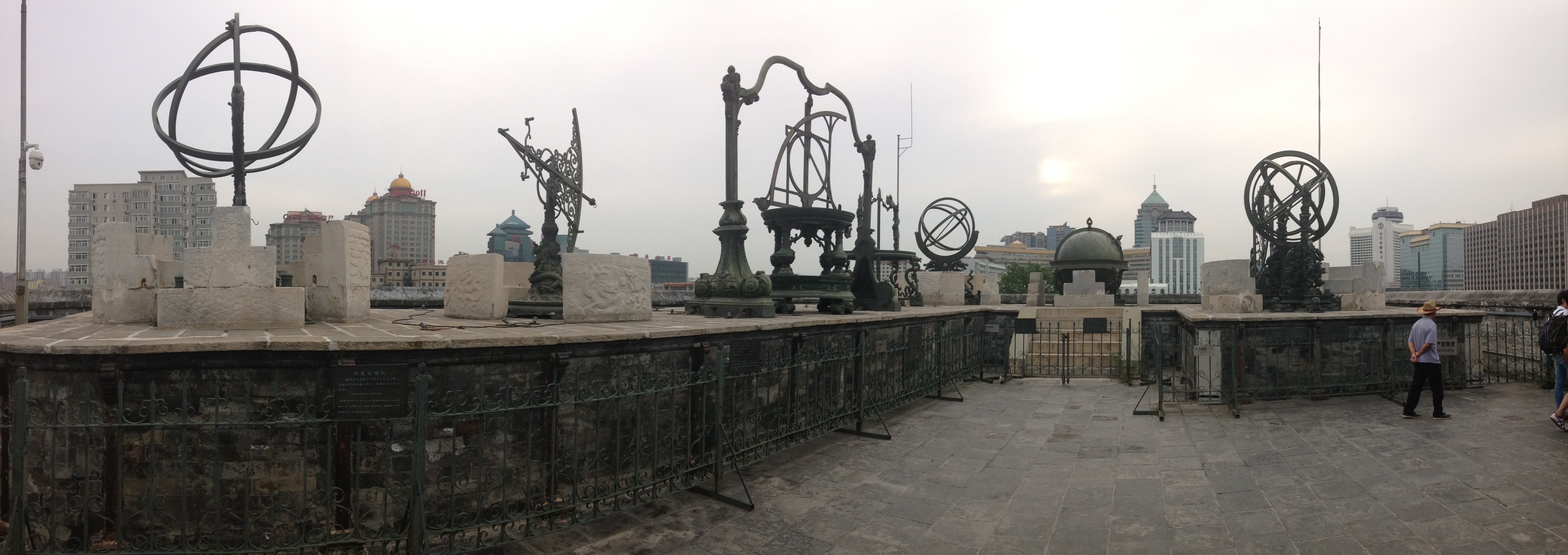
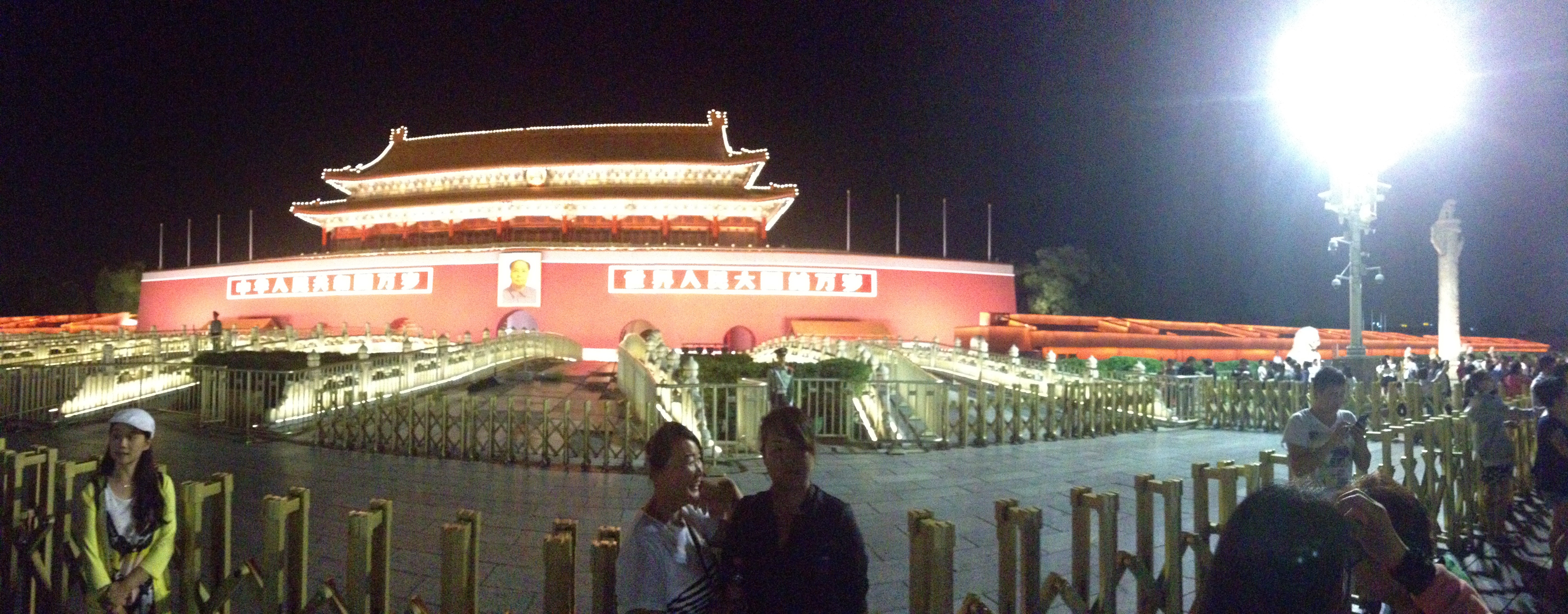
As part of the Yale-NUS College Week 7 program, I led a short course during late September 2015 entitled “The Ancient and Modern Chinese Universe.” With a team of 20 students, and a fearless staff member from CIPE, Charlotte Evans, we are visited Beijing, Shanghai, and Nanjing, and explored the ancient and modern cosmology of China, which includes visiting the Forbidden City, Temple of Heaven, ancient observatories such as the Beijing and Purple Mountain Observatories, and the Shanghai Sheshan Observatory, with the largest telescope in Asia – a 65-meter steerable radio telescope. Our modern component included riding bullet trains, visiting astrophysics research centers and political think tanks, and analyzing downtown Shanghai from a cosmological perspective, and meeting students and faculty at NYU Shanghai. This sort of thing is really one of the amazing parts of being out here in Singapore at Yale-NUS College, and a very exciting chance for me to learn more about China and ancient astronomy with students!

week7china - 1 week7china - 2 week7china - 3

Some of the highlights of the trip included – a meeting with NYU Shanghai students, measuring skyscrapers in Shanghai with a theodolite app on ipads, and a laser rangefinder, riding the Chinese high speed trains, visiting the Shesan Observatory, with its nearly 200 year old tradition of astronomy begun by Jesuits, the visit to the Beijing Observatory and its 500 year old instruments, the Purple Mountain Observatory with its original bronze instruments from the 1400s, and a chance to see Asia’s largest telescope – the 65-meter Shanghai radio observatory. During our visit we also got to see a press conference for China’s new Dark Matter satellite, tour the science labs for the Purple Mountain Observatory, hear a talk about China’s geopolitics and linguistics from David Arase (a former colleague from Pomona, now at the JHU Nanjing center), and from Neil Kubler (Director of the JHU Center). It was also wonderful exploring China with our amazing Yale-NUS students, and enjoying dumplings, large hot pot dinners and other Chinese food. We had an amazing evening at the Beijing Temple Hotel where a Turrell exhibit allowed us to watch the sunset in a specially constructed room with a square portal viewing the sky.

week7china - 4 week7china - 6 week7china - 7 week7china - 8 week7china - 9 week7china - 10 week7china - 11 week7china - 12 week7china - 13 week7china - 14 week7china - 15 week7china - 16

SUTD visit – August 2015

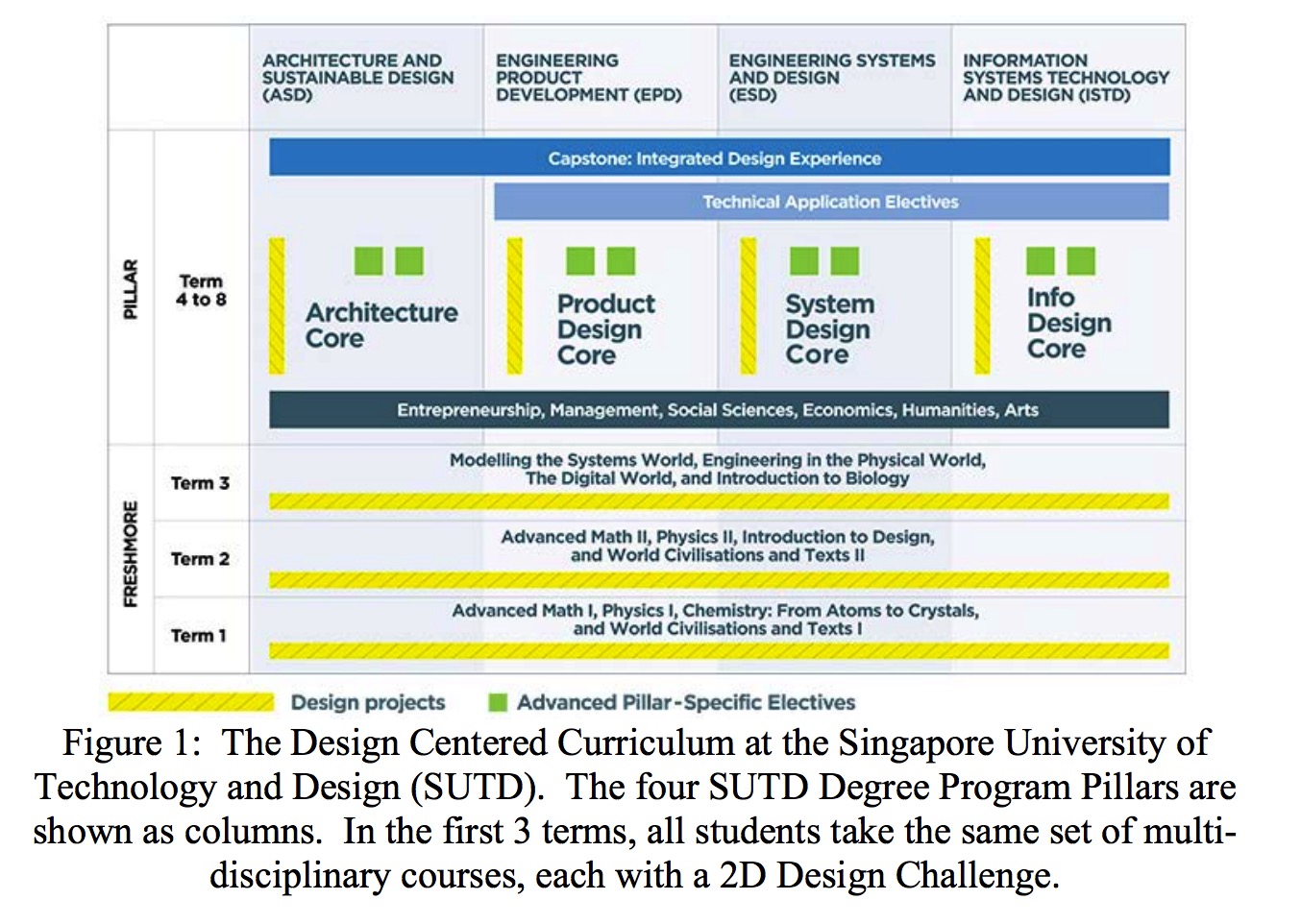
One of the first “site visits” taken during the 2015-16 academic year was a visit to SUTD, a new university that is a partnership with MIT here in Singapore. The institution features a very interesting new curriculum, co-developed by MIT faculty and local SUTD faculty. It offers an interdisciplinary science and engineering education, and a top-flight education for Singaporean students interested in STEM. I visited there with our Associate Director of our Yale-NUS CTL, Nancy Gleason on 31 August. We met with Professor Pey Kin-Leong, Associate Provost of Education, and Allan Chan, the Associate Programme Director for Curriculum planning. Allan and Kin-Leong are long-time employees of SUTD, starting back in 2010 as some of the first people hired. They explained how tight-knit their graduating students were – of 130 students, nearly half were getting married!  Their campus has a very interesting schedule which includes 2 summer sessions, and which has a curriculum that builds from a 1-D disciplinary view point, to 2D projects that integrate Math, Chem, and Physics, and then a “3D” design class, in which the four “pillars” of the SUTD curriculum are brought together, and finally a “4D” session where the learning from SUTD students is integrated with the outside world.

(image from Otto, et al, “Integrated 2D Design in the Curriculum: Effectiveness of Cross-Subject Engineering Challenges” presented at the 2014 ASEE Annual conference)

SUTD.design.thinking

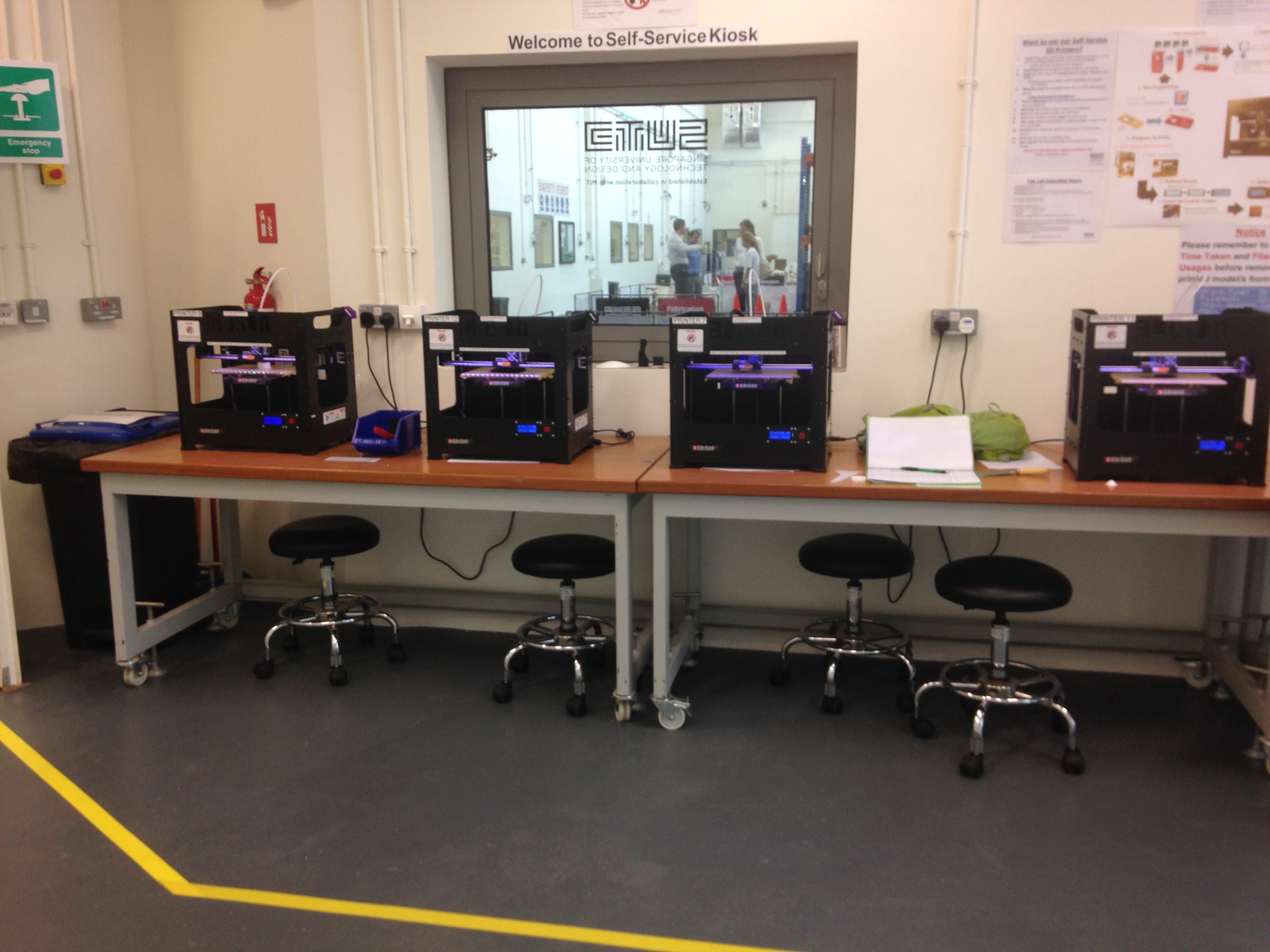
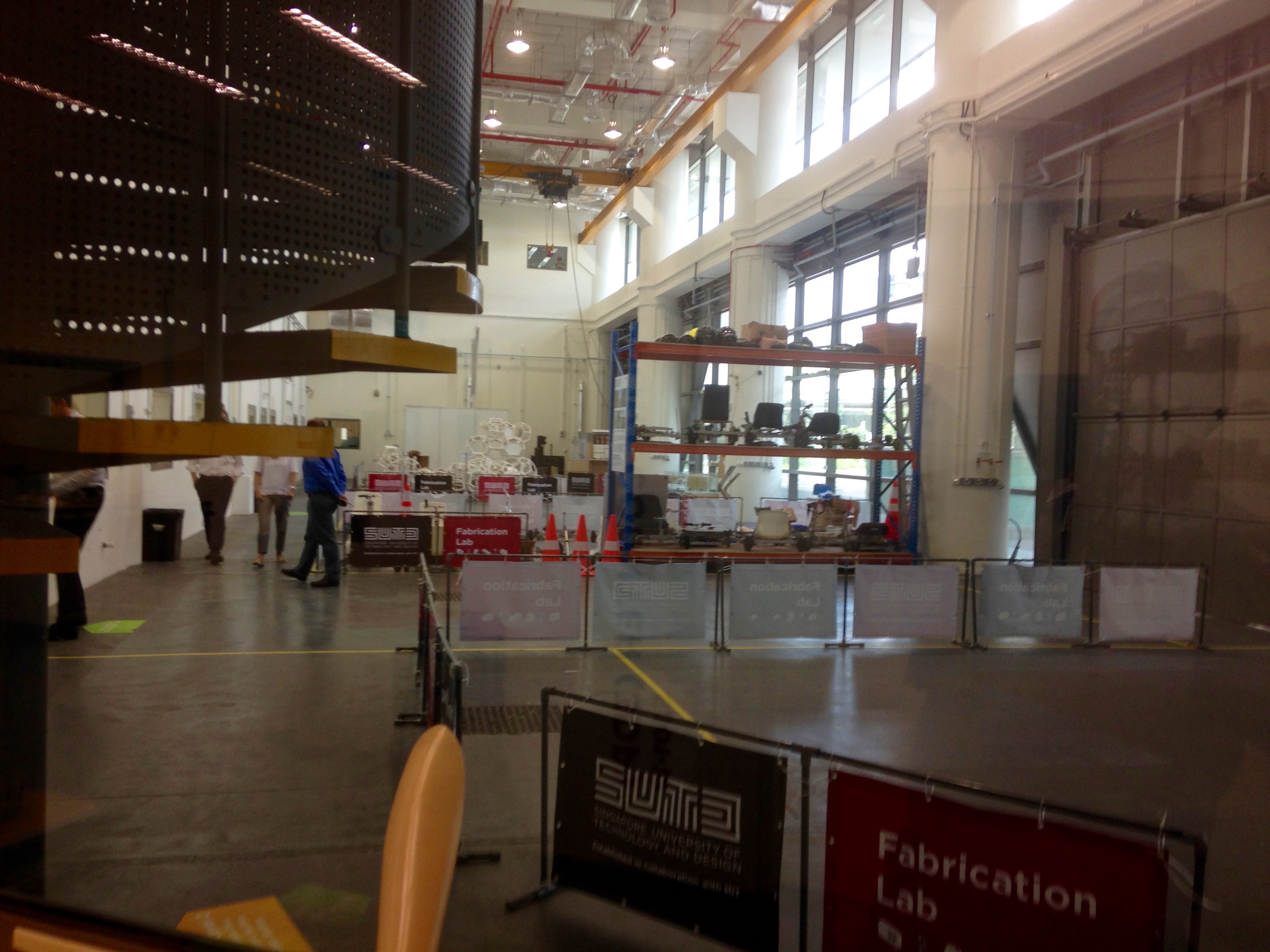
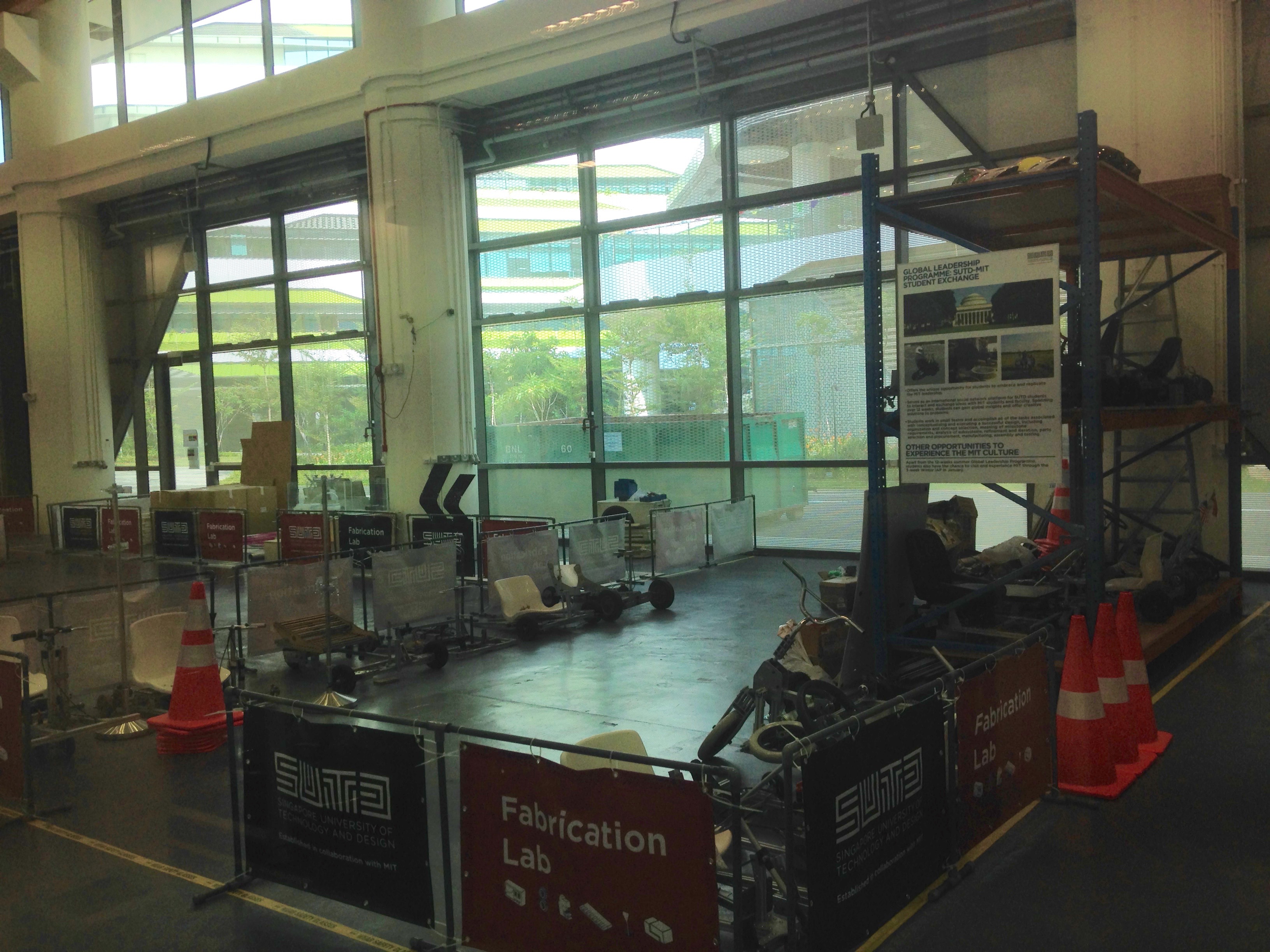
The entire curriculum of SUTD is based on the idea of “pillars” which correspond to four areas of study. These include Architecture and Sustainable Design (ASD), Engineering Product Development (EPD), Engineering Systems and Design (ESD), and Information Systems Technology and Design (ISTD). They have also added Humanities, Arts and Social Sciences (HASS) and integrate this to the program of study in some of the 2D work. The schedule is built into what is called a “Freshmore” period of three terms, and then the 3D and 4D sections come afterwards. Like other startups there is a tangible energy and excitement about SUTD. They are proud that their students build exciting things in their courses – an E&M course includes building a radio receiver, which can double as a radar. The faculty come from all over the world, with 1/3 from Singapore, and the others from around the world. One of the perks of the SUTD faculty job is a chance to spend time and collaborate at MIT, and work closely with a very interesting and international faculty. The SUTD has a “pedagogy day” where faculty share some of their new innovations. They are also closely working with the CREATE/SMART group in Singapore, and with some key faculty from MIT visiting Singapore. On our way out we visited their very impressive “Fab Lab” which includes literally dozens of 3D printers, engravers, and large spaces where students can build and test out some of their many creations. A very interesting day indeed – and we will look forward to further connections between Yale-NUS and the SUTD!

SUTD - 5SUTD - 2 SUTD - 3 SUTD - 4 SUTD - 1

Reflections on Last Semester

Now that the new year and semester are here, I am going to be posting a recap of some of the interesting events of last semester. Things were so busy I was not able to keep up with blogging!  The basic idea was that I managed to launch our new Centre for Teaching and Learning, while coordinating our very large Foundations of Science core curriculum class. This involved 8 instructors, and about 160 students. On top of that, I managed to take a certificate course in Scholarship of Teaching and Learning (SoTL), plan and implement our October Yale-NUS Campus opening, plan and implement a pretty cool “week 7 trip” to China entitled, “The Ancient and Modern Chinese Universe,” attend a number of meetings at Caltech, NTU, SUTD, NYU Abu Dhabi, and also plan and implement a project known as “Envirolabs Asia” which included roving about central Borneo with 8 faculty from Claremont, 5 from Yale-NUS, and 20 students. A few other things happened, as the subsequent blog posts will indicate! Enjoy!

Envirolabs - 1


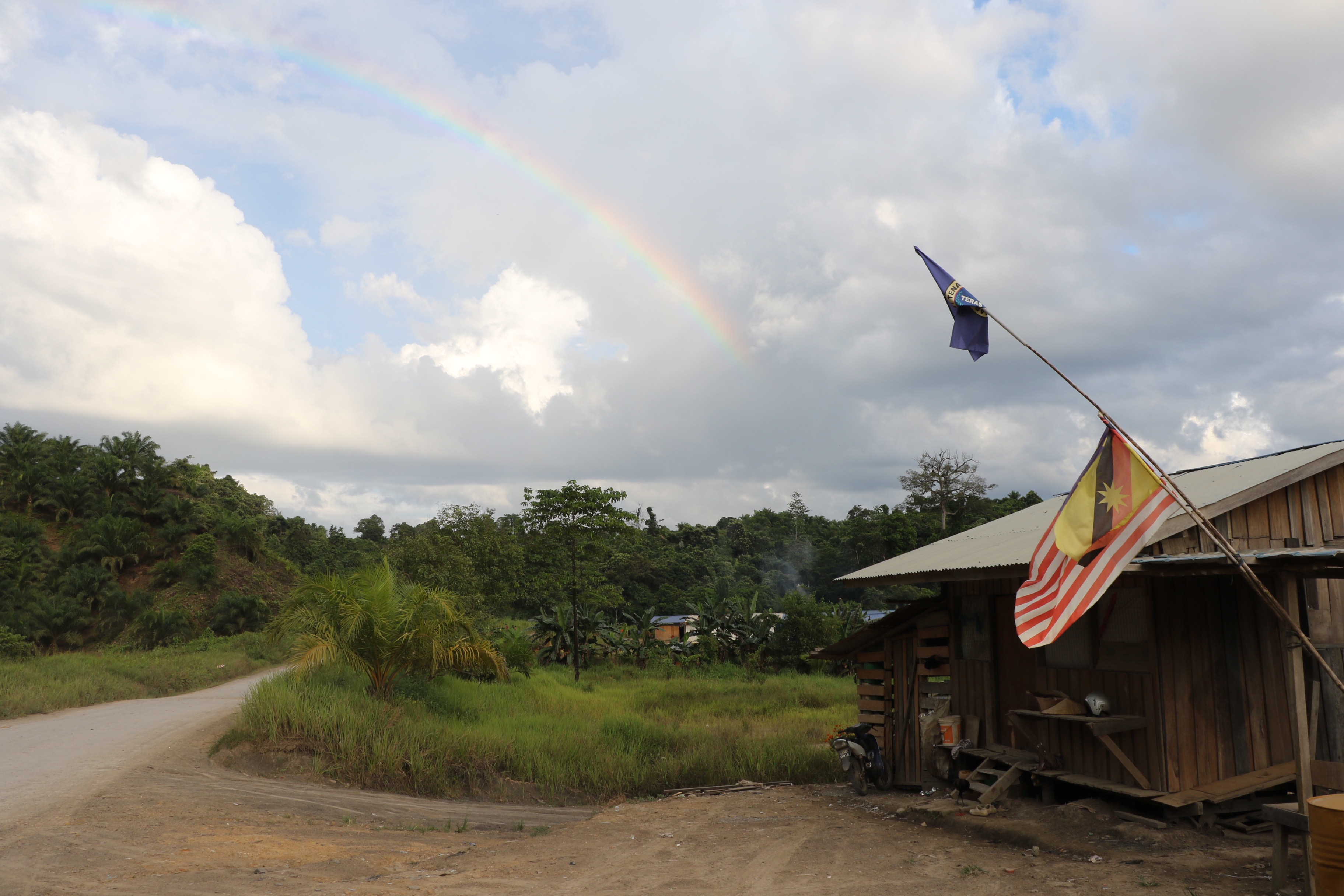
A rainbow, viewed about 3 hours away from Miri, Sarawak, during our Envirolabs Asia trip in Jan. 2016. We enjoyed the rainbow for a while while waiting for help after our flat tire!  One adventure after another!

Fall Semester at Yale-NUS College finished!

With the end of the Fall semester, I now finally have a bit of time to add some postings for the media platform! Suffice it to say, it has been a busy and very interesting semester – and so busy in fact that I have fallen a bit behind in my postings!  Unlike many of these “media platforms” my goal is to not necessarily document the moment by moment happenings of the semester and work life but instead use the platform as a vehicle for reflection. The educational research has shown how valuable structured reflection can be for learning, and this site is my way of reflecting on experience – and sharing some of the amazing adventures in Singapore with a wider audience.

One aspect of the end of the semester different this year than last is that the end – really was not an end. In other years, I would hand off my grades, and then be off for several weeks – completely unbothered by anyone and free to pursue research, attend a conference or even go on long bike rides. This semester since I have responsibilities coordinating our large Foundations of Science class (with 170 students and 8 professors), directing a Teaching and Learning Center, planning a group of visitors to Yale-NUS next semester, and organizing a conference on innovative undergraduate education at Yale University in June 2016, and a few other projects. This has meant that instead of coming to a complete end, the semester just sort of slowed down a bit as I could then catch up on my many projects. Such is the life of being an administrator I suppose!

Things however have slowed down enough so that I could catch up with my unused painting lessons. This enabled me to finish one piece which in the spirit of “reflection” is shown below. The painting is of a very important site for our family, called Long Lake, near Mammoth Lakes in the California high Sierra. I think having a bit of time for painting too is part of being a fully productive scientist – the way in which I can use other parts of my brain, think about color, and feel some of the lighting and feeling of painting is really a great way to regenerate. I will fill in with some other postings about the events during Fall Semester – this includes the Yale-NUS Campus opening, a number of very interesting meetings on Teaching and Learning with amazing people at NTU, NUS, and SUTD, a week 7 trip to China with a group of Yale-NUS students, and some exciting developments in our Foundations of Science course. More on that later – in the meantime, enjoy the painting!

painting.sierras

Launch of new Yale-NUS College Teaching and Learning Center

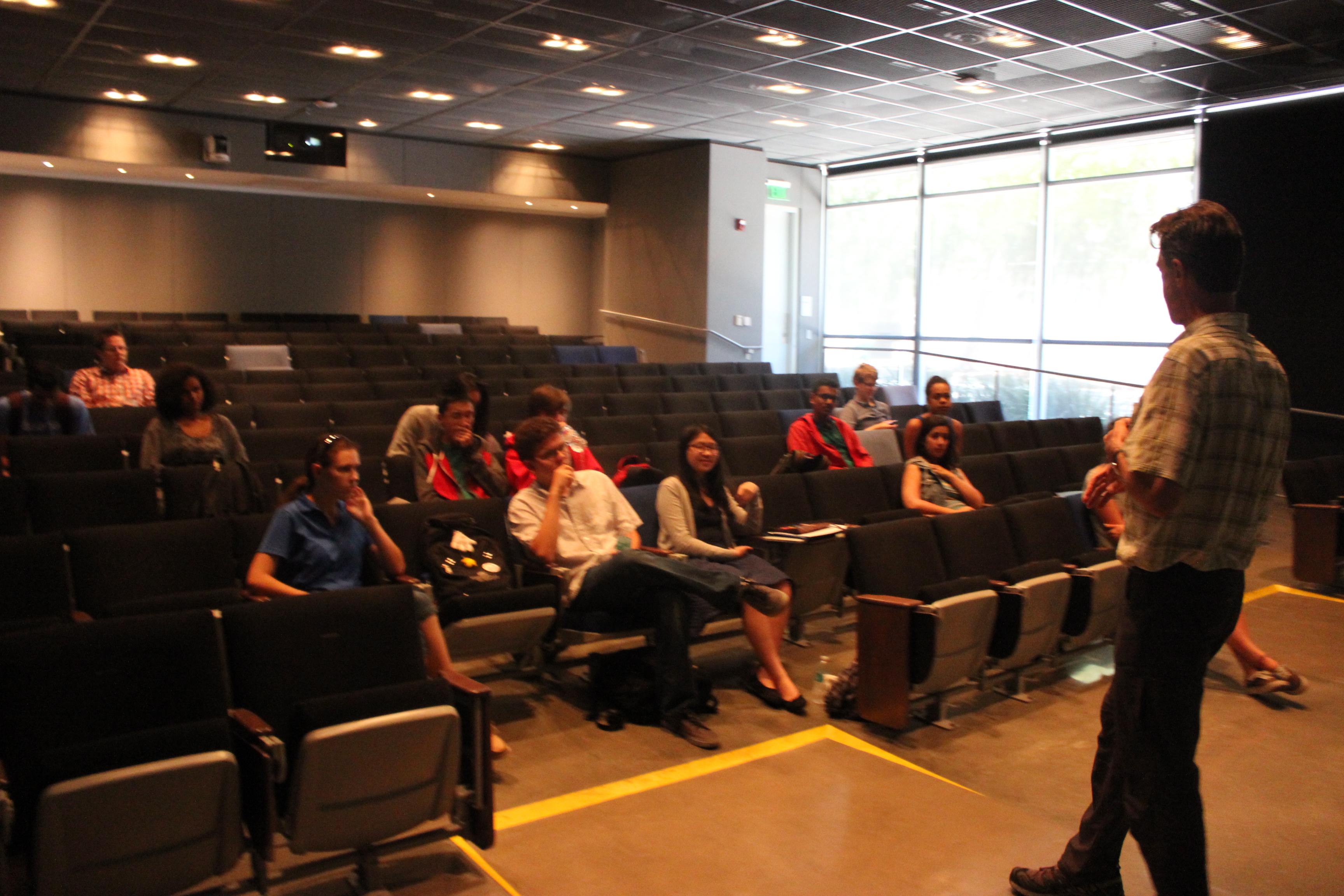
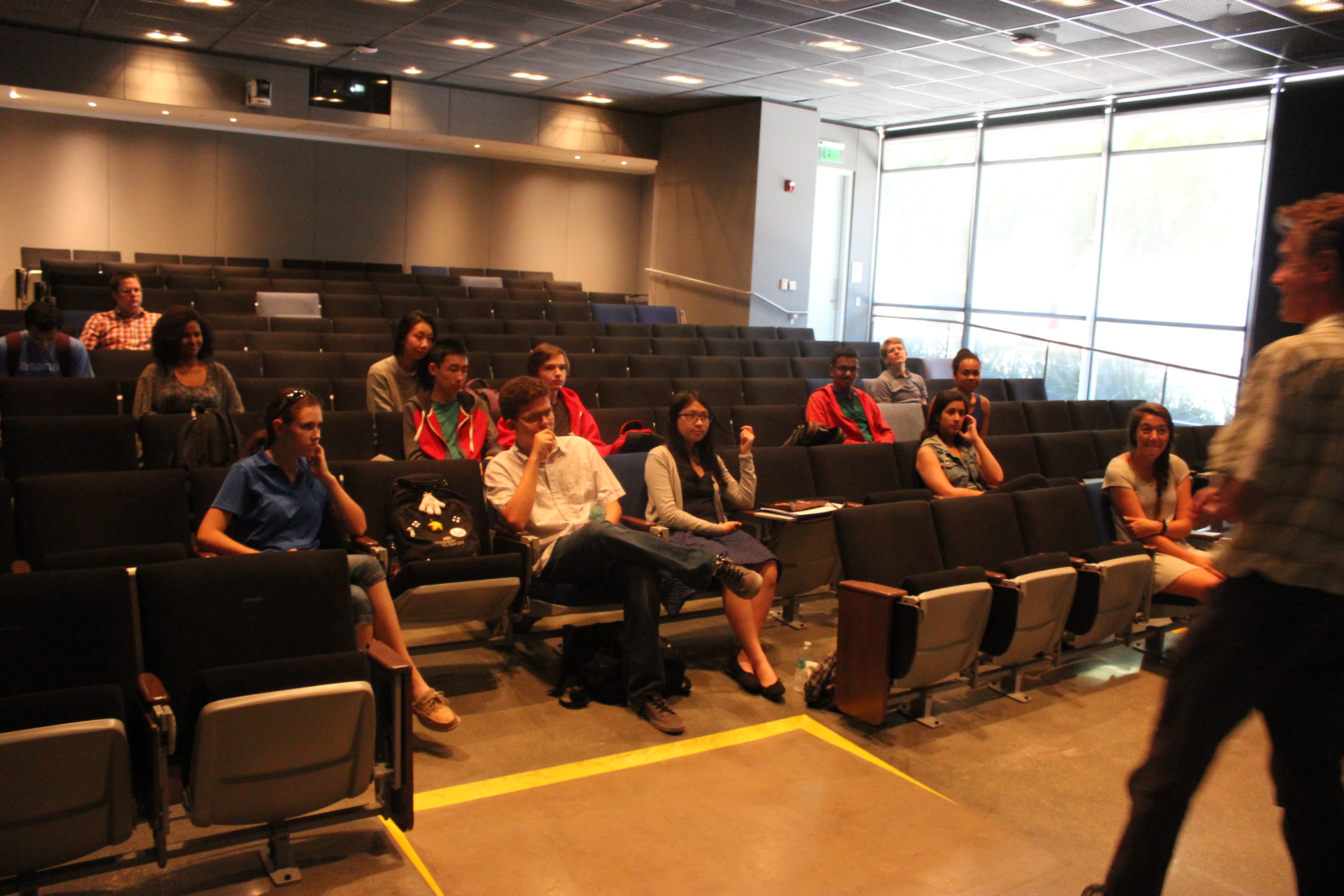
On August 4, 5 and 6, we began our new Teaching and Learning Center at Yale-NUS College, with a series of workshops for incoming faculty. My role is to be the inaugural Director of the Center, and we have a wonderful group that includes Nancy Gleason, Associate Director, and several others from Yale-NUS. Each of the three workshops was geared toward the faculty in the Divisions of Sciences, Social Sciences, and Humanities.

During the talks, we presented ideas for designing courses with Assessable Learning Objectives, explored the Bloom Taxonomy of Learning and the AACU Rubrics, and described ways to create an active classroom, and the technique known as Constructive Alignment, and modified Learning Taxonomies. After the first set of workshops, we hosted a talk by John Kelley on “The Emotions of First Year Teaching” and are planning a number of other workshops during the semester and afterwards.

Our new web site is available at http://teaching.yale-nus.edu.sg, and will include a wide array of resources for faculty, video-recordings of many of our events, and useful materials for designing and assessing courses.

The mission of the center is below:

Topics and Questions the Centre will address with faculty:

  • How does one best design and assess interdisciplinary courses?
  • How can active learning be incorporated into larger lectures?
  • How can experiential and international work be better integrated into undergraduate classes?
  • How can teams of instructors be trained to work well together?
  • What is the best way to develop faculty for excellent teaching?
  • How can one create an institutional culture of teaching excellence?
  • How do we assess and communicate what we have learned within our common curriculum to future instructors and to the world outside of Yale-NUS College?
  • How does teaching and learning differ within the Asian context from North America?
  • How can we integrate technology into our classrooms to create truly global classrooms?
  • How can we more effectively assess student learning outcomes and attitudes?
  • How effective is liberal arts and interdisciplinary curriculum for advancing student learning?

Efforts of the Centre in the coming Academic Year 2015-16

In the coming year the Centre will begin a series of programs to encourage a lively, social and stimulating set of conversations about teaching at Yale-NUS College. These programs will be developed through collaborations with Yale-NUS faculty and the Teaching, Learning and Assessment (TLA) committee.

  1. New Faculty workshop for incoming and other faculty in August of 2015
  2. Regular consultations and biweekly meetings with junior faculty and others by appointment.
  3. Regular events within the semester to discuss teaching techniques at Yale-NUS College; developed in consultation with the TLA committee.
  4. Set of workshops for Teaching and Learning at Yale-NUS for December 2015 will include Leading Discussions, Active Learning, and Technology in the Classroom.
  5. A visiting scholar of pedagogy will visit Yale-NUS for an extended period in early 2016, to develop connections across Yale-NUS and NUS.
  6. New web site and Teaching and Learning to showcase the best scholarship in Teaching and Learning, with an eye toward materials that can quickly and efficiently help faculty implement research-validated pedagogy in their courses.
  7. Development of new forms of assessment at Yale-NUS College, including formative and summative surveys that accurately capture student learning outcomes and attitudes toward subjects.
  8. A Conference and Workshop at Yale University on undergraduate education in June 2016 will gather thought leaders in undergraduate education and teams of leaders from top institutions in North America and beyond.
  9. A third Liberal Arts in India conference in 2016 will bring together teams of faculty from Singapore, North America and India to work collaboratively on new courses and plan for global classroom sessions.
  10. Guides for best practices in Discussion Leading, Active Learning, Assessment, and Team Teaching will be assembled collaboratively with the Yale-NUS College faculty and the Teaching, Learning and Assessment Committee.
  11. Plan will be developed for an Asian Teaching and Learning and Undergraduate innovation conference for March 2017, hosted by Yale-NUS College.
  12. Global courses will be offered, starting with an Environmental Science course simultaneously taught at Yale and Yale-NUS College.

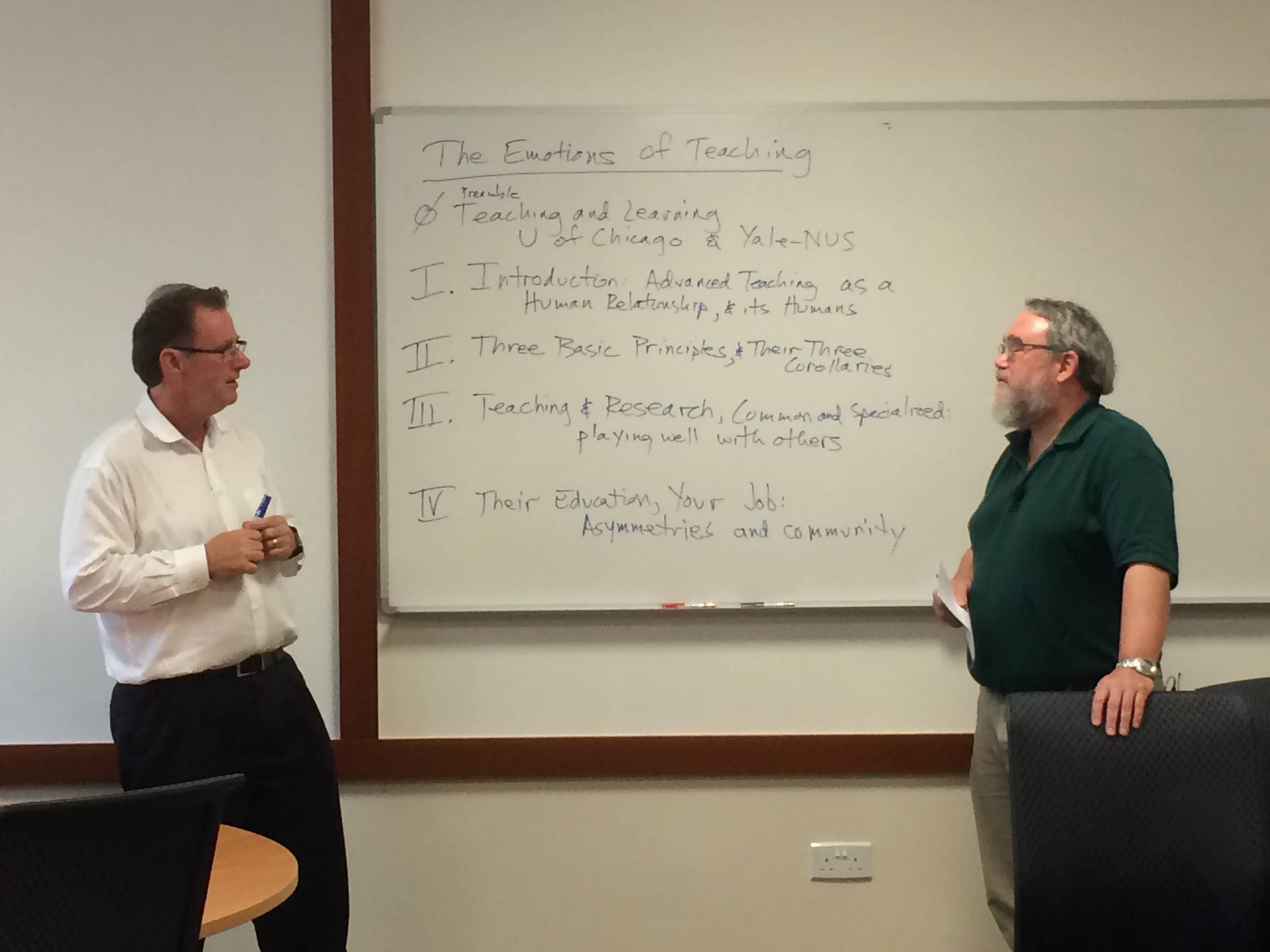
Below are some photos of John Kelley (University of Chicago), during his presentation on the “Emotions of First Year Teaching.”

john_kelley john_kelley.and.me john.kelley


Crow Canyon Archaeological Center Solstice Trip

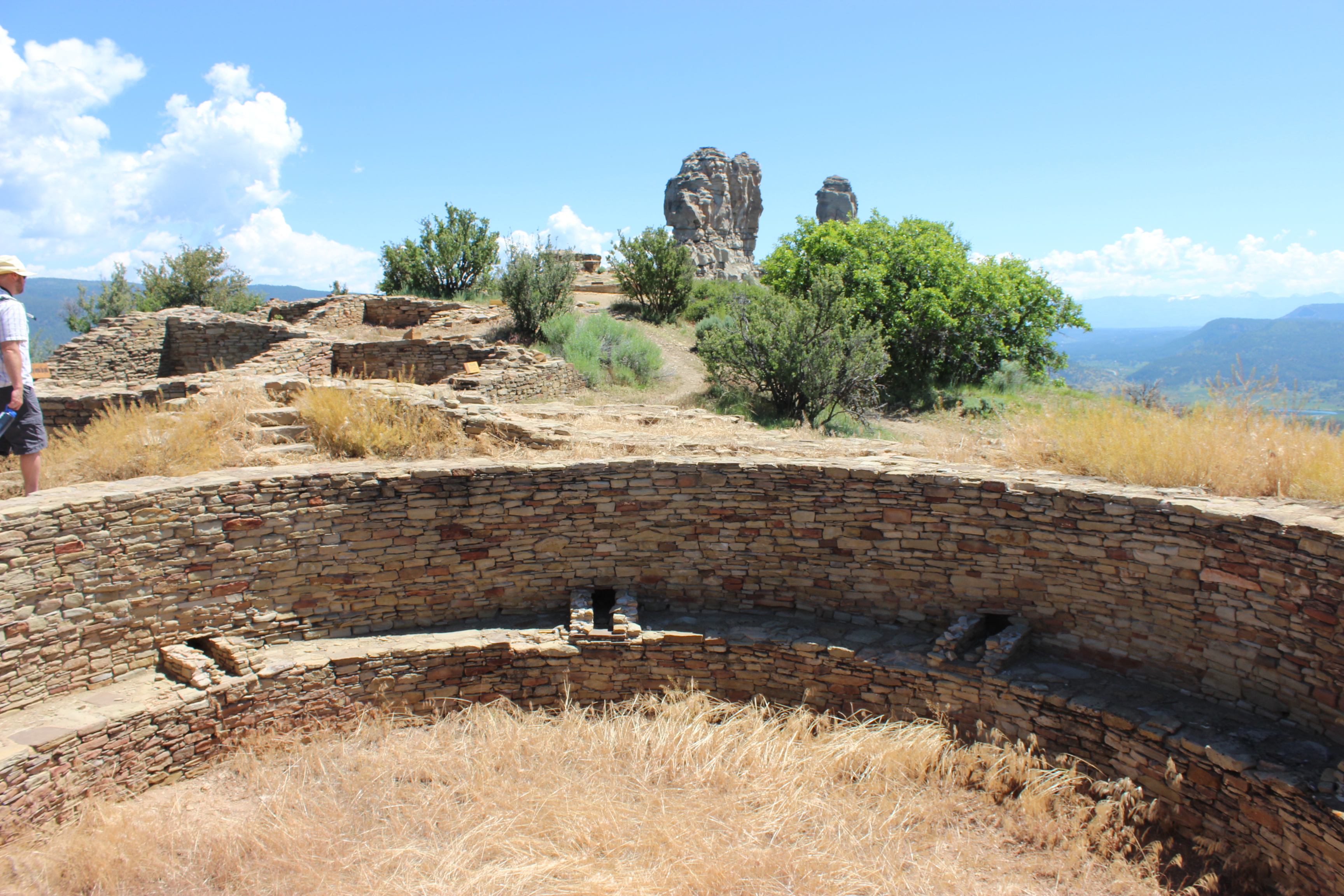
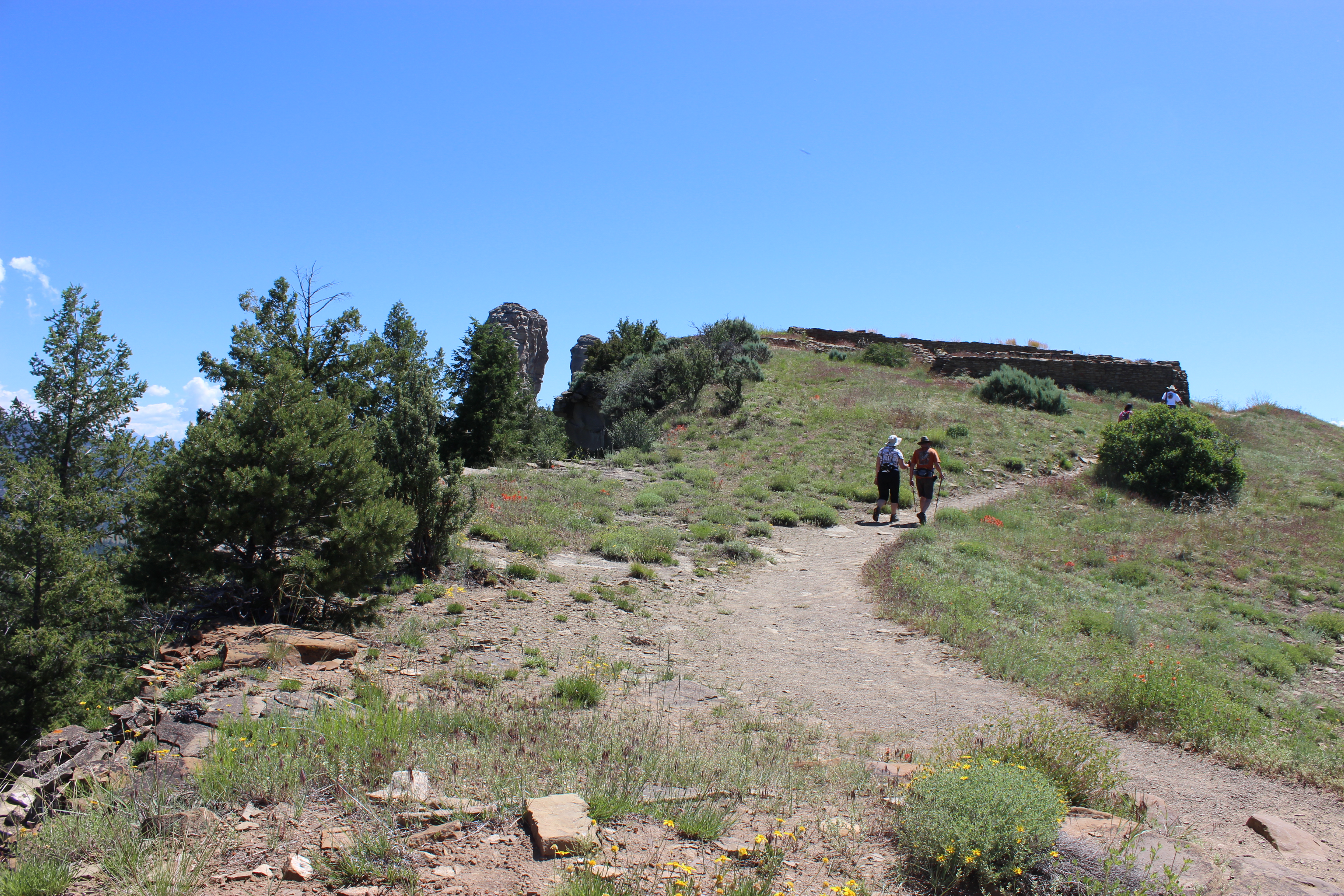
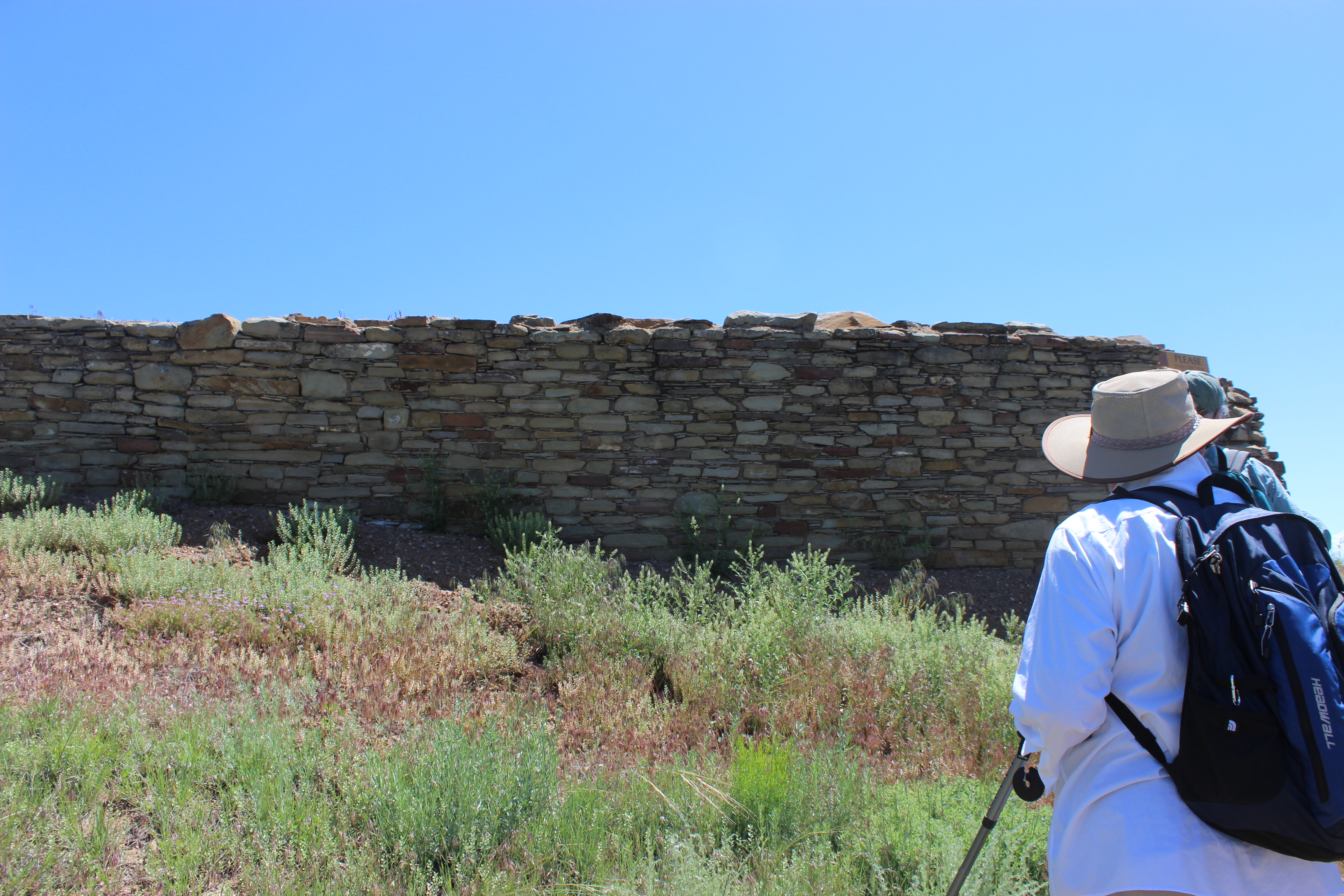
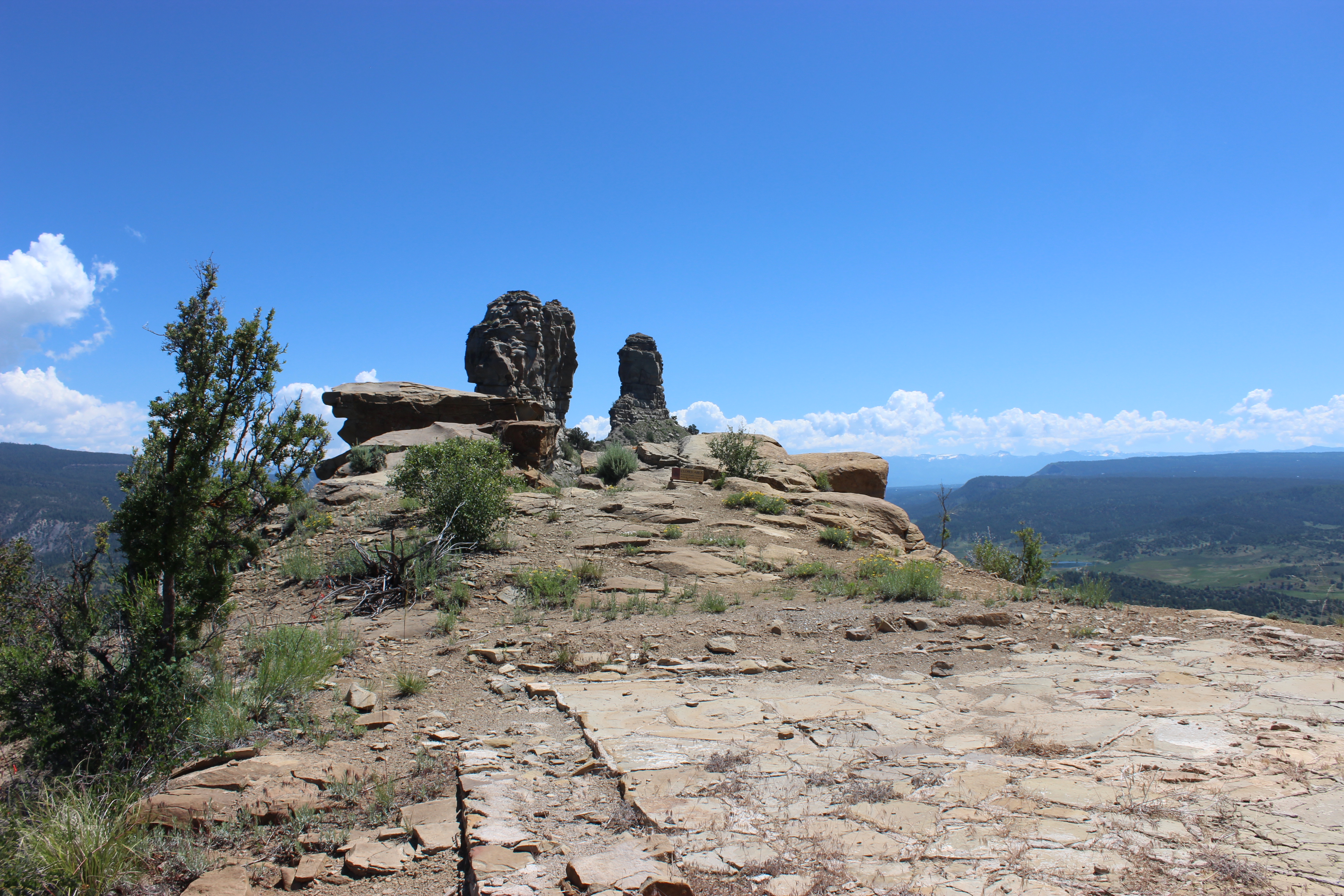
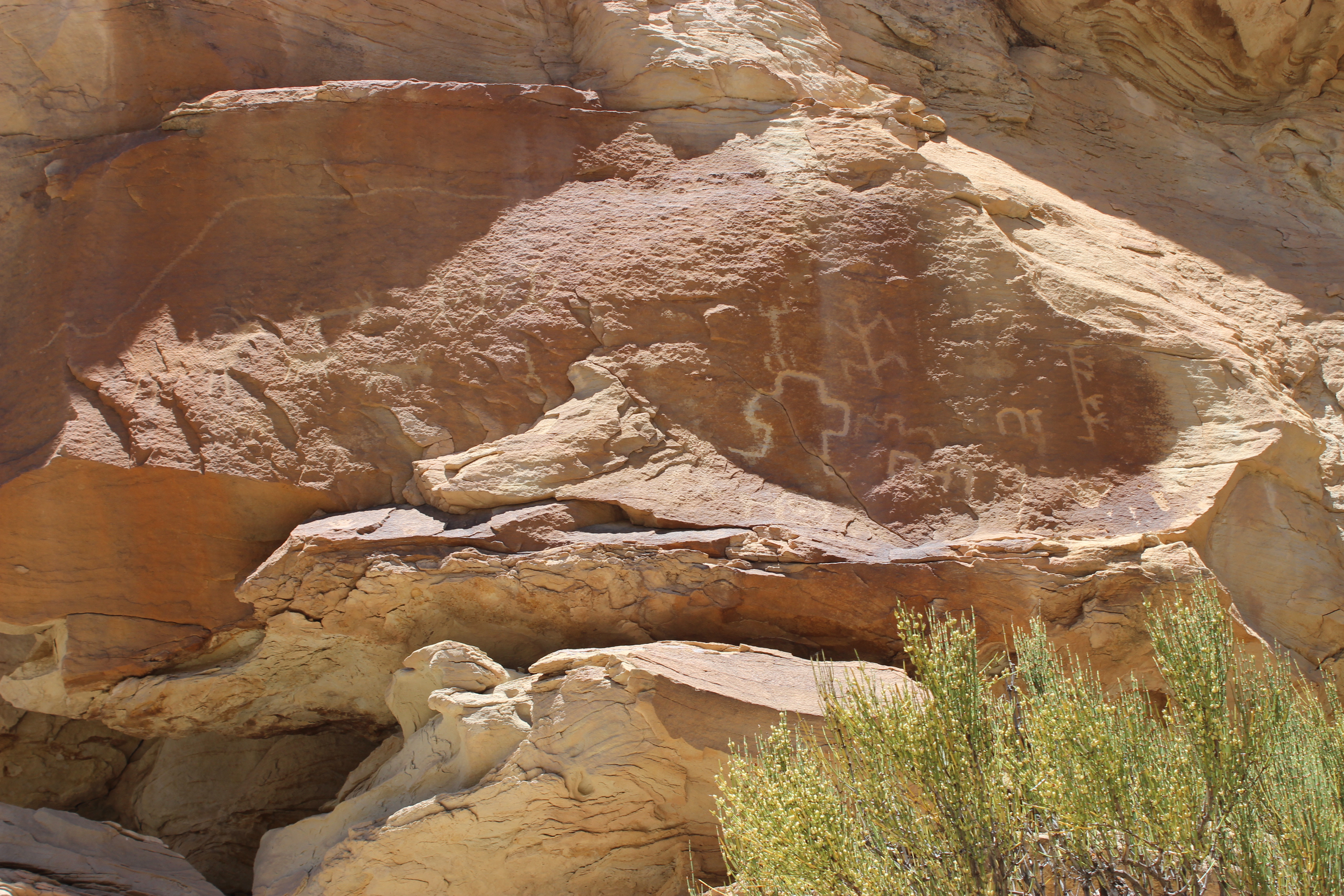
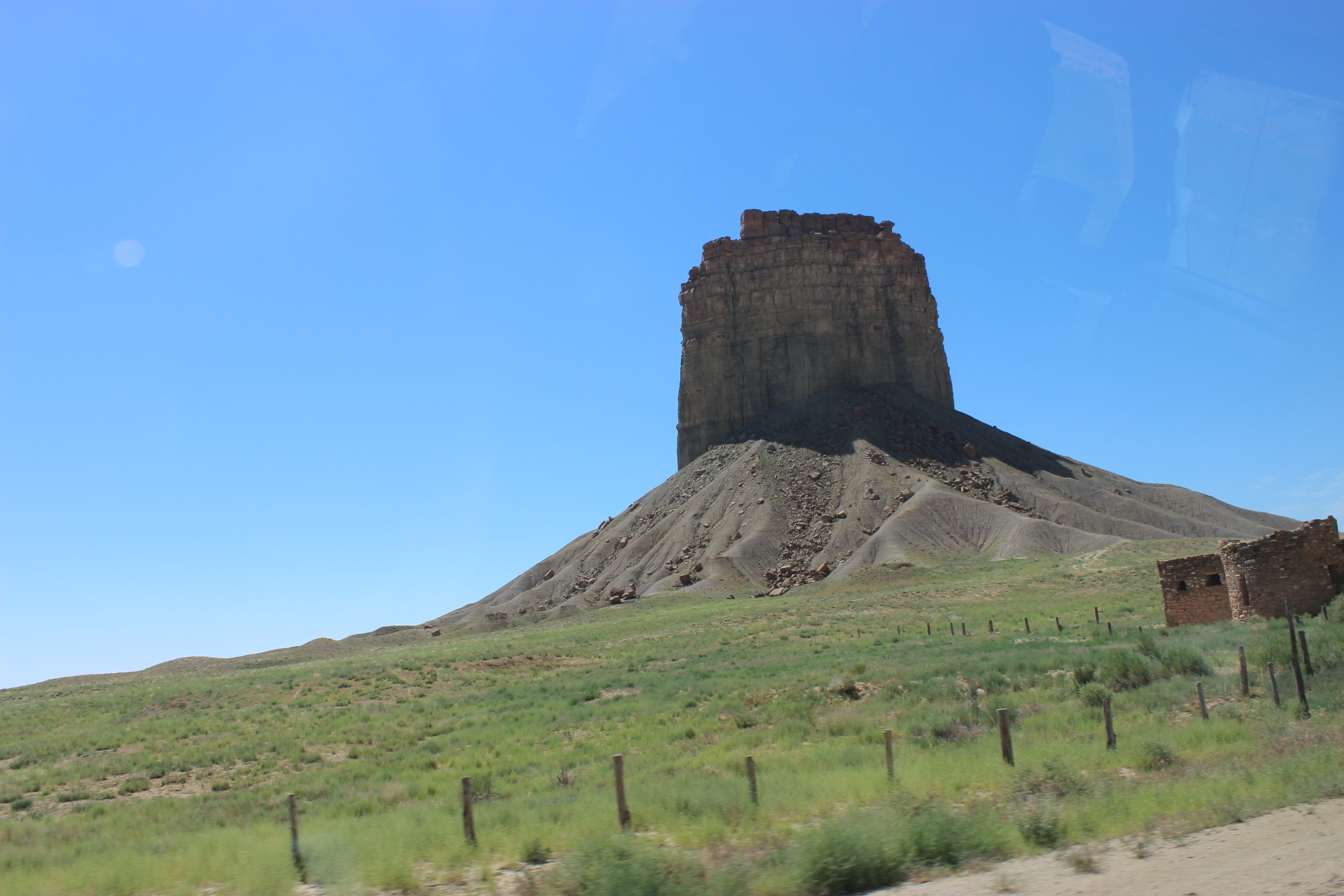
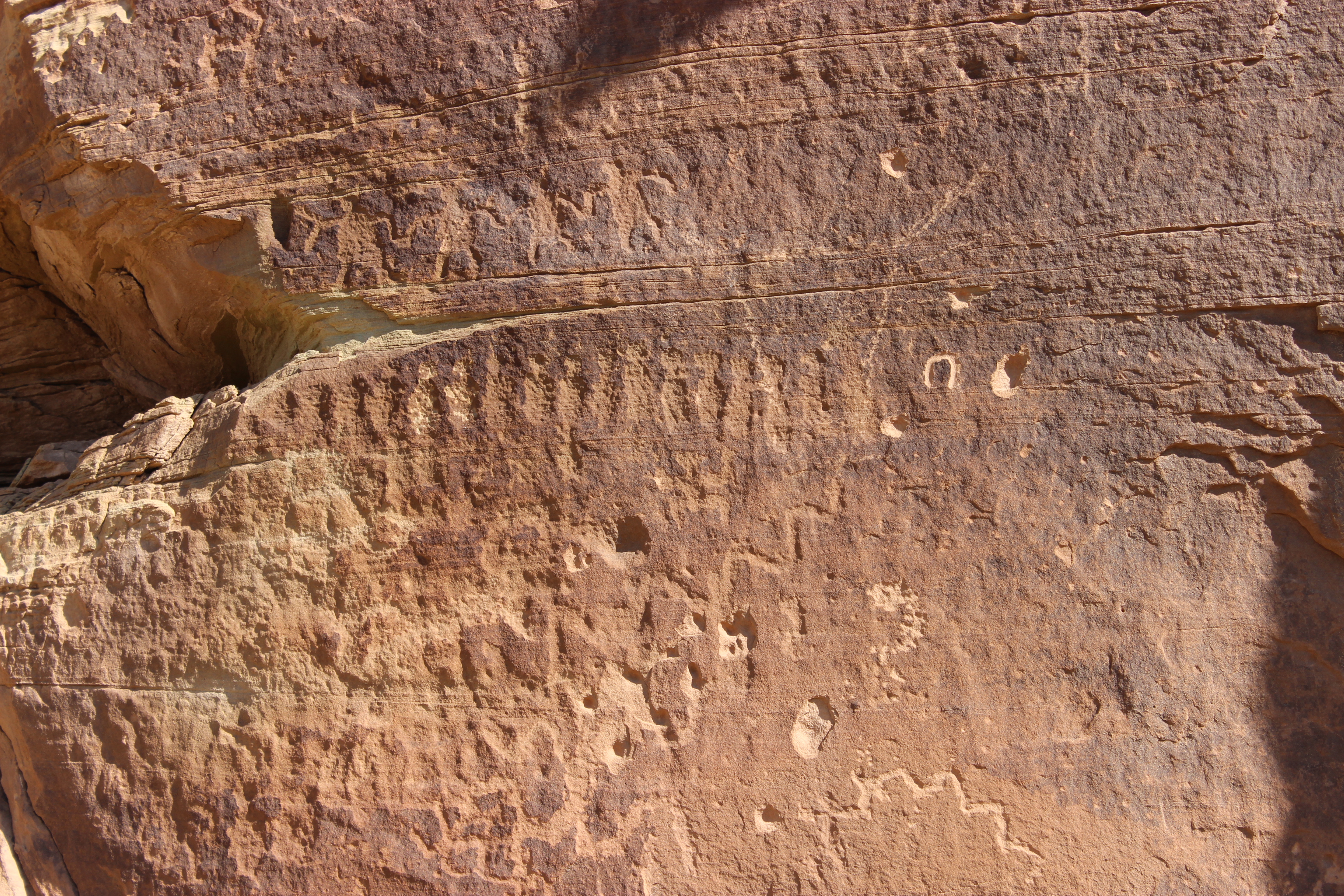
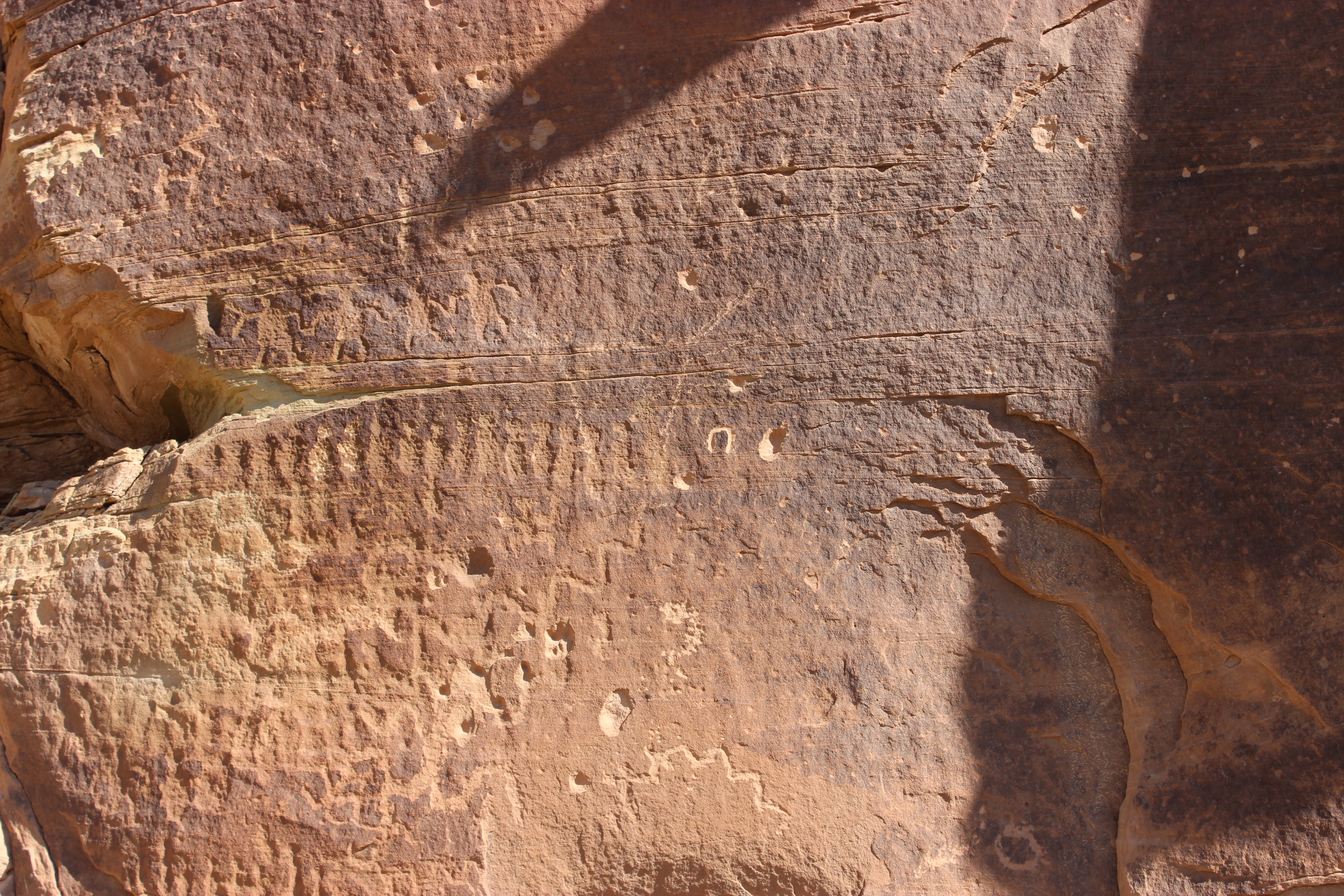
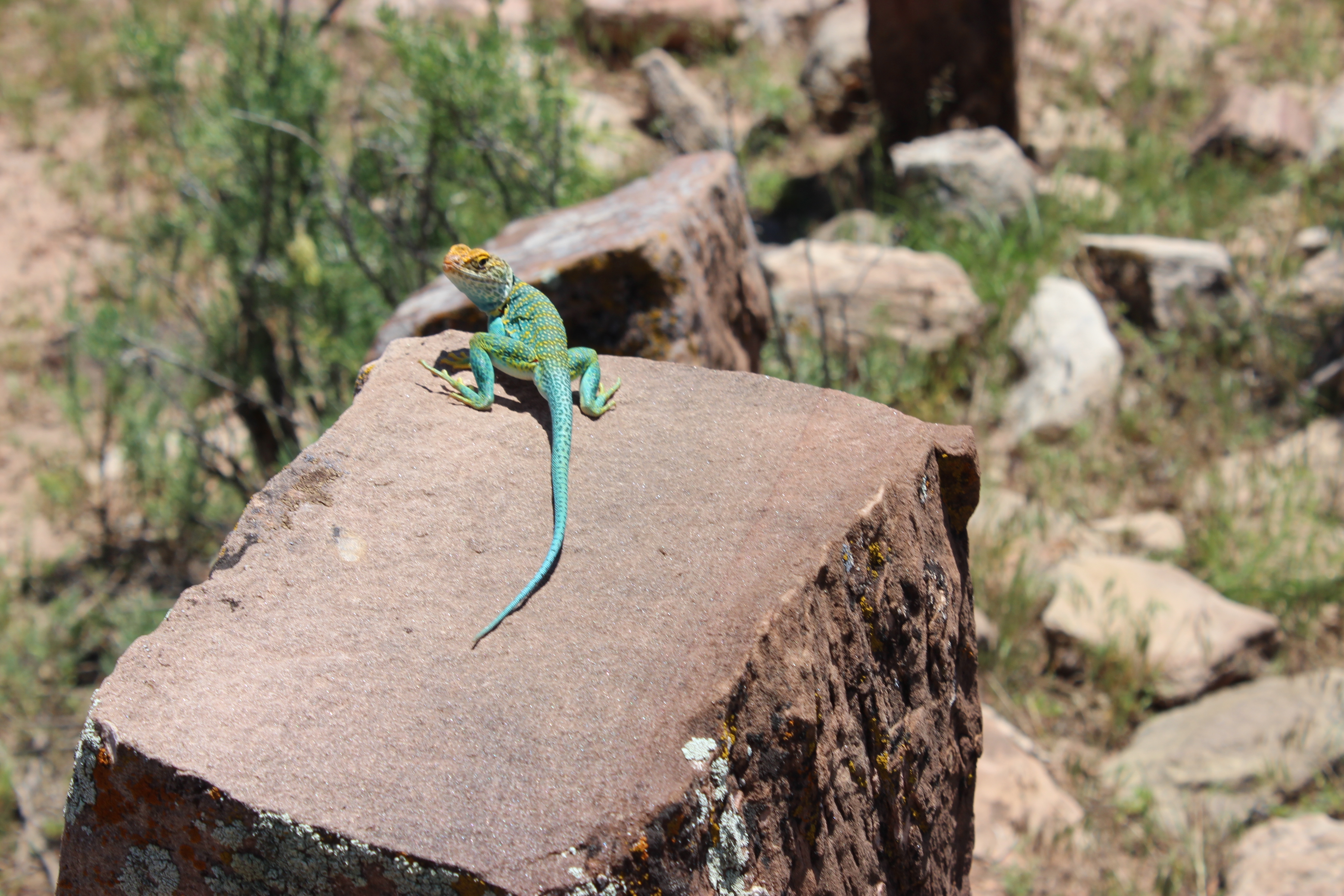
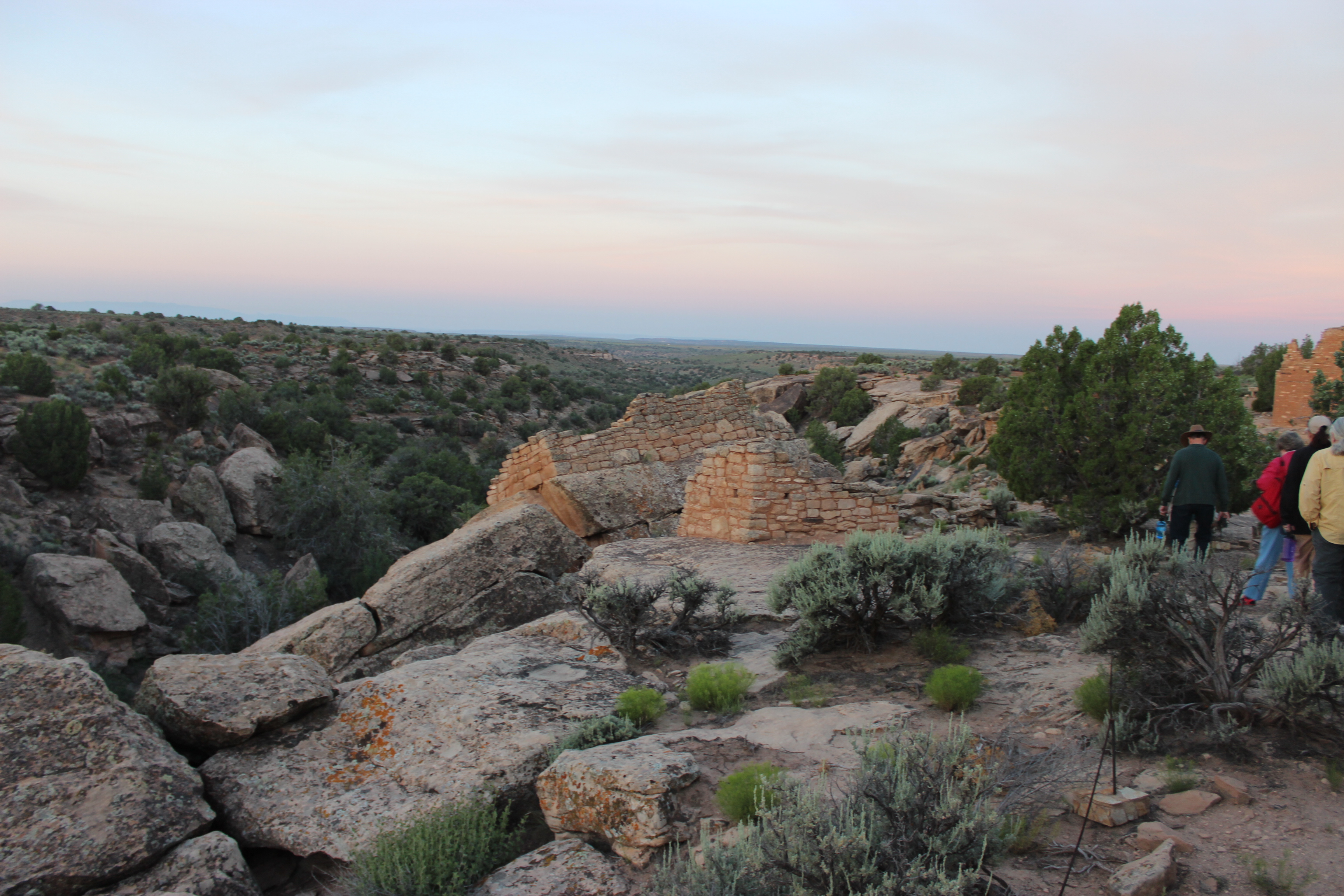
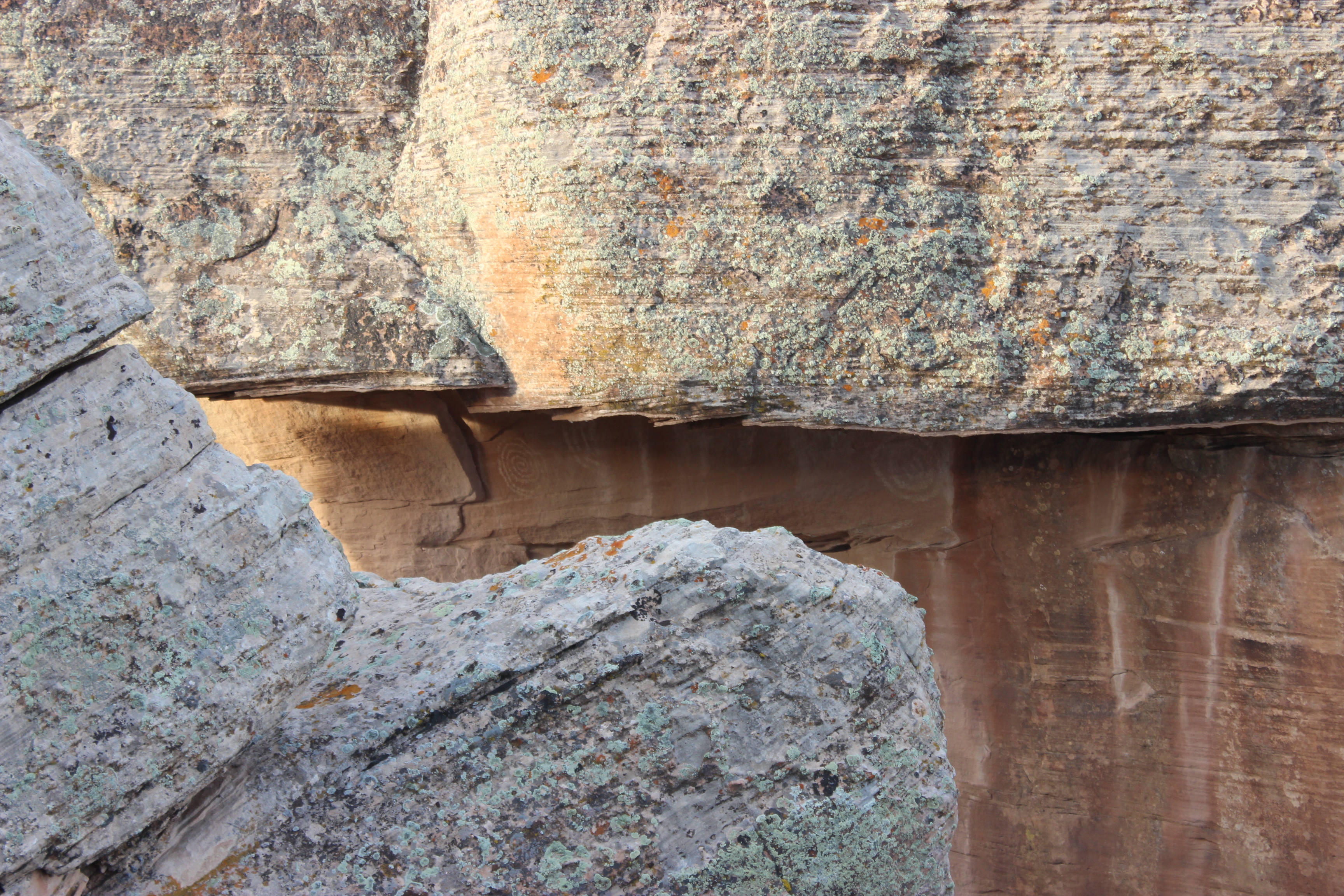
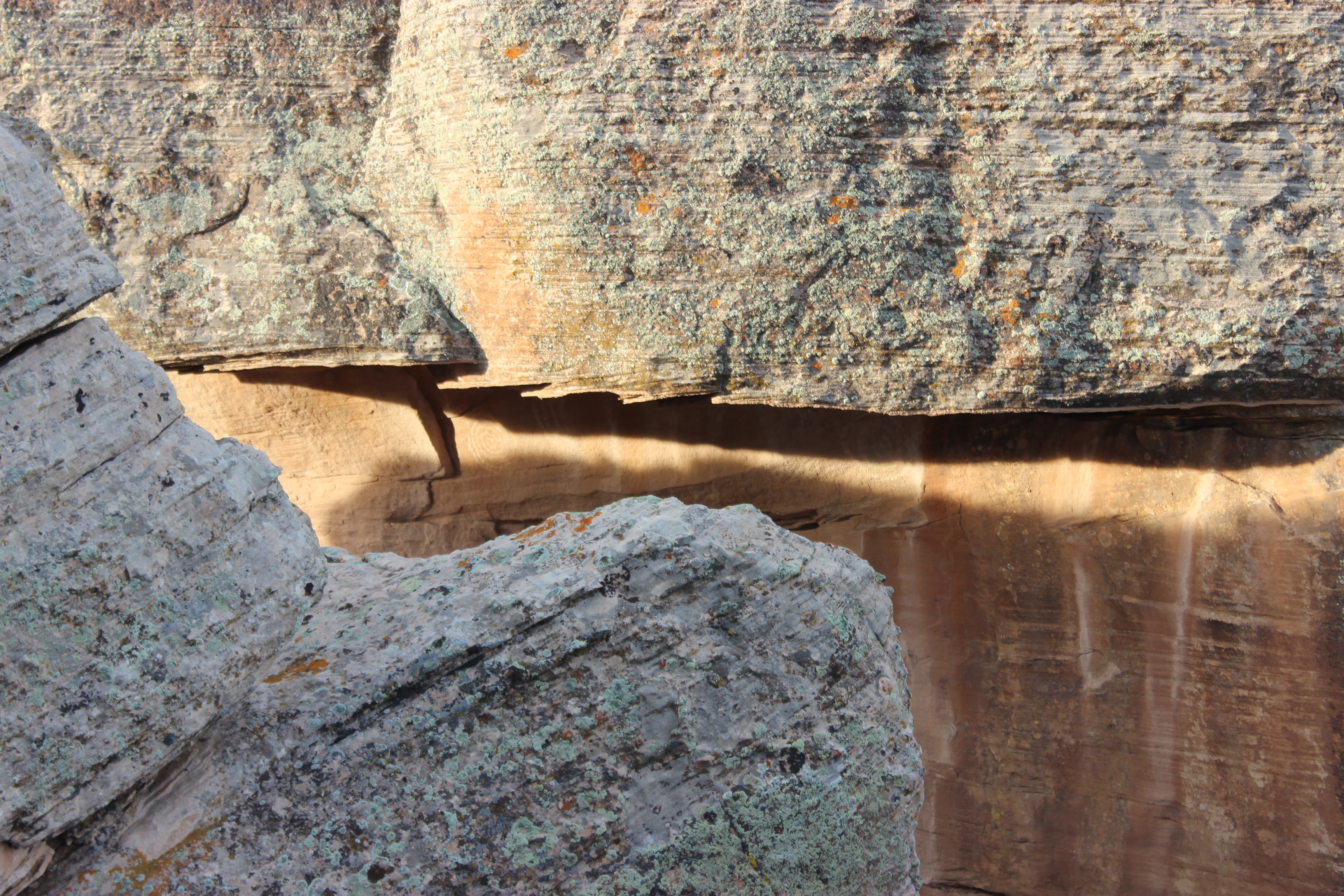
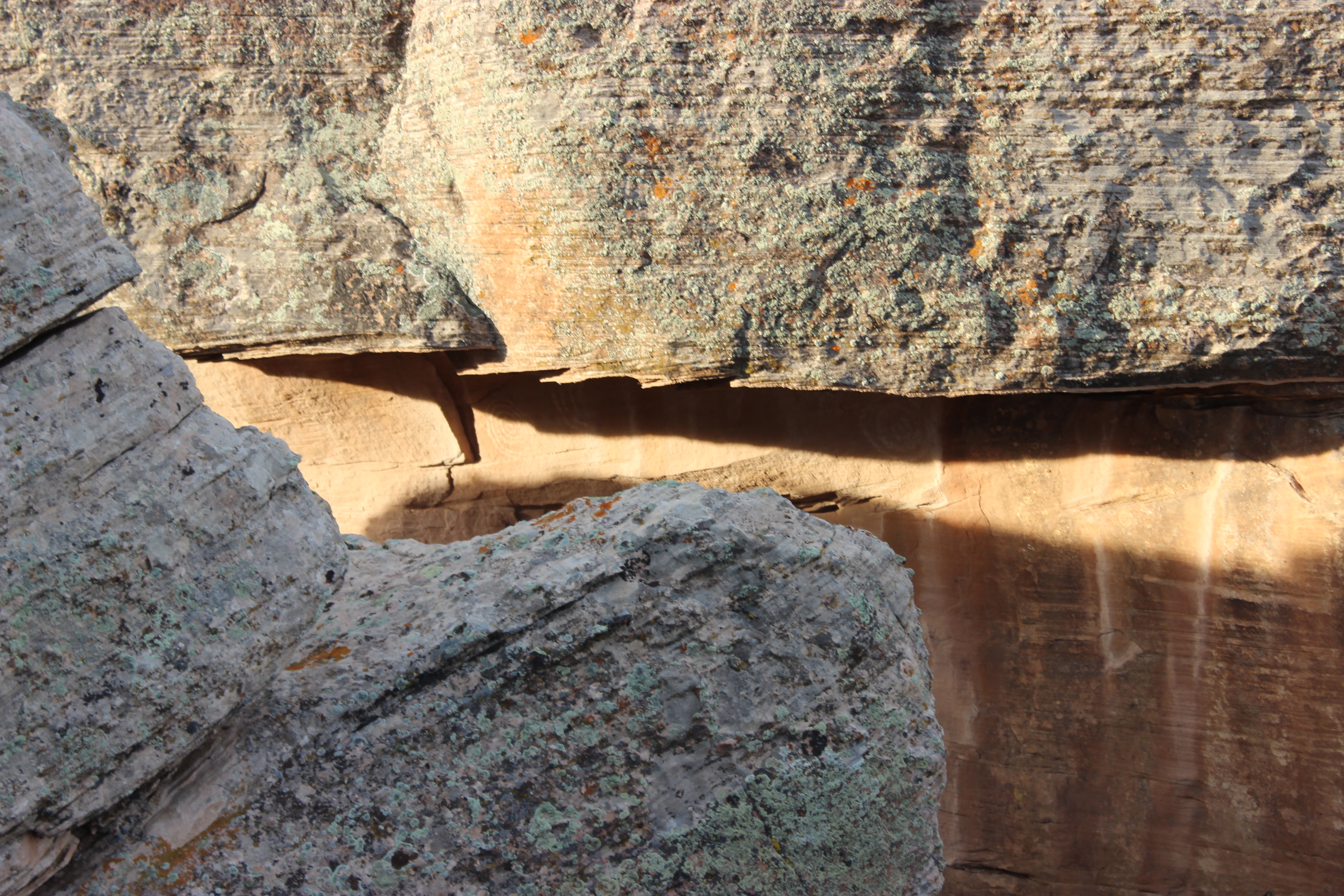
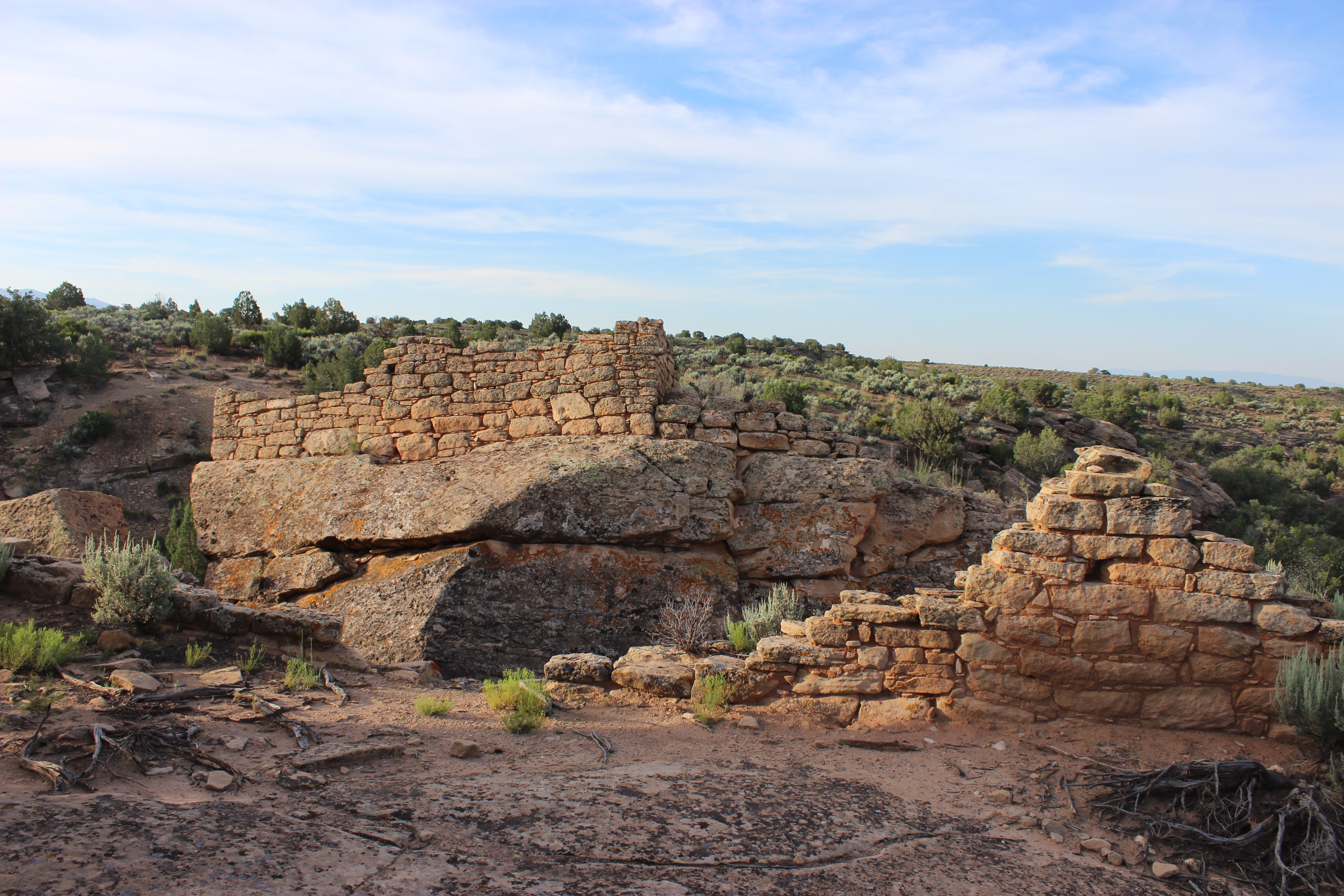
On June 15-22, I was one of three leaders for a very interesting exploration of the Four Corners region (New Mexico, Colorado, Utah and Arizona), sponsored by the Crow Canyon Archaeological Center. Our itinerary included major archaeoastronomical sites in the region, ancient settlements from Chacoan peoples, and notable rock art panels. With the other scholars from the group, we climbed up ridges to examine 1200 year old settlements, interpreted alignments between archaeological sites and solstice sunrise and sunset points, and examined panels of very interesting rock art. We also had a chance to float in rafts down the San Juan River in Utah, where we were able to go on shore and see some amazing ancient sites in the Ute Reservation. As part of my work, I gave a talk on archaeoastronomy, and led a “star party” under the clear Utah Skies. We also got to watch the amazing sliver of light at Hovenweep Monument that slices through a sun figure – only on the Summer Solstice sunrise. It was an amazing sight!

Below is the itinerary for the trip!


Summer Solstice v. 7.2.14

Archaeoastronomy in the Four Corners

 Summer solstice in the Southwest! Join us for a week of exploration, discovery, and dialogue in places where the paths of light and shadow have long been observed by Pueblo Indians. In our study of archaeoastronomy—the astronomy of ancient peoples—visit centuries-old observatories, examine astronomical alignments and features, and look at rock art imagery. Learn how celestial cycles continue to influence significant events in the daily and ceremonial lives of Pueblo people. The highlight of the week: experiencing summer solstice among the masonry towers at Hovenweep National Monument.  Also on the itinerary: Chimney Rock National Monument, Ute Mountain Tribal Park, and a great house in southeast Utah. Summer solstice occurs on Sunday, June 19.

Tuesday, June 16 – Monday, June 22, 2015

Scholars: Dr. Bryan E. Penprase, Phillip TuwaletstiwaGuest Scholars: Virginia Wolf, Sally Cole, Jonathan Till


EDUCATIONAL OBJECTIVES

Discover the human experience of the sky across the centuries and across cultures

Learn about the significance of astronomical events in Pueblo culture

The use of astronomy and astronomical measurements in archaeology to understand the past

ITINERARY

Tuesday, June 16:Arrive Durango, Colorado by 4:00PM. Dinner and introduction to the week’s activities. Phillip and Bryan discuss the many ways that societies around the world understand and describe celestial events. Overnight Durango, Colorado. (D)

Wednesday, June 17: Chimney Rock National Monument

Built in the late A.D. 1000s the Chimney Rock great house is located at the base of two dramatic stone pinnacles on an exposed ridge high above the perennial streams and fertile lowlands. Discuss the great house’s location for viewing a remarkable celestial event: the culmination of a 19-year lunar cycle marked by the full moon rising between the twin buttes. Dinner on your own. Overnight Durango, Colorado. (B, L)

Thursday, June 18: Ute Mountain Tribal Ute Park

With archaeoastronomer Virginia Wolf, visit seldom-seen sites in the Ute Mountain Ute Tribal Park, a vast and remote area of canyons and mesas located southwest of Mesa Verde National Park. Virginia was the first to document many of the sun calendars within the park and shares her knowledge of how shadows interact with rock art during summer and winter solstices. Phillip shares the significance of oral traditions from a Hopi perspective that help us learn about the interconnectedness of people, landscape, and the cosmos. Dinner on your own. Overnight Bluff, Utah. (B, L)

Friday, June 19: Montezuma Canyon

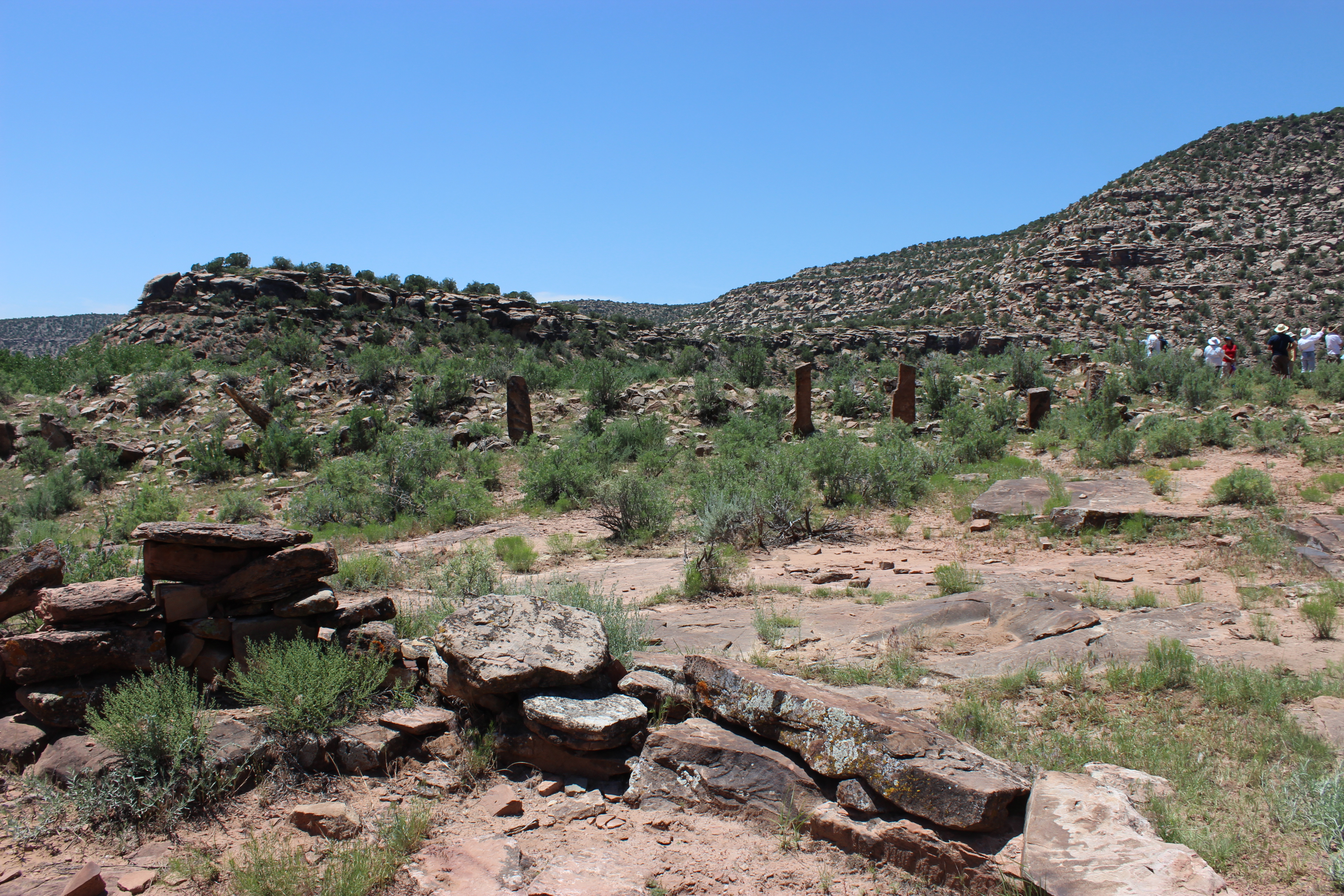
In Montezuma Canyon explore the little known site of Coal Bed, a large multi-terraced village site dating to the A.D. 1100s. Unique to this site is a line of standing monoliths. Virginia points out the celestial architecture and shares her observations of the winter and summer solstice. Bryan links the past to the present and discusses how modern societies are infused with cosmological symbolism. Dinner on your own. Overnight Bluff, Utah. (B, L)

Saturday, June 20: Bluff

Beneath the towering landform of Twin Rocks, visit a Pueblo I Site with archaeologist Jonathan Till and discuss the equinox relationship with the nearby Bluff Great House. Embark on18-foot inflatable rafts and float down the San Juan River to visit the Dance Plaza Site where Virginia is currently studying significant solar alignments related to the Bluff Great House. Enjoy dinner and a discussion of what we have experienced so far. Witness sunset from the Bluff Great House where the equinox and summer/winter solstice alignments can be observed. Overnight Bluff, Utah. (B, L, D)

Sunday, June 21: Hovenweep National Monument

Accompanied by rock art specialist, Sally Cole, we wake well before dawn and observe summer solstice at Holly House in Hovenweep National Monument. As the sun rises we consider the measurement of time and the sophistication of ancient civilizations. With keen observation and astronomical record keeping, societies around the world connected human activities with the cycles of nature. Later, visit the Square Tower Complex and Cahone, both of which are believed to exhibit astronomical alignments in their architecture. Enjoy a farewell dinner in Cortez. Overnight Cortez, Colorado. (B, L, D)


Below are some amazing pictures from this trip! It was a real joy to meet the very interesting scholars and participants – many of whom were scholars in their own right!

IMG_3230 IMG_3233 IMG_3238 IMG_3241 IMG_3255 IMG_3286 IMG_3317 IMG_3326 IMG_3328 IMG_3350 IMG_3362 IMG_3368 IMG_3372 IMG_3381 IMG_3407 IMG_3420 IMG_3432 IMG_3463 IMG_3501 IMG_3530 IMG_3553

Caltech ZTF Summer Undergraduate Astronomy Institute

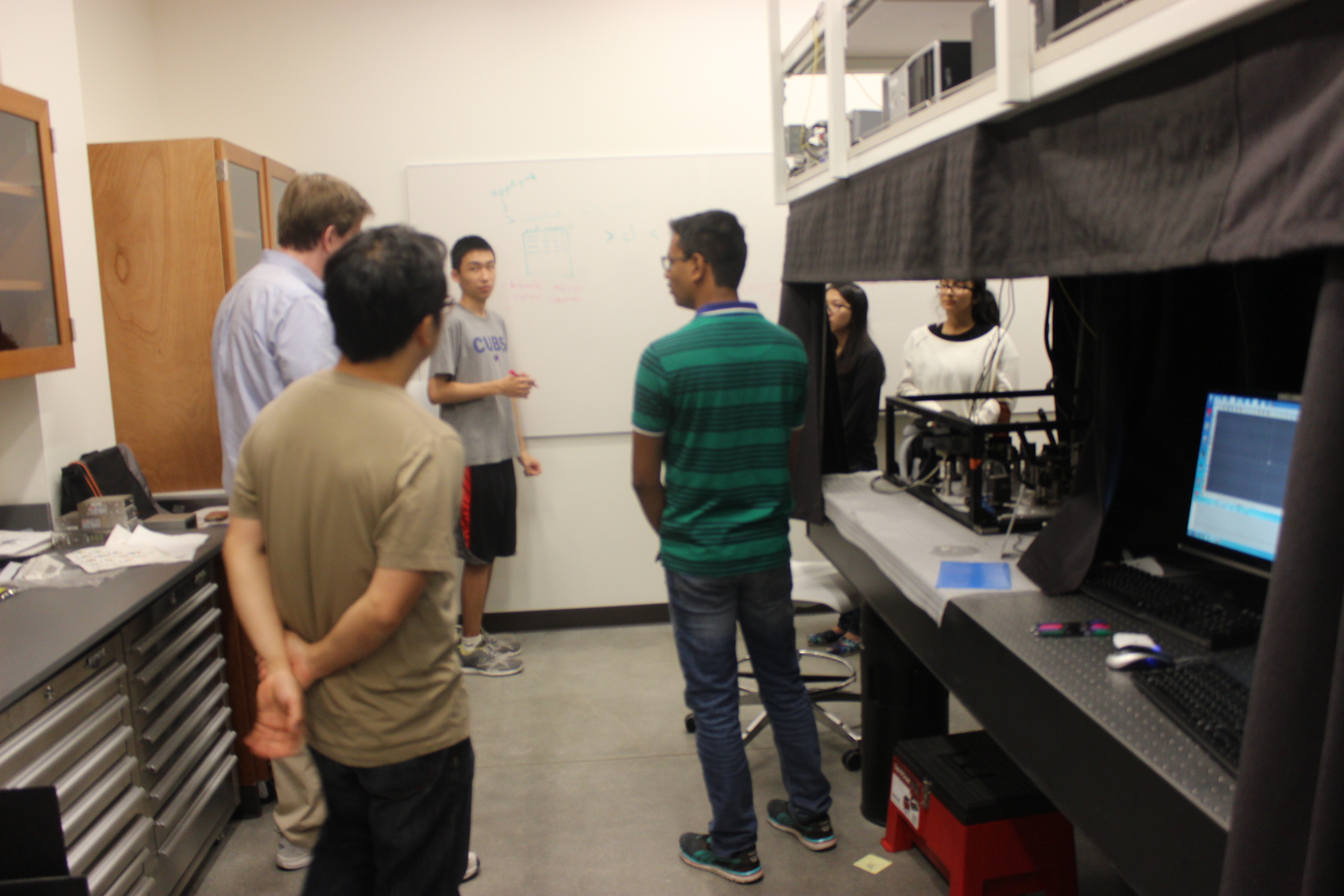
A new feature of the Caltech ZTF project is the “Summer Undergraduate Astronomy Institute” which is designed to help students learn about the science and technology surrounding their summer research projects, and to learn more about ZTF – the Zwicky Transient Factory. ZTF promises to be the premier instrument for discovering supernovae, variable stars and new asteroids, and this Institute will give you a great overview of techniques in time-domain astrophysics, observational astronomy and instrument development.

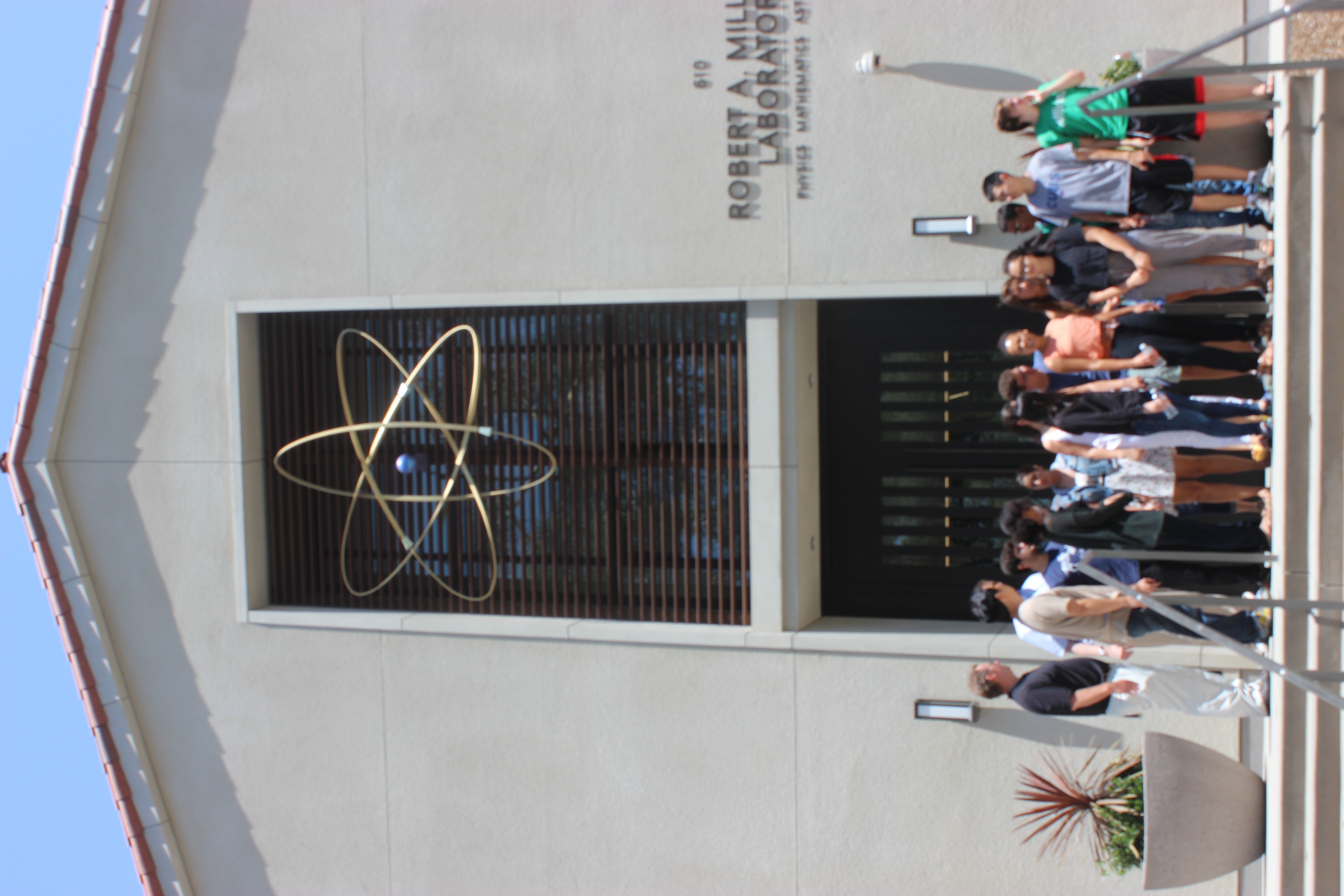
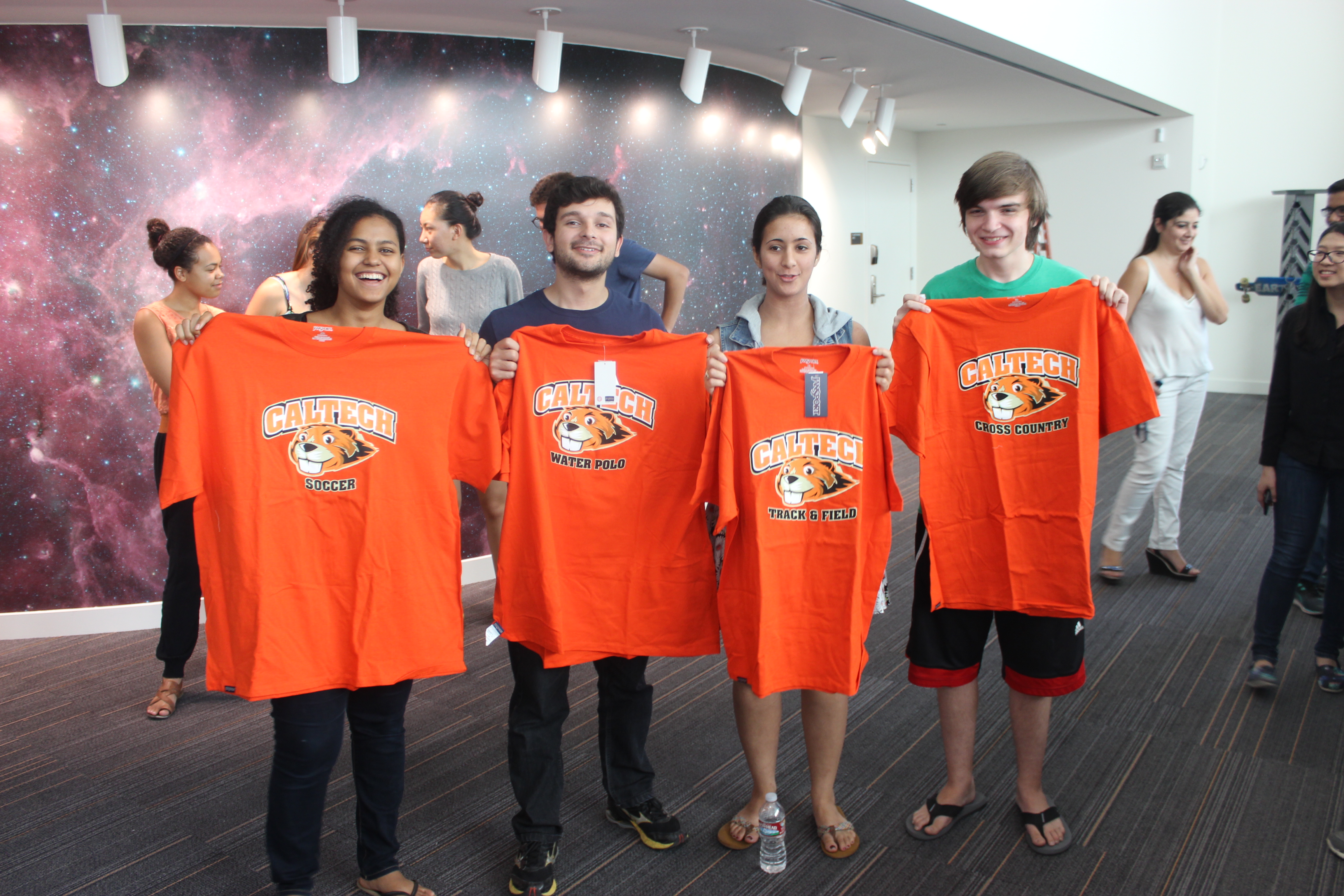
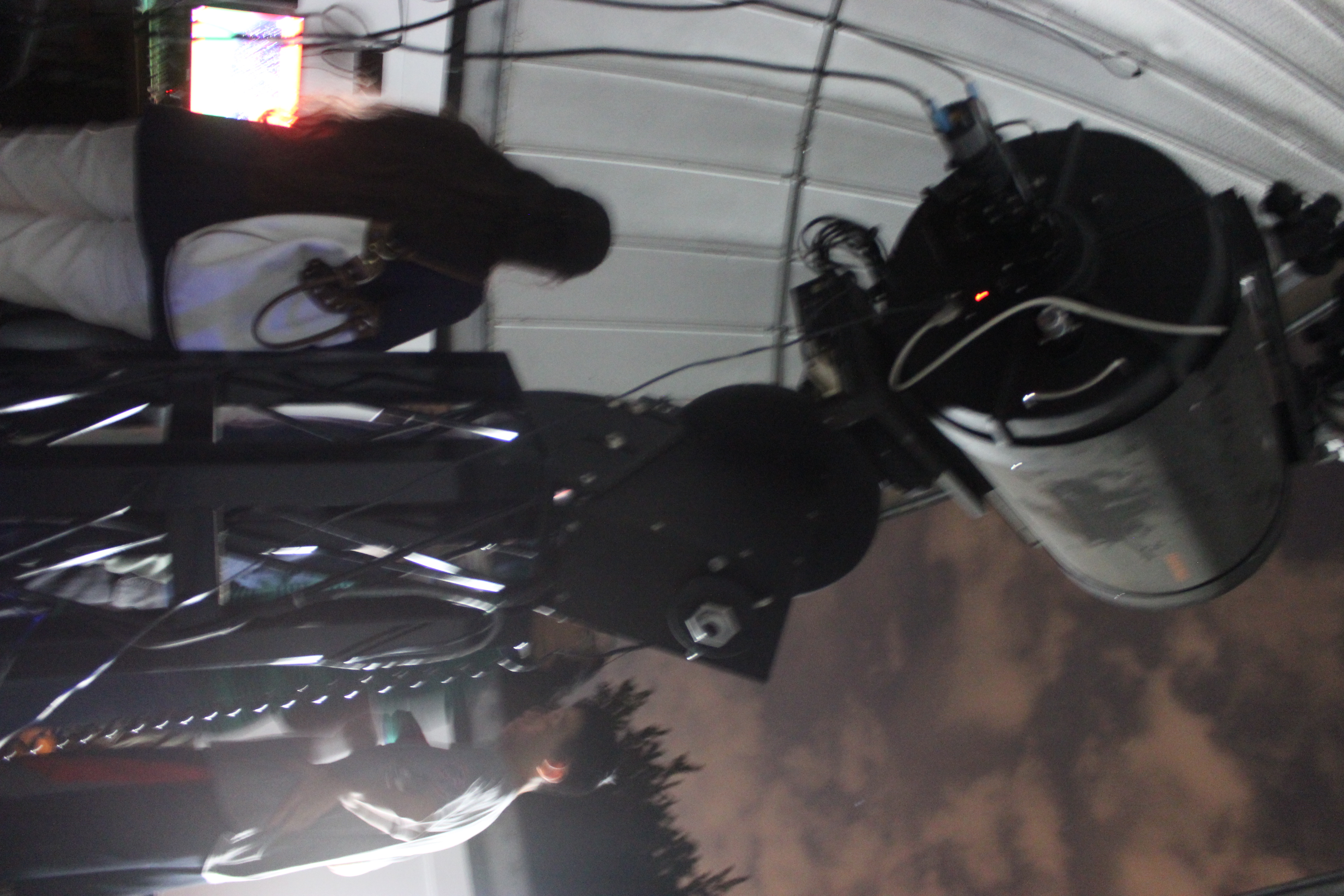
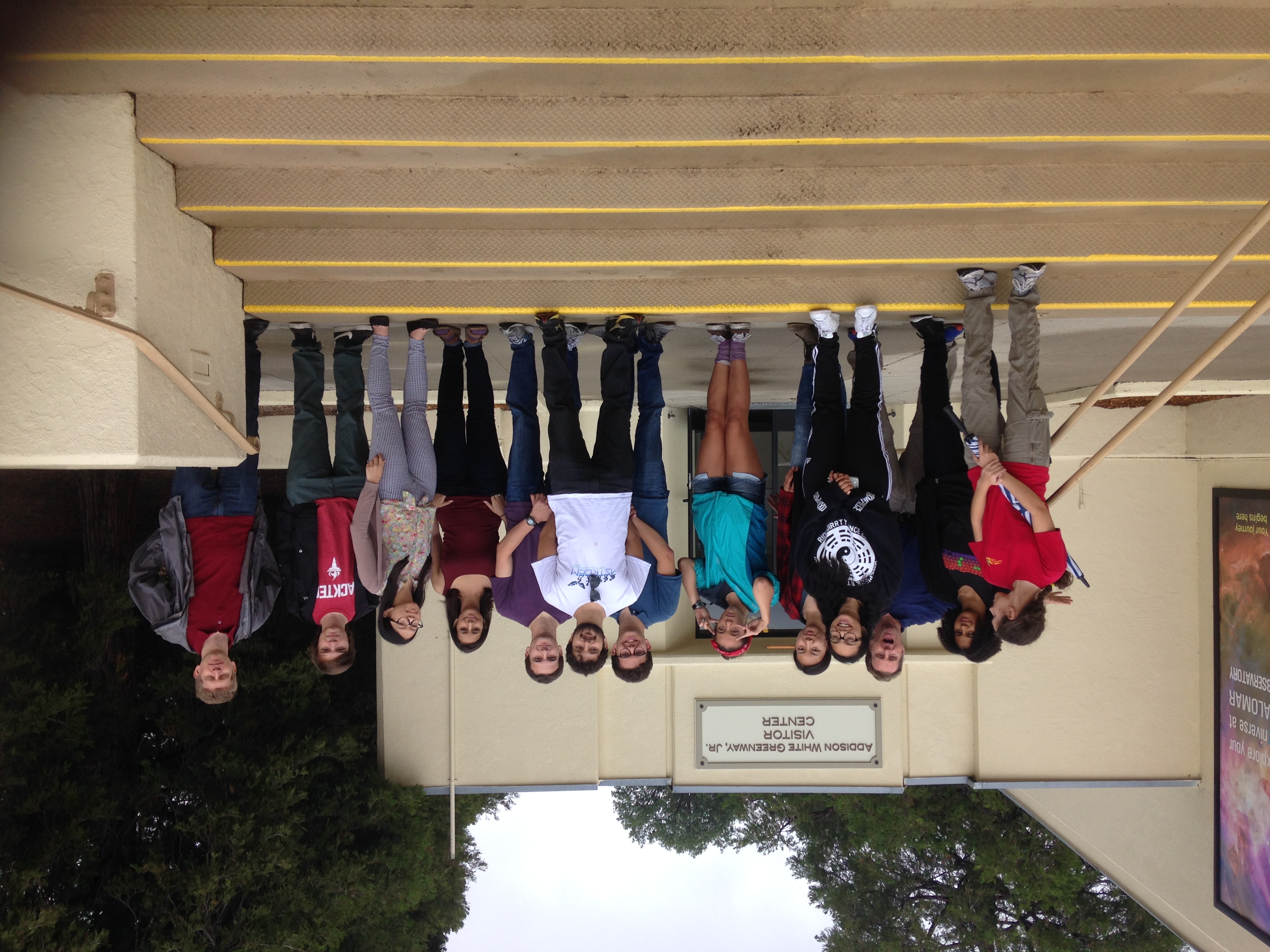
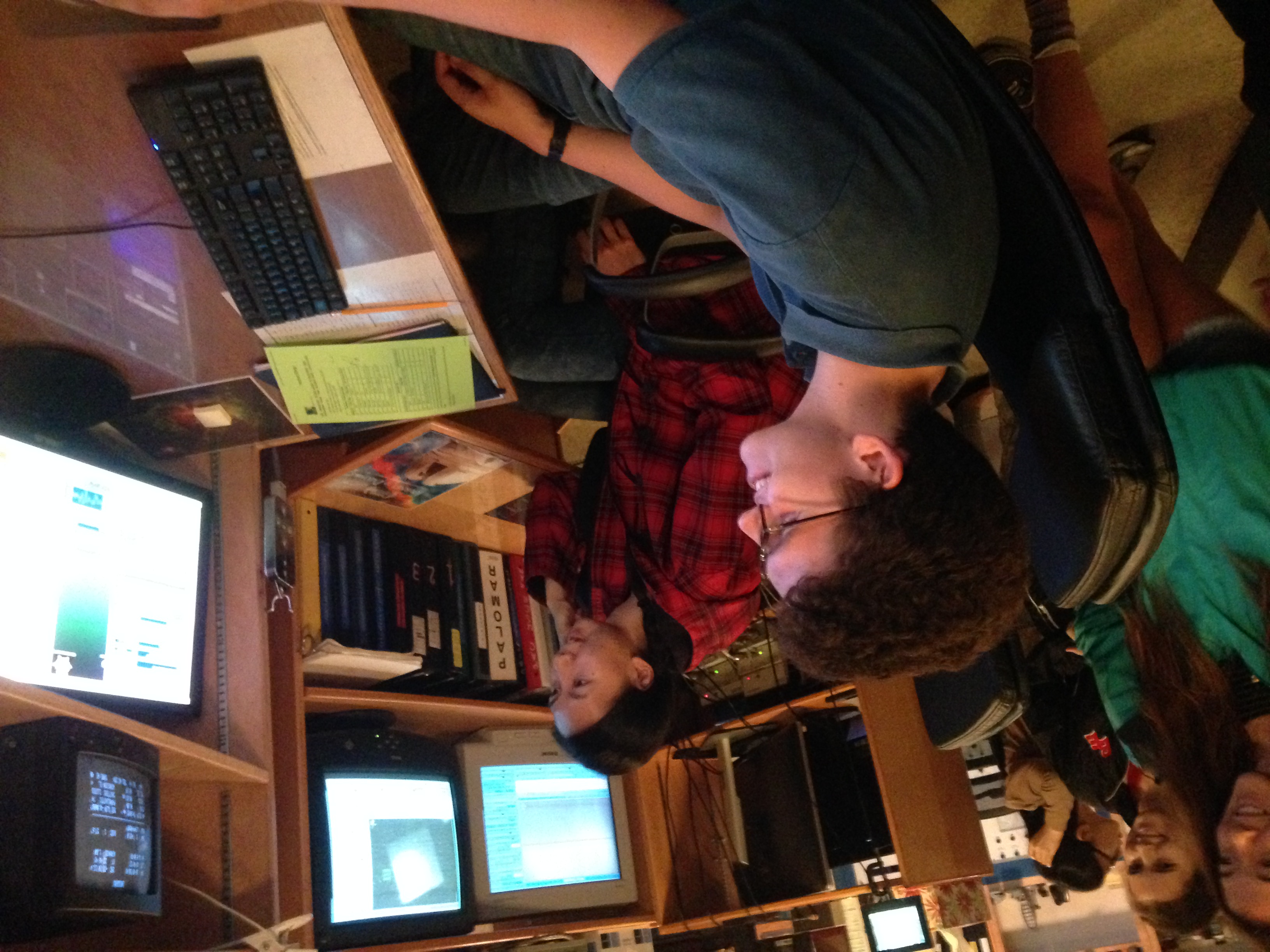
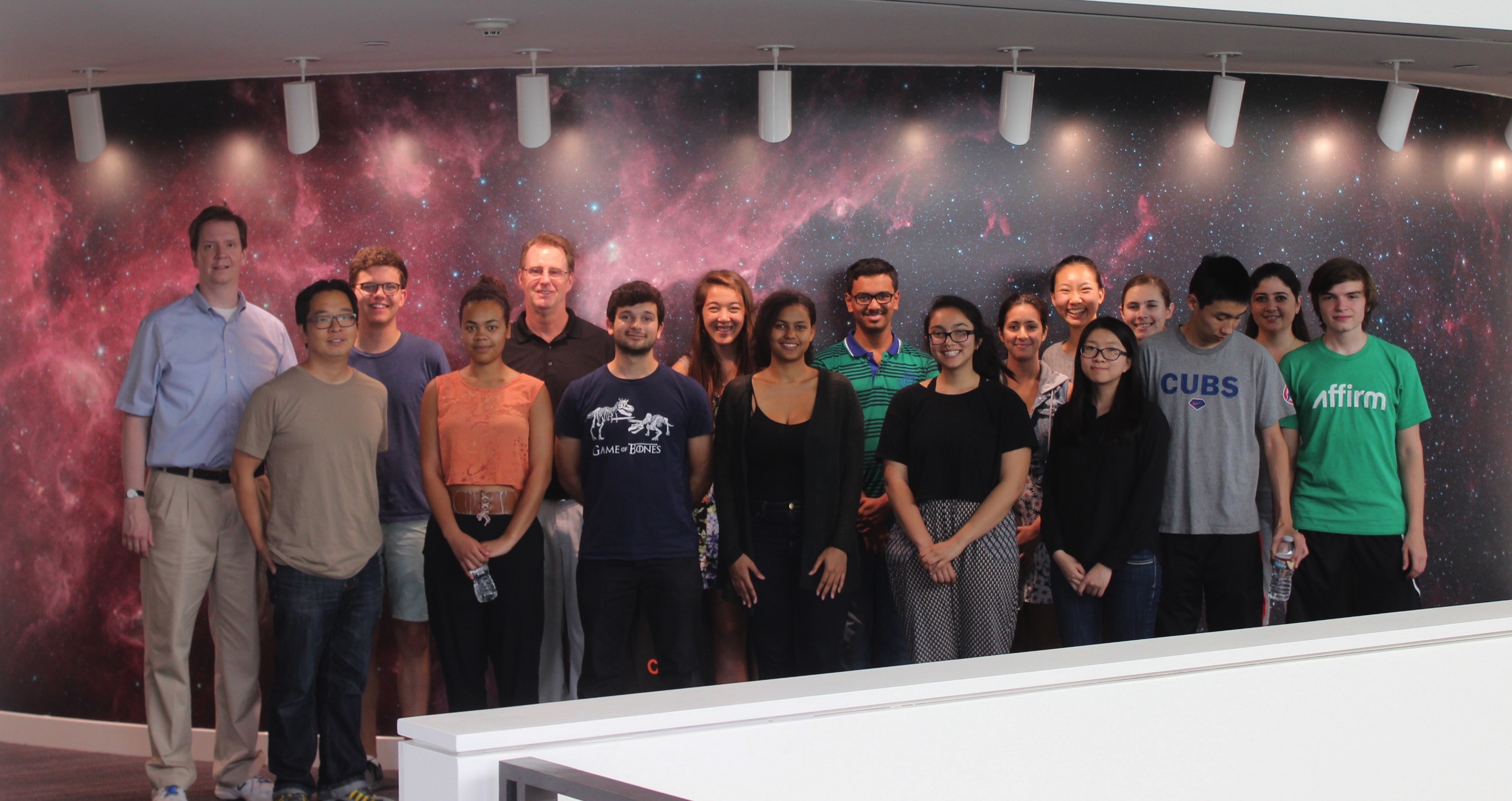
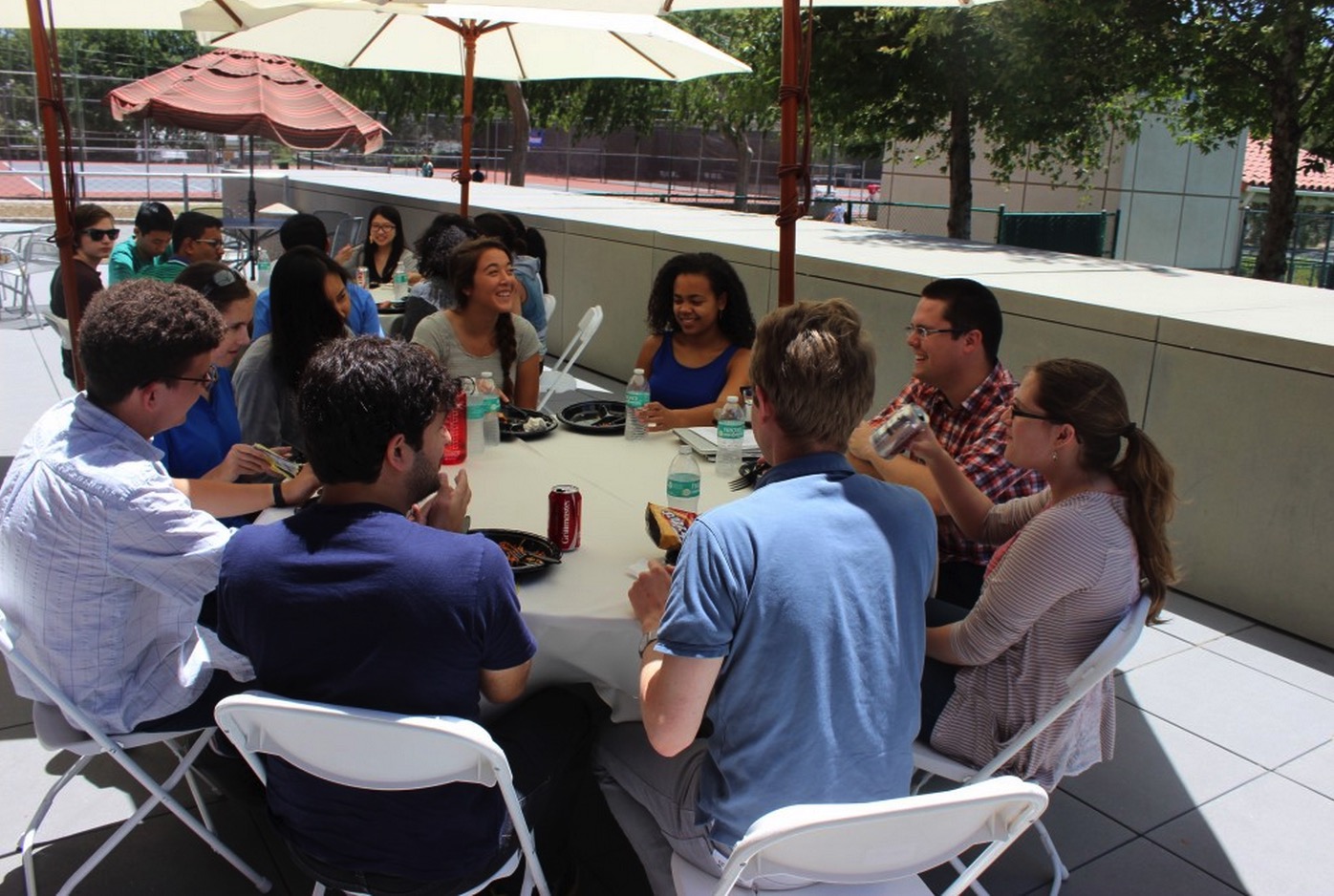
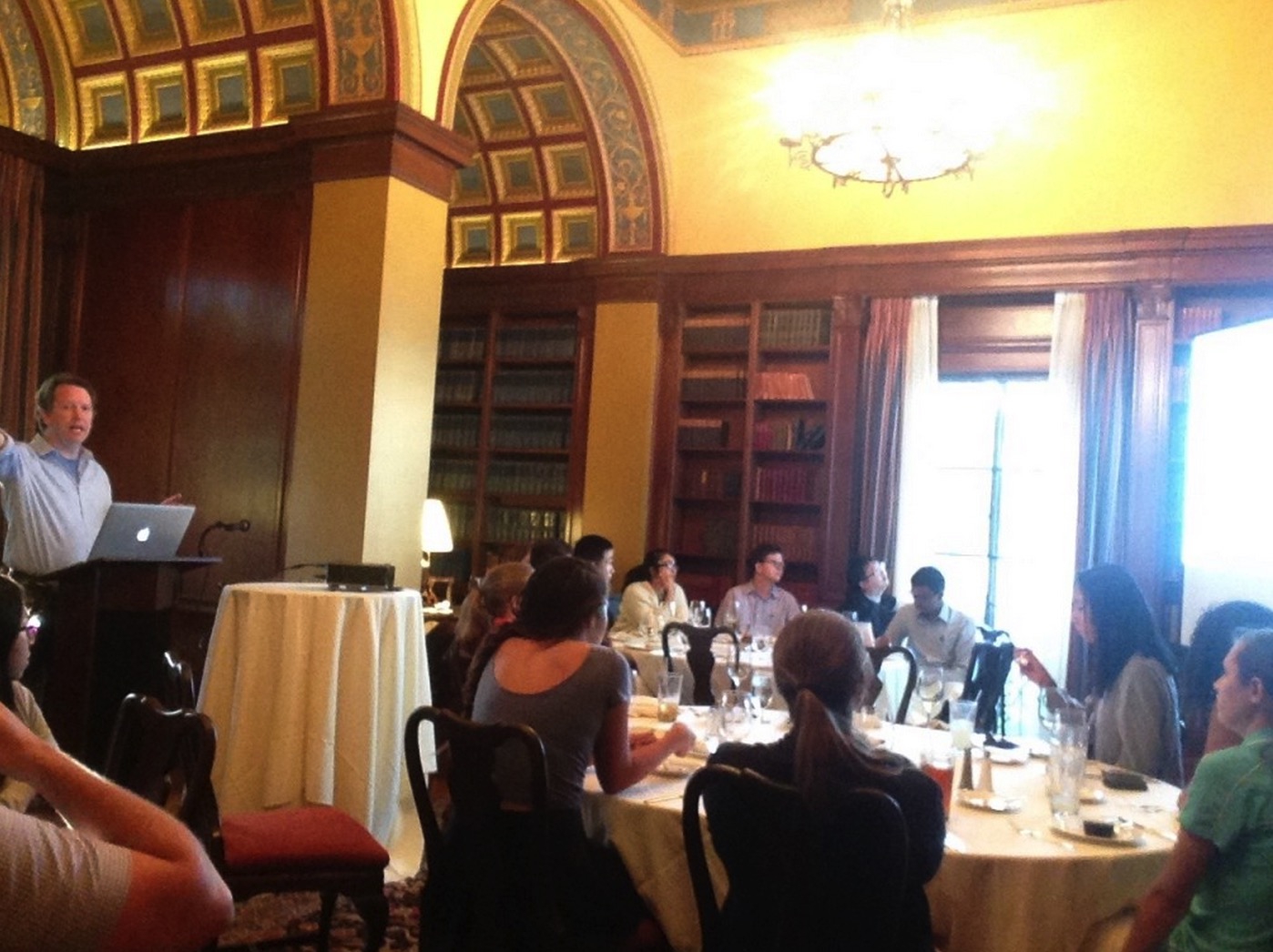
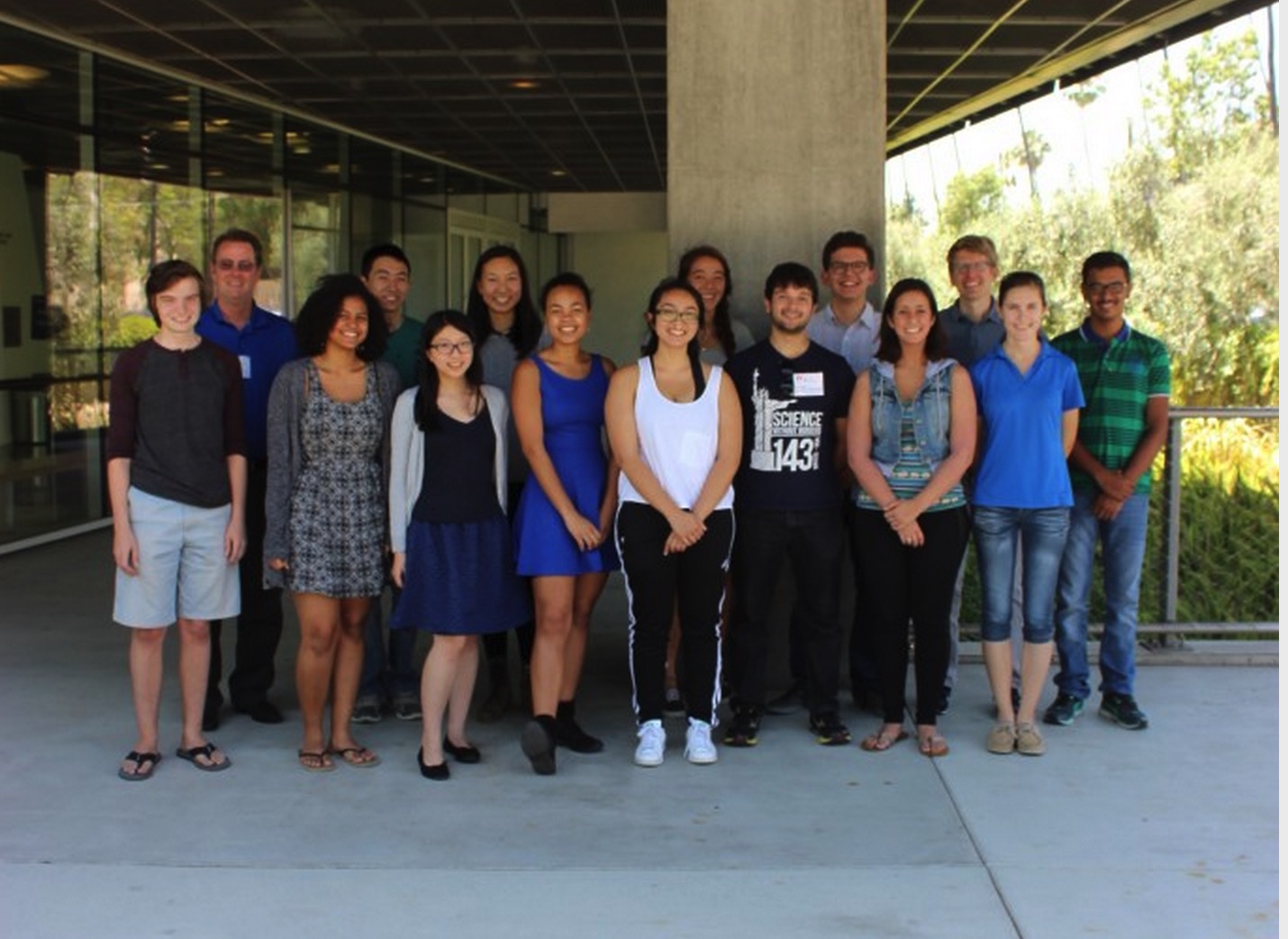
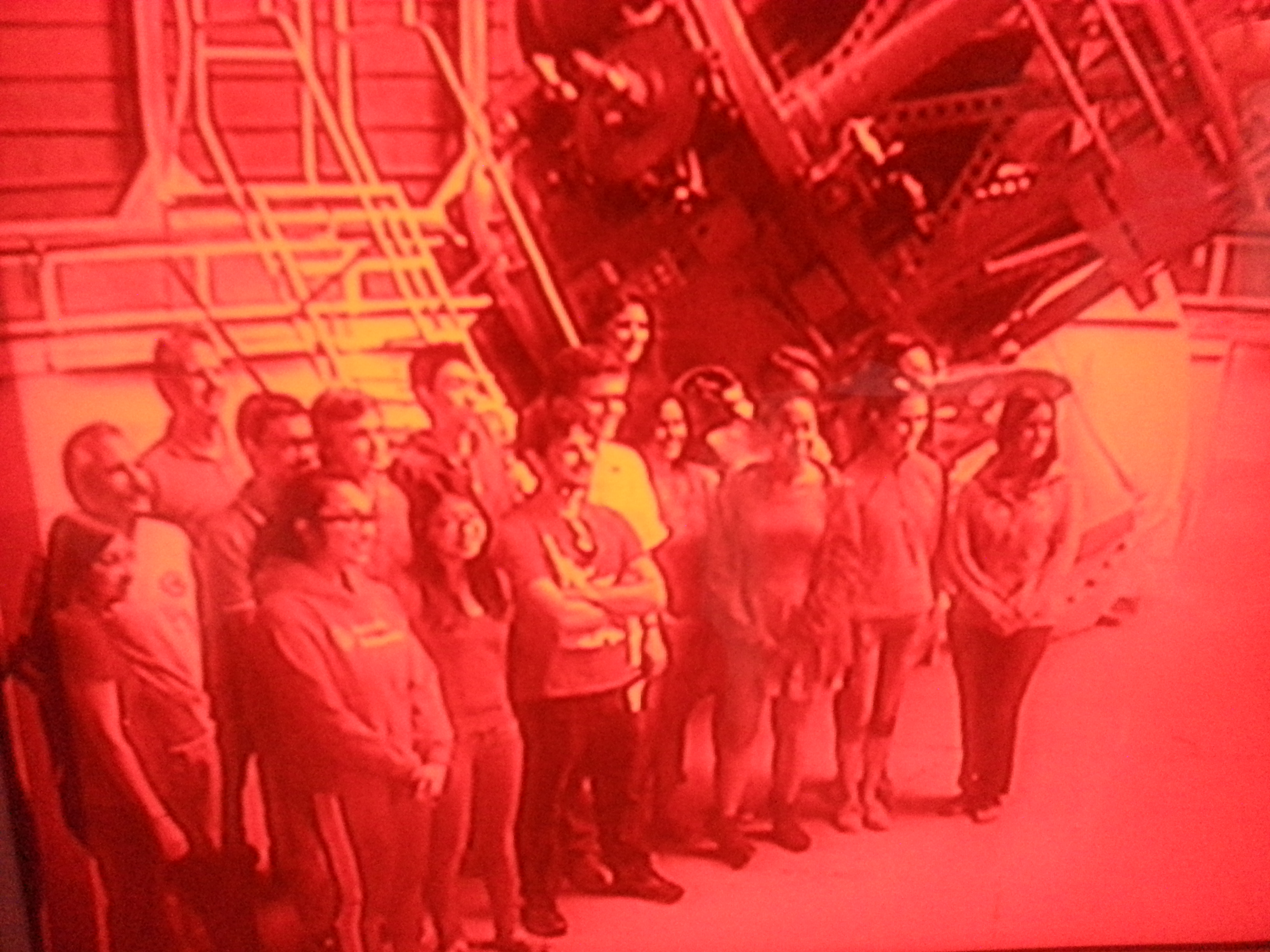
The institute was conducted on four days – June 24-27. It began at Caltech with two days of talks, lab tours, and lectures (with a visit to Mt. Wilson), followed by two days at Pomona College with hands-on observing, and the use of the brand-new planetarium facility at Pomona College. Our group included seven undergraduates working on SURF projects at Caltech, and seven students working on SURP programs from Pomona College. Highlights from the program included an opening dinner at the Atheneum, with a talk by Caltech author Sean Carroll (author of the new book “The Particle at the End of the Universe: How the Hunt for the Higgs Boson Leads Us to the Edge of a New World”), a night of visual observing with the Mt. Wilson 60” telescope, tours of Caltech instrument labs, and hands-on observing and data analysis clinics at Pomona College, and a night of observations at the Pomona College Brackett Observatory. A few days later we took the entire group up to Palomar Observatory, where we enjoyed a tour of the site, and got a chance to watch the 200″ telescope in action. It was an amazing experience!

More information on the program, the participants, and resources and datasets are provided on the web site for the program at http://ztf.commons.yale-nus.edu.sg/.

Below are some pictures from the program – which began this year in 2015 and will continue for four more years. Please email me if you have questions or would like to participate as an institution, or join our Undergraduate Astronomy Institute!


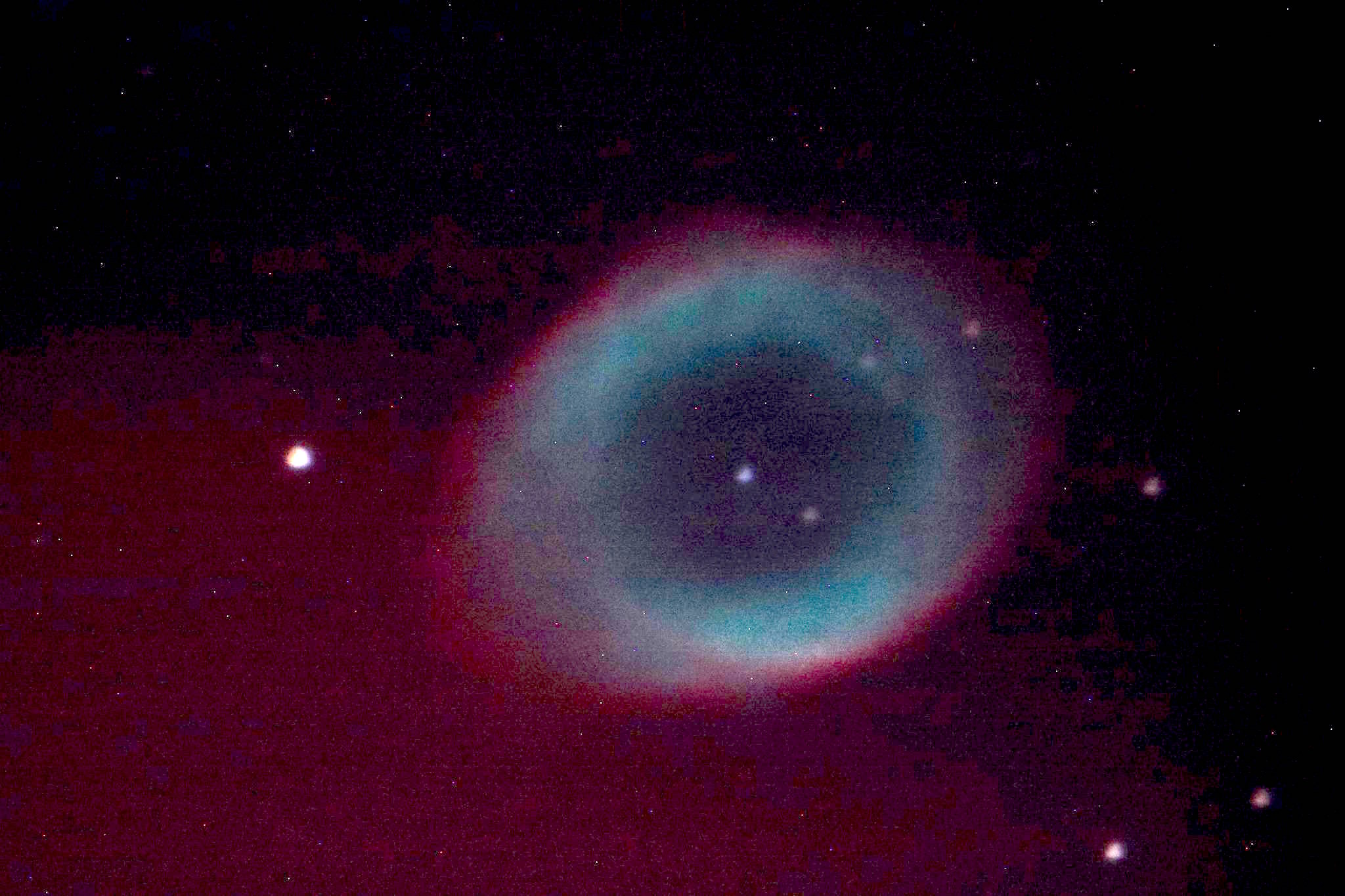
IMG_3583 IMG_3584 IMG_3608 IMG_3624 IMG_3668 IMG_3676 IMG_3681 IMG_3688 IMG_3700 IMG_9902 IMG_9972 IMG_9985 group.photo.at.pomona group.lunch.at.caltech group.at.mtwilson.mypic group.at.mtwilsonagain group.at.mtwilson.again2 group.at.caltech.again2 group.photo.mt.wilson.infrared group.photo.mt.wilson maya.kulkarni.ring.nebula

Harvard Global Dialog on Liberal Arts and Sciences, Shanghai, China

On May 20-21, 2015, I attended a fascinating meeting entitled the “Global Dialog on Liberal Arts and Science Education” at the Harvard Center, Shanghai, China. The meeting included leaders from across Asia, and North American, as well as a very interesting cross section of European leaders. It was striking to compare their notions of 21st century education – a buzzword used in many different institutions, but having very different meanings in different cultural contexts. The educational discussion seemed to center on a set of “virtues” which in ancient Chinese tradition is known as the “Great Learning.”  The qualities needed for an educated person in 2015 are not completely different from those virtues identified in ancient China, and these qualities seem well developed within the form of education known as “Liberal Arts and Sciences.”  Making students competent to navigate between diverse cultures and disciplines, developing graduates who are creative and inventive to help solve the problems of their generation, and equipping them to be capable of managing the explosion of information and ambiguity from a surplus of information are all core missions of higher education today, and the leaders gathered offered perspectives from new liberal arts programs in China, Japan, India, and in Europe. The new concept of a University College of Liberal Arts and Science seems to be taking root within many countries in Europe, especially in the Netherlands and the UK. It was refreshing and interesting to hear perspectives from the University of Amsterdam, University College London and Warwick University, alongside the best universities within Asia. Our Yale-NUS College was represented by Pericles Lewis, President, who gave a great talk about the qualities of an educated person described by Confucious, which recognized that “the gentleman is not a vessel” and that such educated people need to be of “broad spirit” and “intellectually agile.” Pericles Lewis also discussed a “fusion of horizons” which incorporates a range of visions that are seen from a particular location. In all the educational institution should be designed to foster “conversation, character, and community,” according to Lewis.  My role was to learn all I could about the proliferation of interest and new models of higher education that incorporate interdisciplinary and liberal arts principles. I also presented a paper on the liberal arts in India, based on my three years working to build a community within the Liberal Arts and Sciences in India.  A link to my paper, entitled “New Liberal Arts and Science Institutions in India and Singapore – the role of STEM Education” is below – and I would appreciate any thoughts or comments!  The paper should be published in a forthcoming volume of papers presented at the Harvard Center conference.

global.liberal.arts.dialog.paper.by.penprase.APA

bep.at.china.conference


bep.at.china2