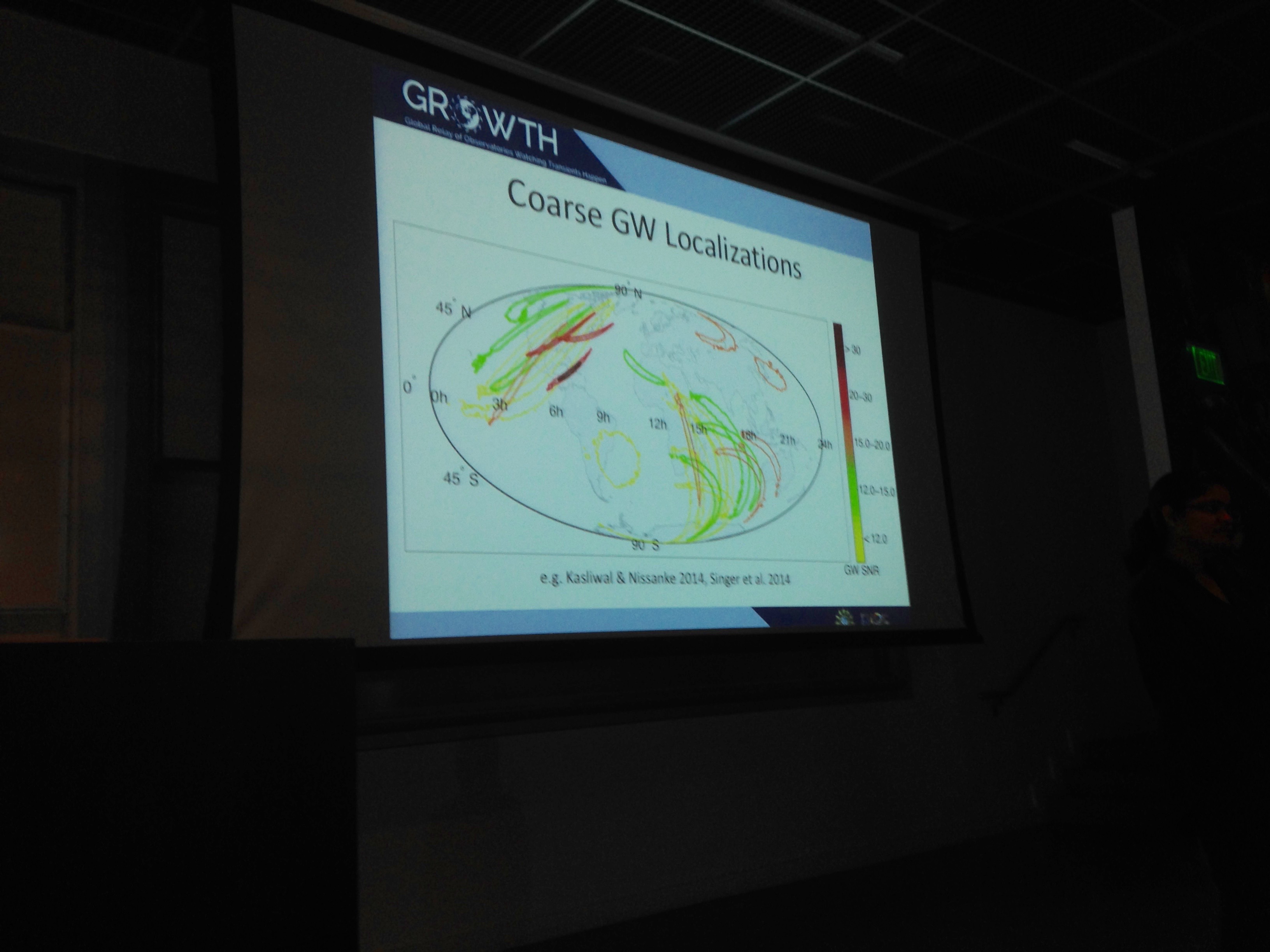
New Research with the Indian AstroSat and Chilean telescopes

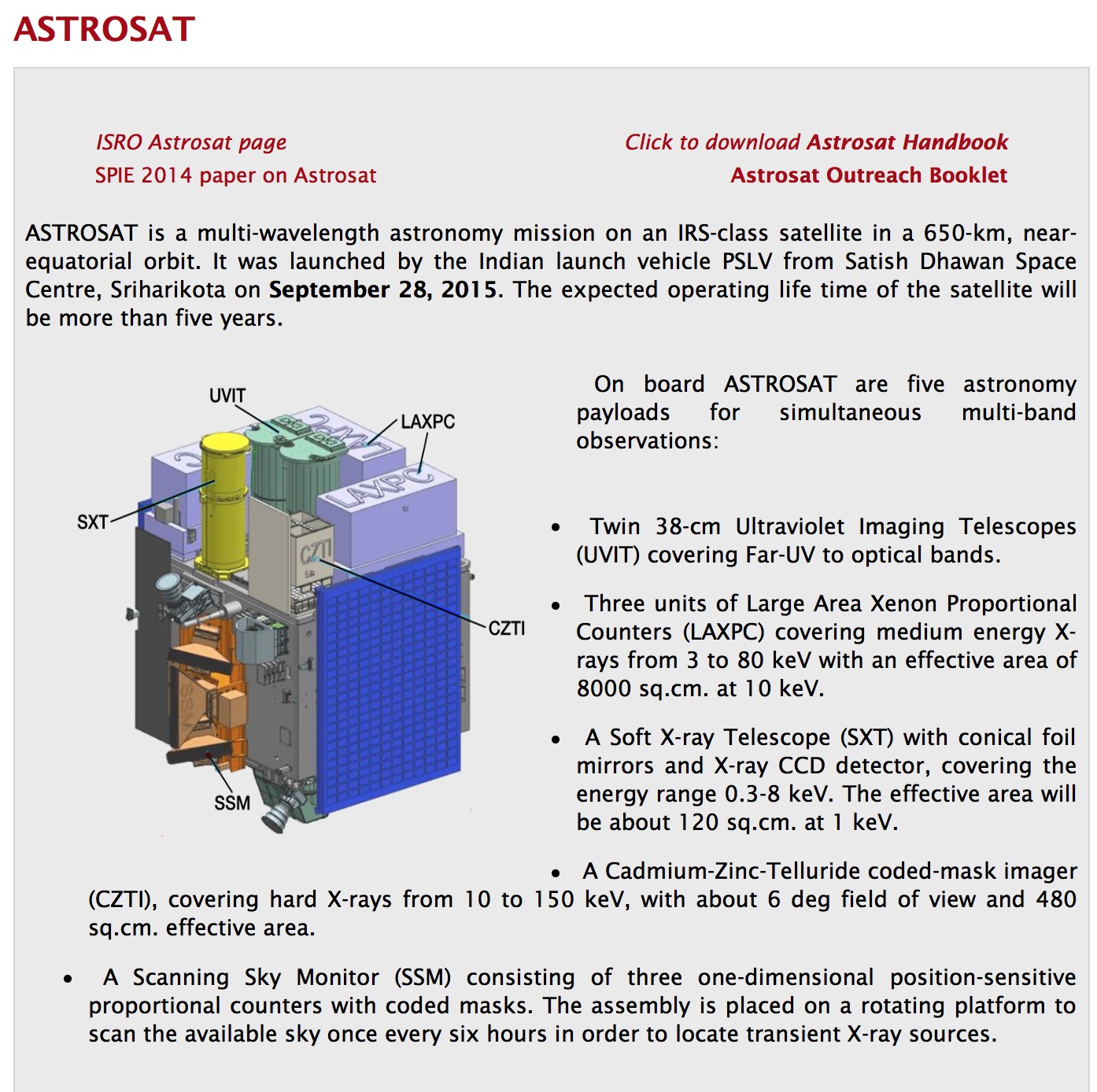
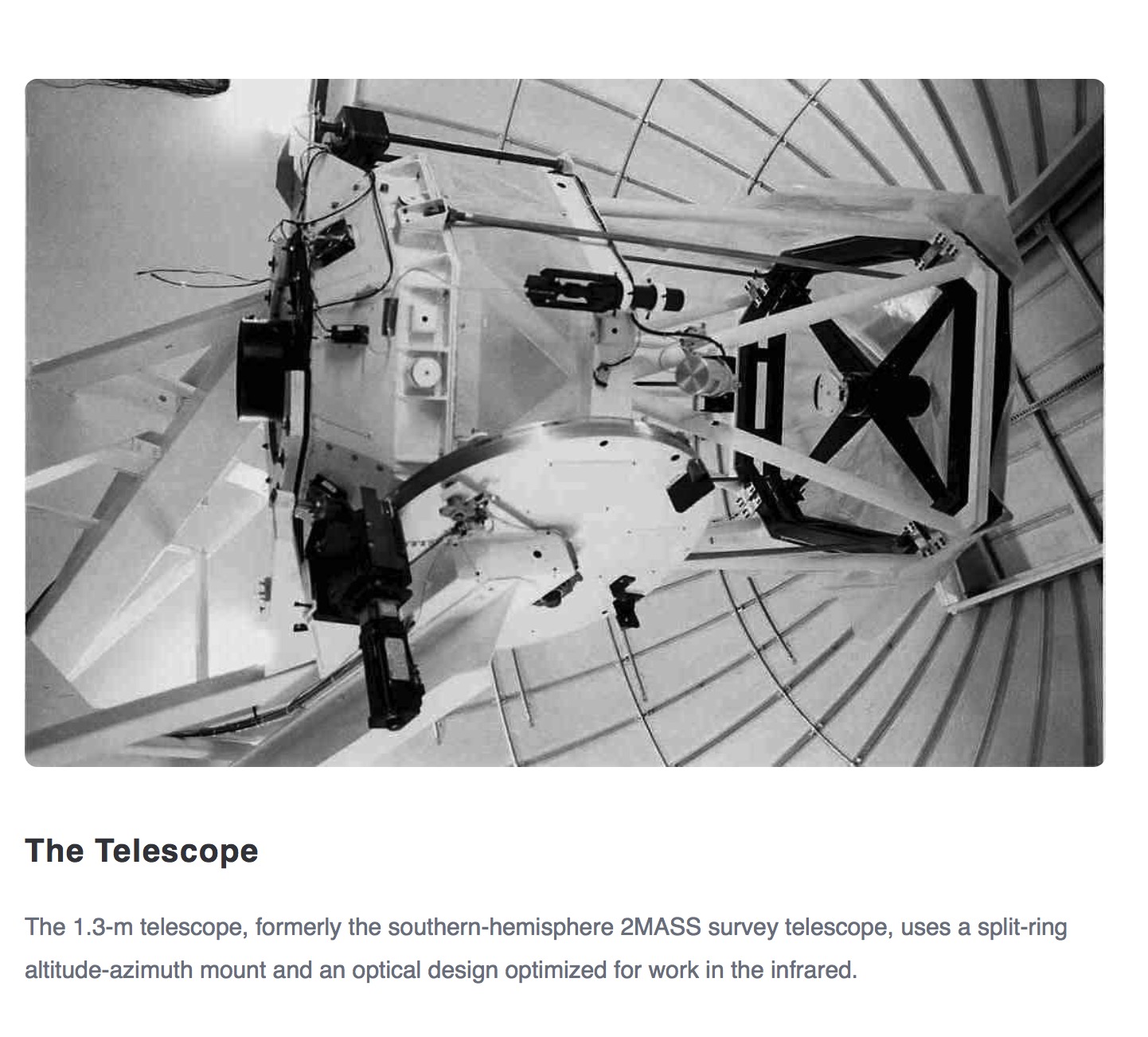
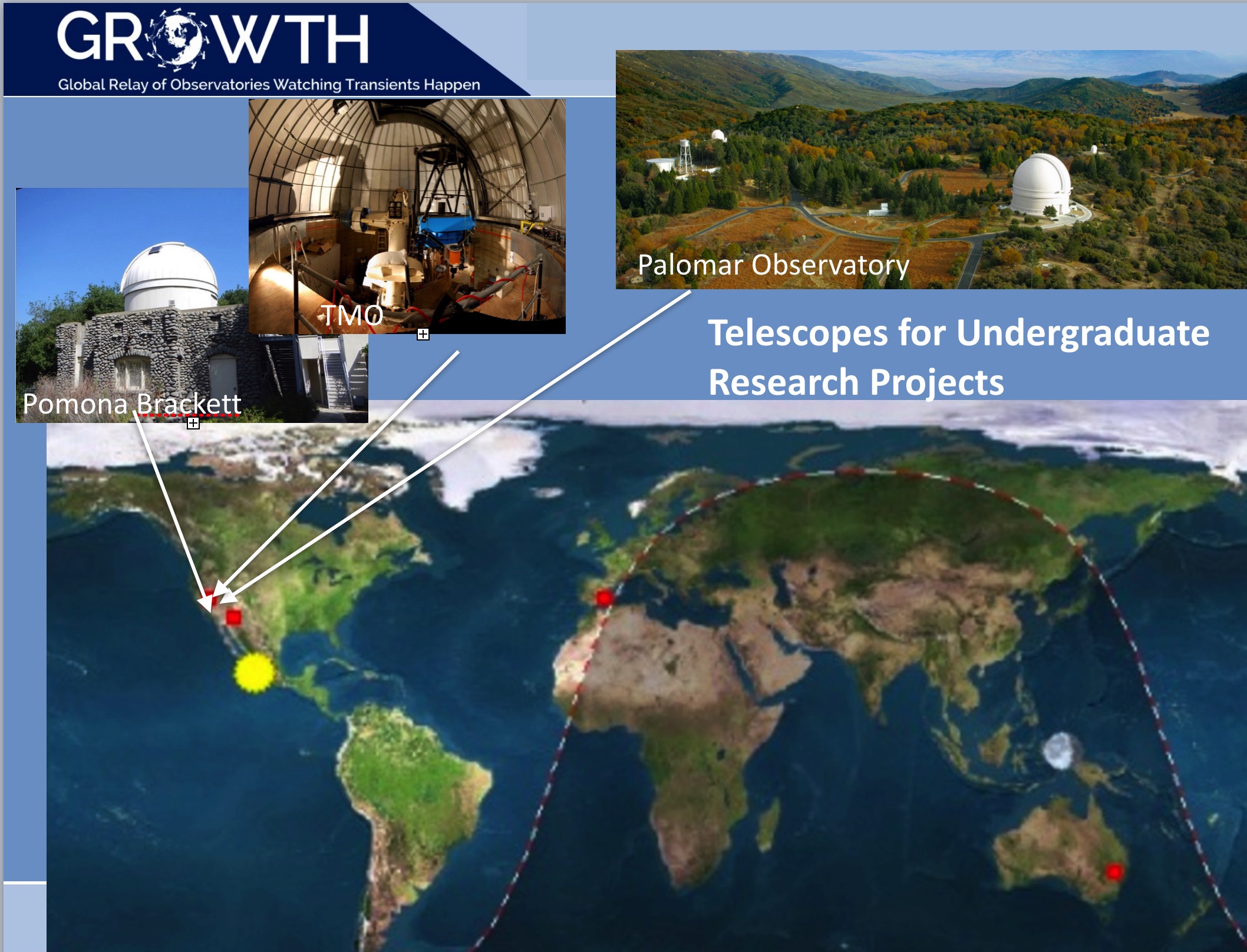
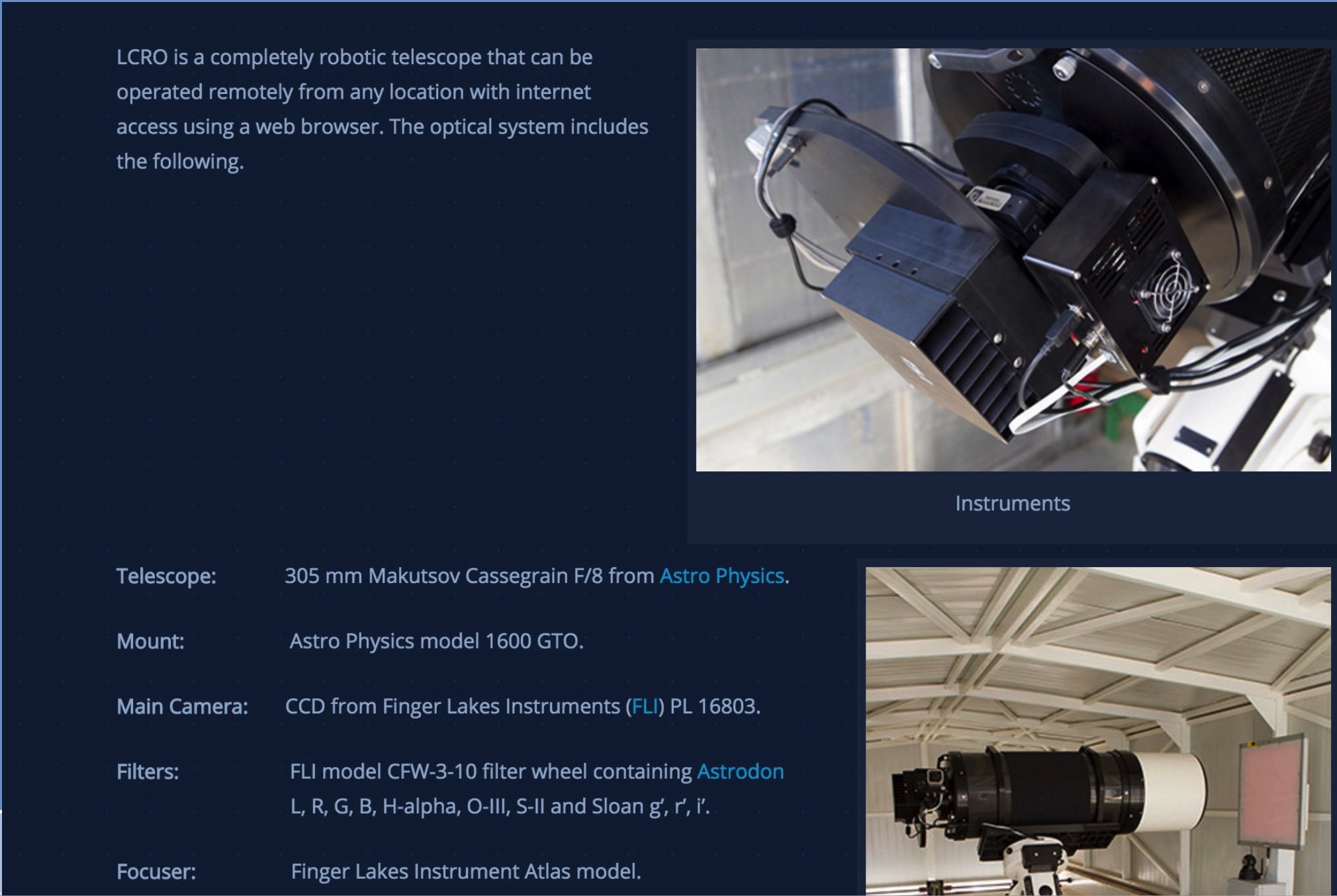
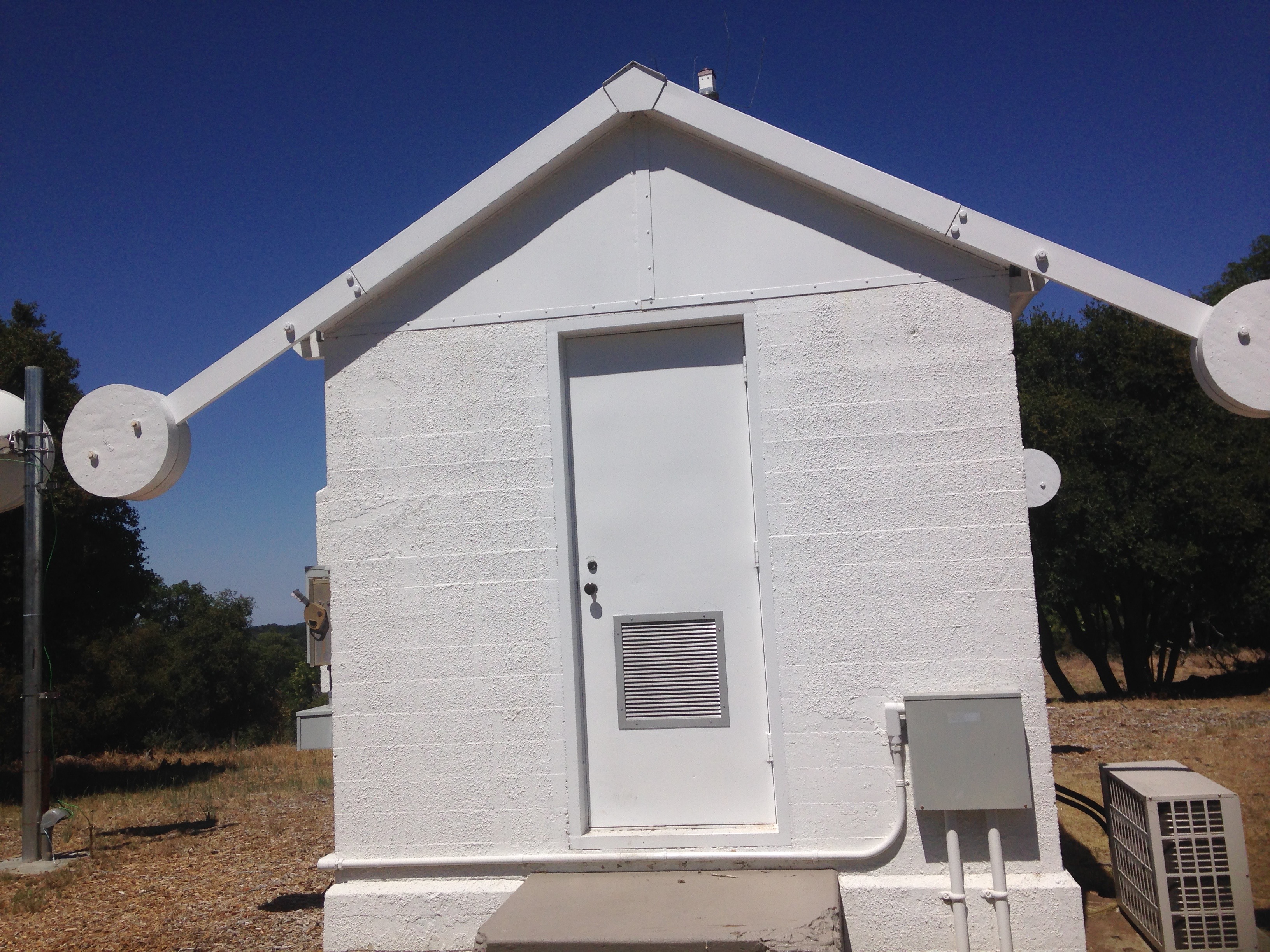
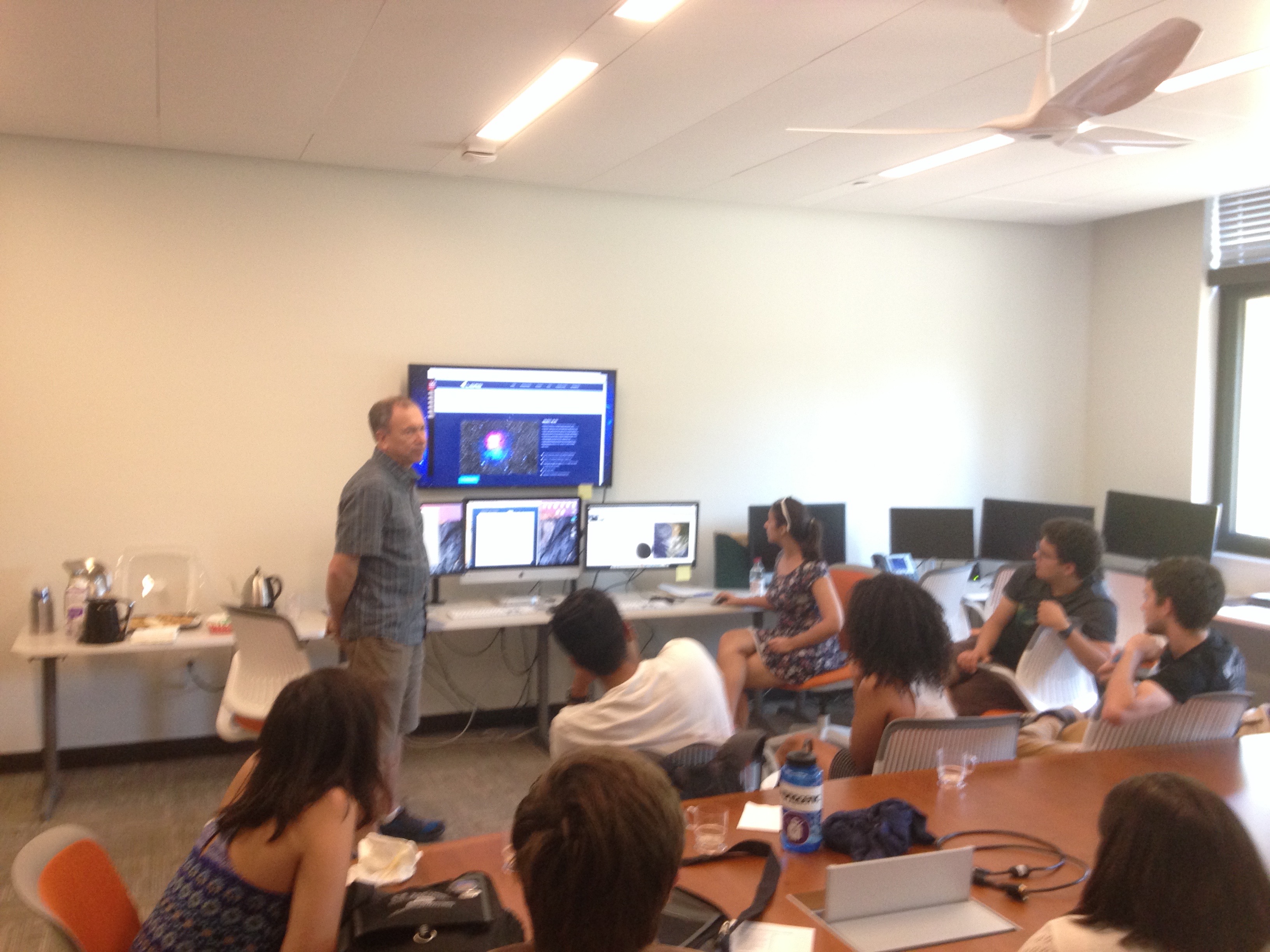
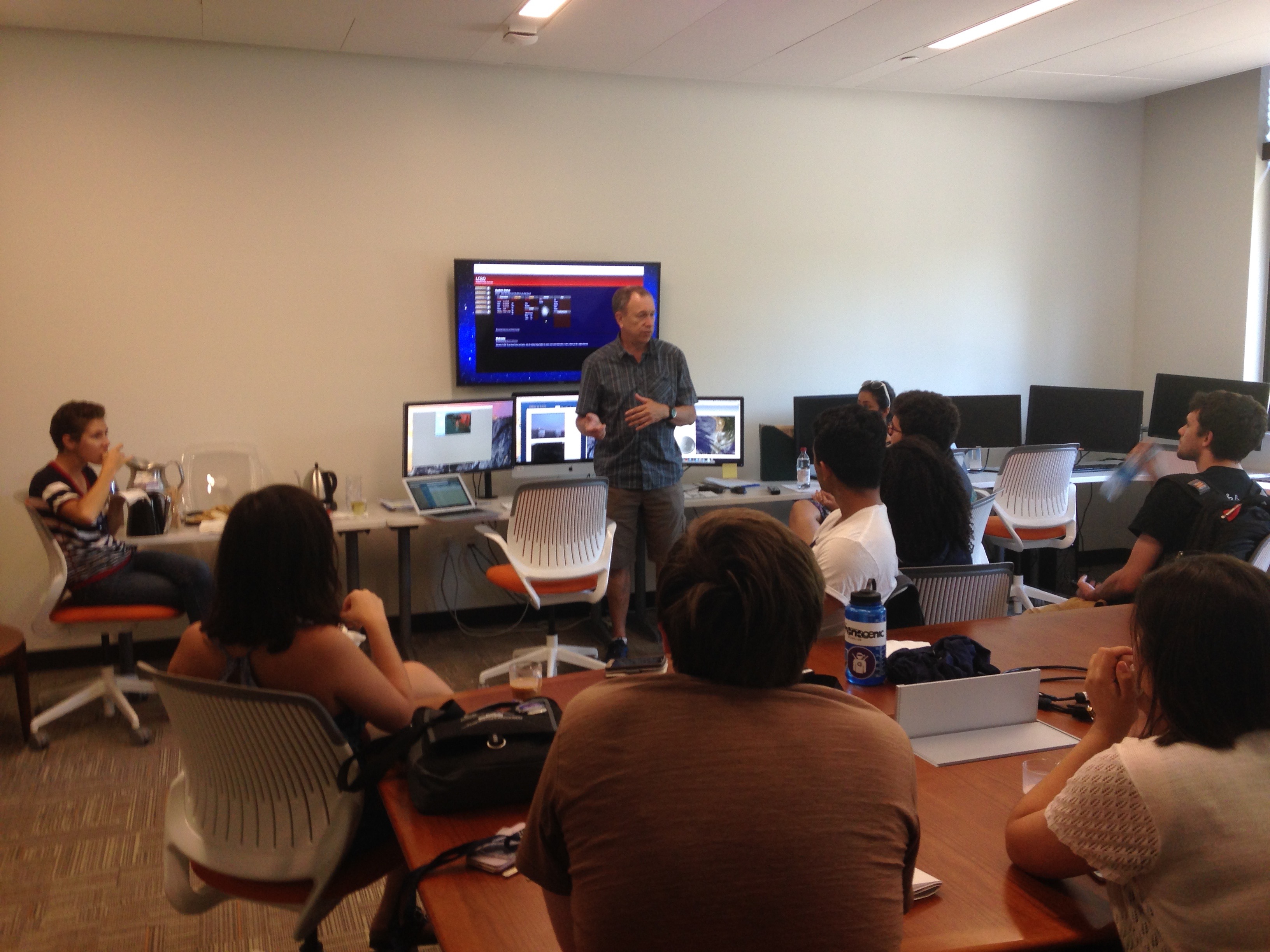
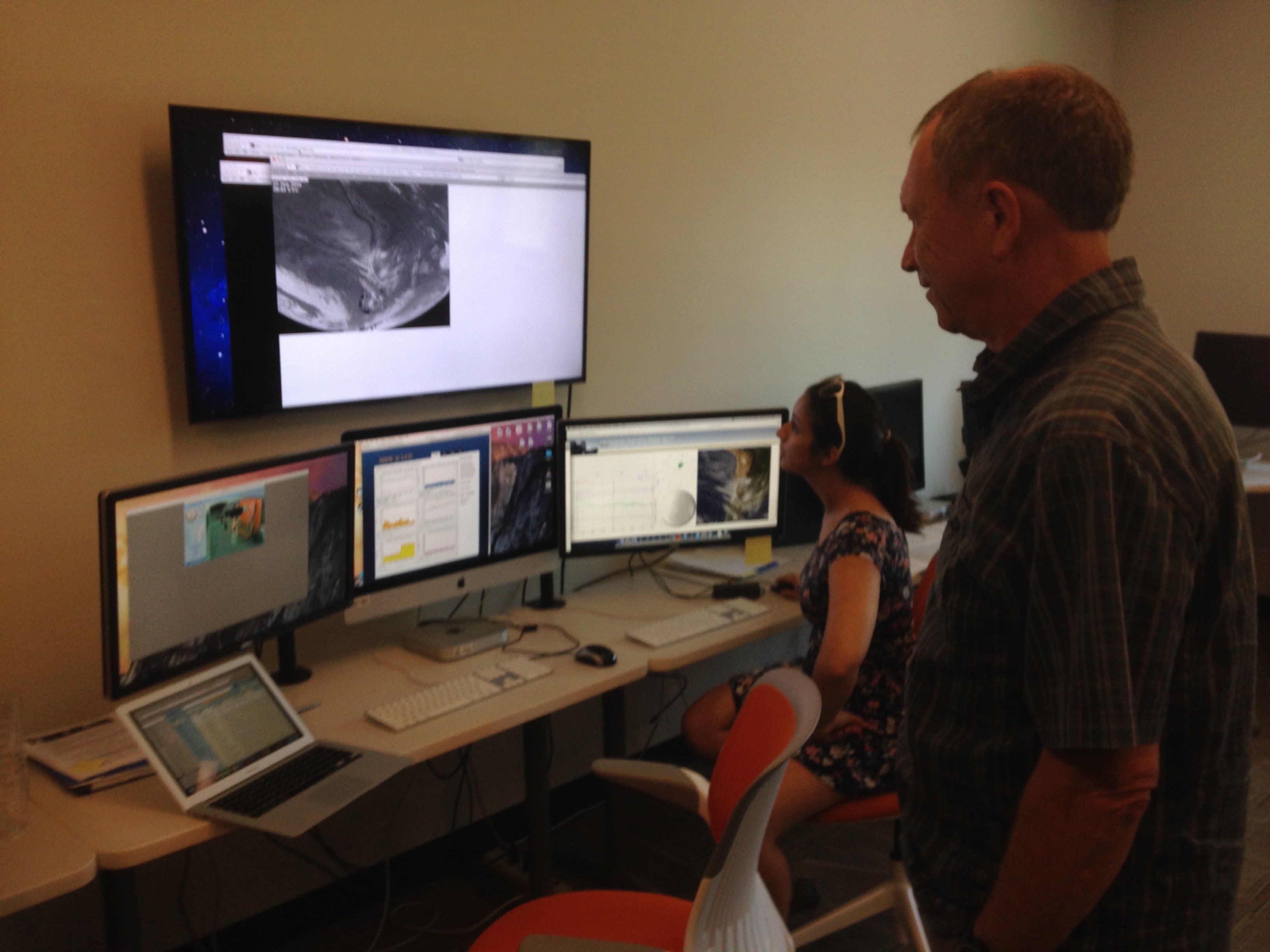
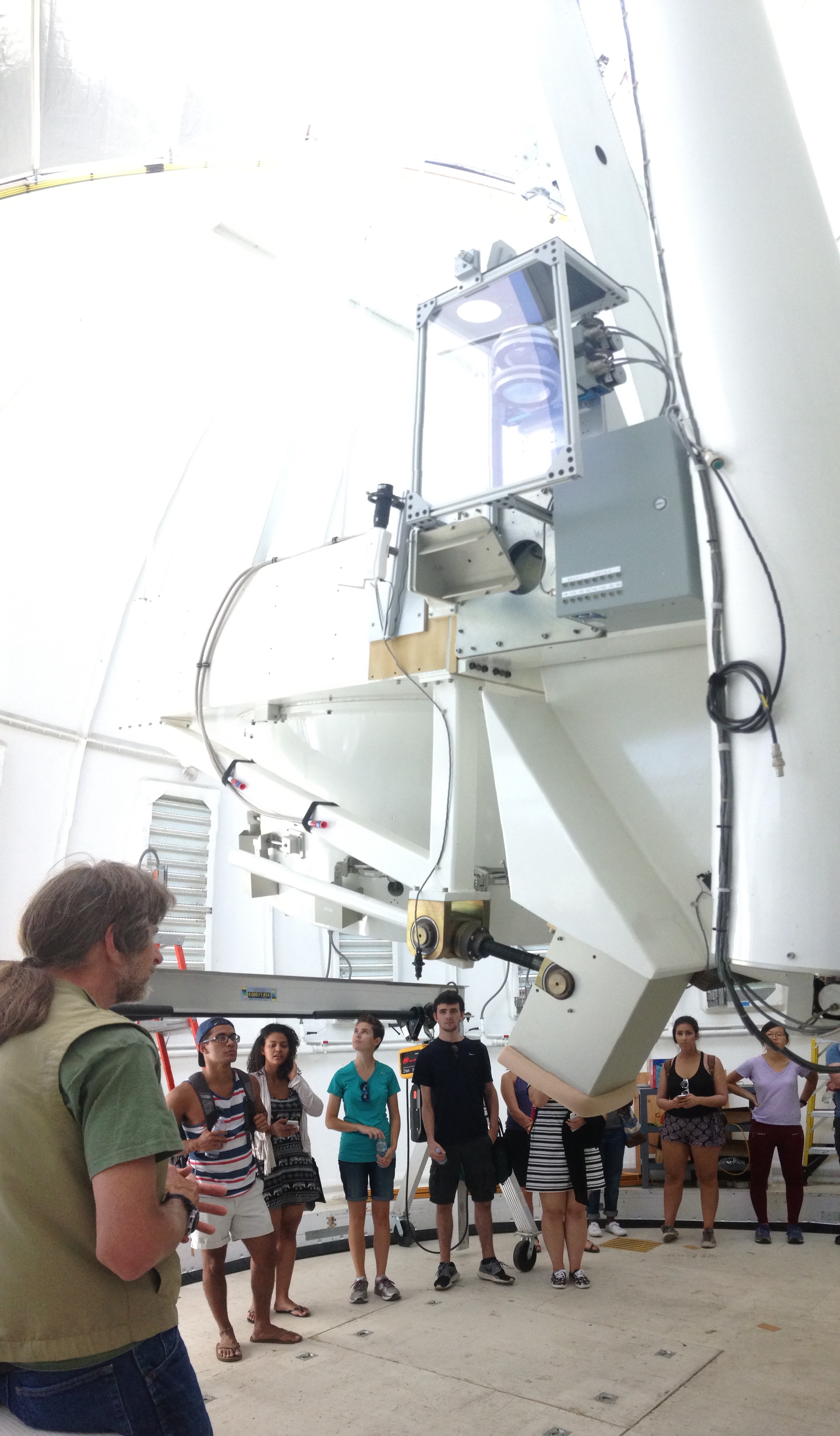
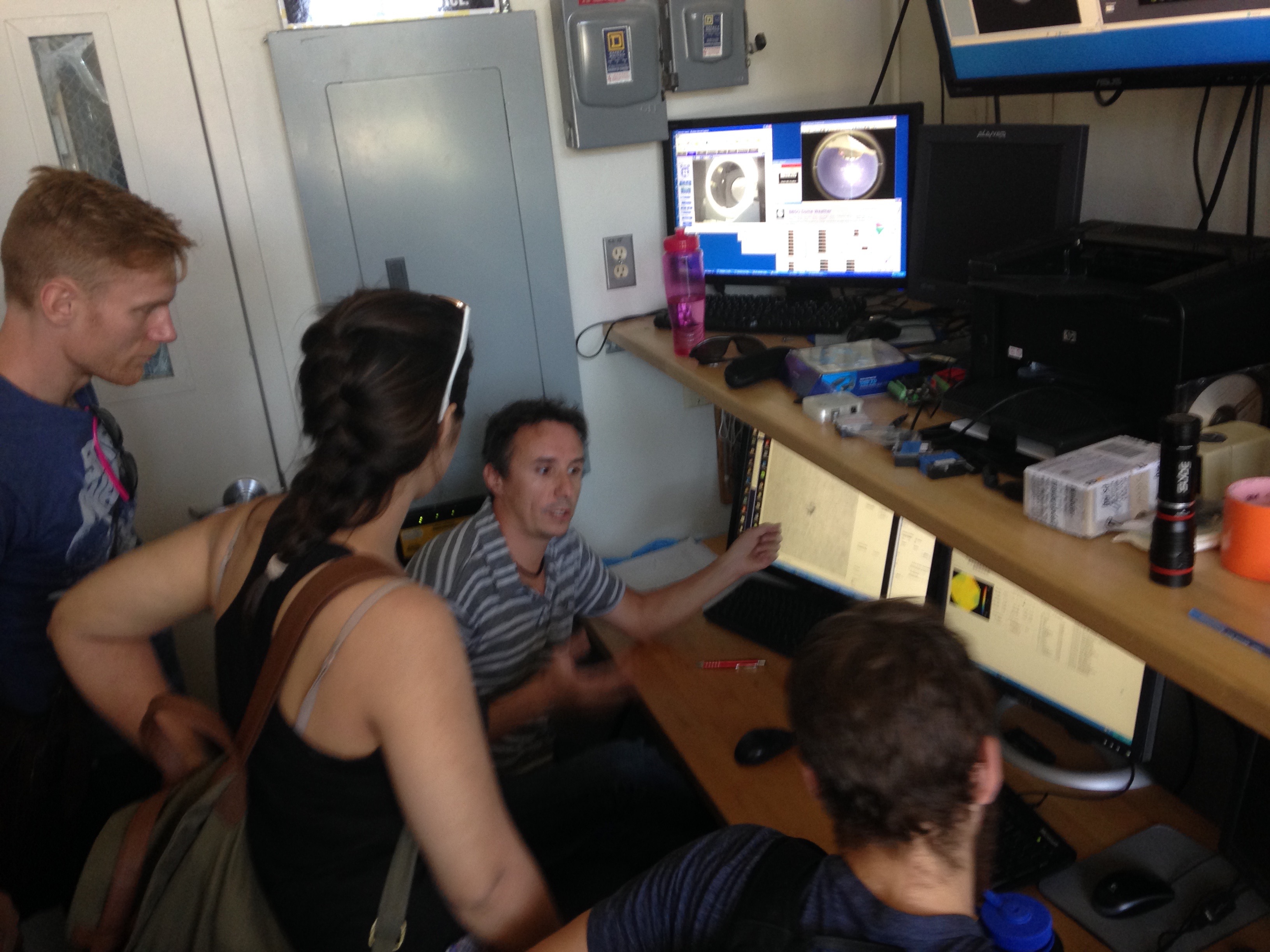
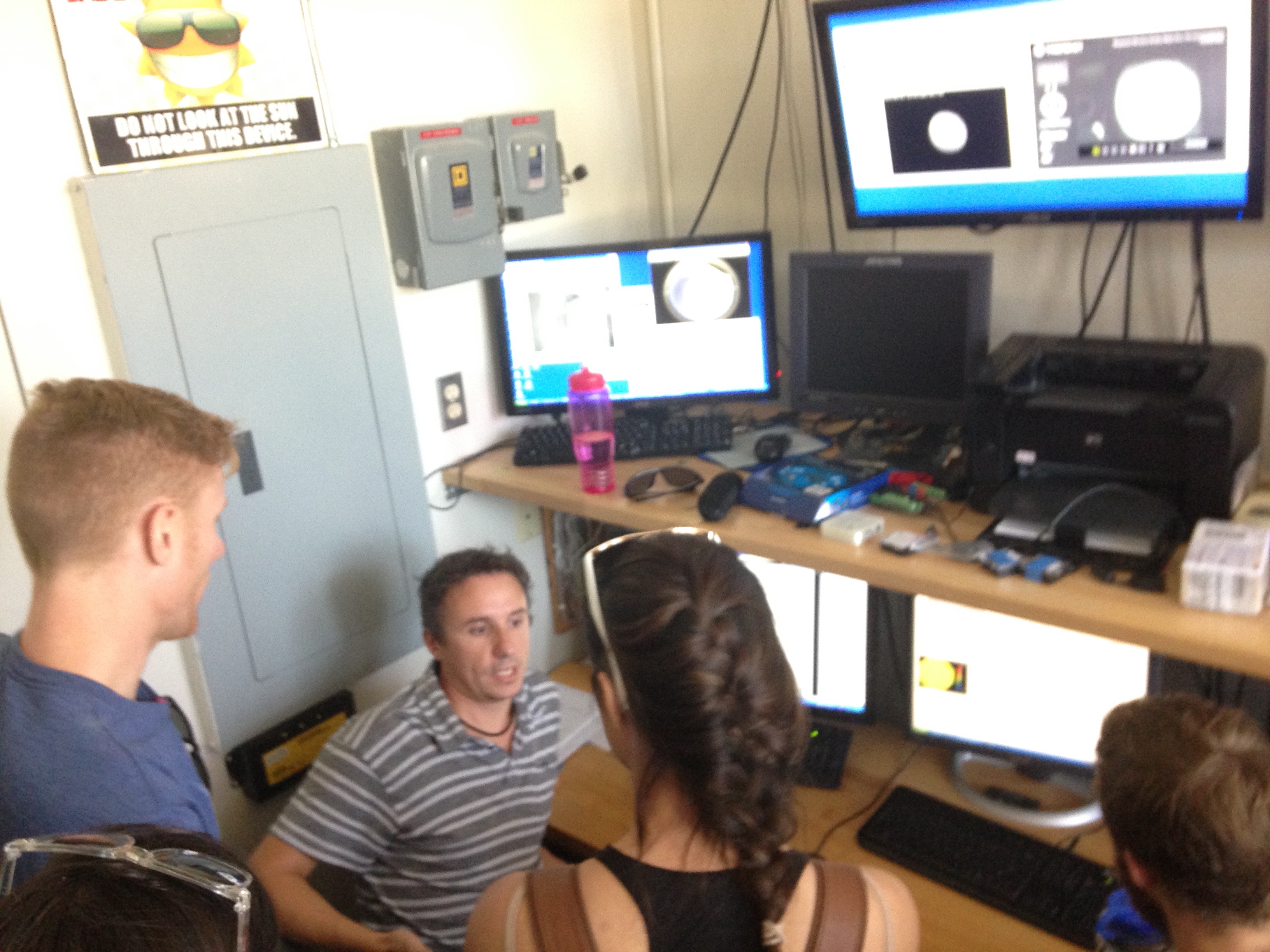
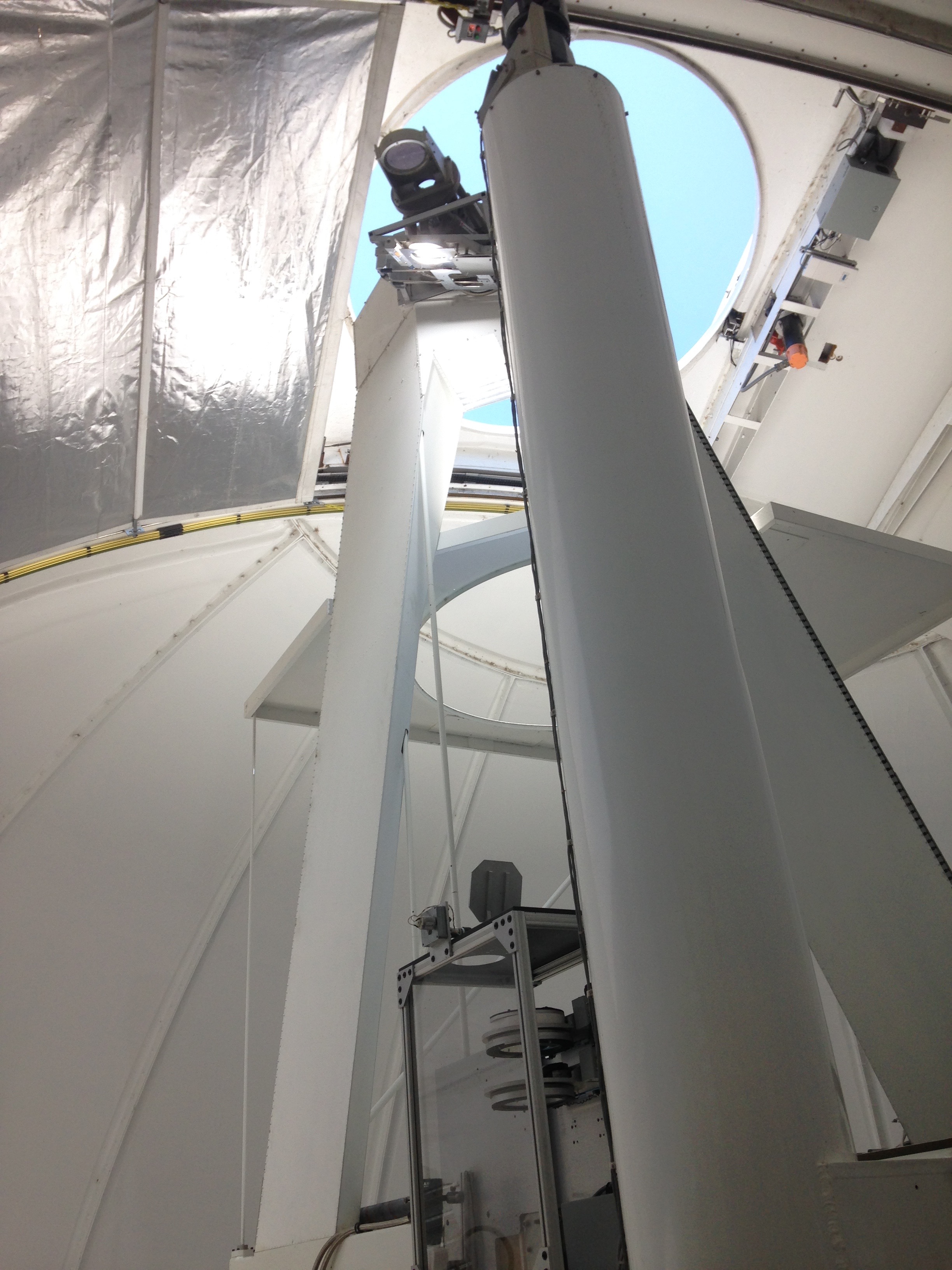
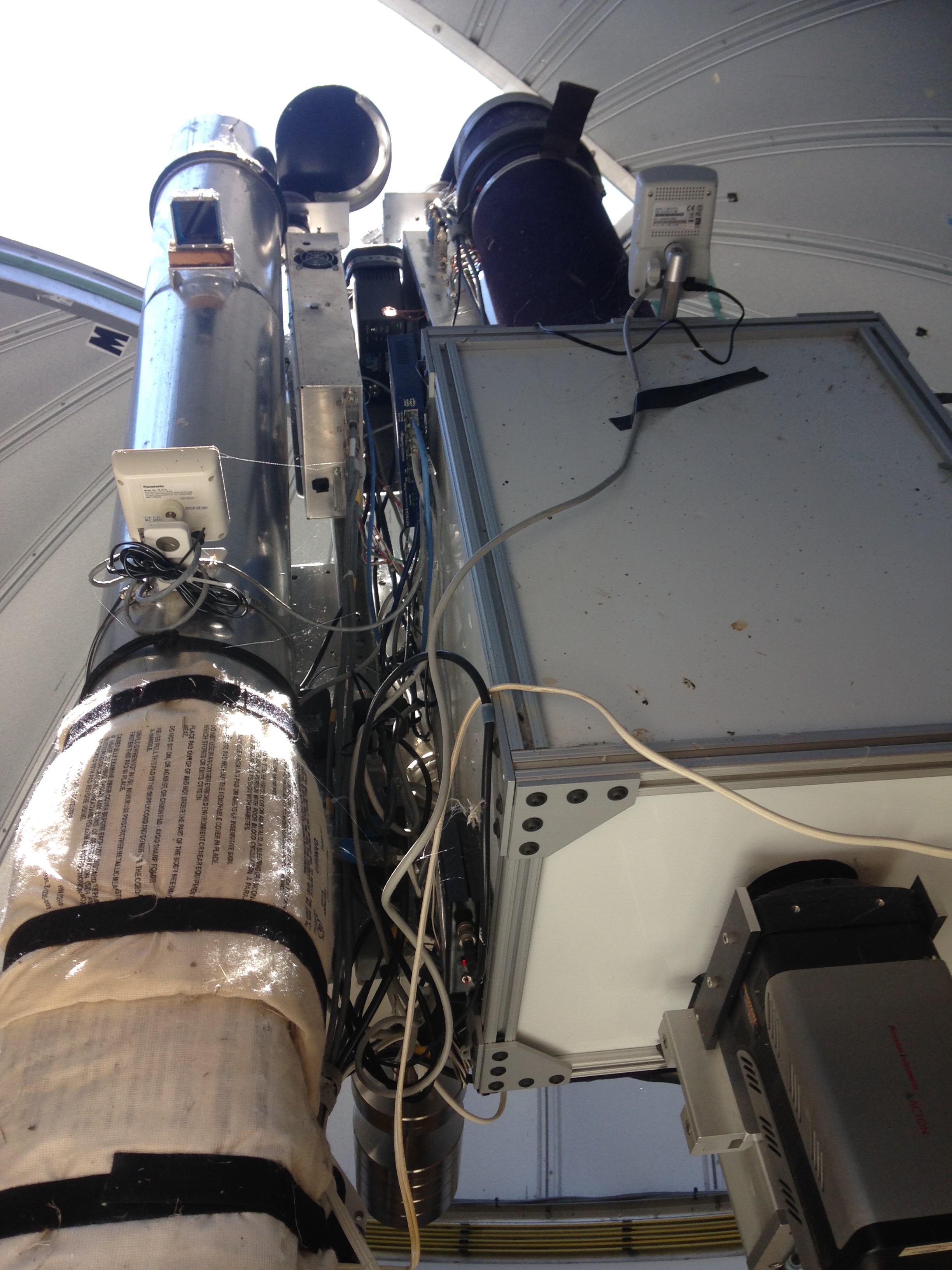
As part of my summer research program, I have begun a collaboration with Varun Bhalero of IUCAA, the premier astrophysics organization in India, to combine the telescopes available to me from Yale-NUS with new observations from India’s first space telescope known as AstroSAT. AstroSat features a powerful suite of instruments and can image the sky in x-rays and ultraviolet light. My work, conducted using telescopes in Chile, combines the observations of high-energy photons emerging from galaxies, neutron stars, and black holes, with ground-based observations in the optical and infrared. Our GROWTH international summer research fellow, Gabi Mehta (Pomona, ’18) is helping develop these new observing programs with me, along with Silvia Lara (Yale-NUS, ’18). For our first projects we hope to monitor some compact x-ray emitting sources such as Cygnus X-1 with both ground and space-based observations. Hopefully this research will enable more detailed models of the environments surrounding black holes, neutron stars, and erupting “active” galaxies, and also provide new information useful for studying the physics of merging black holes and neutron stars.  Below are some links to information on AstroSAT and some pictures of our remotely operated 1.3-meter telescope in Chile and the smaller 0.3-meter LCRO telescope. For this project (and some educational work) I am also acquiring blocks of telescope time using the PROMPT telescopes in Chile, and additional telescopes in Australia. This network is named Skynet – and is run by Dan Reichert at University of North Carolina. I am looking forward to harnessing some of these small telescopes for research and bringing our students into new astronomy work that forwards the research of AstroSAT!


screenshot_2822

screenshot_2817

screenshot_2821

screenshot_2823


Las Campanas Remote Observatory and Remote Telescopes

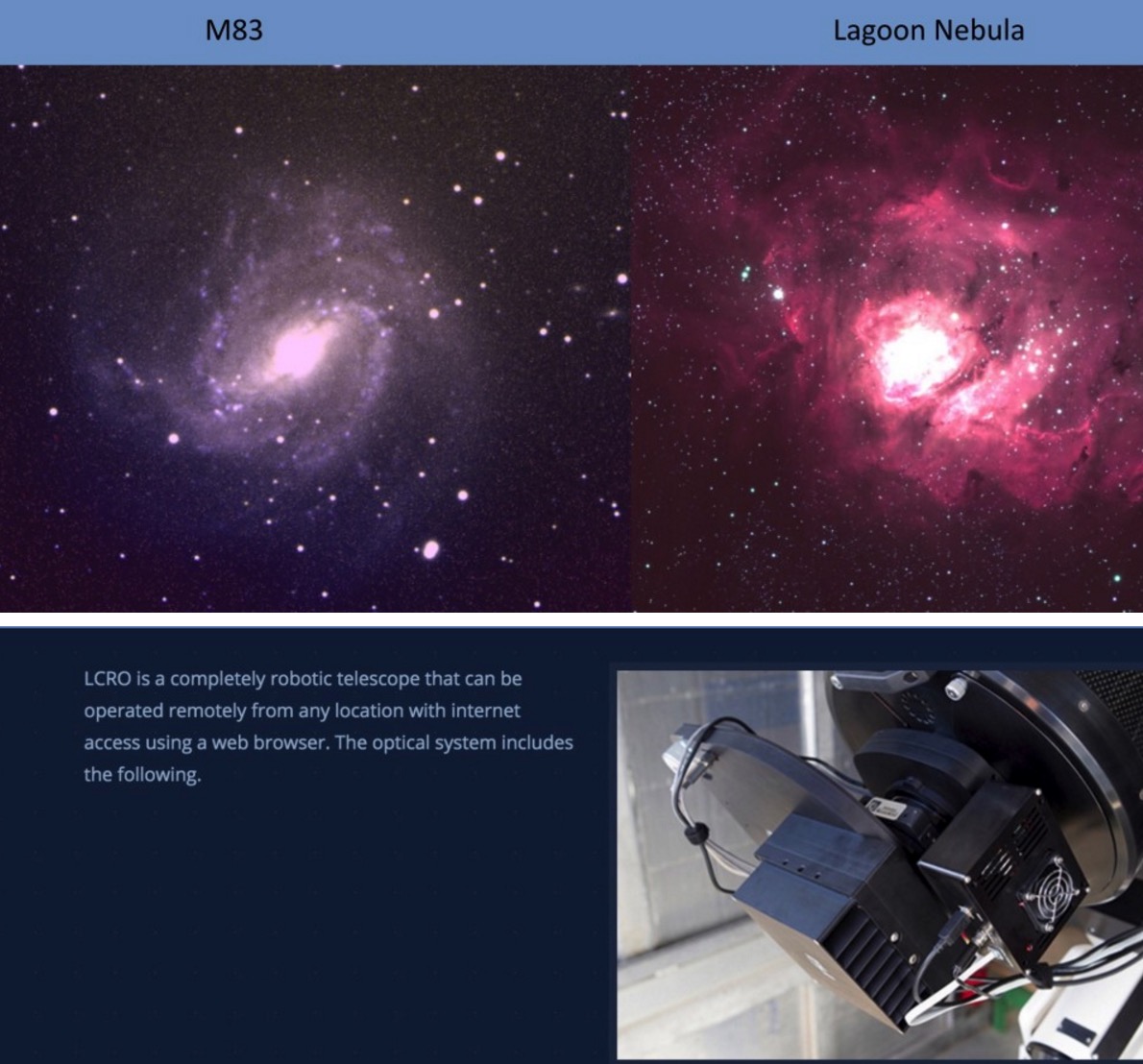
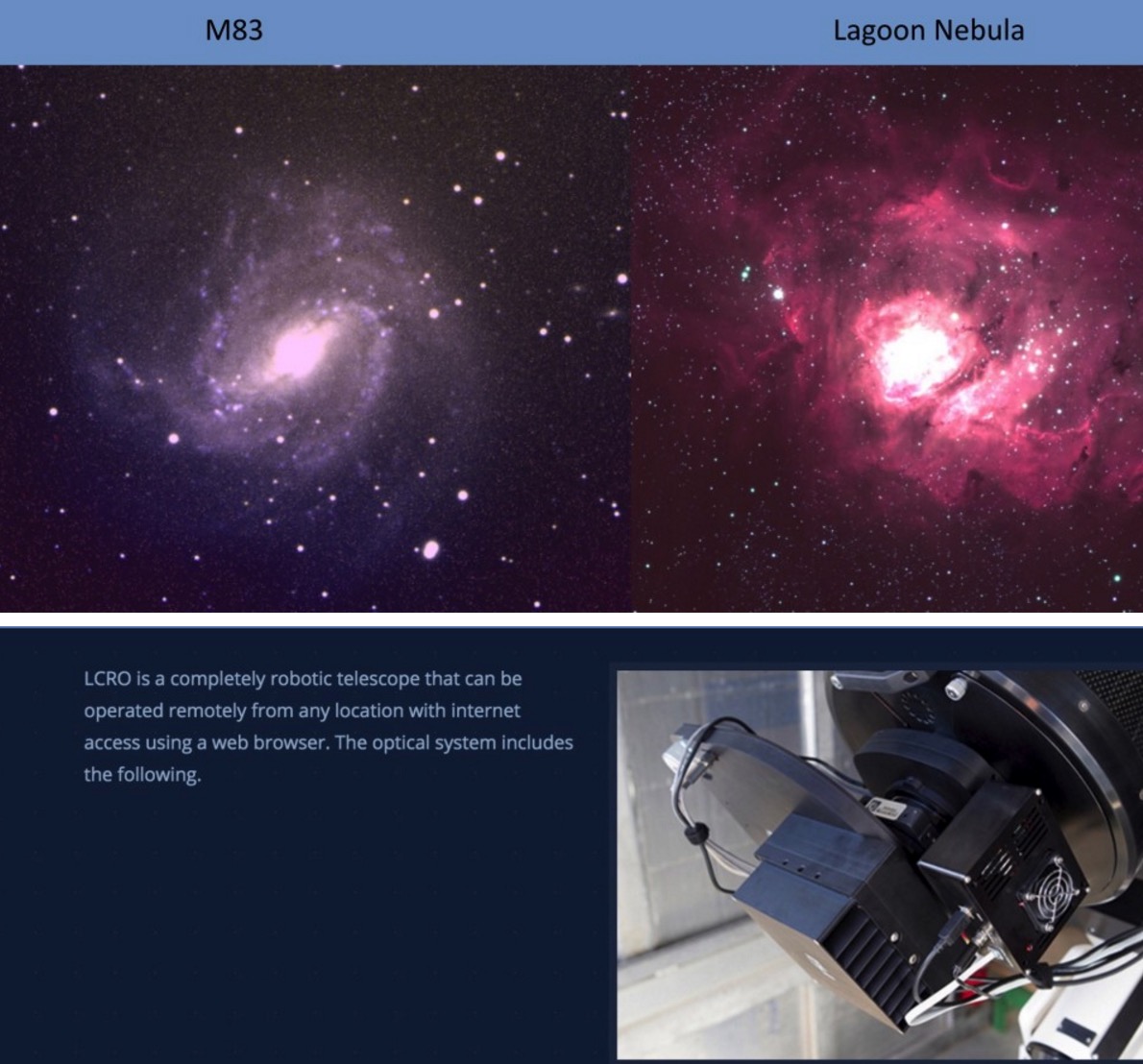
This summer has been the summer of remote telescopes!  This summer we have begun some tests using the fantastic Las Campanas Remote Observatory (LCRO), developed by Mike Long, Dave Jurasevich, and his friends at Carnegie Observatories at the best observing site at Earth, Las Campanas, Chile. It is hard to imagine the clarity and depth of the Chilean skies – which at Las Campanas offer the best views of space from the ground. The conditions are usually dry and clear and the “seeing” – defined as the sharpness with which you can focus star images – is unmatched by any other site. The LCRO is a 0.3-meter telescope on this site, and can be controlled and operated anywhere on earth using the software known as ACP. This telescope is equipped with a fantastic suite of filters and a great CCD camera. Its tracking abilities enable it to capture images of very faint objects – galaxies, nebulae and distant star clusters – through long exposures with its electronic camera. This summer I began using the telescope, in consultation with Mike, and in collaboration with my students Gabi Mehta (Pomona) and Silvia Lara (Yale-NUS College). The students were able to get some beautiful images of the galaxy M83 and the Lagoon Nebula (below), and also to test some new research programs which include monitoring of variable stars within large star clusters, deep imaging of SDSS galaxies with radio observations, and exoplanet transits. The first datasets are being analyzed and we look forward to regularly using this fantastic telescope with our undergraduates in the course projects and research!


Links of interest for LCRO information:


Below are some images of remotely operable telescopes – as part of emergent GROWTH educational initiative at Caltech. Note the beautiful images of M83 and the Lagoon nebula – taken by our student Gabi Mehta, GROWTH undergraduate fellow, and Pomona College junior physics major.

screenshot_2820

screenshot_2817screenshot_2819 screenshot_2818

screenshot_2821


Palomar Observatory Observing

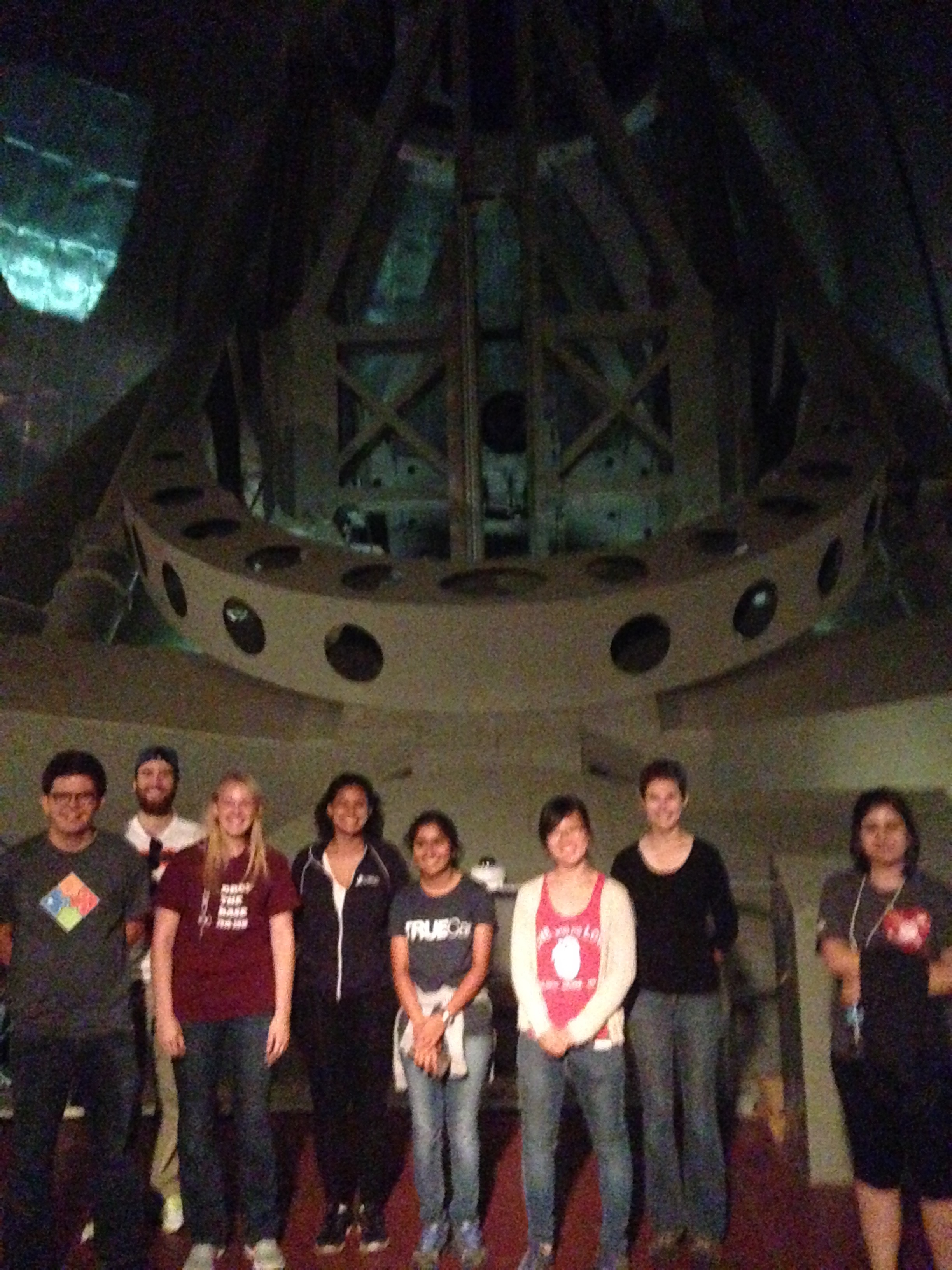
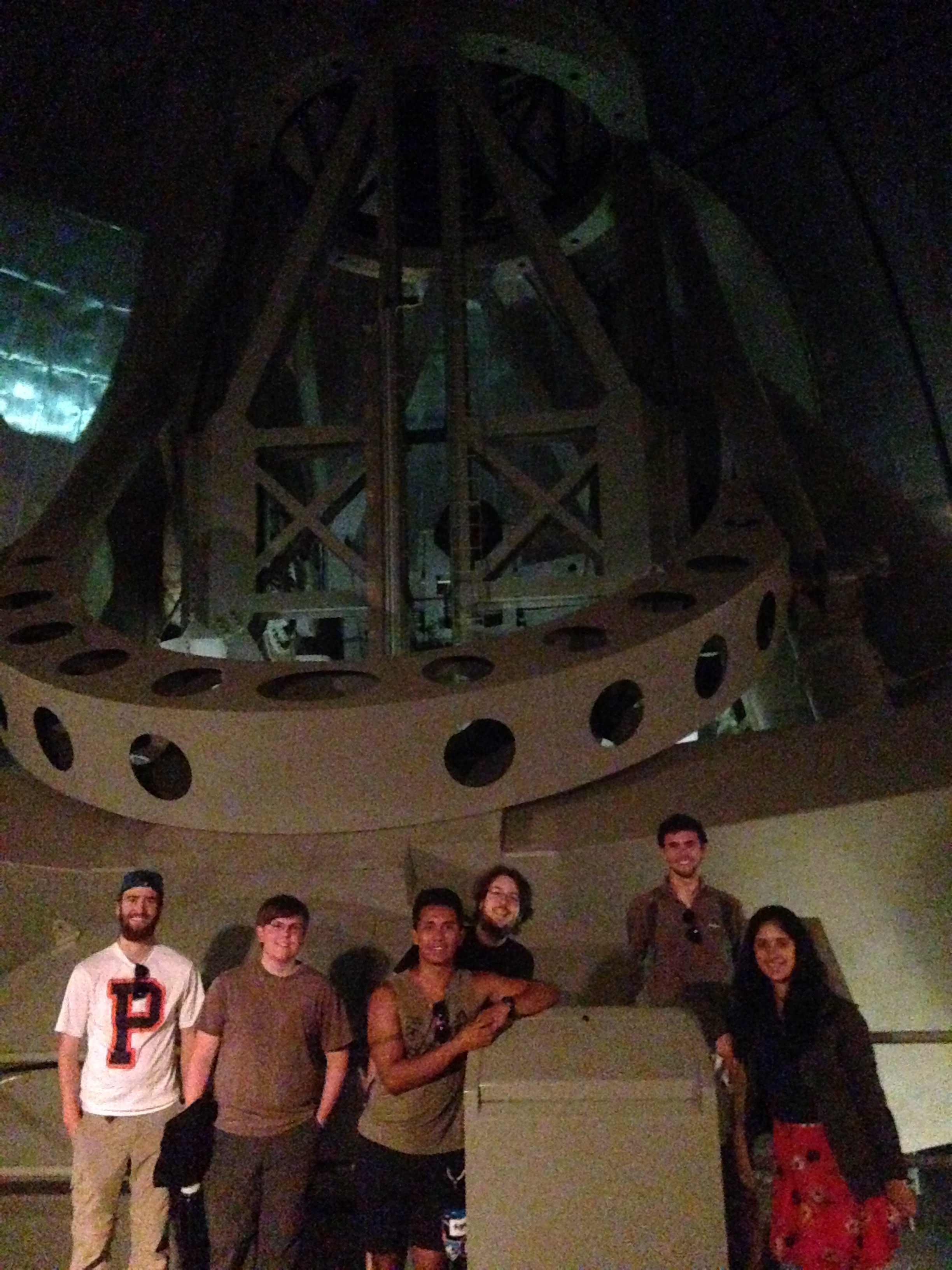
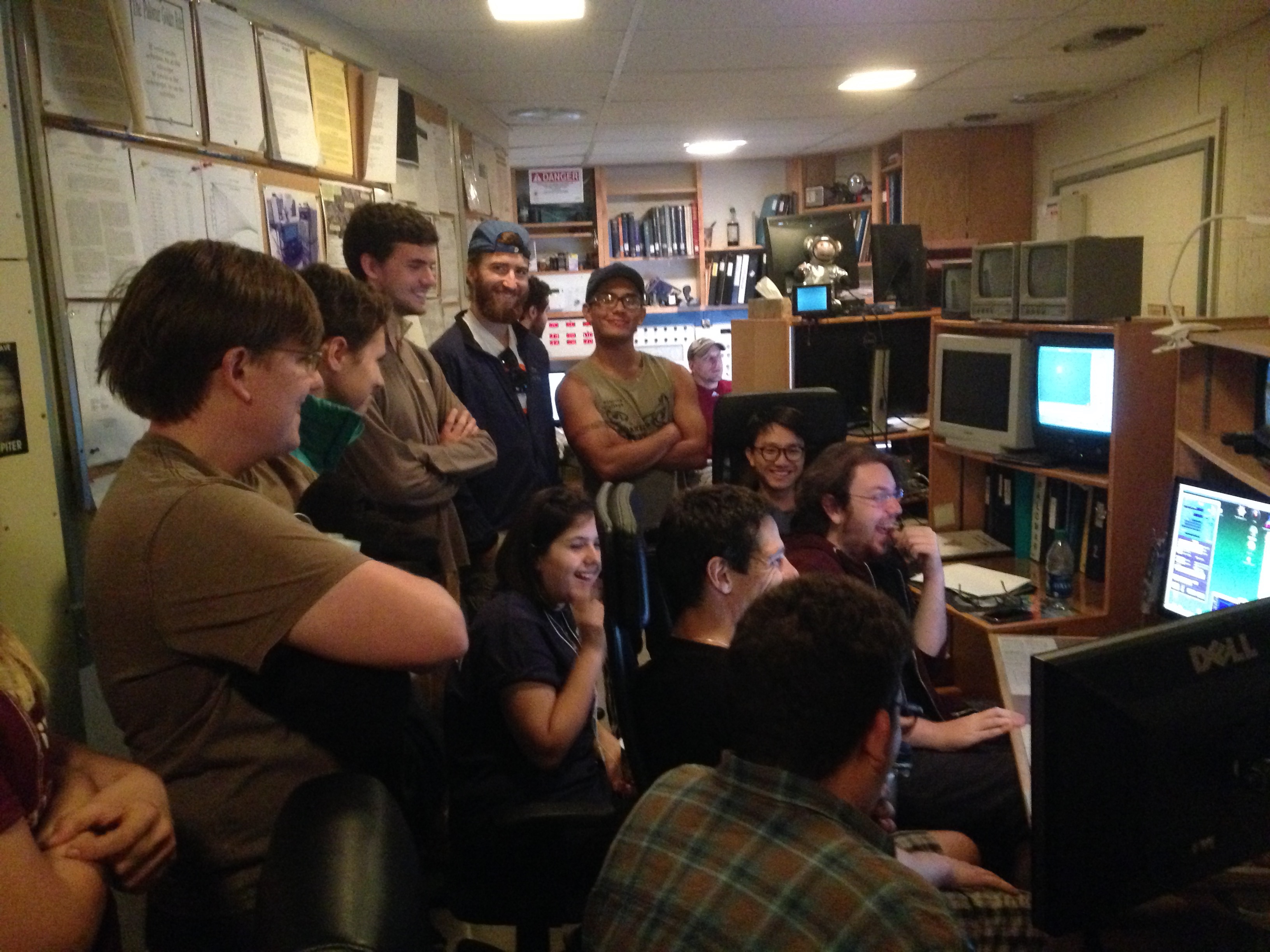
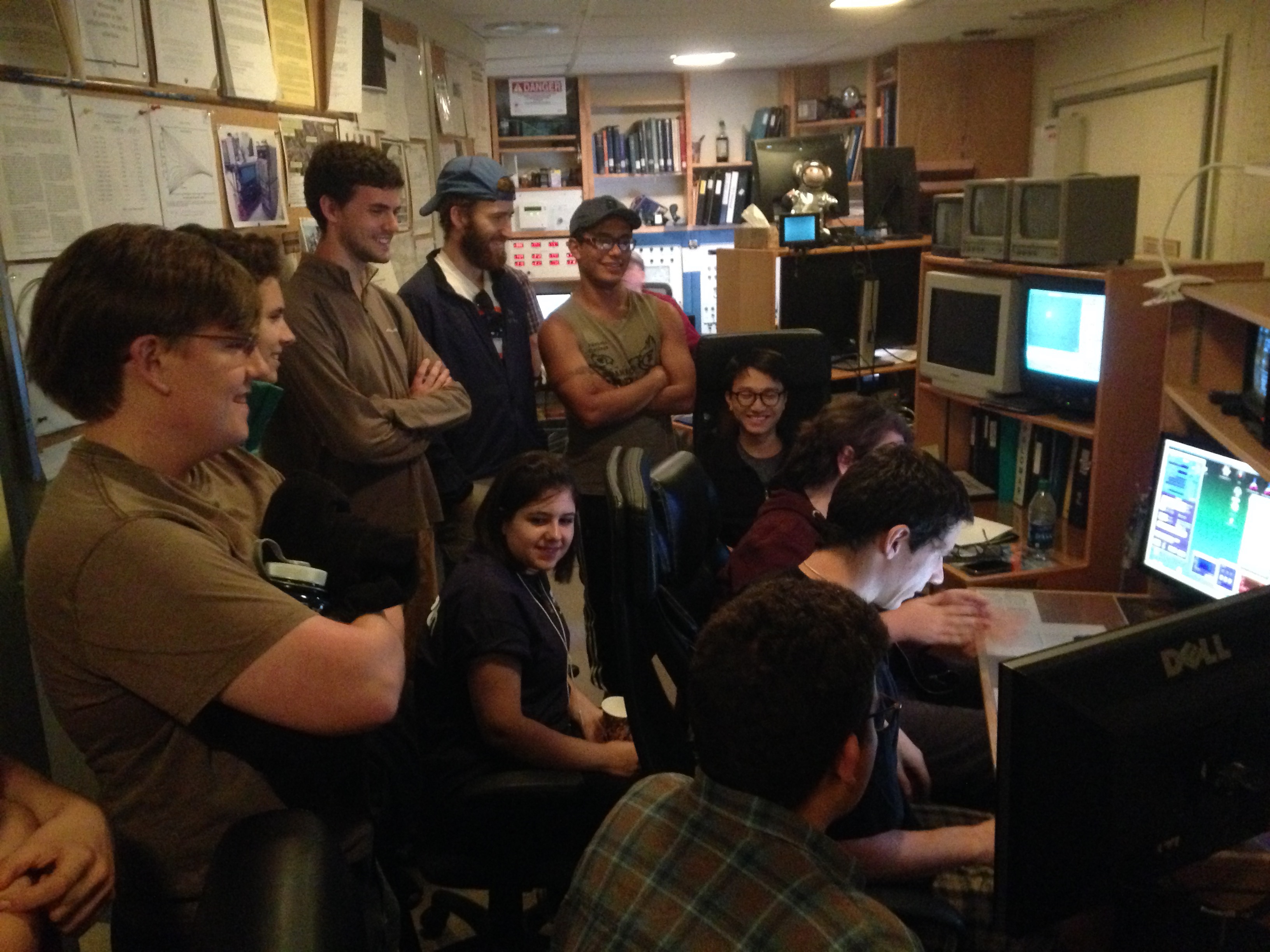
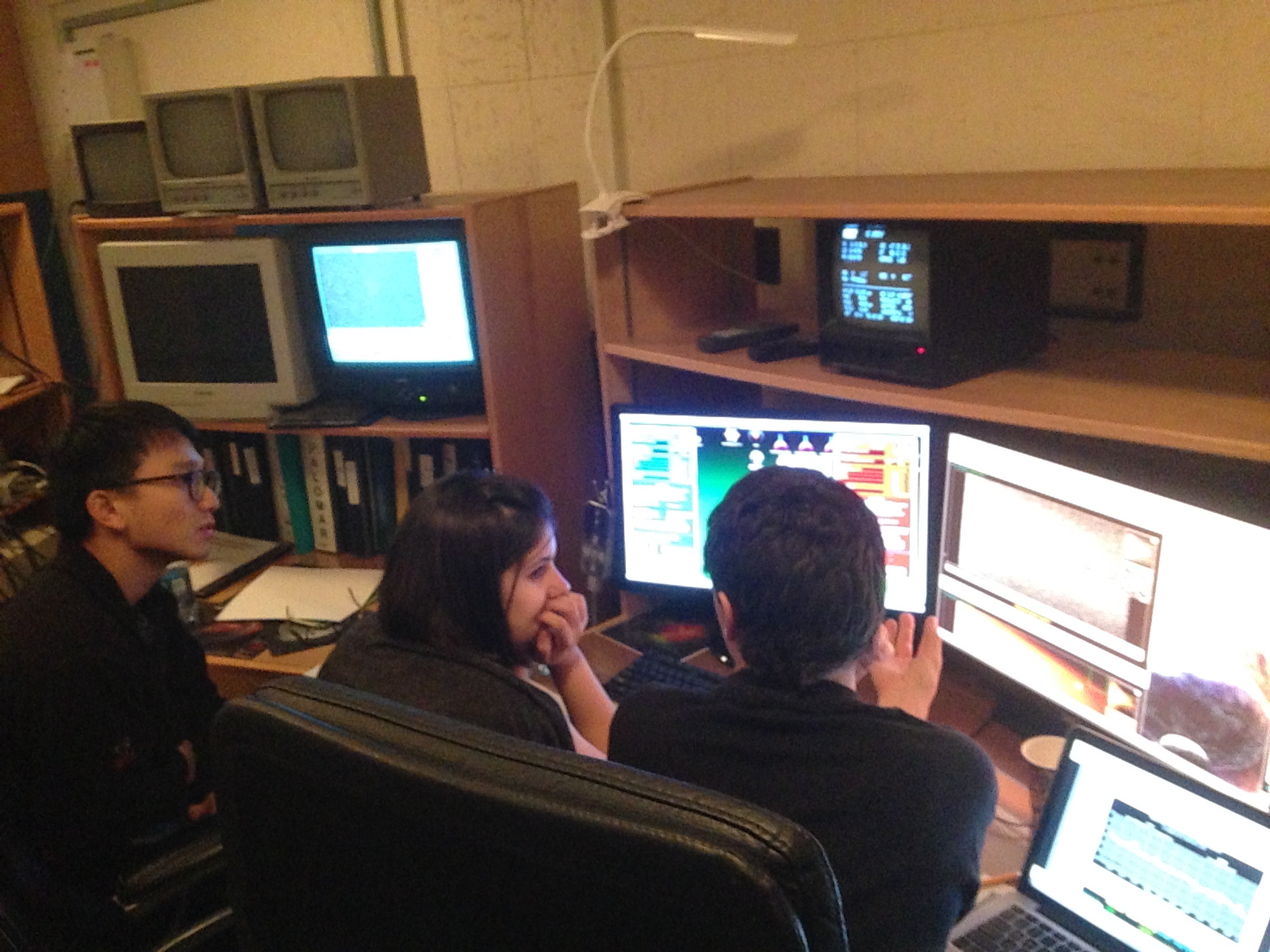
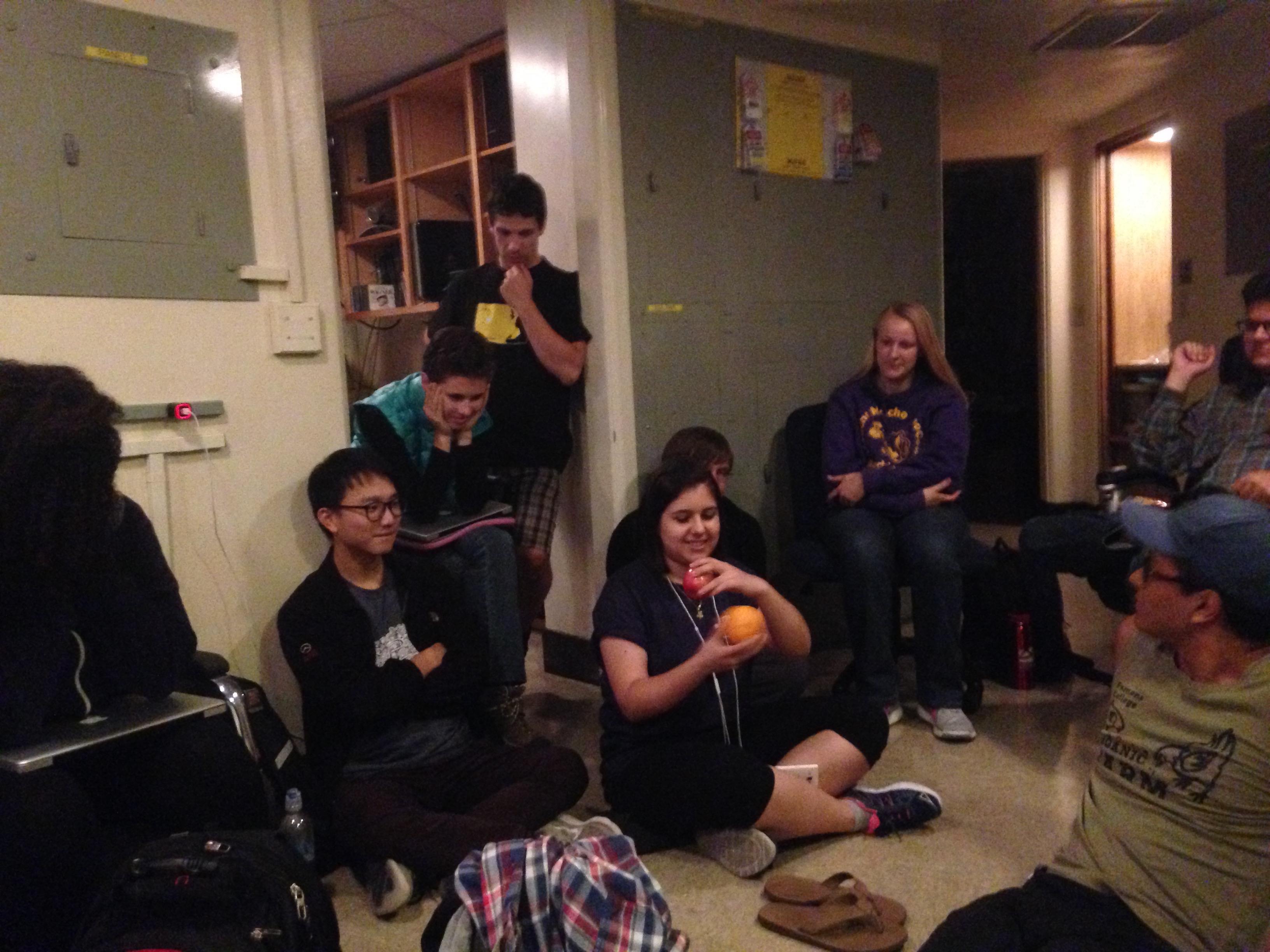
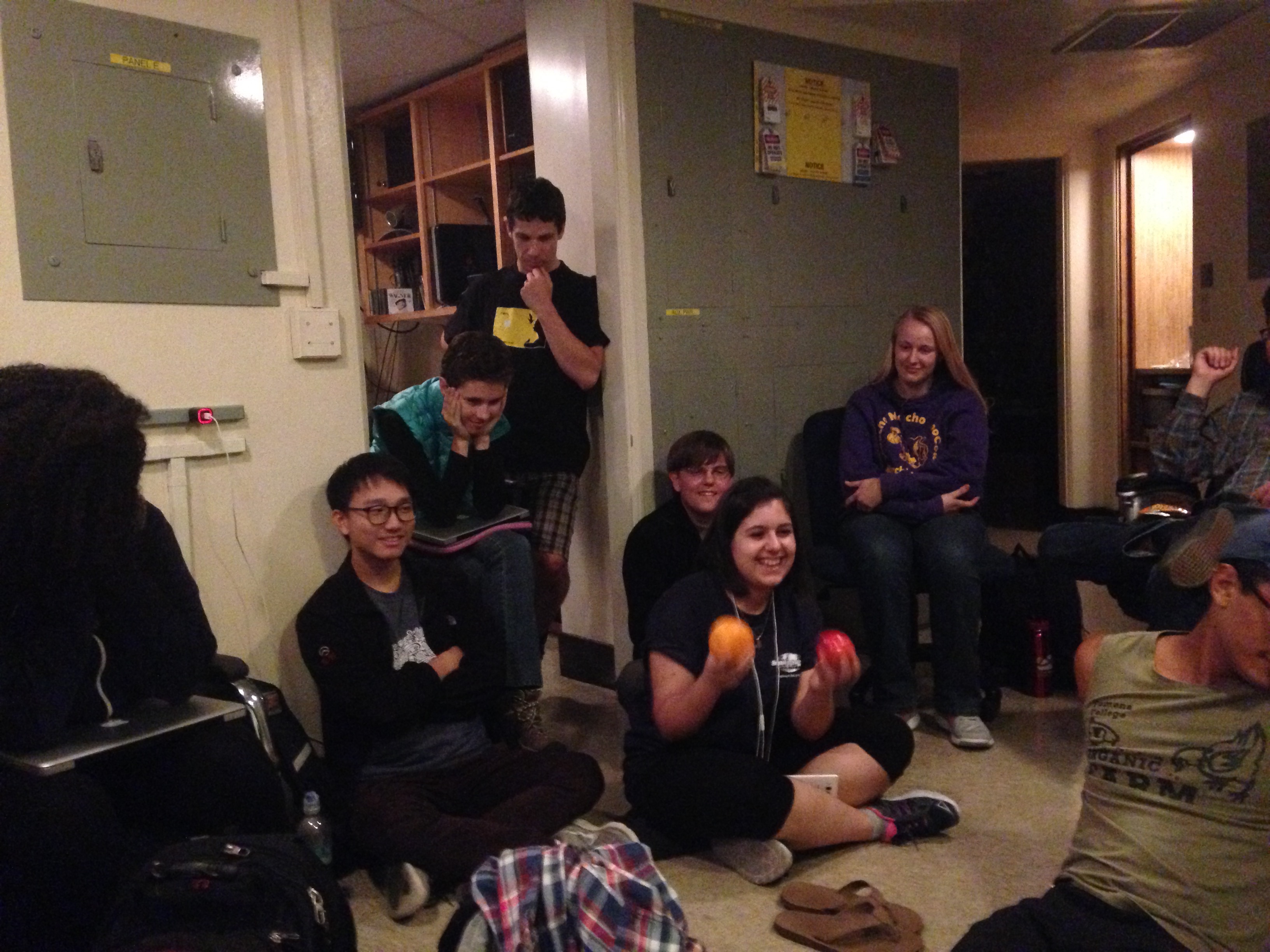
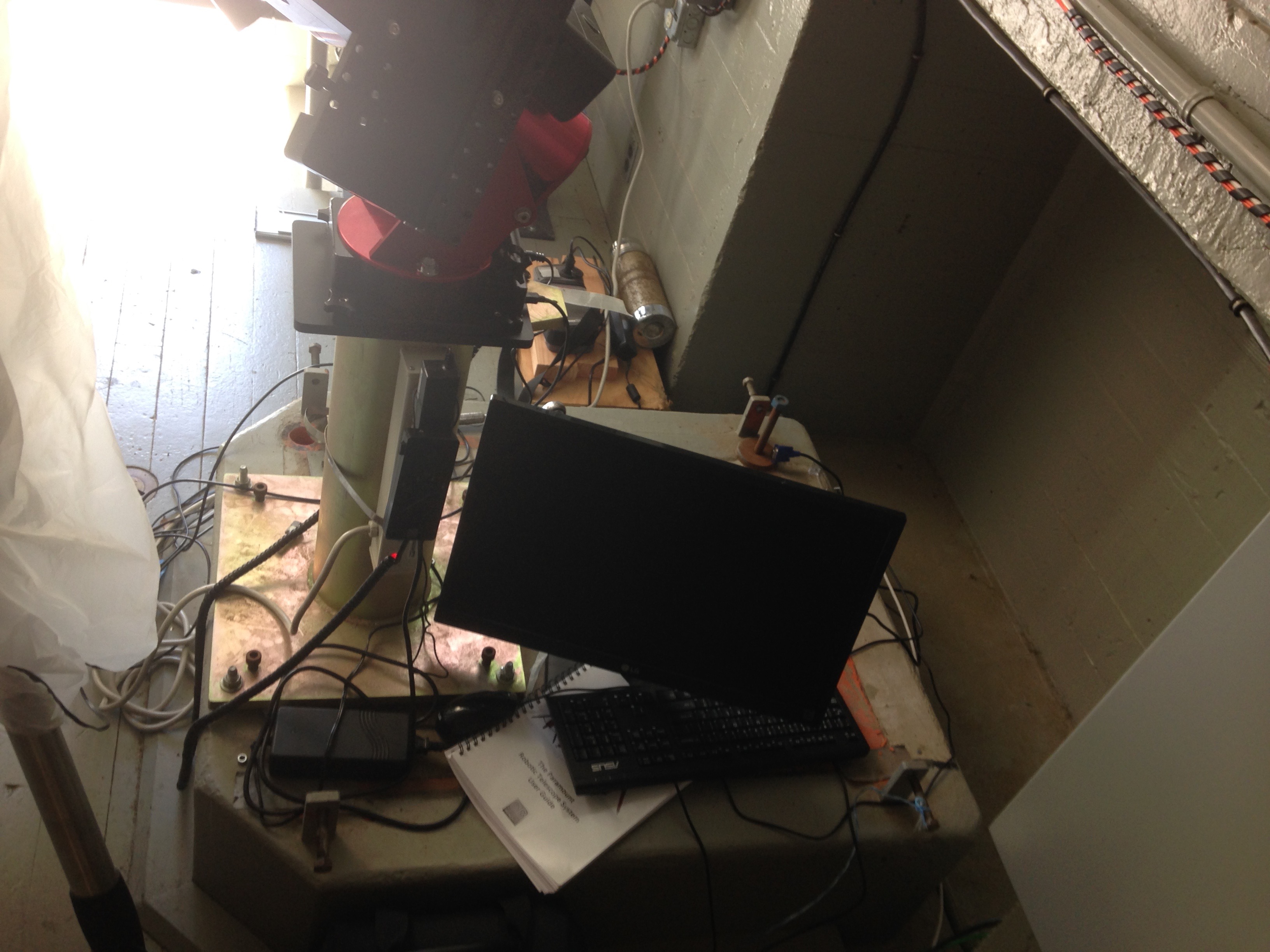
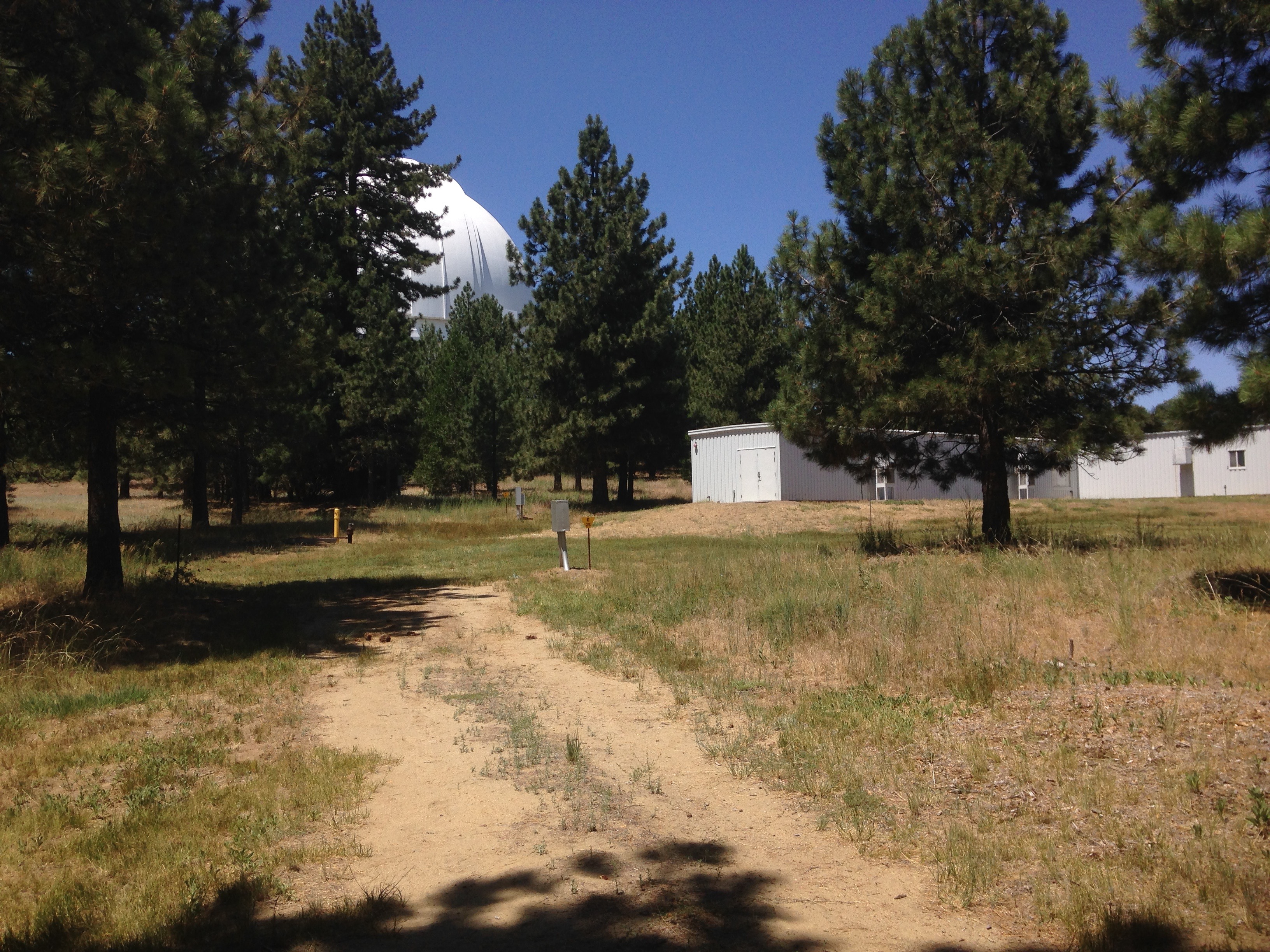
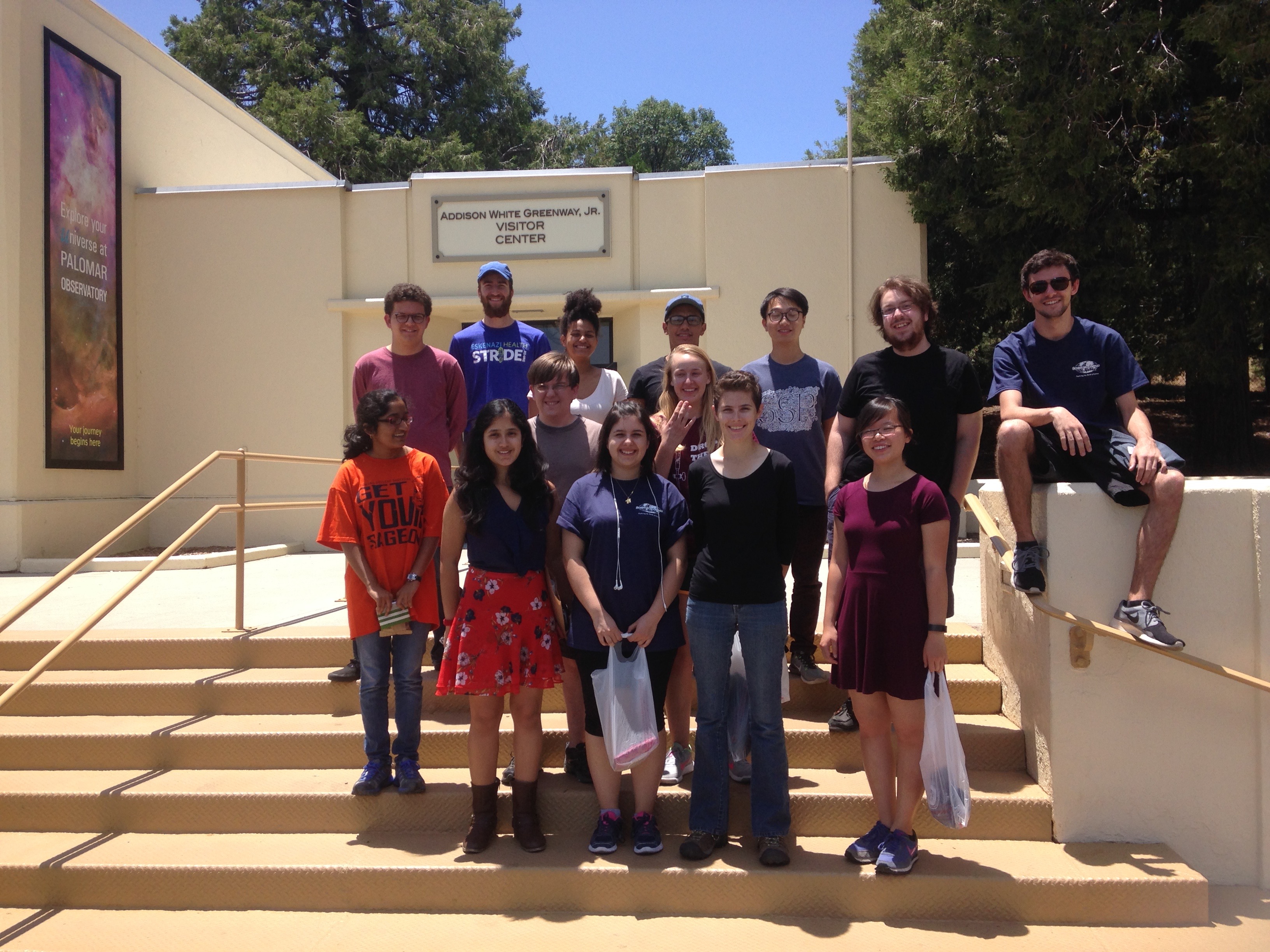
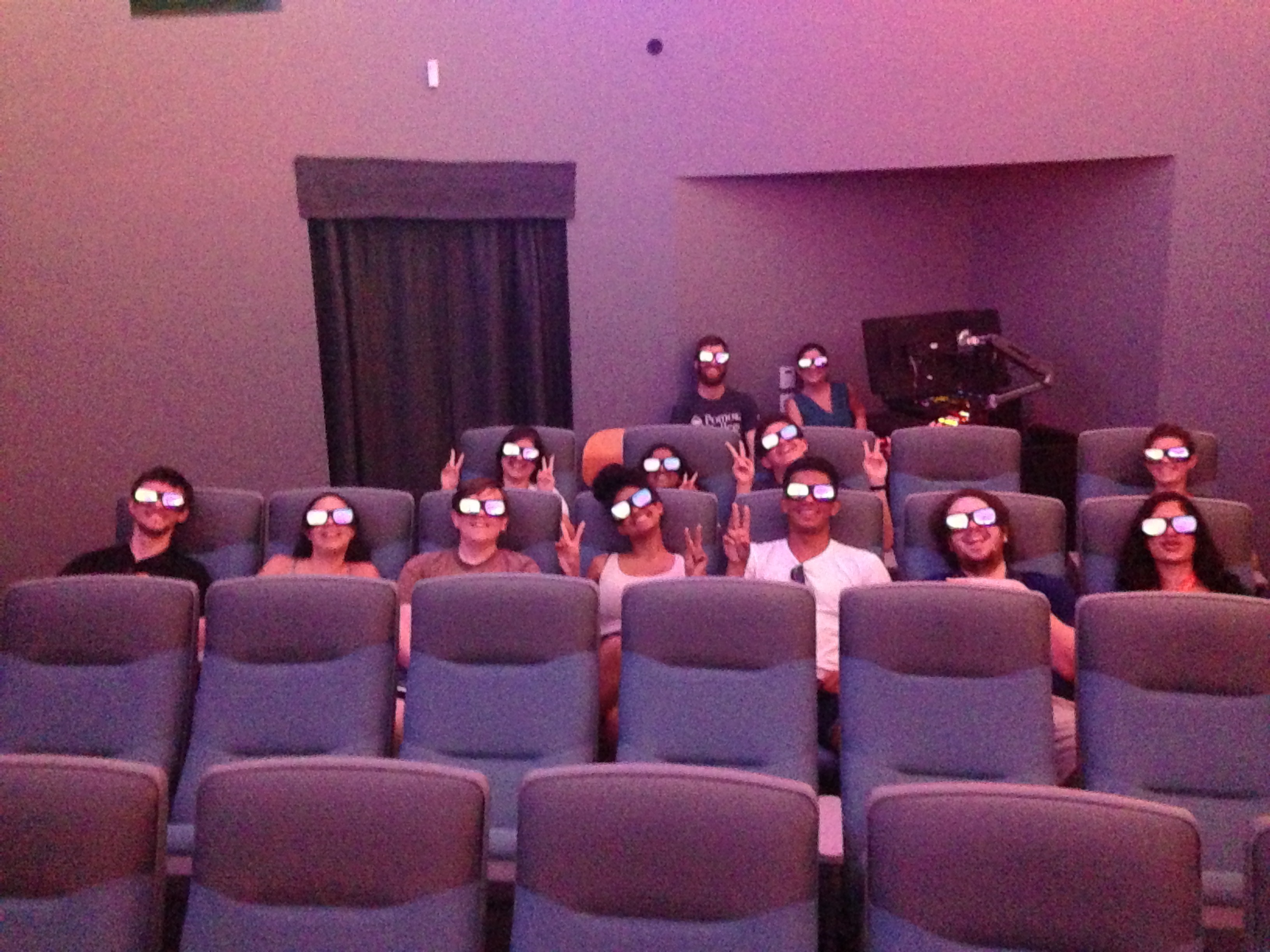
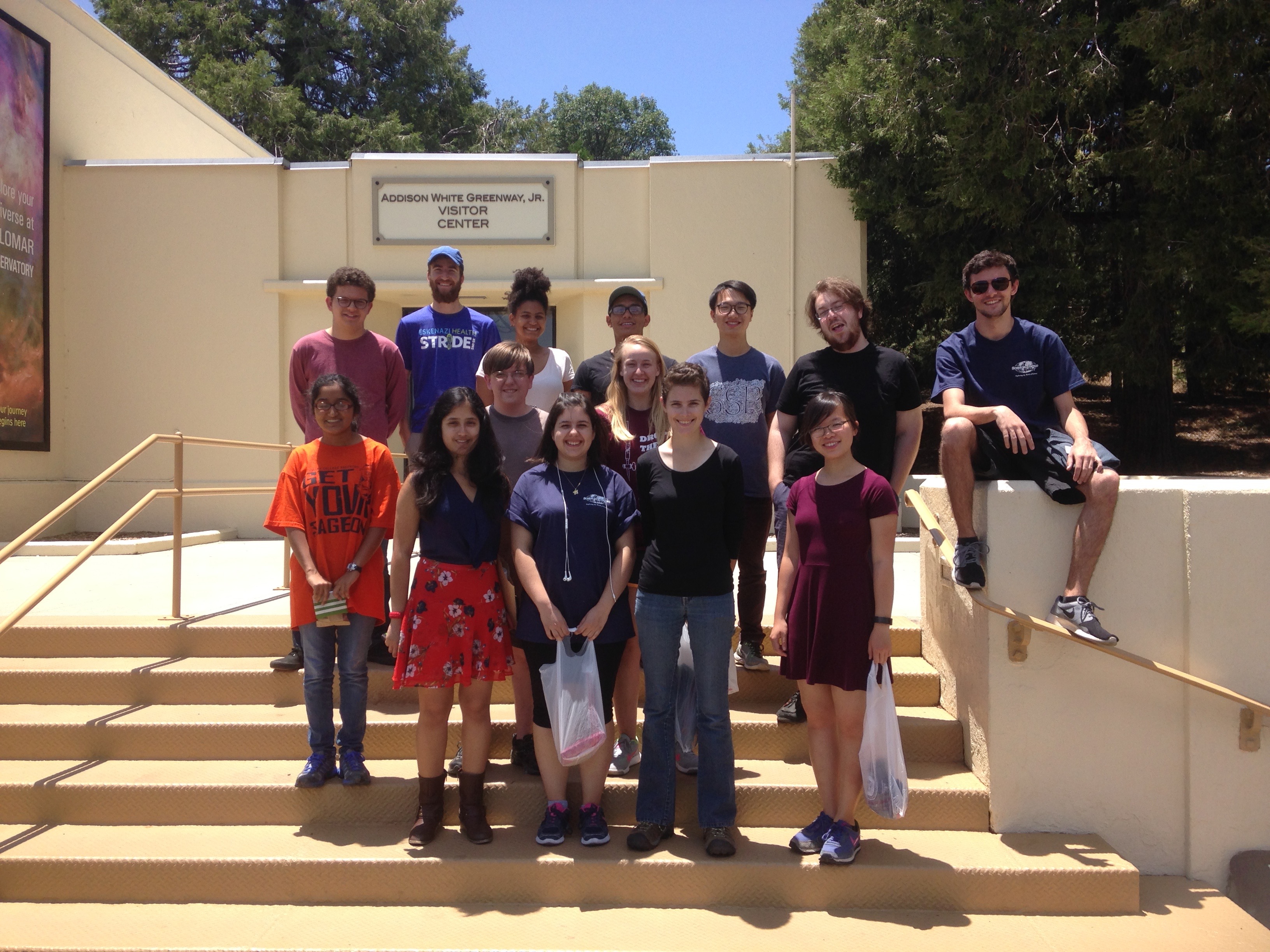
One of the highlights of the summer was our magical visit to Palomar Observatory – the world’s largest telescope from 1951 until 1988, and George Ellery Hale’s last masterpiece in steel and glass. The 200″ telescope is a monument to the inspiration and power of science, and is something of a cathedral of astronomy. We had the rare privilege of a night at the 200″ hosted by Dr. Thomas Kupfer, a member of our Caltech ZTF and GROWTH research team. The students were at the base of the giant telescope – looming five stories above us – as we opened the slit for the night’s observing. Students were able to help Thomas observe his white dwarf stars, which are in interesting eruptive binary systems, and to discuss with each other how their summer research projects were progressing. The students even sang a wonderful a capella concert in the dark at the base of the telescope, and wandered around the catwalk in the pristine and velvet black sky of a moonless night at Palomar. The skies, telescope, science and people were fantastic – making this one of the best visits I have ever had to Palomar! Thanks to Thomas and the students for making this such a great trip! palomar.SUAI.2016 - 7 palomar.SUAI.2016 - 8 palomar.SUAI.2016 - 9 palomar.SUAI.2016 - 10 palomar.SUAI.2016 - 12 palomar.SUAI.2016 - 11 palomar.SUAI.2016 - 13 palomar.SUAI.2016 - 14 palomar.SUAI.2016 - 15 palomar.SUAI.2016 - 17 palomar.SUAI.2016 - 16 palomar.SUAI.2016 - 18 palomar.SUAI.2016 - 20 palomar.SUAI.2016 - 19 palomar.SUAI.2016 - 22 palomar.SUAI.2016 - 21   palomar.SUAI.2016 - 24 palomar.SUAI.2016 - 26 palomar.SUAI.2016 - 27 palomar.SUAI.2016 - 28 palomar.SUAI.2016 - 29 palomar.SUAI.2016 - 31 palomar.SUAI.2016 - 30 palomar.SUAI.2016 - 6

Pomona College Astronomy work

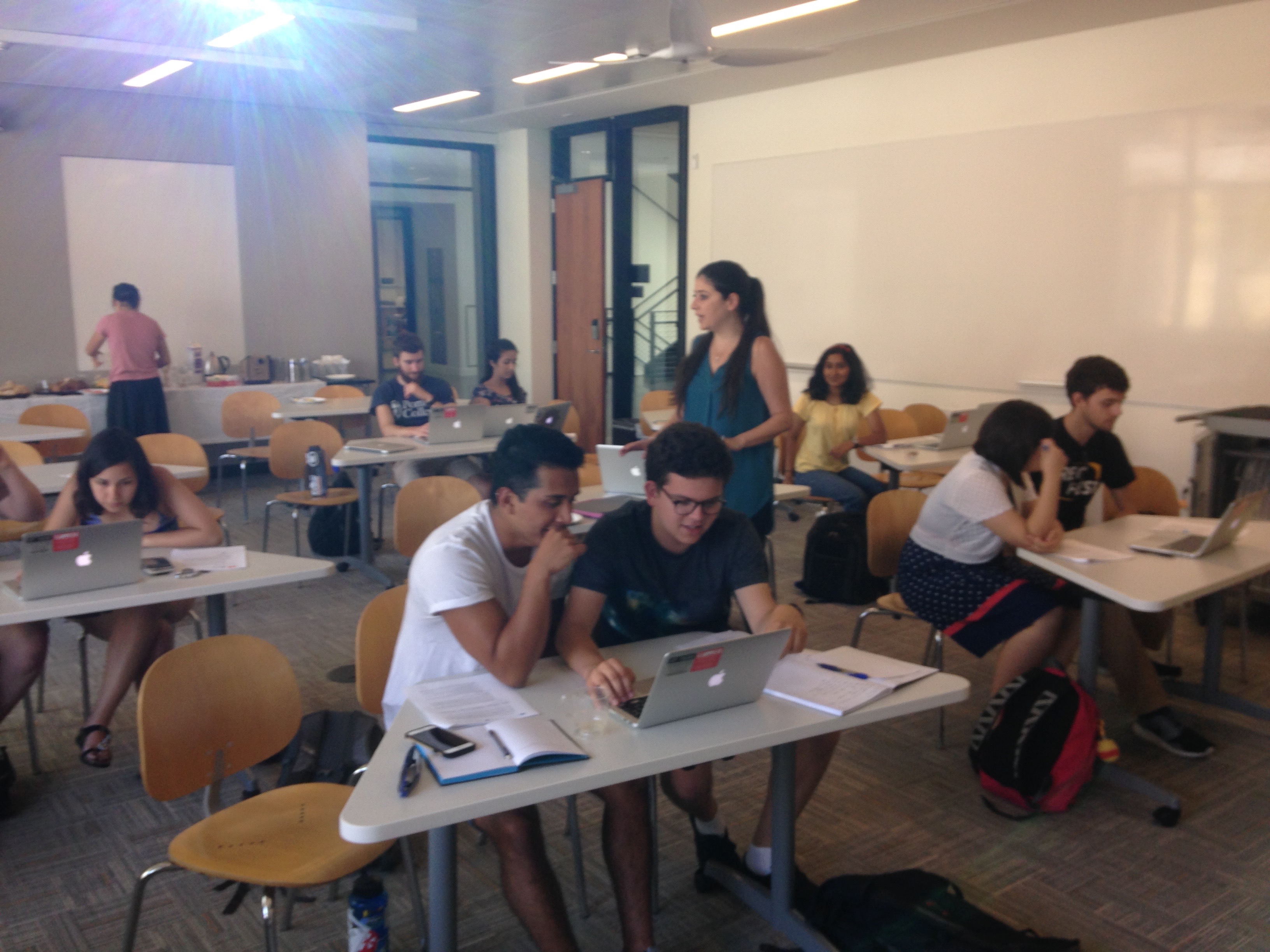
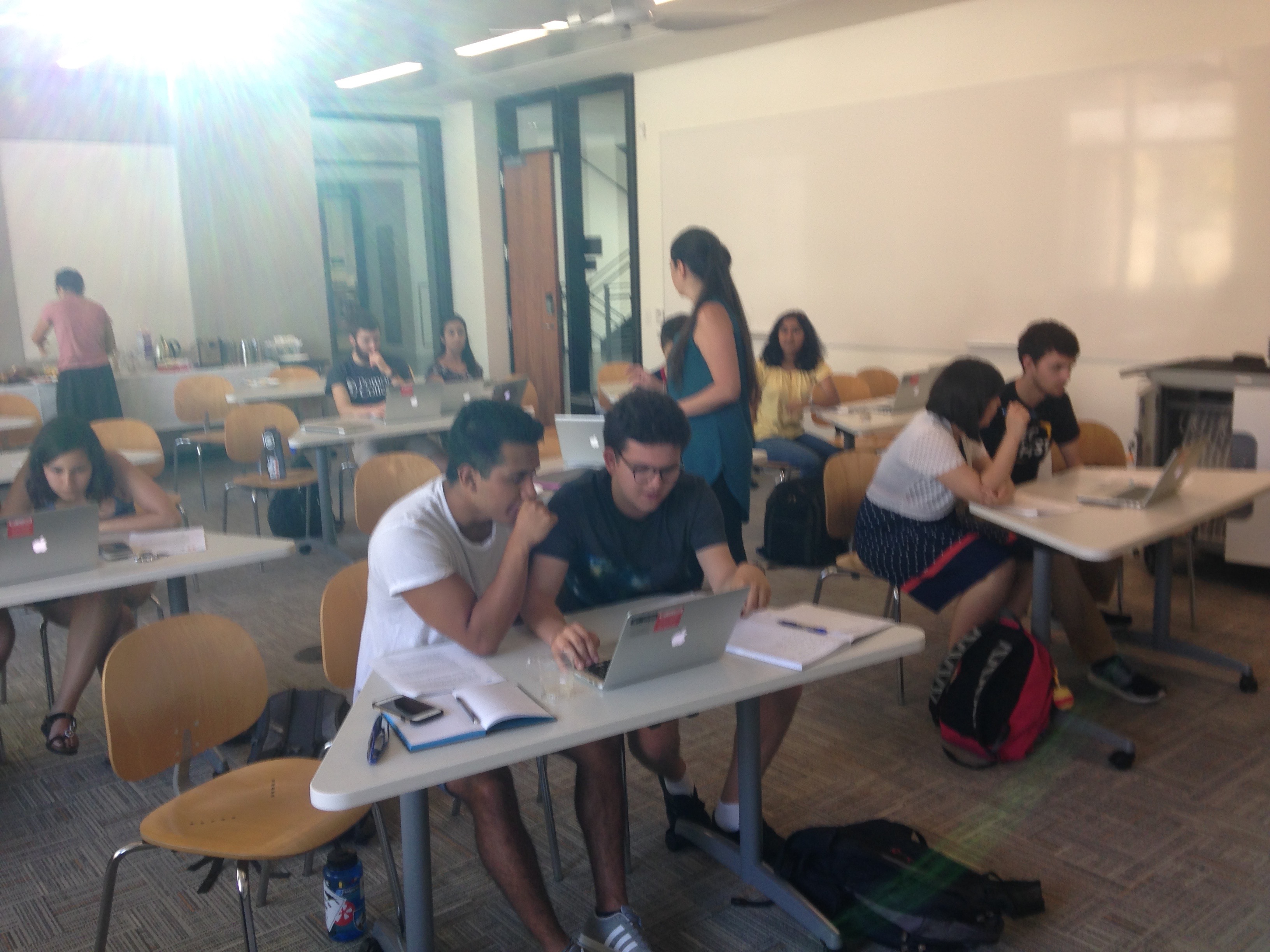
During Day 3 our undergraduates were at Pomona College, where we offered them a workshop in high energy astrophysics data analysis by Loredana Vertere. Loredana led the students in an analysis of data from the Swift X-ray satellite, and we also enjoyed a planetarium show by Loredana, and our student Charlie Watson. Mike Long from the Carnegie Foundation came by and gave a wonderful presentation on his new Las Campanas Remote Observatory, which I will be using for my research and teaching with students at Pomona and Yale-NUS College. It was wonderful to be back at Pomona at our beautiful new Millikan Physics, Astronomy and Mathematics building, and to see all my old friends at Pomona. This also is the beginning of a new chapter for me as I transition from the Frank P. Brackett Professor of Astronomy at Pomona to Professor of Science at Yale-NUS College. The transition is exciting as I have been able to retain my affiliation with Pomona as Research Professor, and will be able to continue working with Pomona in the coming years through my NSF funded grants for ZTF and the Global Relay of Observatories Watching Transients Happen (GROWTH).

Below are some photos from this day of our Institute!

day4.SUAI.2016 - 16 day4.SUAI.2016 - 14 day4.SUAI.2016 - 15 day4.SUAI.2016 - 12 day4.SUAI.2016 - 13 day4.SUAI.2016 - 11 day4.SUAI.2016 - 8 day4.SUAI.2016 - 9 day4.SUAI.2016 - 10 day4.SUAI.2016 - 5 day4.SUAI.2016 - 6 day4.SUAI.2016 - 7 day4.SUAI.2016 - 3 day4.SUAI.2016 - 4 day4.SUAI.2016 - 1 day4.SUAI.2016 - 2

Visit to Big Bear Solar Observatory

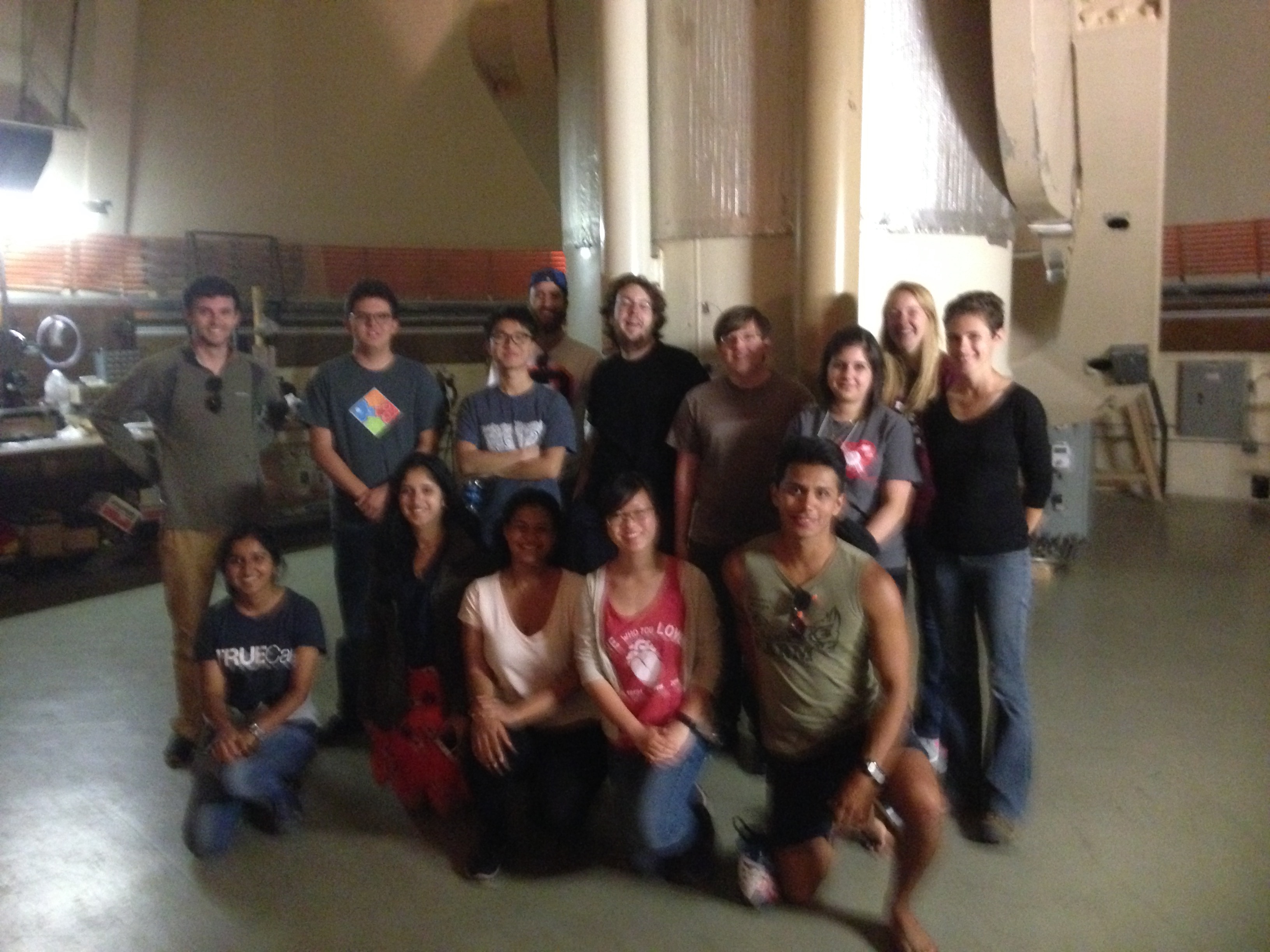
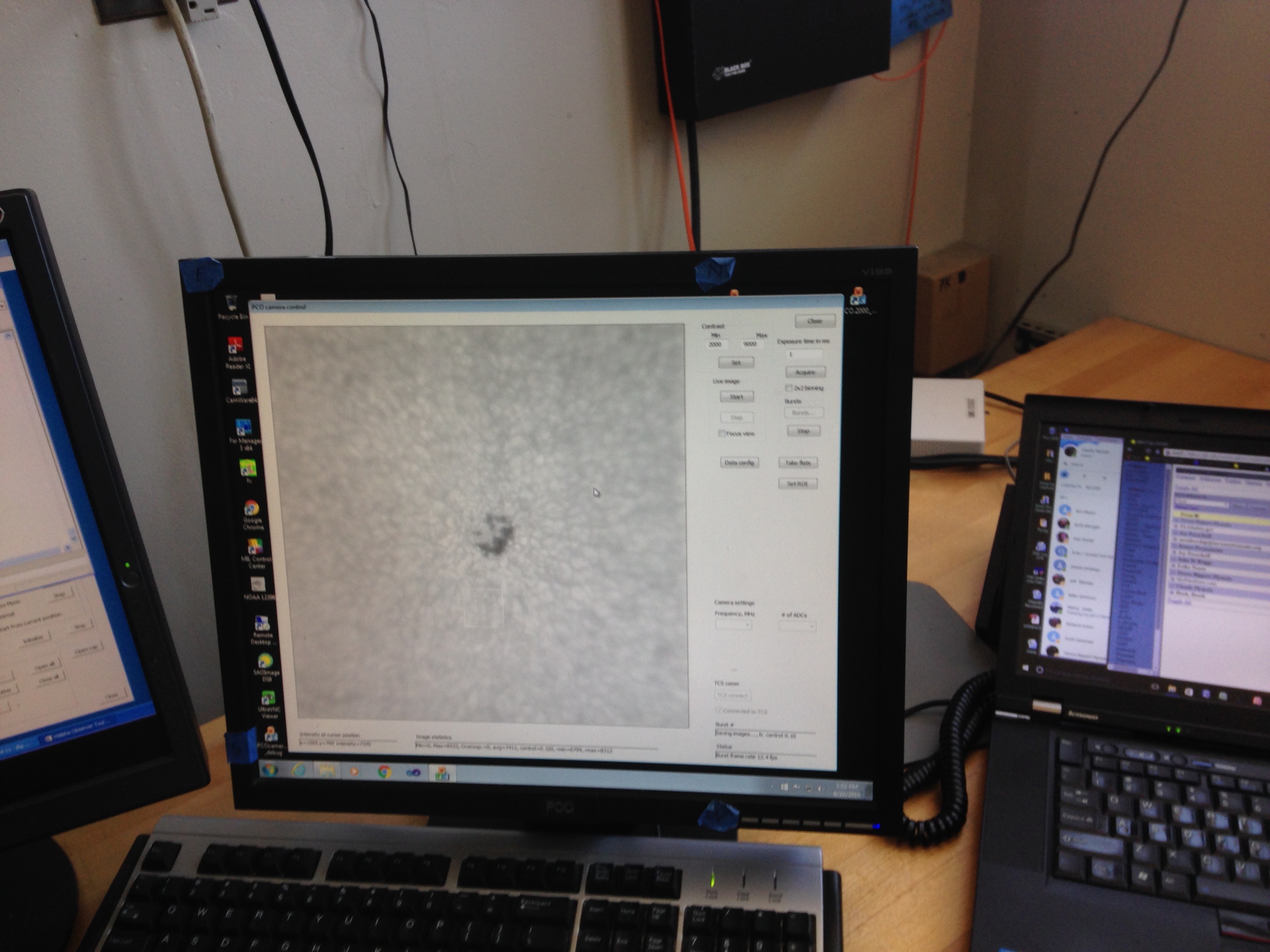
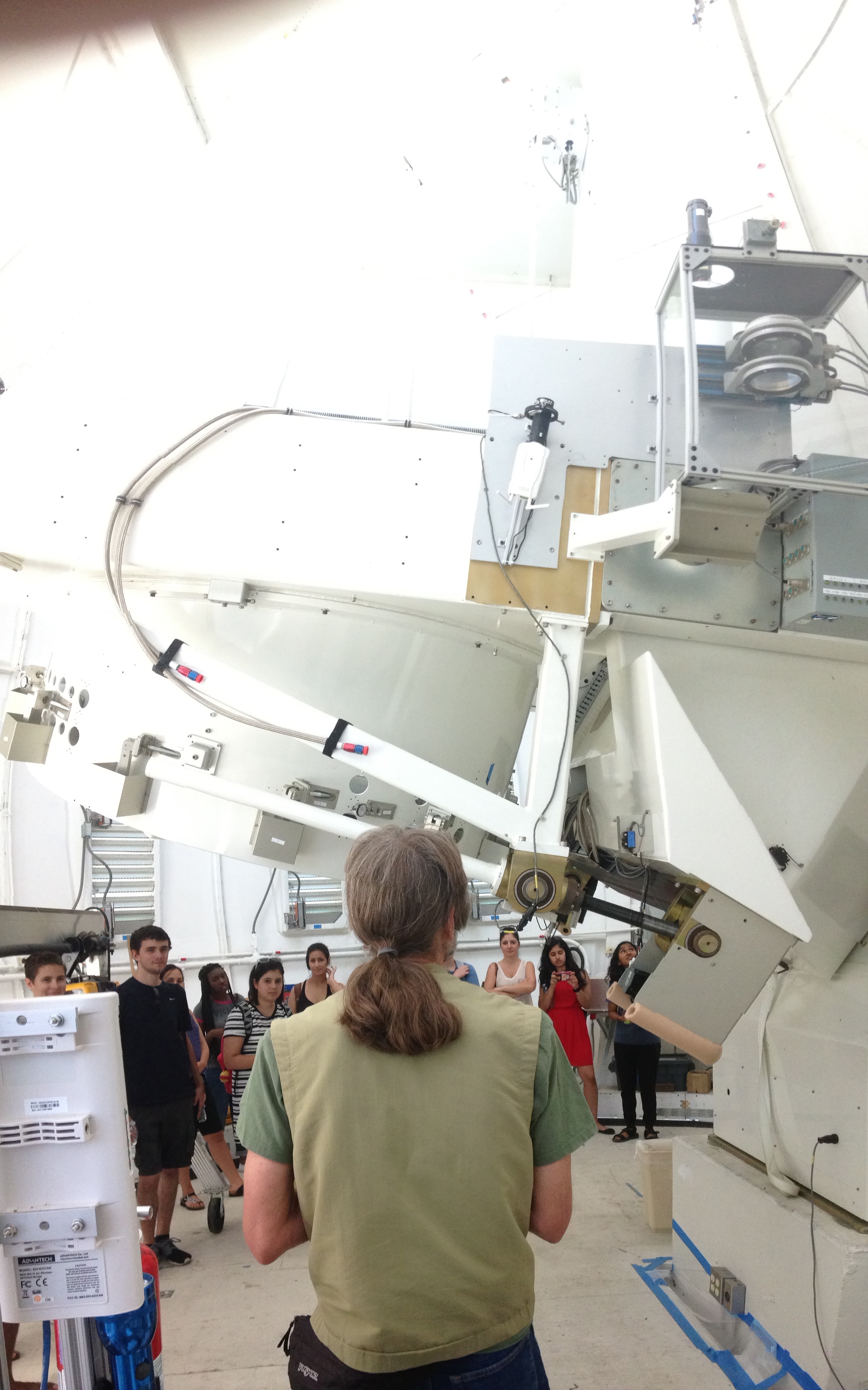
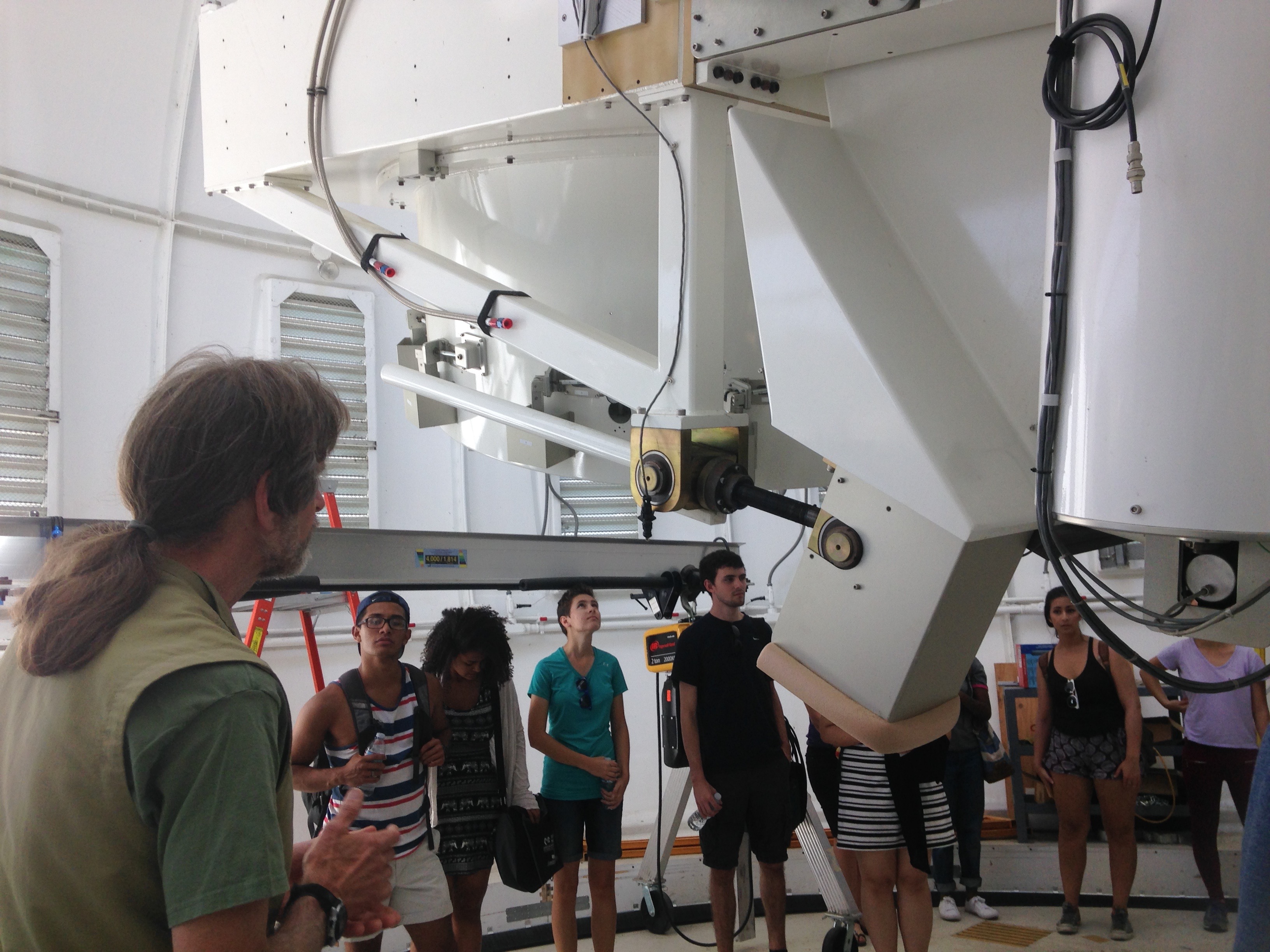
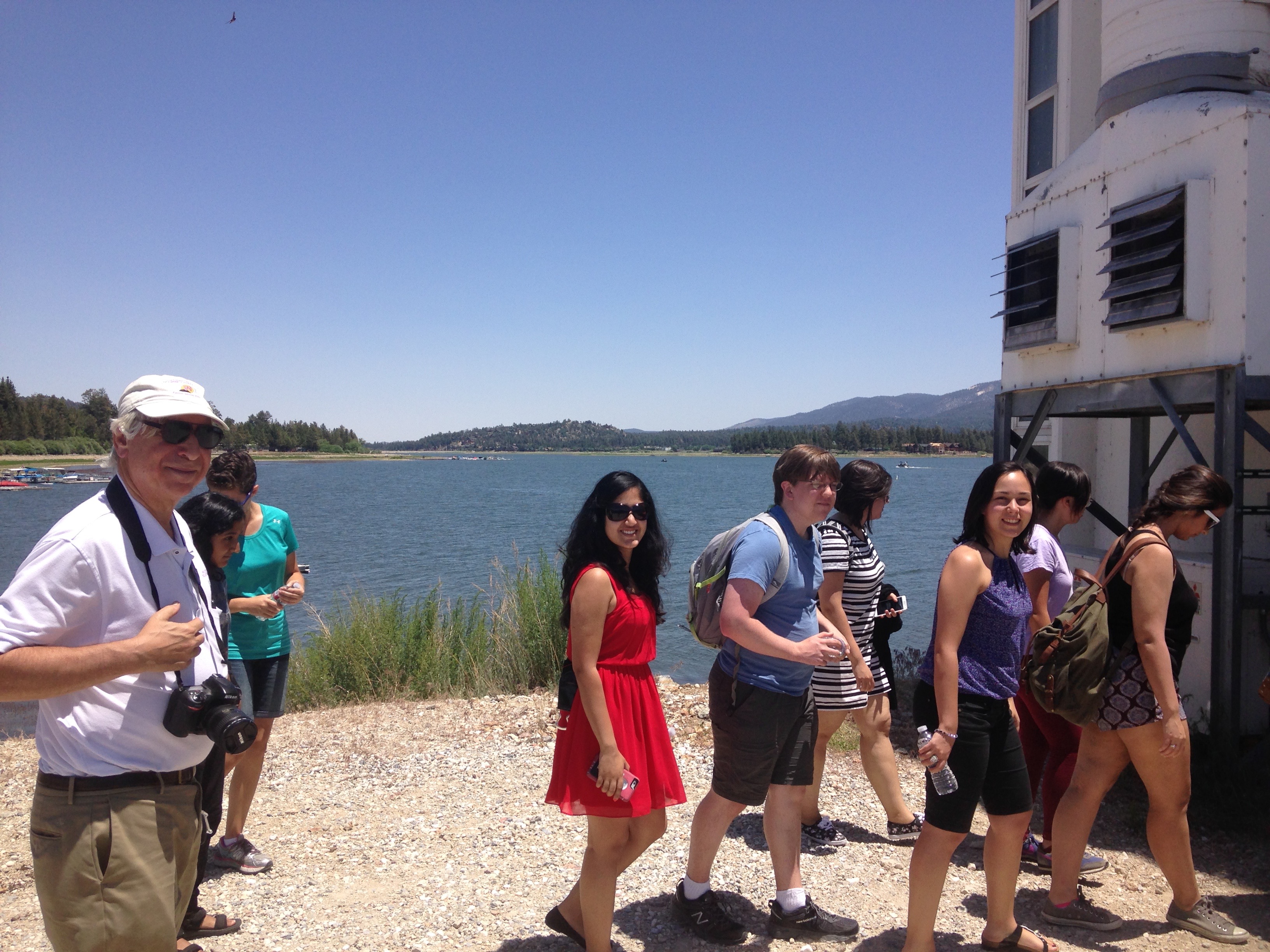
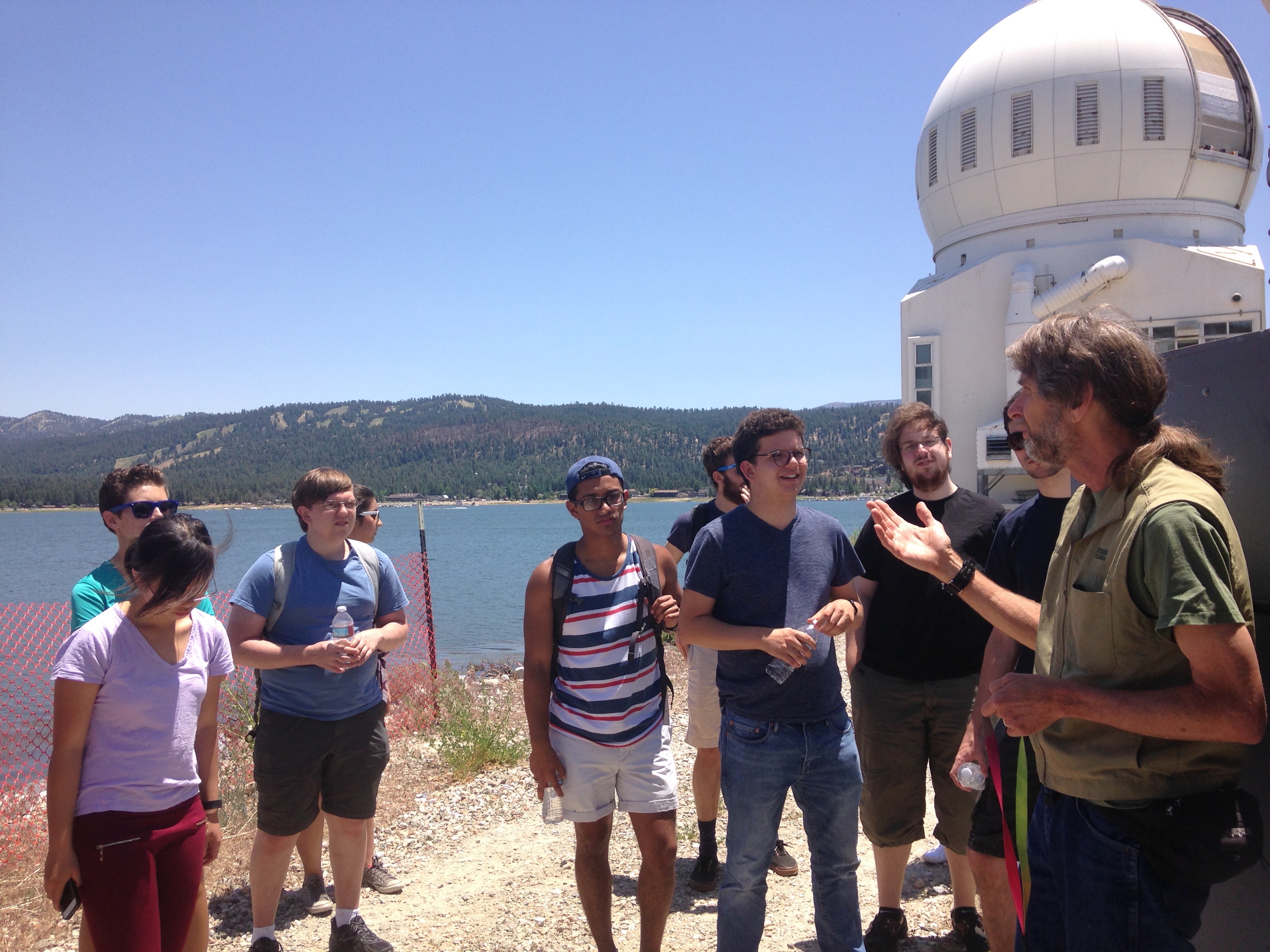
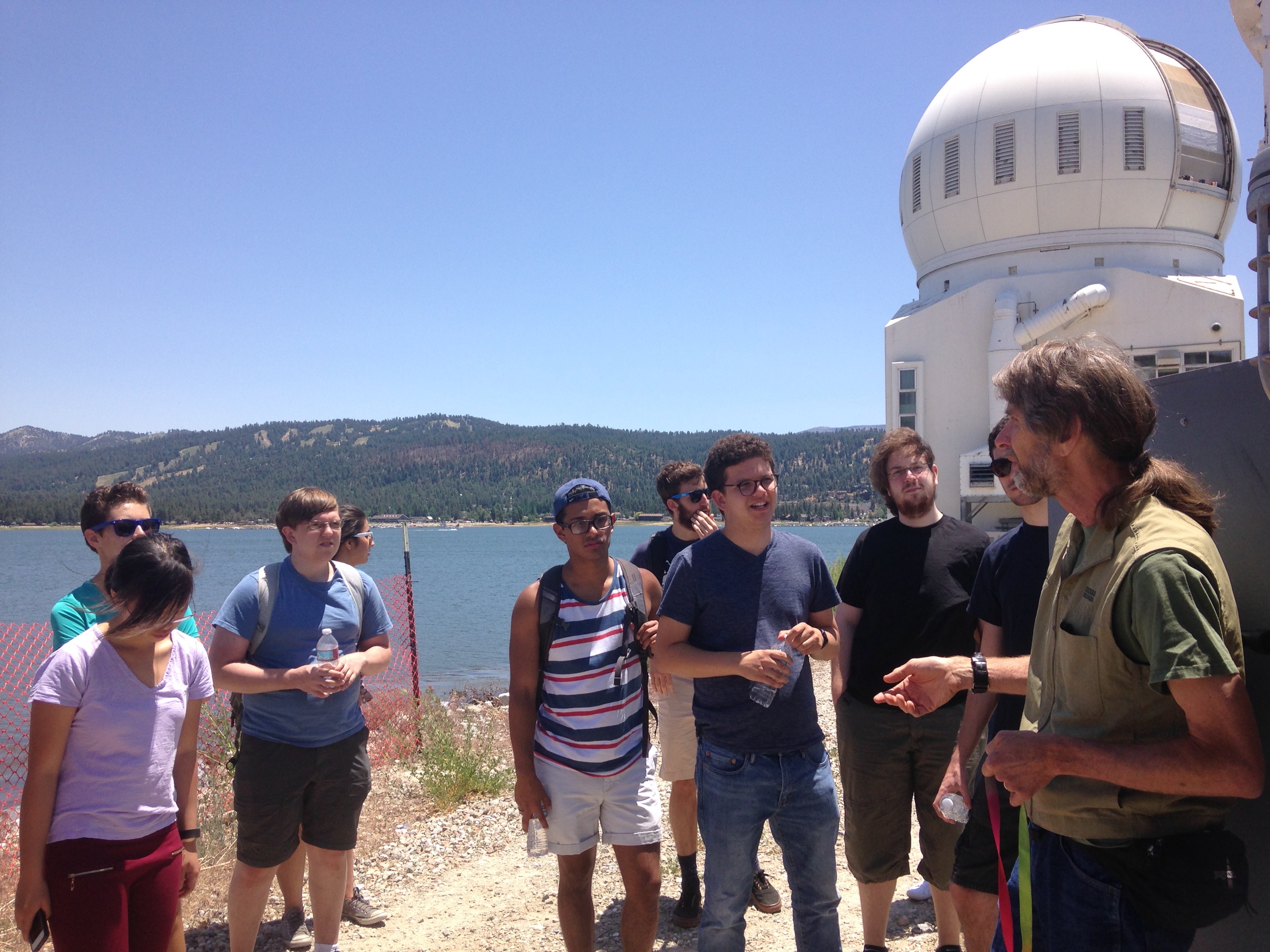
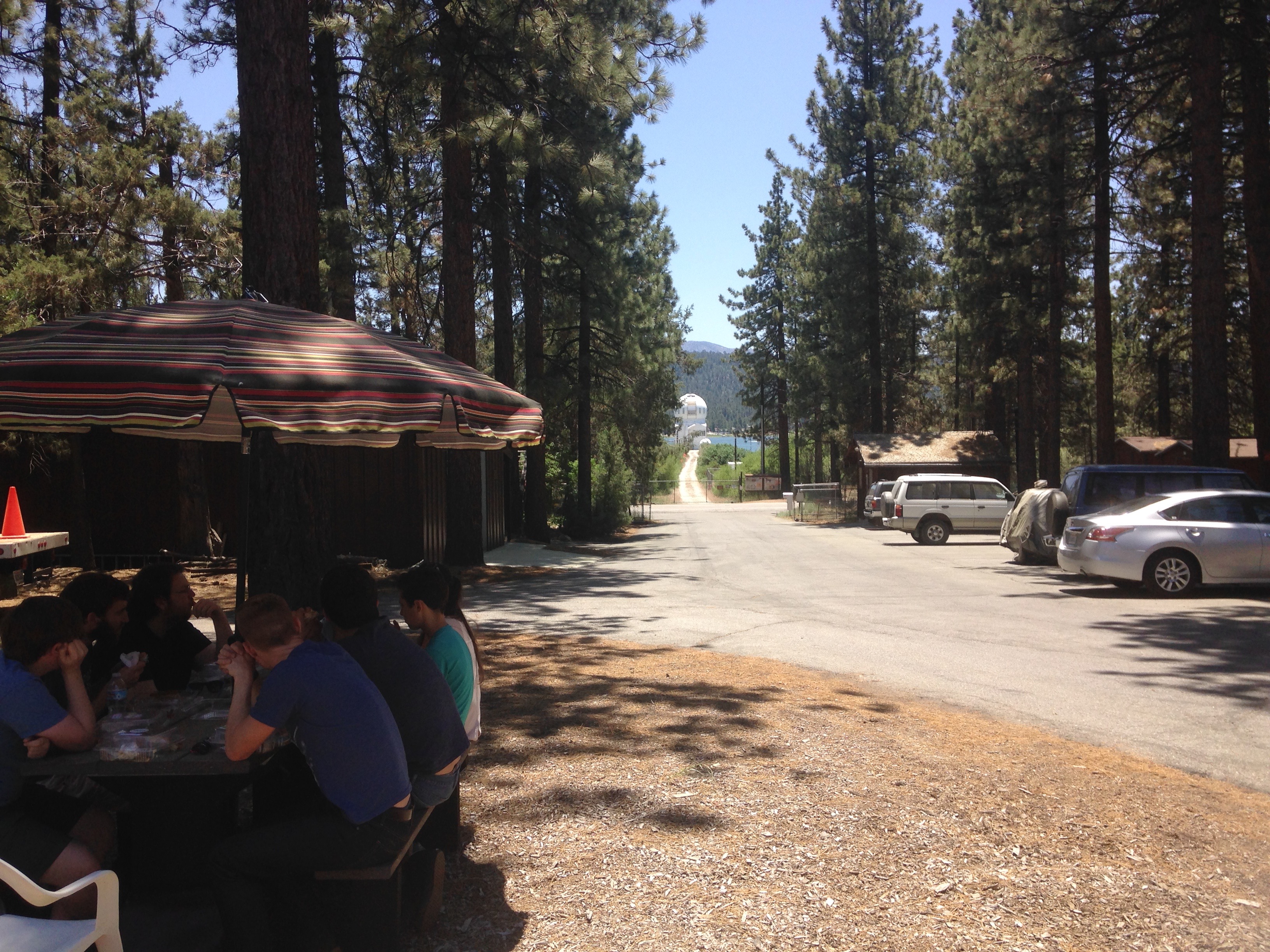
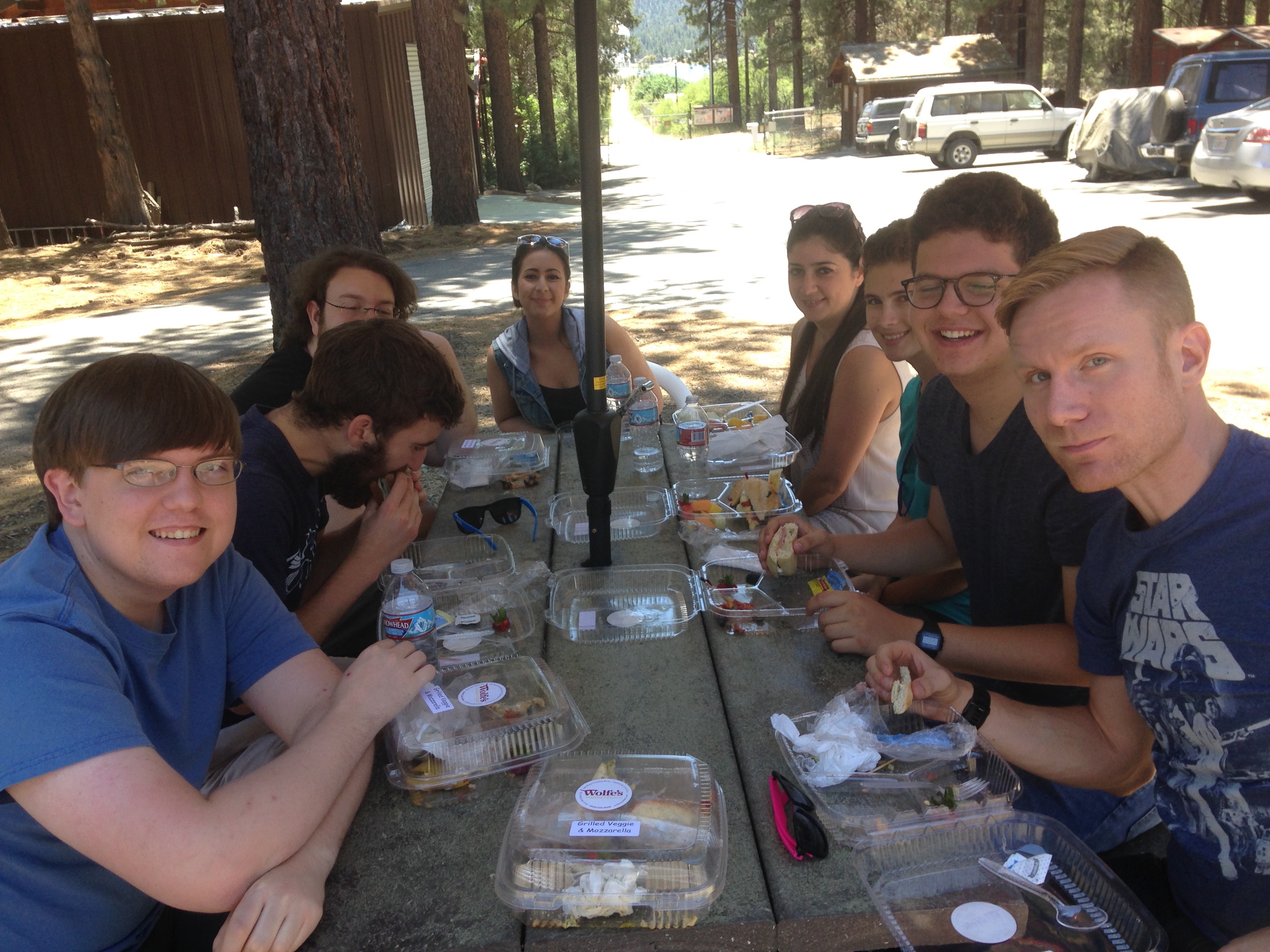
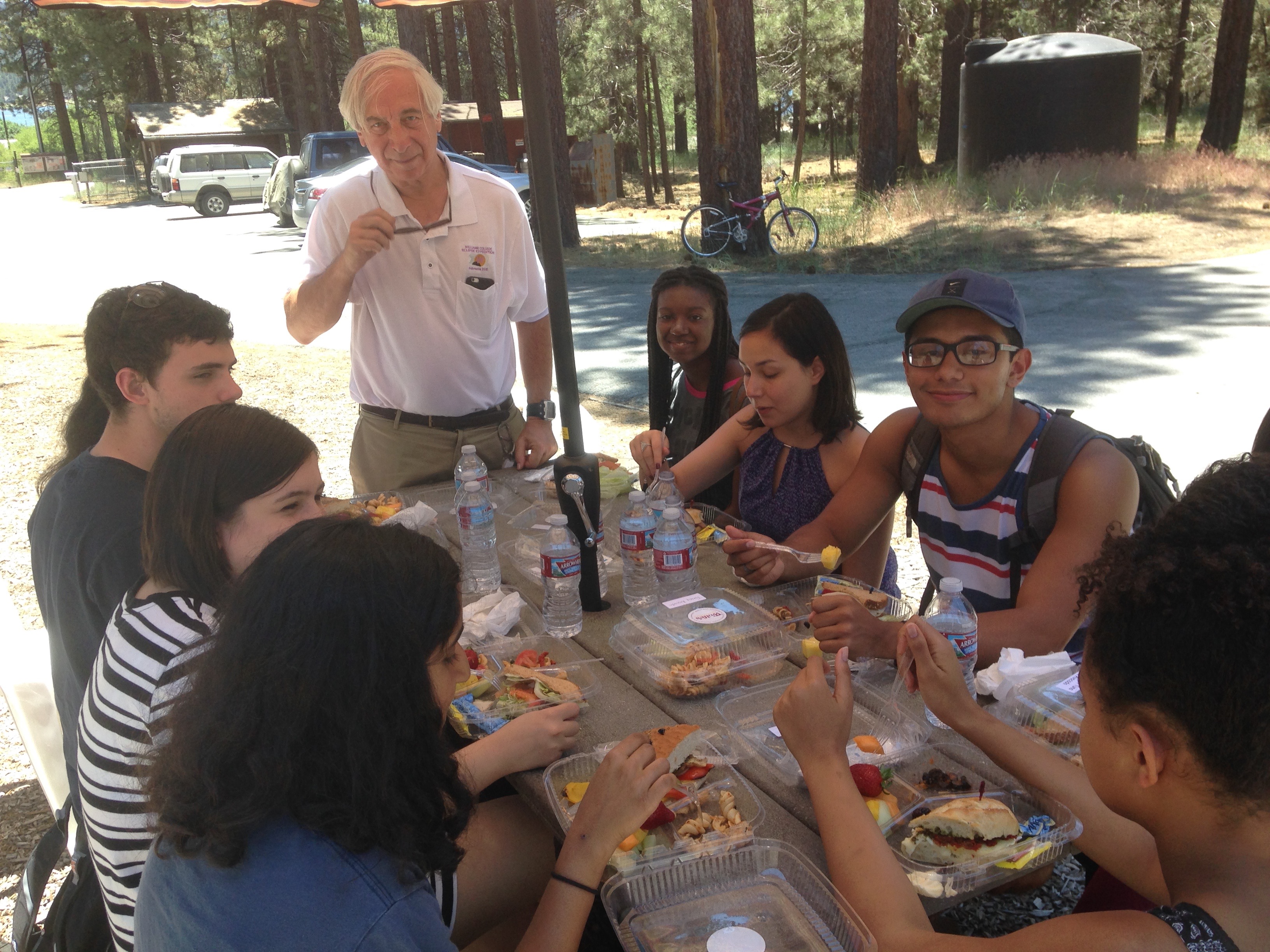
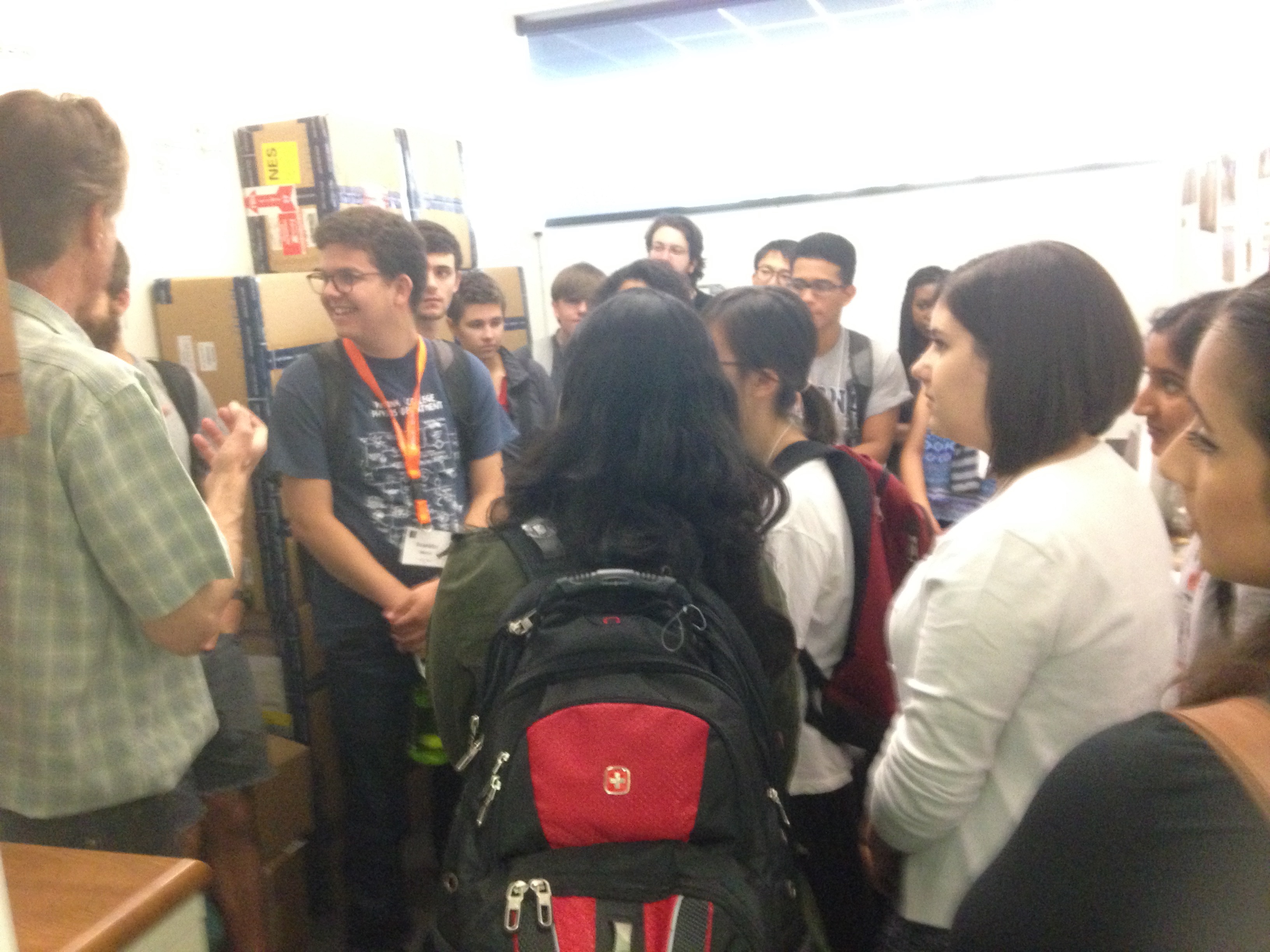
We visited the Big Bear Solar Observatory as part of our Caltech ZTF Summer Undergraduate institute. During the trip we were joined by Jay Pasachoff, from Williams College. Jay is one of the world’s foremost solar astronomers, and a veteran of over 50 total solar eclipses all over the earth (perhaps close to setting a world record!).  Jay led us through the tour and also gave us a wonderful lecture on the BBSO and solar astronomy, including detailed information on Venus and Mercury transits, and a compendium of recent eclipse observations. It was a wonderful experience!

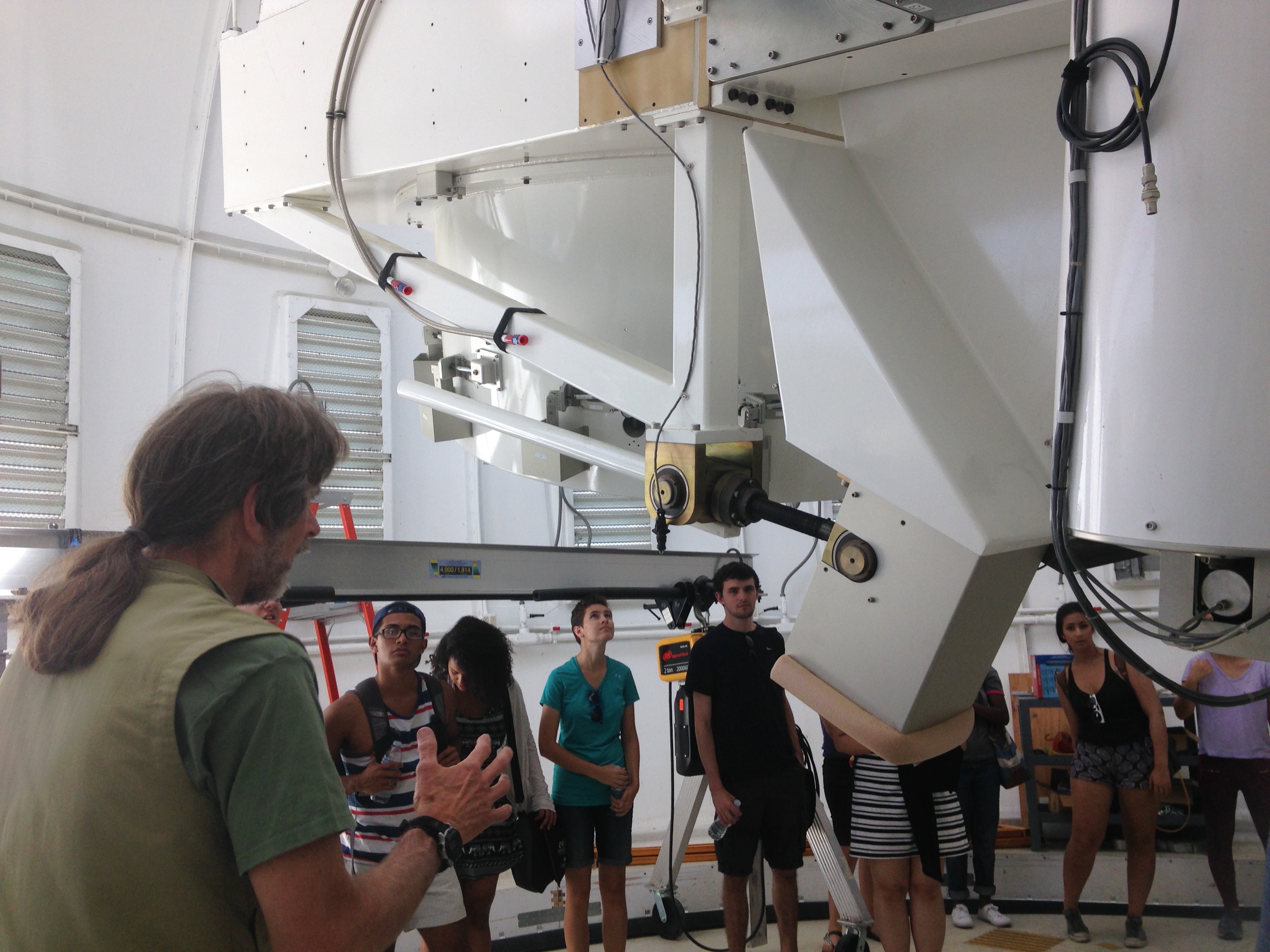
day3.SUAI.2016 - 23 day3.SUAI.2016 - 24 day3.SUAI.2016 - 20 day3.SUAI.2016 - 21 day3.SUAI.2016 - 22 day3.SUAI.2016 - 18 day3.SUAI.2016 - 19 day3.SUAI.2016 - 16 day3.SUAI.2016 - 17 day3.SUAI.2016 - 14 day3.SUAI.2016 - 15 day3.SUAI.2016 - 11 day3.SUAI.2016 - 12 day3.SUAI.2016 - 13 day3.SUAI.2016 - 9 day3.SUAI.2016 - 10 day3.SUAI.2016 - 8 day3.SUAI.2016 - 7 day3.SUAI.2016 - 5 day3.SUAI.2016 - 6 day3.SUAI.2016 - 4 day3.SUAI.2016 - 1 day3.SUAI.2016 - 2 day3.SUAI.2016 - 3

Talk by Aditya Sood (Pom ’97) at Caltech Summer institute

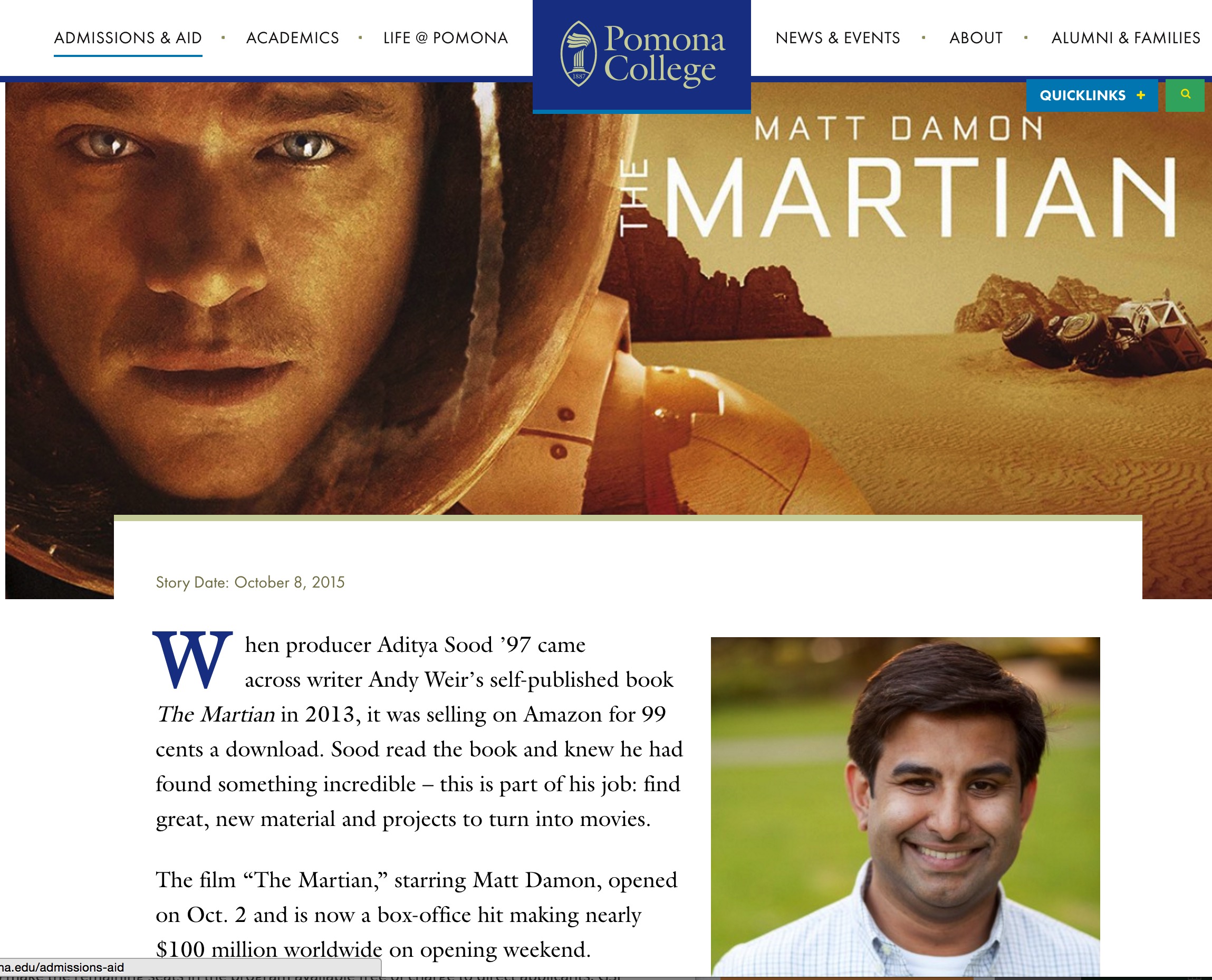
My former student, Aditya Sood (Pom ’97), gave a wonderful talk to our undergraduate researchers at Caltech on the second day of our Caltech Summer Undergraduate Astronomy Institute. Aditya took my Astronomy 1 course at Pomona many years ago, and it was part of his development as a broadly educated liberal arts student – which eventually placed him in a role as a Producer of The Martian. Aditya’s journey is a wonderful testament to the power of liberal arts education – where courses in science for non-majors have a profound impact and enable cross-connections that can have large societal impact. In Aditya’s case, he was able to produce a movie that provided a compelling image of science as solving problems in a collaborative way – and that brought the full diversity of a team to bear on saving a stranded astronaut. The beauty of the movie includes not only its dazzling panoramas of Mars, its gleaming space hardware, but the way in which it portrays a future in which humans are working together to build a positive future that is based on exploration and on science. I am immensely grateful to Aditya for producing this movie and inspiring millions – and for his great talk to our undergraduates at Caltech!  Aditya in an earlier talk at Pomona College described his Pomona College astronomy class with me long ago:

“The greatest thing about Pomona was taking classes in any field. I’d always wanted to be an astronaut for the first 12 years of my life and so I took Bryan Penprase’s astronomy class my first year, which was great,” says Sood.

The image below is from the press release at Pomona during his 2015 talk – and shows both Aditya and Matt Damon, the star of the movie. Below are some images from Aditya’s talk at Caltech. Thanks again to Aditya – and keep doing great work to inspire others about science!


\screenshot_2813


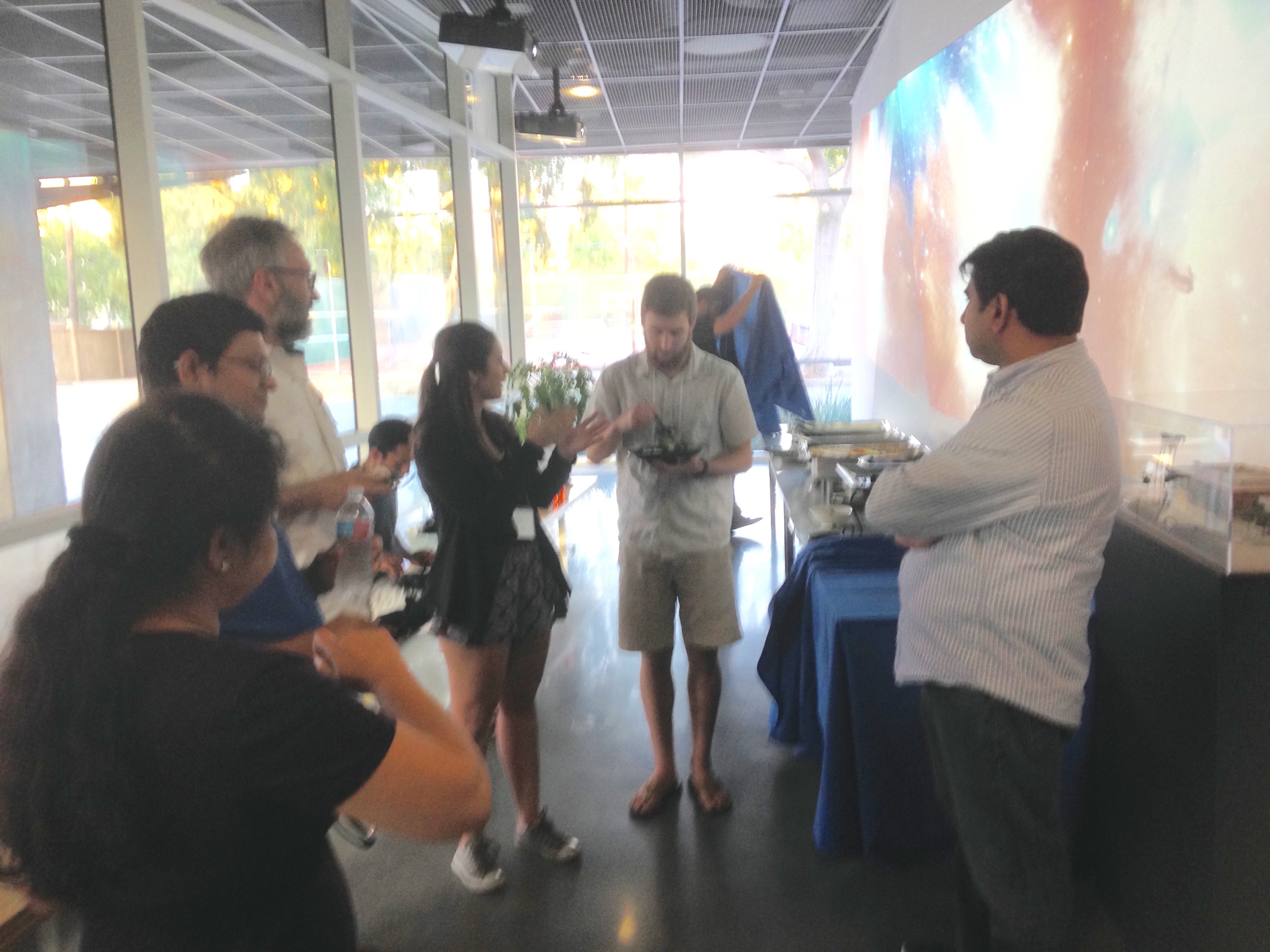
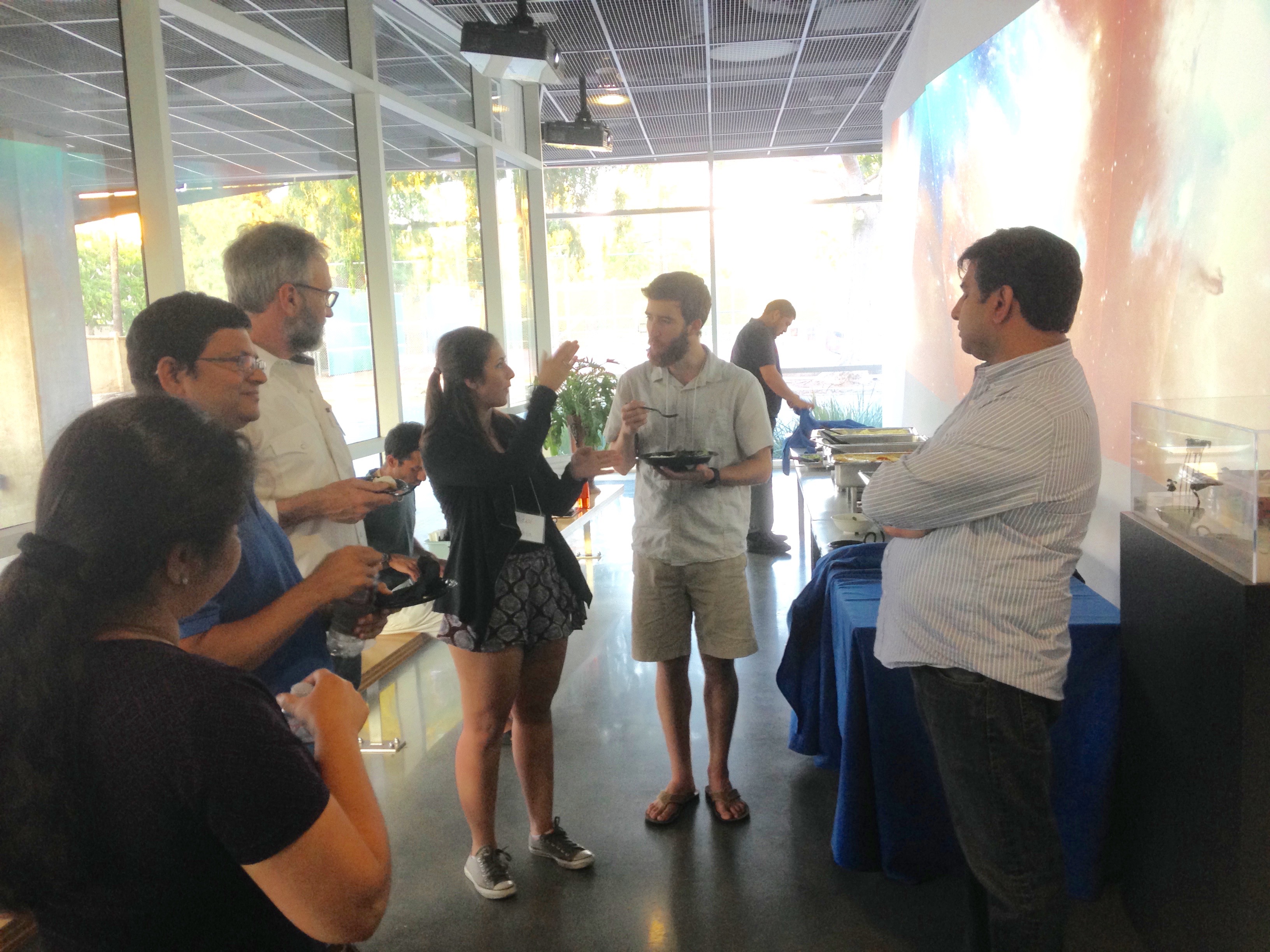
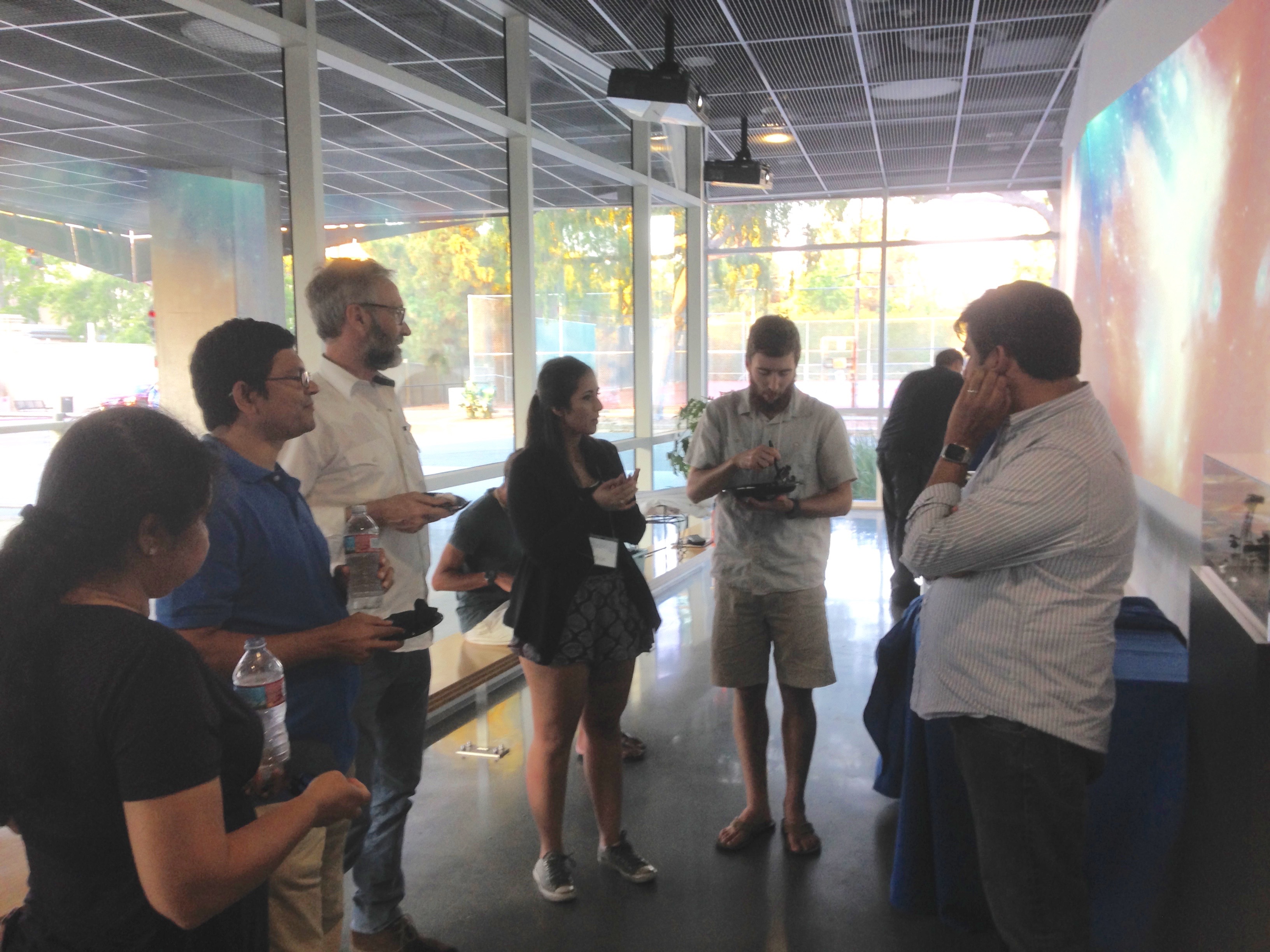
Below are some photos of Aditya addressing our group of Caltech and Pomona students at our ZTF Summer Undergraduate Astronomy Institute – June 20-24, 2016.

day1.SUAI.2016 - 22 day1.SUAI.2016 - 23  day1.SUAI.2016 - 21 day1.SUAI.2016 - 19

screenshot_2815

screenshot_2816


Caltech ZTF Summer Undergraduate Astronomy Institute

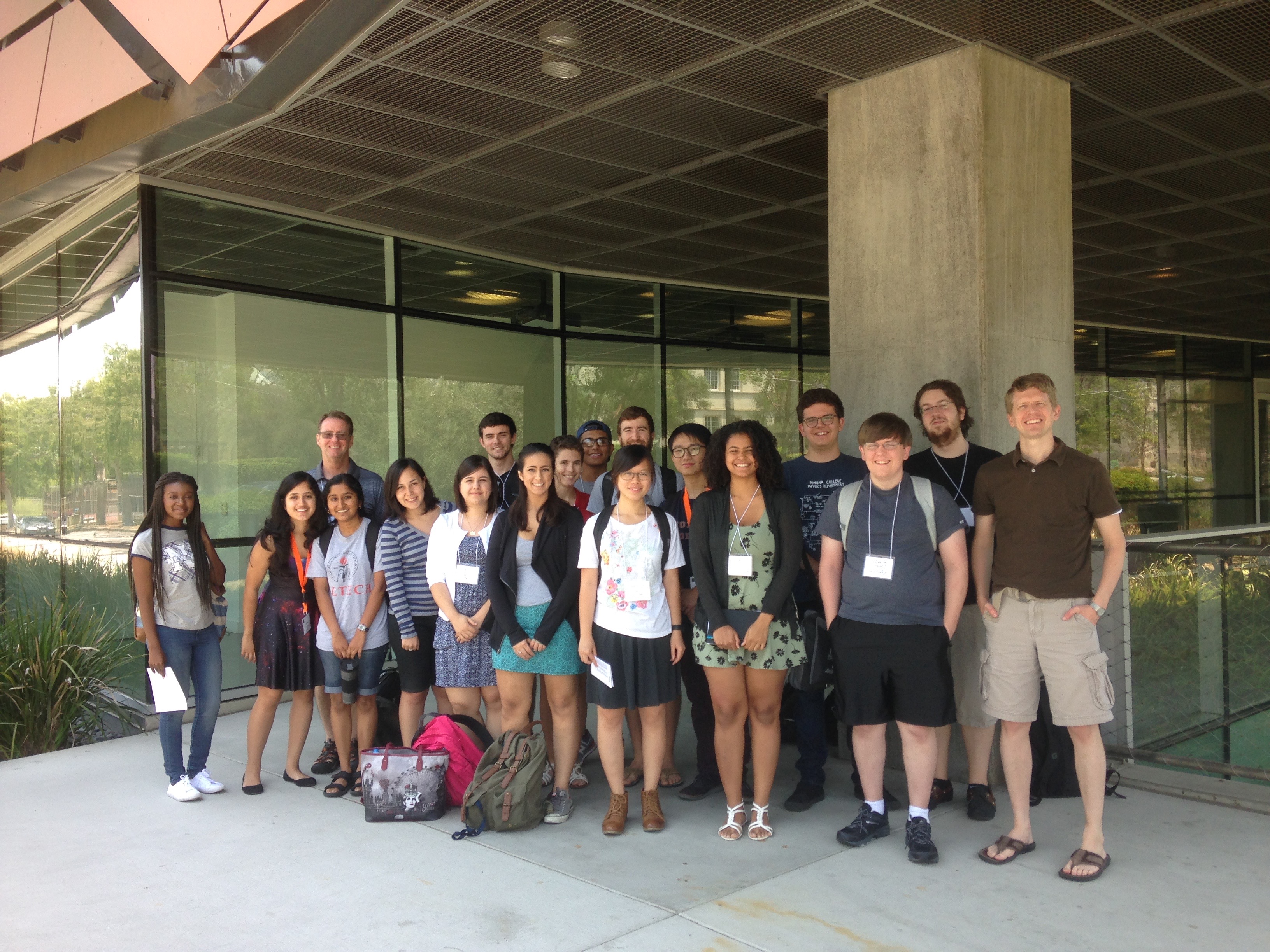
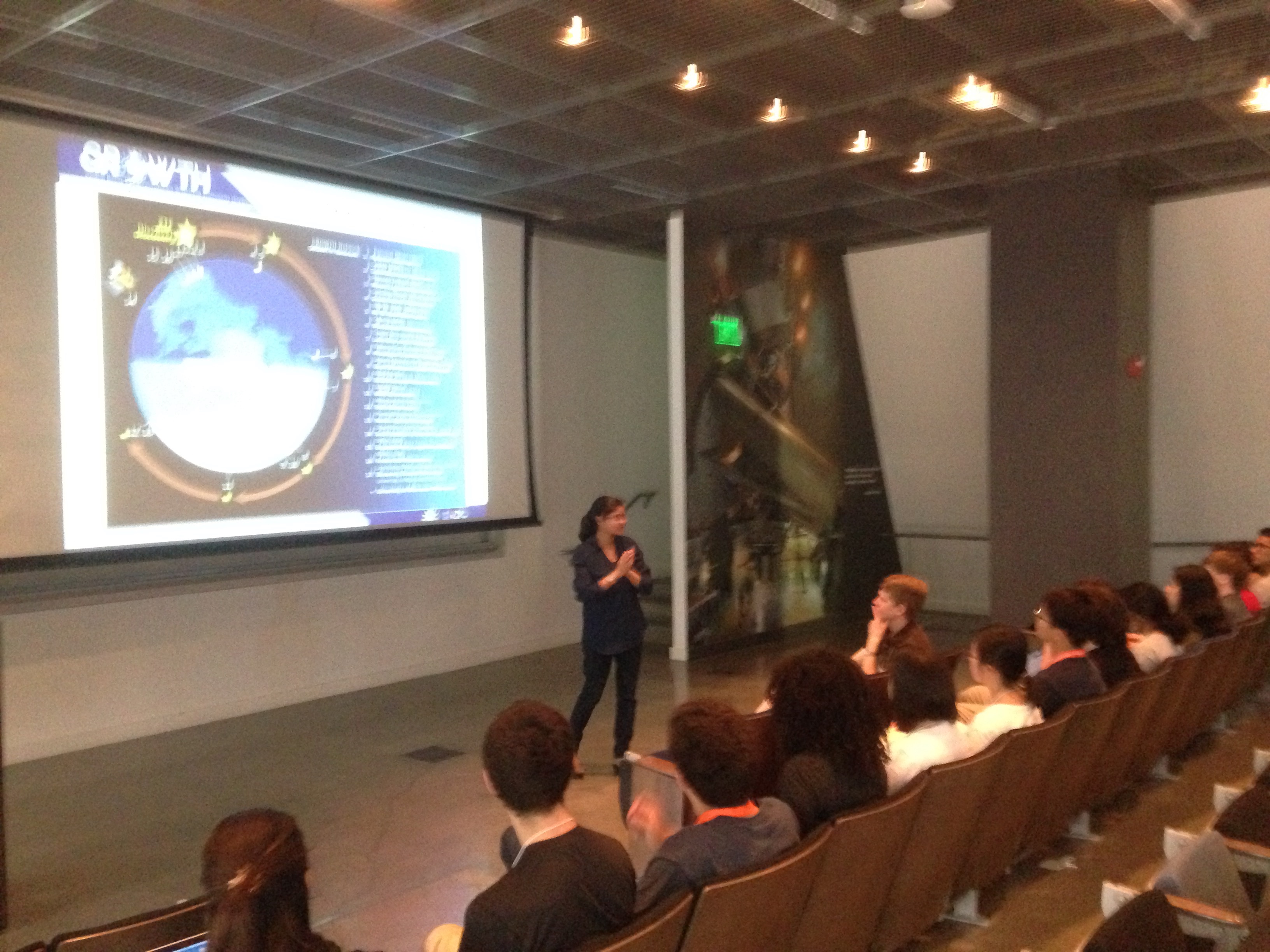
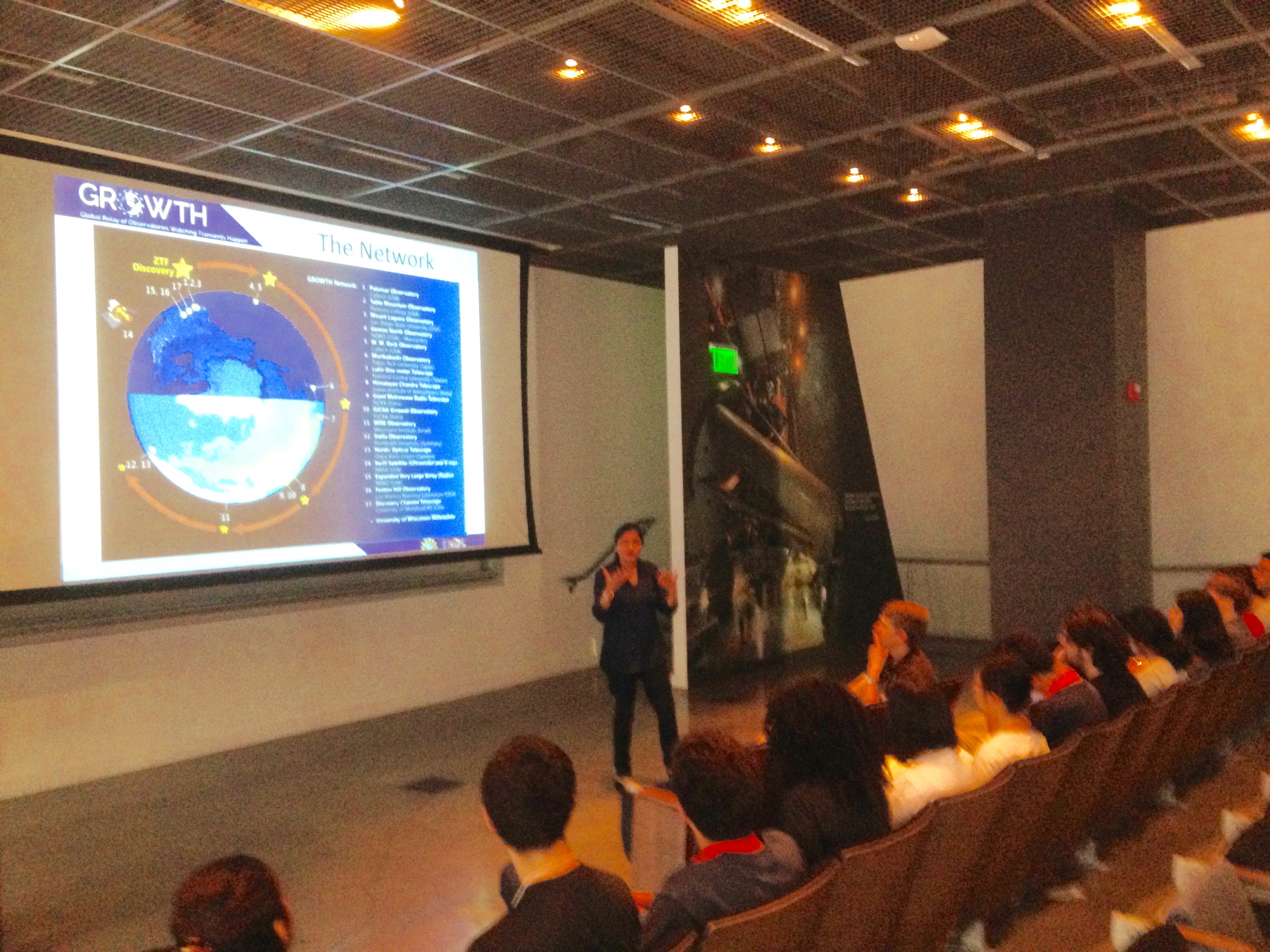
For the second year in a row, we have offered the ZTF Summer Undergraduate Astronomy Institute. The program is funded by our NSF grant for ZTF, and brings together 16 students from Caltech SURF projects and from Pomona SURP projects. You can see more information at our web site at http://ztf.commons.yale-nus.edu.sg/.

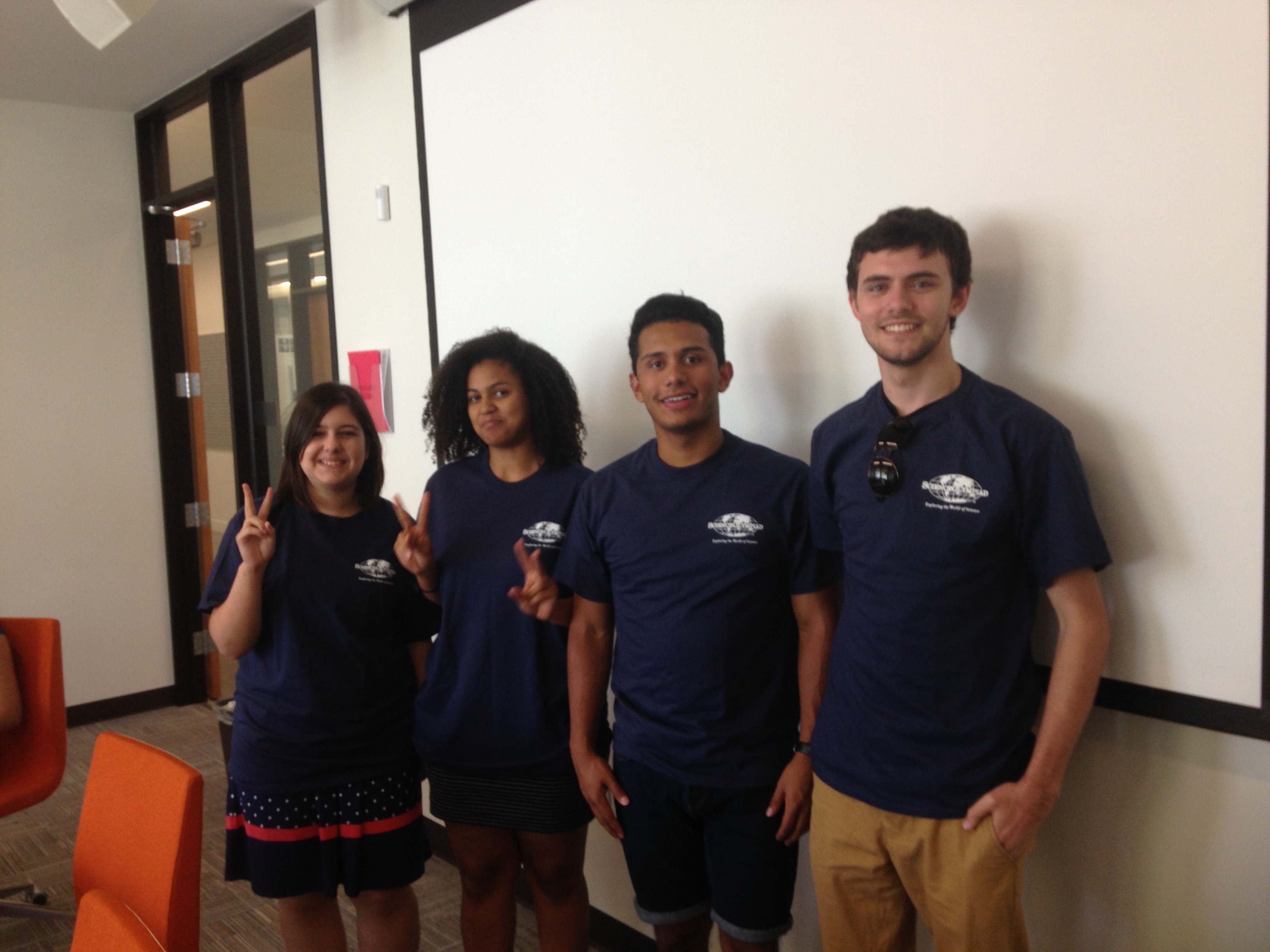
This year we were joined by two students from Williams College, one from University of Wisconsin Milwaukee, and one from Howard University. The group had a dazzling amount of intellectual and cultural diversity, with students hailing from Albania, Turkey, India, China, Italy, and the US, and from institutions that included Lafayette College, Princeton, Pomona, Yale-NUS College, Williams, and Caltech. The students really bonded and got to know each other. The program excels because of this chance for students to reflect on their careers and their trajectory as scientists. We give them many opportunities to know Caltech scientists at all levels – graduate students, postdocs, and professors, and to know each other. The chance to exchange life stories is almost as valuable as their chance to learn more about astronomy!

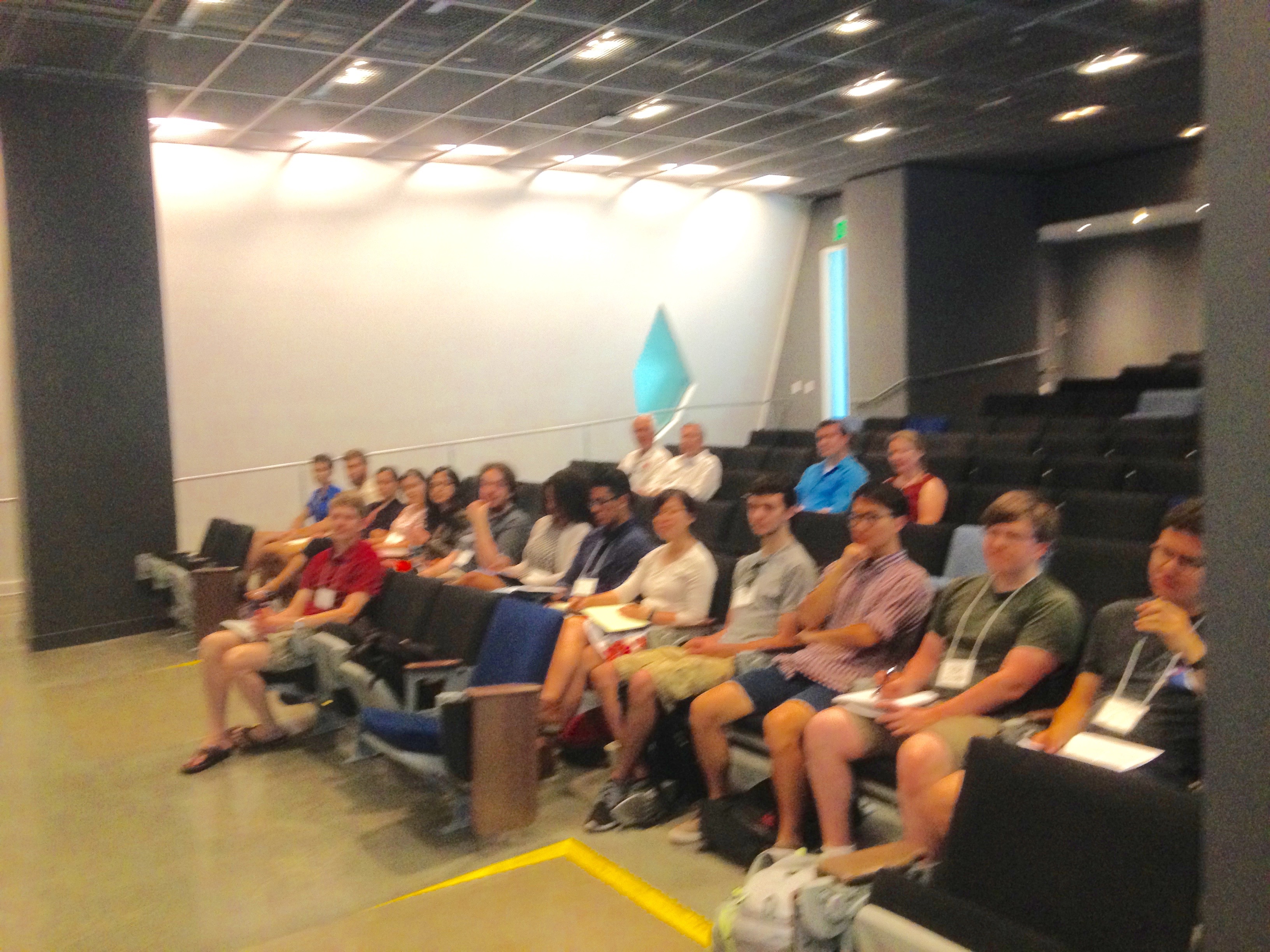
This year we had two days at Caltech that featured a wonderful mix of talks, lab tours, and events. This year we were joined by two Pomona College alumni – Aditya Sood, producer of The Martian (Pom ’97), and Cameron Hummels, Caltech postdoctoral scholar (Pom ’01). Both gave excellent talks. For Aditya we had a pre dinner talk on his experience producing The Martian , and his influences in science (which included my Pomona astronomy course!). After his talk we had a screening of the Martian in the Caltech auditorium. Cameron is currently sponsoring a Pomona undergraduate in research – Charlie Watson. Both Cameron and Charlie came to astronomy through computer science and it is wonderful to see Cameron’s progress as he has developed a fantastic research program combining the latest supercomputer simulations with direct comparisons with data. Cameron also is able to predict quasar absorption lines from his simulations so I look forward to working with him more as a research collaborator!


Below is the schedule for the first two days at Caltech

Day 1 – Monday, June 20, 2016 – Caltech Orientation and Talks 

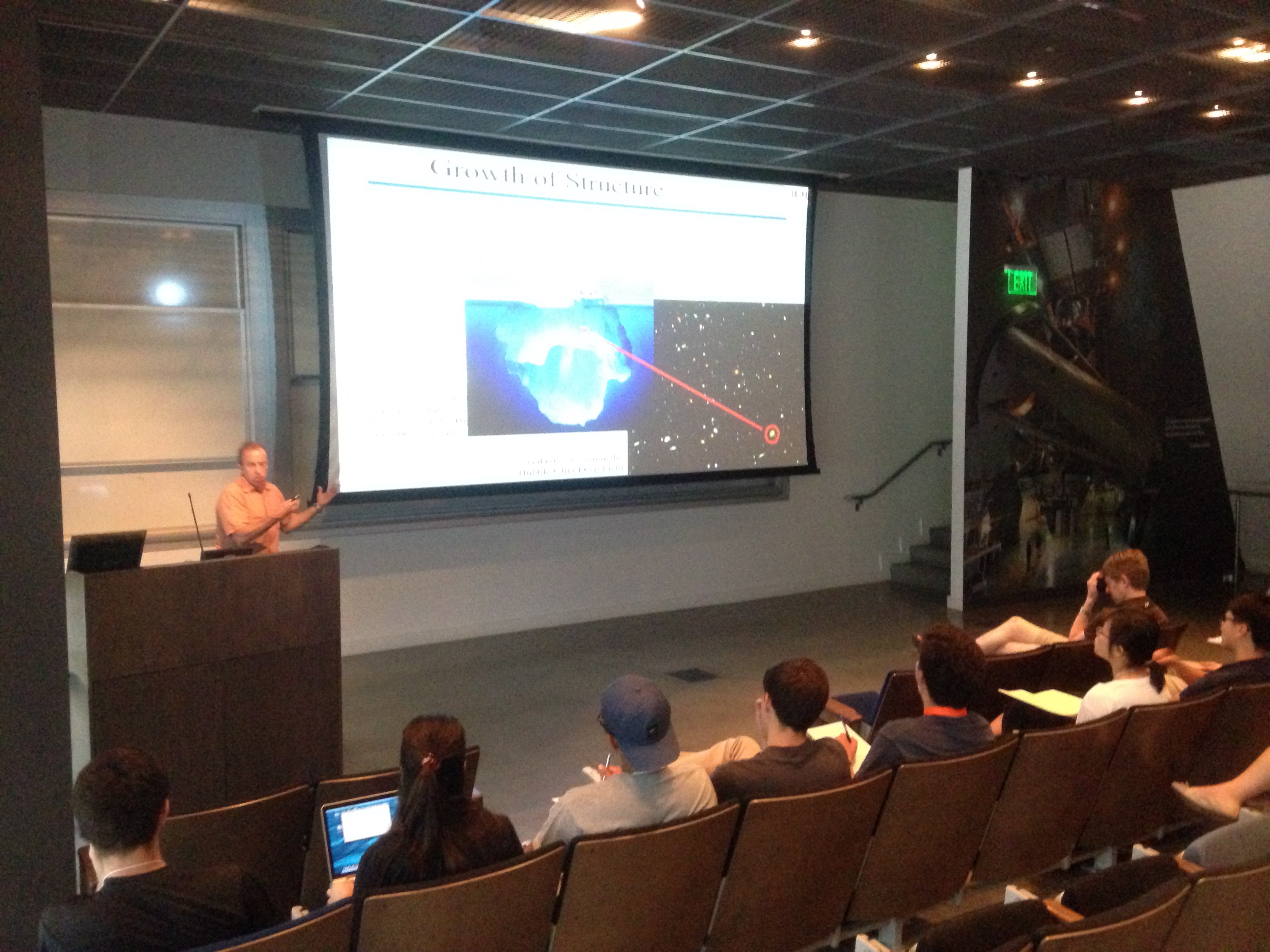
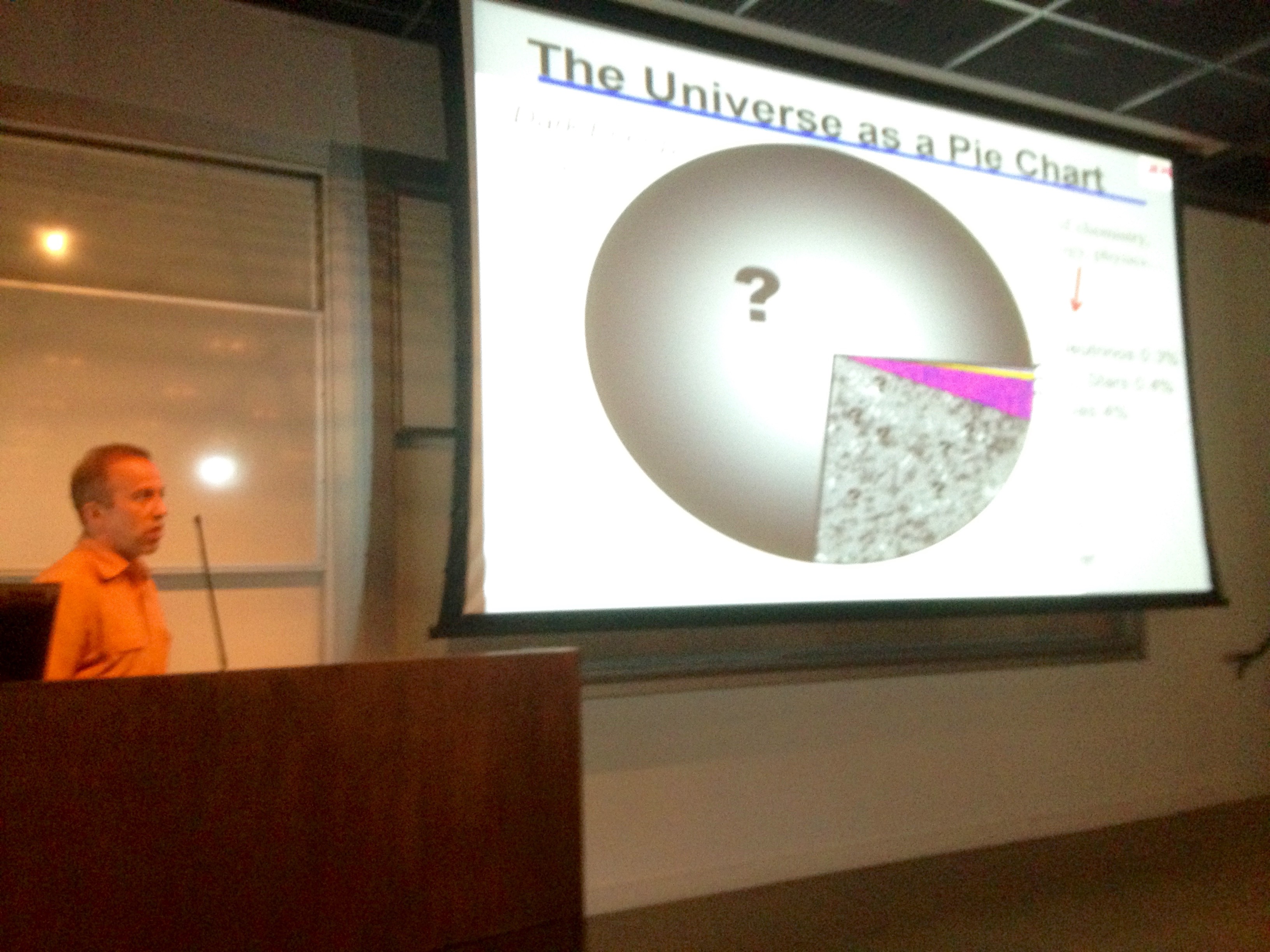
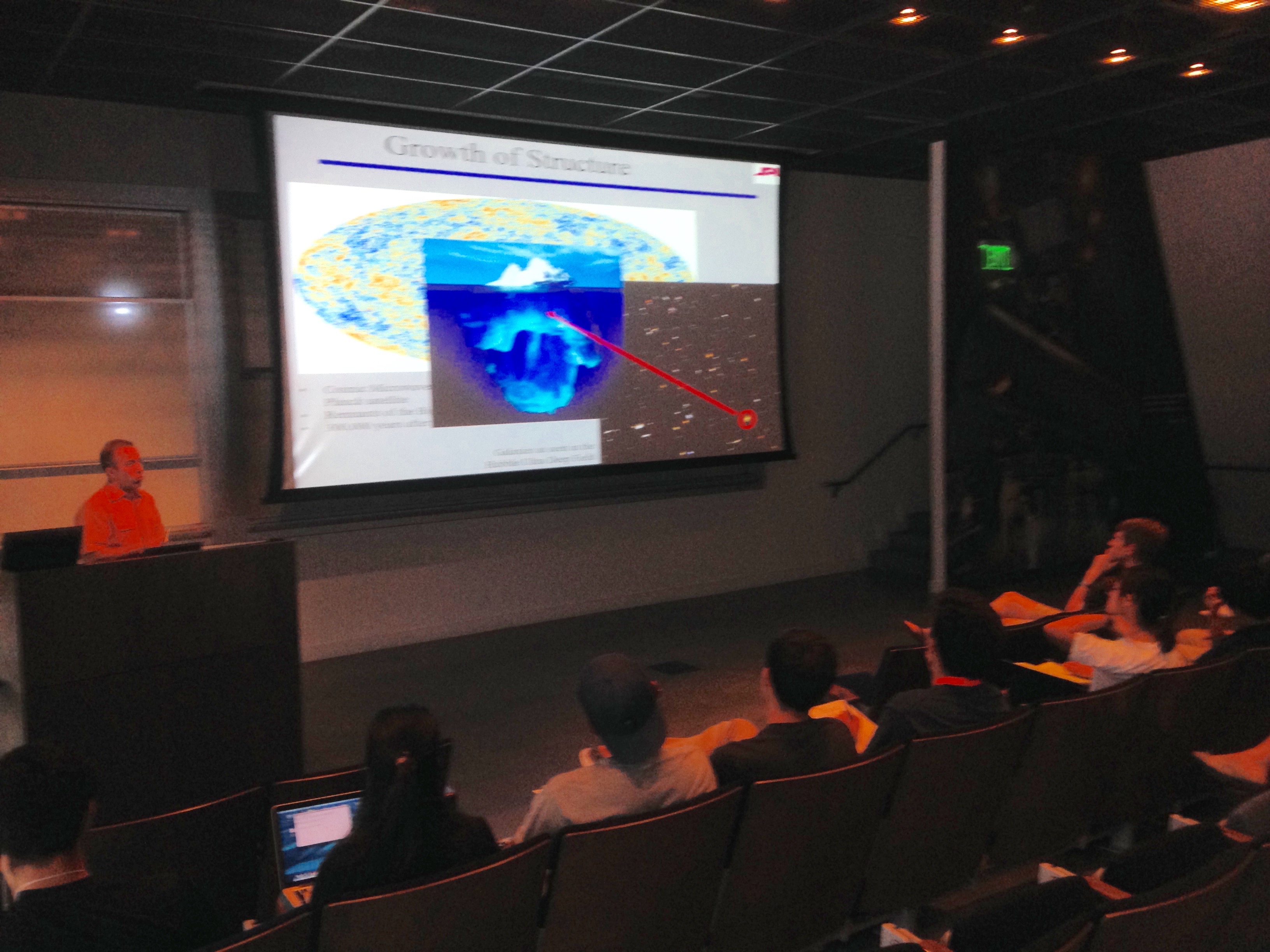
Day 1 features a round-up of talks from the research mentors and leads in the ZTF project. The goal is to give you a sense of the astrophysical and technical context of your projects. Scientific talks will highlight some of the recent research results from the Caltech investigators, and how the your summer project will contribute to the research. From this day you will learn about not only their own projects, but will gain awareness of the larger community of investigators at Caltech and the scientific and technical projects of your fellow students.

Schedule for Day 1

9:00-9:30 Reception and introductions over coffee and pastries
9:30-9:45 Shri Kulkarni – Caltech professor, and Director, Caltech observatories – http://www.astro.caltech.edu/~srk/
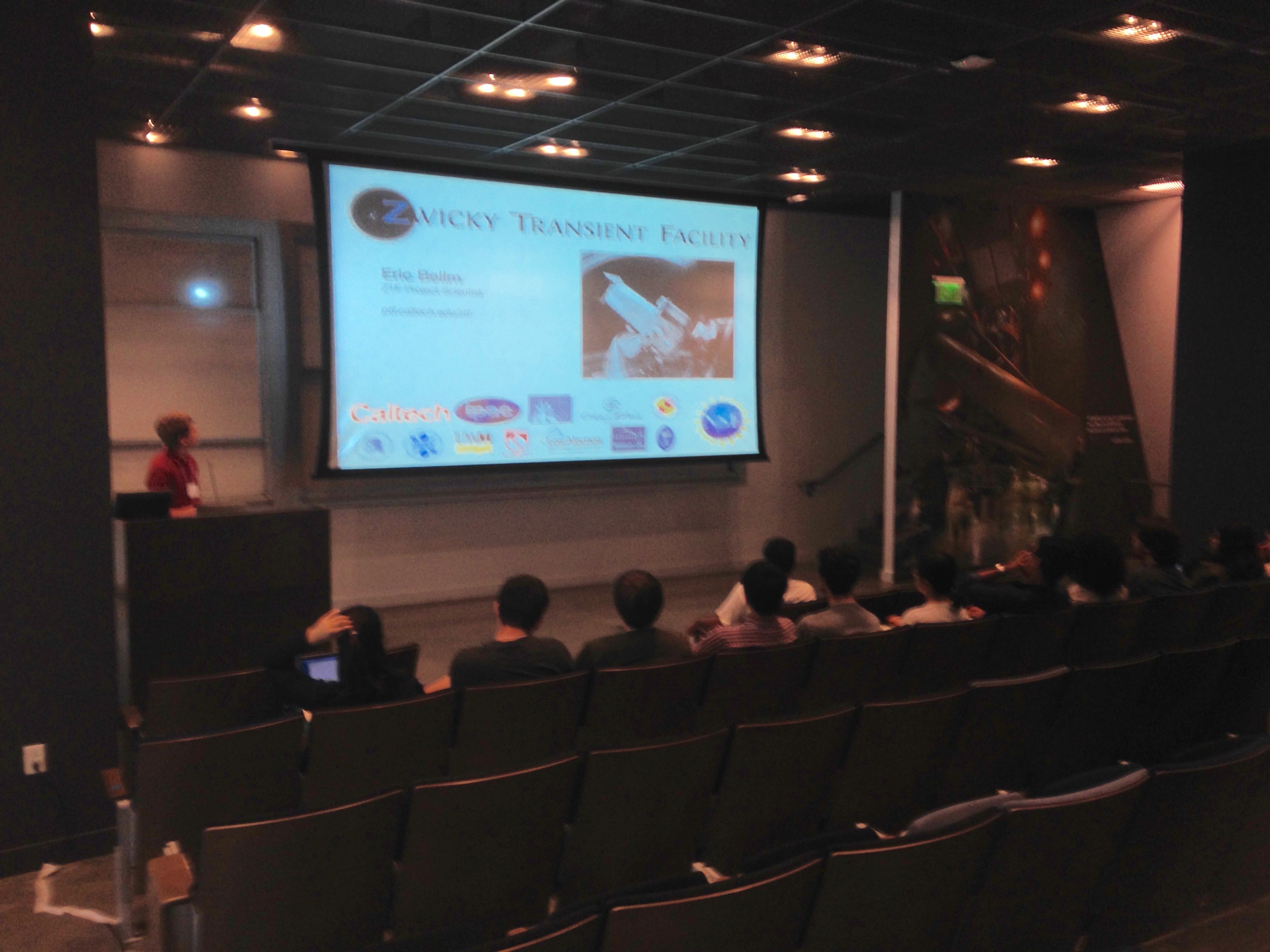
9:40-10:00 Eric Bellm – Caltech ZTF Project scientist – talk: Bellm_ZTF-undergrads_160619  website: – http://www.astro.caltech.edu/~ebellm/
10:10-10:40 Cameron Hummels – postdoc at Caltech – talk: Cameron_Hummels_talk_pomona website: http://chummels.org/#research
10:40-11:00 Ragnhild Lunnan – postdoctoral researcher on supernovae – talk:   Ragnhild_Lunnan_ztf_summer_institute  website: scholar.harvard.edu/rlunnan
11:00-11:30 break
11:30-11:50 Yi Cao – graduate student at Caltech + expert on supernovae –  “Fast and Furious: Finding Infant Supernovae” talk:  Yi_Cao_ZTF_undergrad_2016  website:
– http://www.astro.caltech.edu/~ycao/
11:50-12:10 David Cook – postdoctoral researcher on star clusters and star formation – Talk – DaveCook_PTFhalpha_CLU2 ;   website – http://www.astro.caltech.edu/~dcook/
12:15 lunch – with professors, grad students, and postdocs.

6:00PM Caltech Astronomy Dinner and Talk – Aditya Sood, Producer of “The Martian” (Caltech Astronomy Patio)

7:30-9:30PM – Viewing of The Martian at Caltech Astronomy Hameetman auditorium.

Day 2 – Tuesday, June 21, 2016 – Caltech Lab Tours and Technology 

Day 2 features a set of lab tours and discussions of the technical background within the ZTF projects. It also features additional talks by Caltech and JPL researchers, who are doing cutting-edge instrument development and satellite development in astrophysics.

9:00-9:30  Coffee and pastries
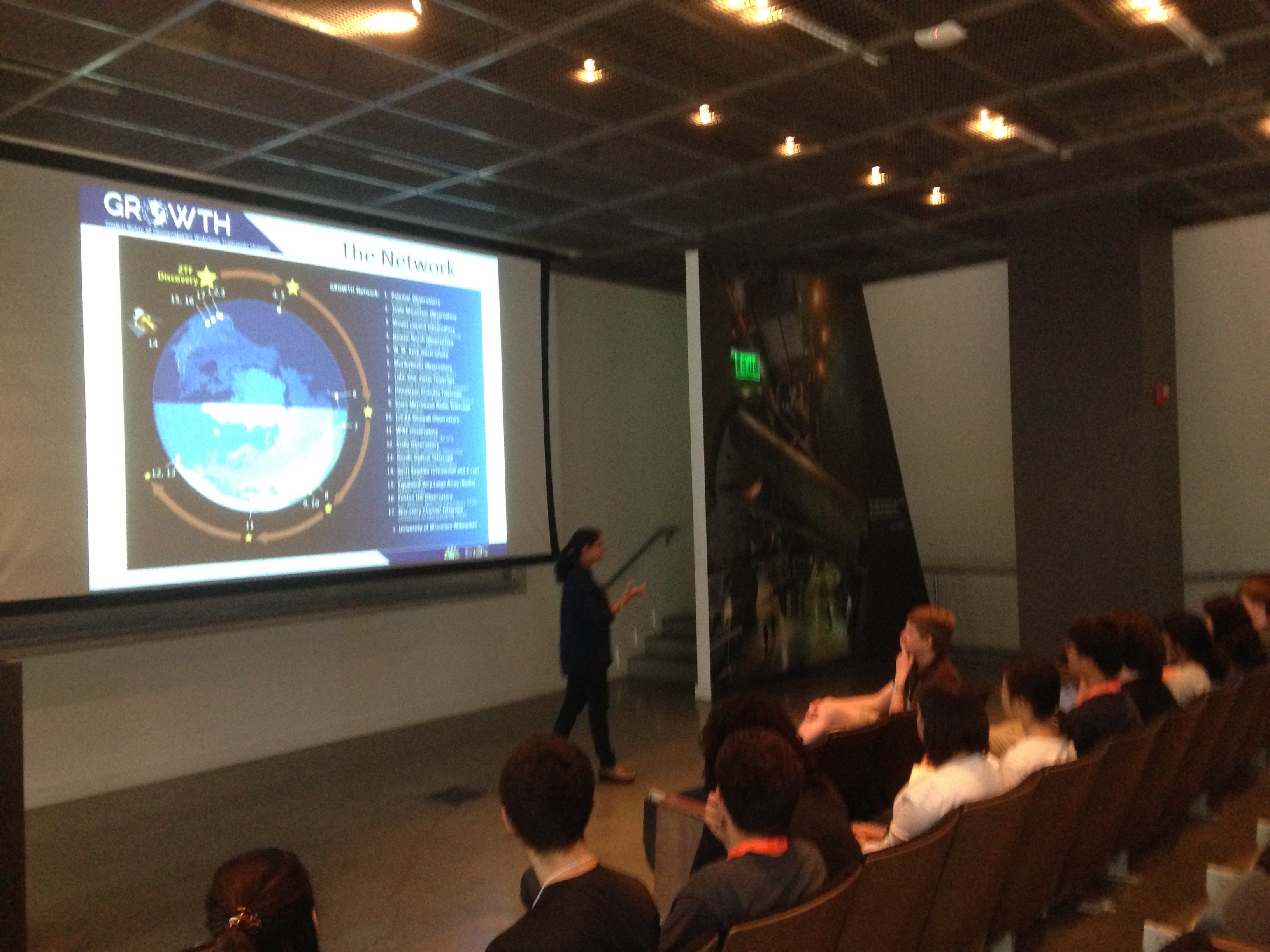
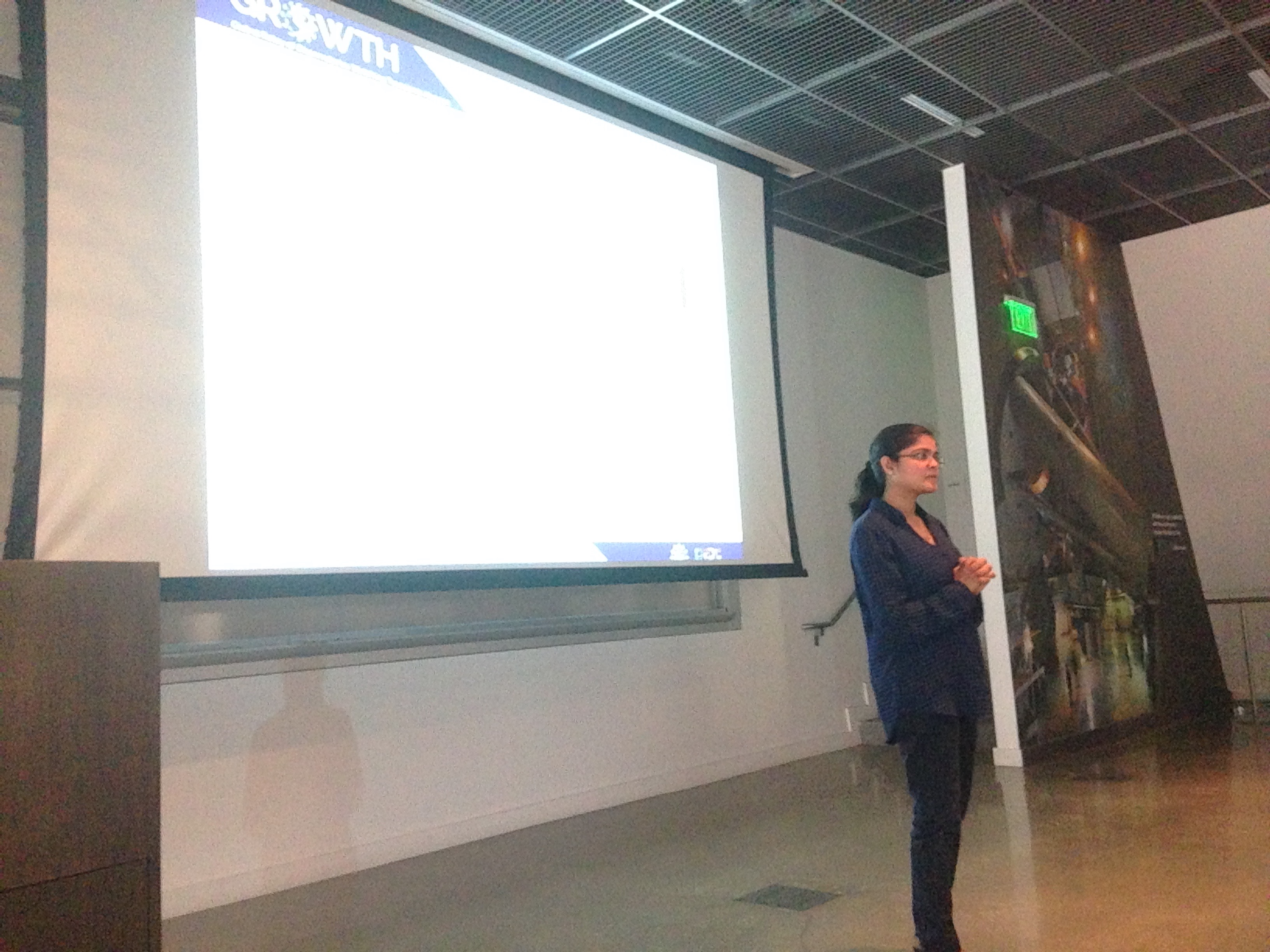
9:30-10:00 Mansi Kasliwal – Caltech professor and PI of the ZTF/PIRE project – http://www.caltech.edu/news/hunting-ephemeral-cosmic-flashes-conversation-mansi-kasliwal-49782
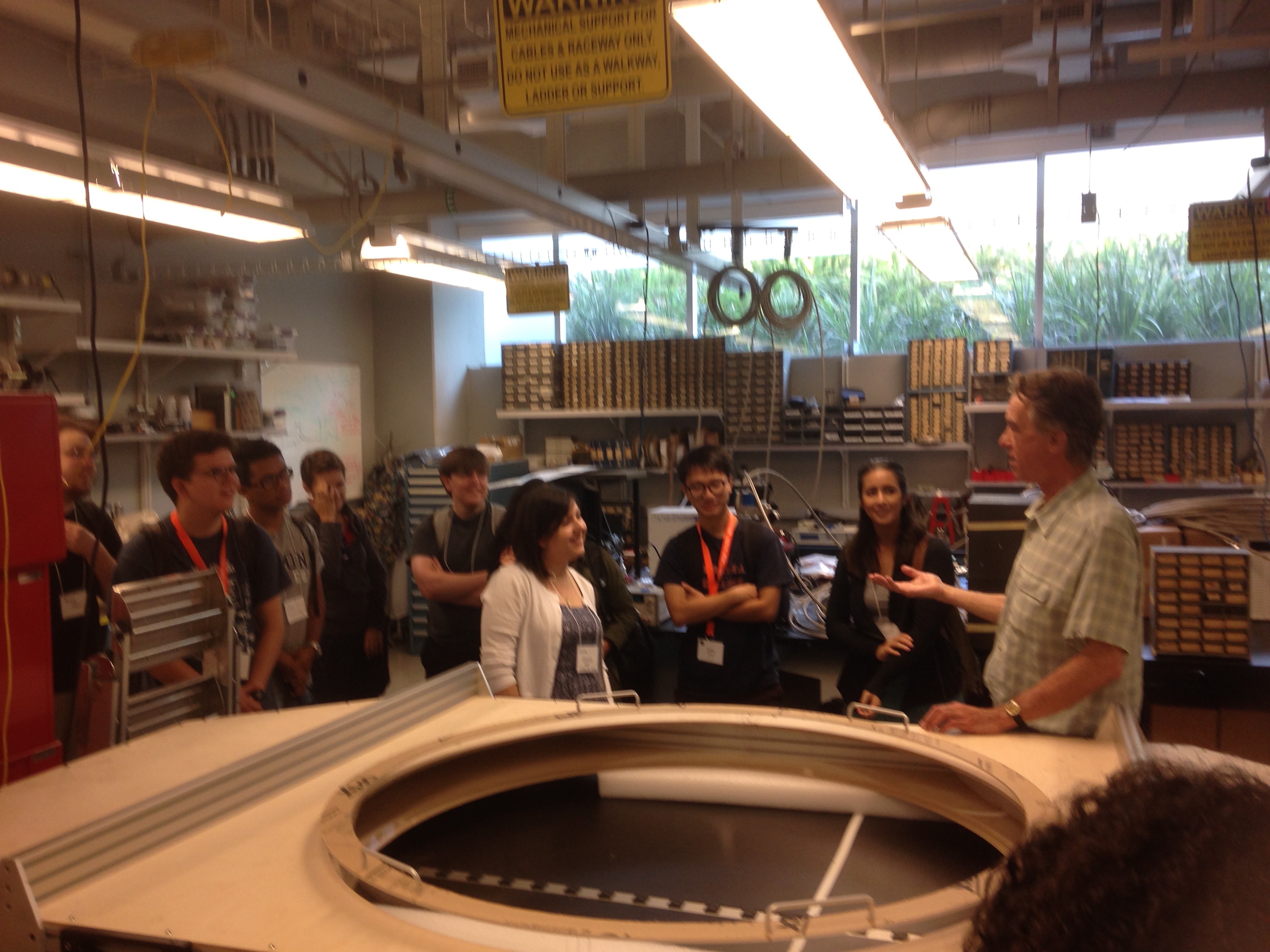
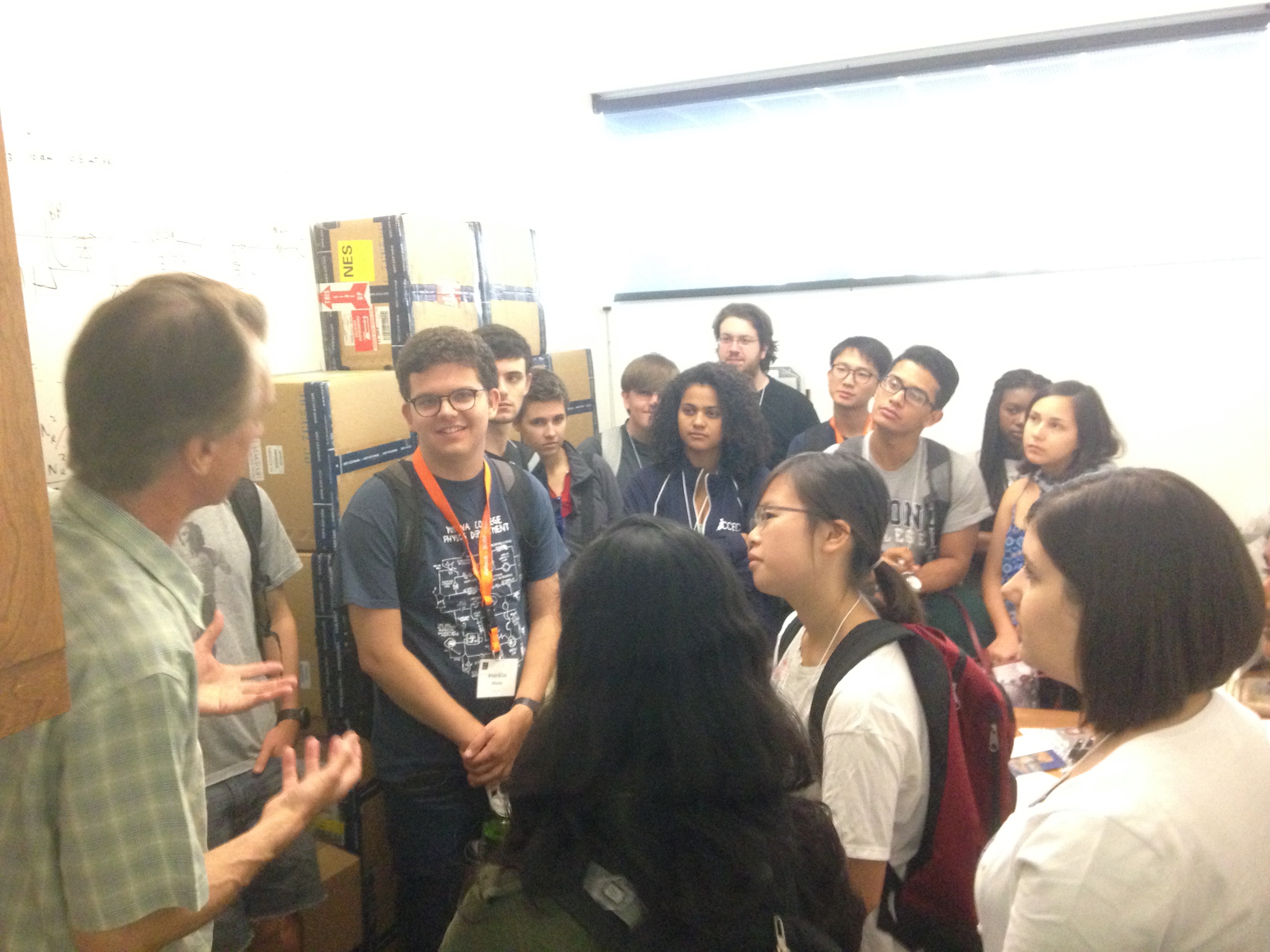
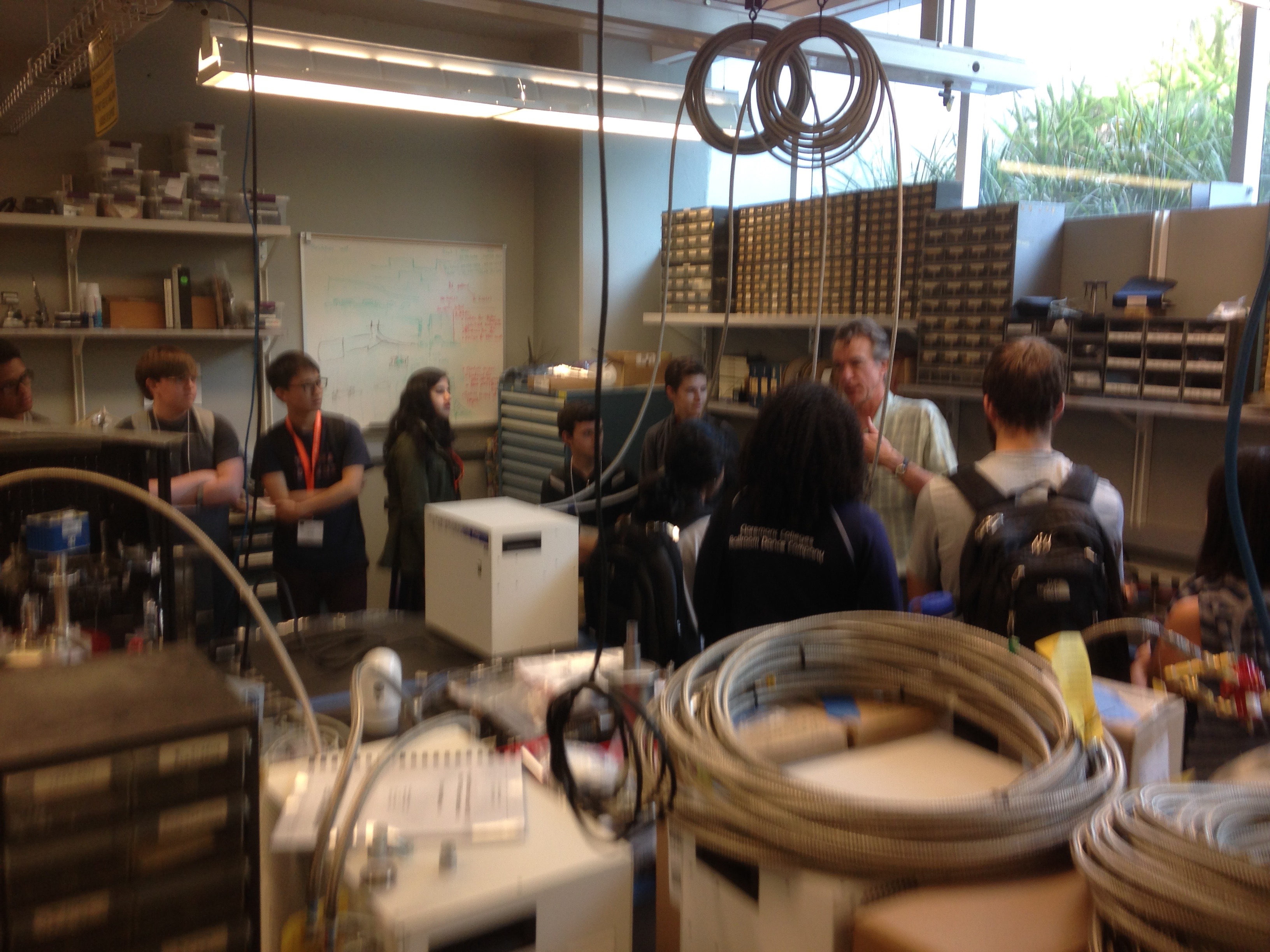
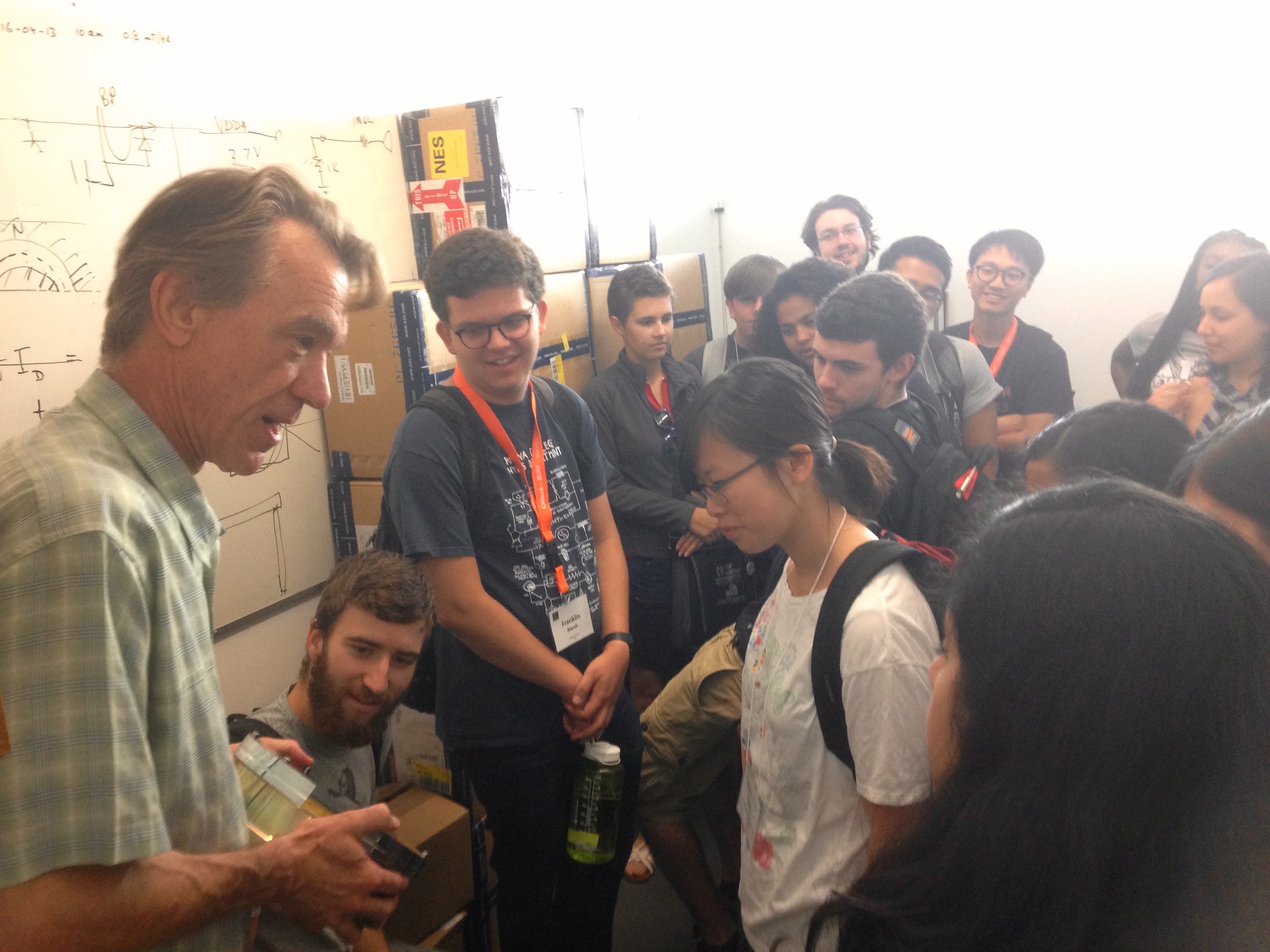
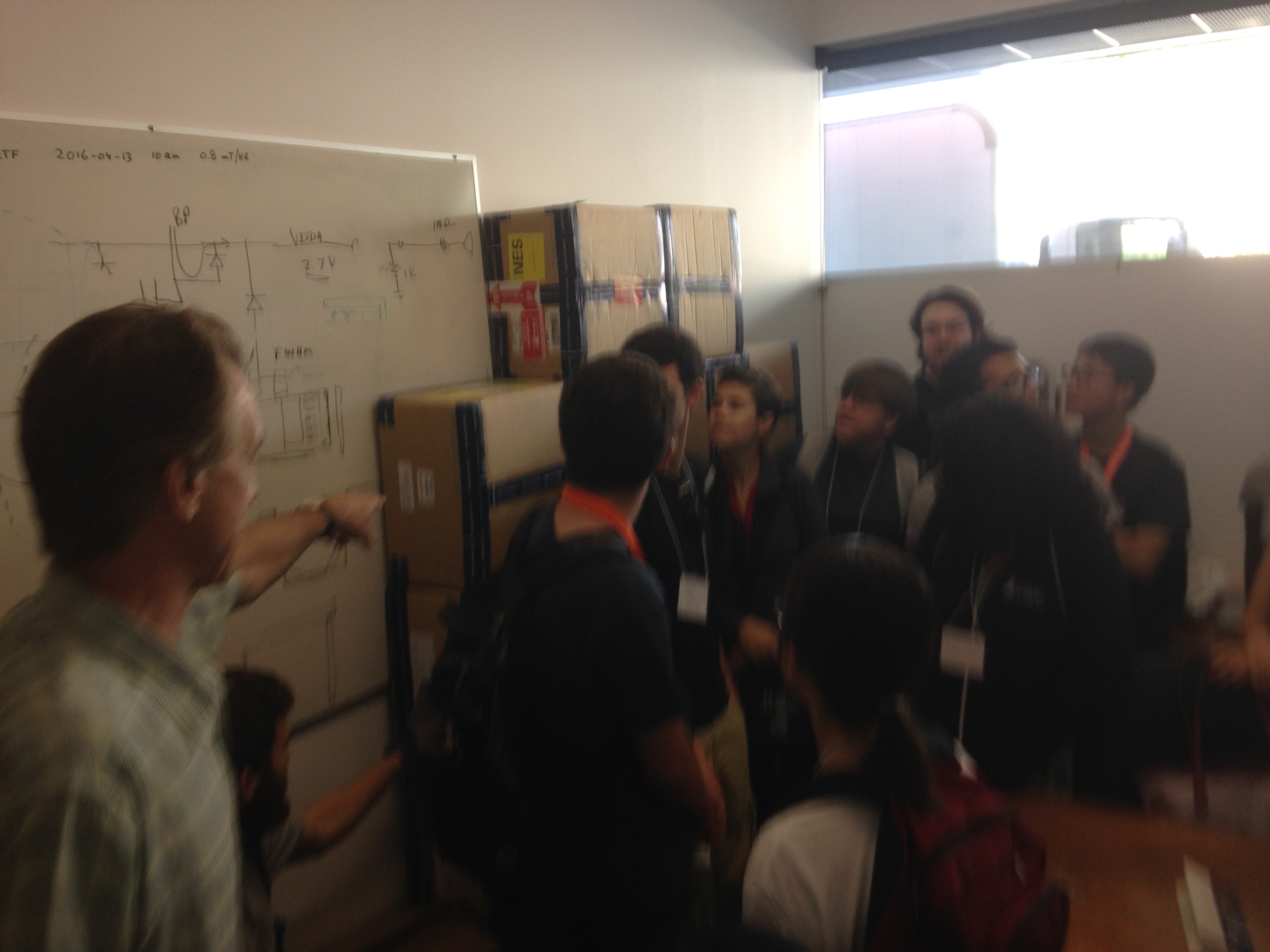
10:00-11:00 Lab tour of Caltech Observatories with Roger Smith
11:00-11:30 break
11:30-11:50 Thomas Kupfer – postdoctoral researcher on ZTF – http://www.astro.caltech.edu/~tkupfer/
11:50-12:20 Jason Rhodes – JPL research scientist – talk: Rhodes_ZTF-SS web site: – https://science.jpl.nasa.gov/people/JRhodes/
1:00 lunch with JPL and Caltech research scientists, postdocs and grad students at Caltech Atheneum
2:00 PM – Caltech scavenger hunt


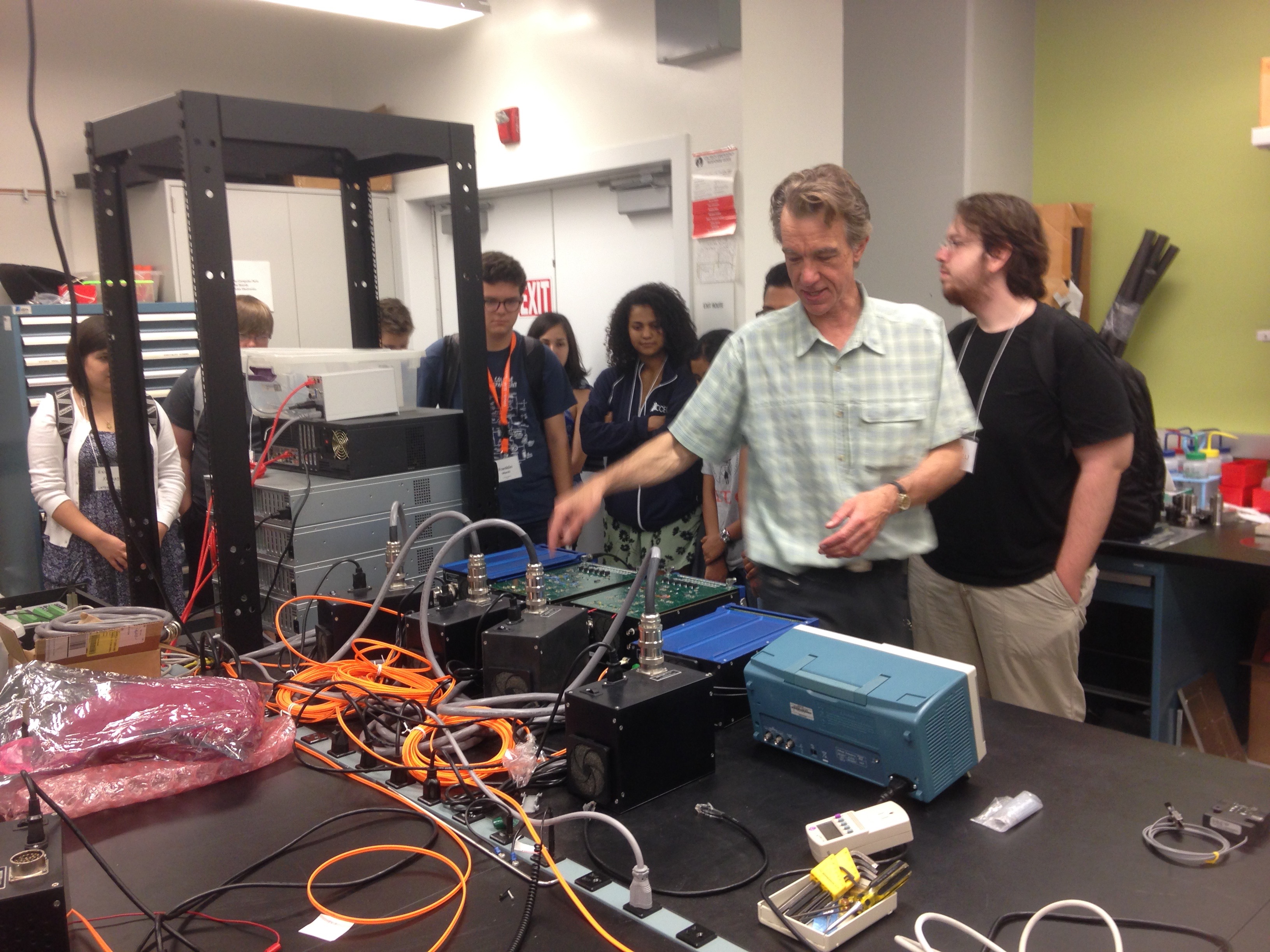
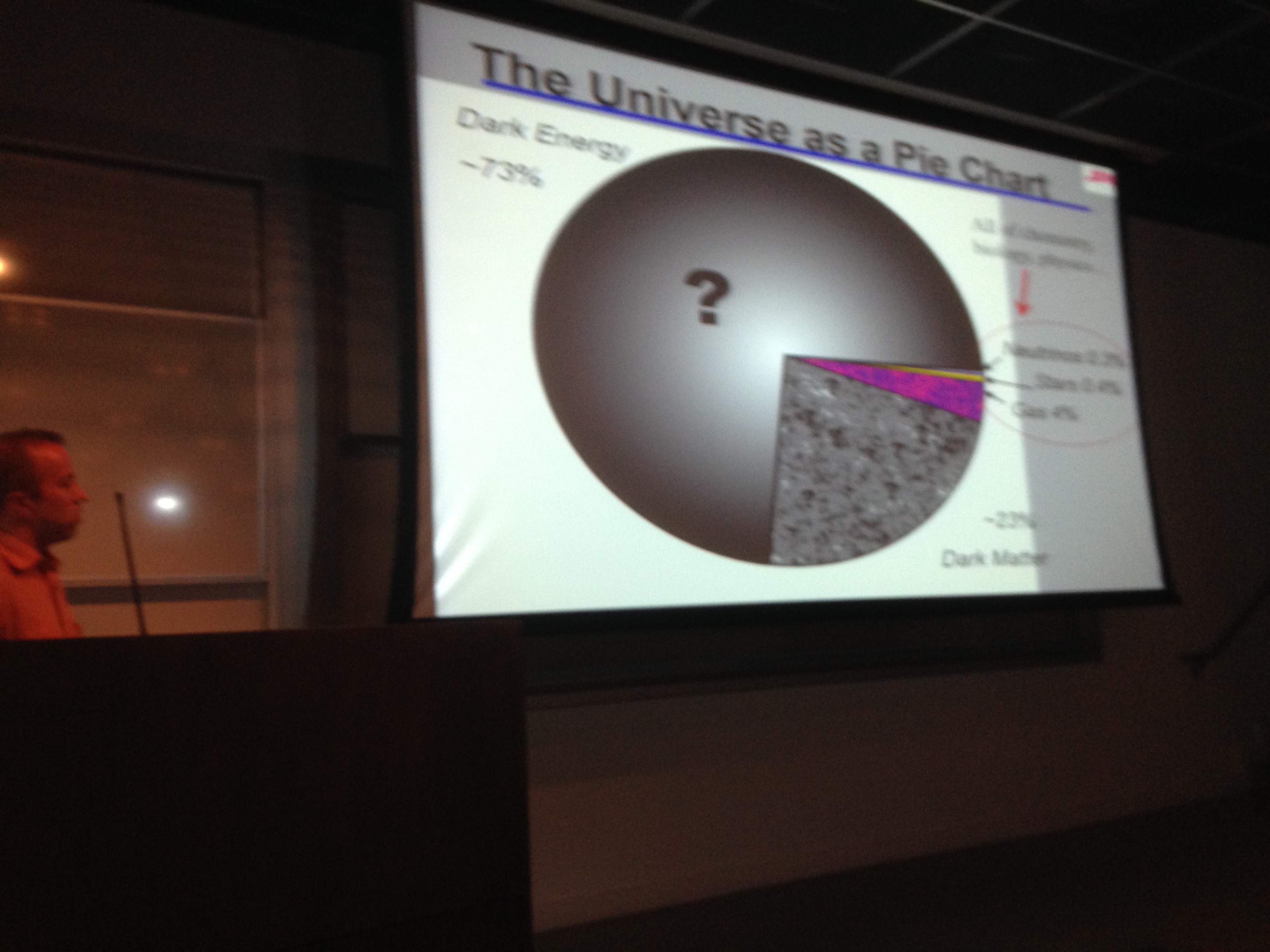
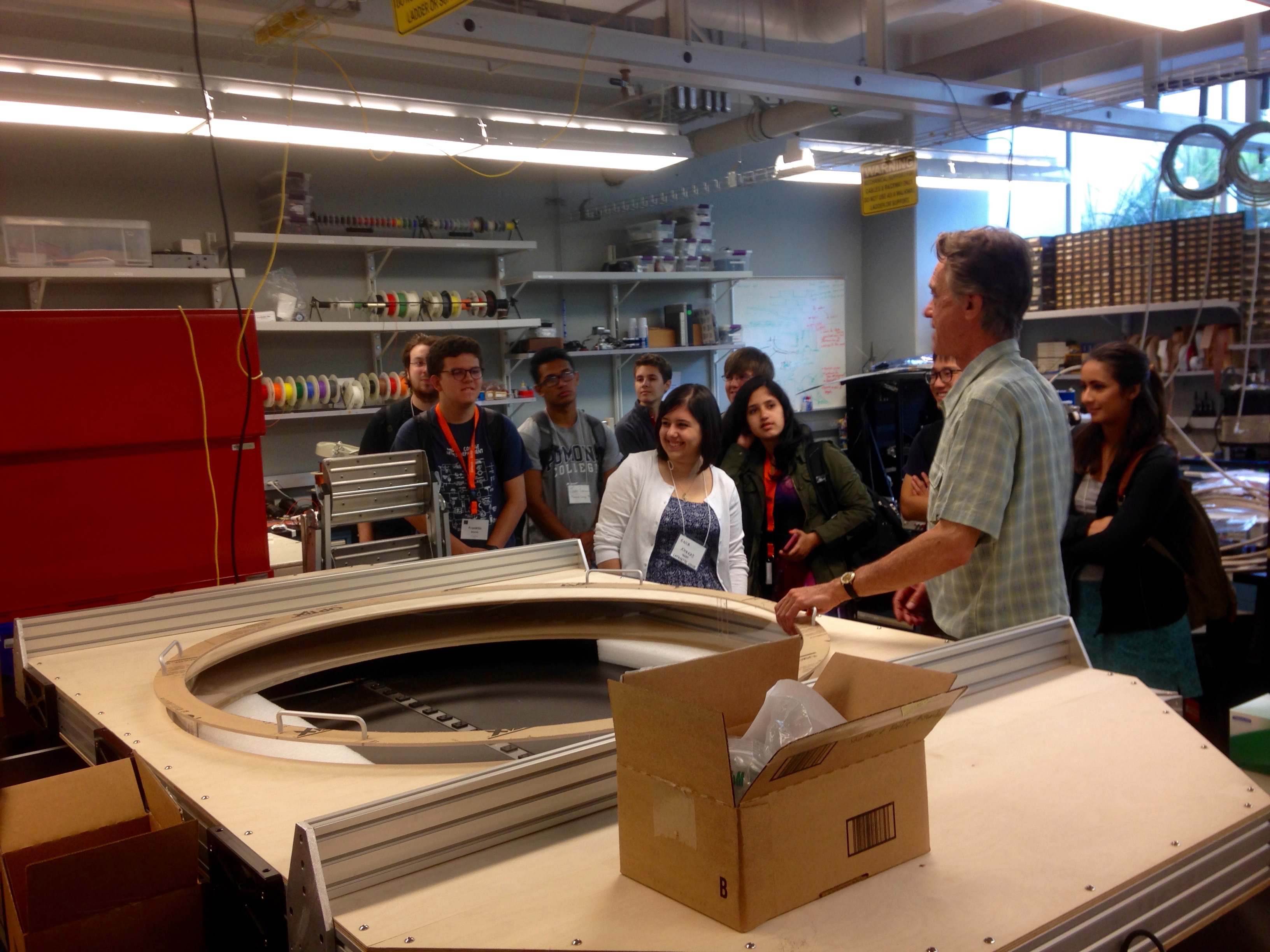
Pictures from Days 1 and 2 at Caltech
day2.SUAI.2016 - 27 day2.SUAI.2016 - 25 day2.SUAI.2016 - 26 day2.SUAI.2016 - 22 day2.SUAI.2016 - 23 day2.SUAI.2016 - 24 day2.SUAI.2016 - 19 day2.SUAI.2016 - 20 day2.SUAI.2016 - 21 day2.SUAI.2016 - 16 day2.SUAI.2016 - 17 day2.SUAI.2016 - 18 day2.SUAI.2016 - 12 day2.SUAI.2016 - 13 day2.SUAI.2016 - 14 day2.SUAI.2016 - 15 day2.SUAI.2016 - 10 day2.SUAI.2016 - 11 day2.SUAI.2016 - 9 day2.SUAI.2016 - 7 day2.SUAI.2016 - 8 day2.SUAI.2016 - 5 day2.SUAI.2016 - 6 day2.SUAI.2016 - 3 day2.SUAI.2016 - 4 day2.SUAI.2016 - 2 day2.SUAI.2016 - 1        day1.SUAI.2016 - 13 day1.SUAI.2016 - 14 day1.SUAI.2016 - 15 day1.SUAI.2016 - 16 day1.SUAI.2016 - 11 day1.SUAI.2016 - 12 day1.SUAI.2016 - 10 day1.SUAI.2016 - 9 day1.SUAI.2016 - 8 day1.SUAI.2016 - 7 day1.SUAI.2016 - 6 day1.SUAI.2016 - 5 day1.SUAI.2016 - 1 day1.SUAI.2016 - 2 day1.SUAI.2016 - 3 day1.SUAI.2016 - 4

Photos and Talks are online!

Our photos from the 2016 ZTF Summer Undergraduate Institute are online!  You can access pages that provide a gallery of photos from each of the days at Caltech, BBSO, or Pomona, as well as from our Palomar trip. The photo overview page gives links to each day’s photos. Also we have placed the PPT files for each of the talks at Caltech and at BBSO online. These talks are available at the ZTF schedule page – just after the listing for each speaker.  Thanks to all who made this Institute an amazing experience!  We are very grateful to the Caltech faculty, staff, postdocs and graduate students, and to Loredana Vertere and Jay Pasachoff for their contributions. Also the Palomar staff and Tom Kupfer, our very generous 200″ observer made for a magical Palomar experience. And Natalie Hughes and Eric Bellm who made huge contributions in organizing the Pomona and Caltech parts of the program!  Thanks!
palomar.SUAI.2016 - 15

Visit to Stanford University + CTL talk and STEM futures discussion

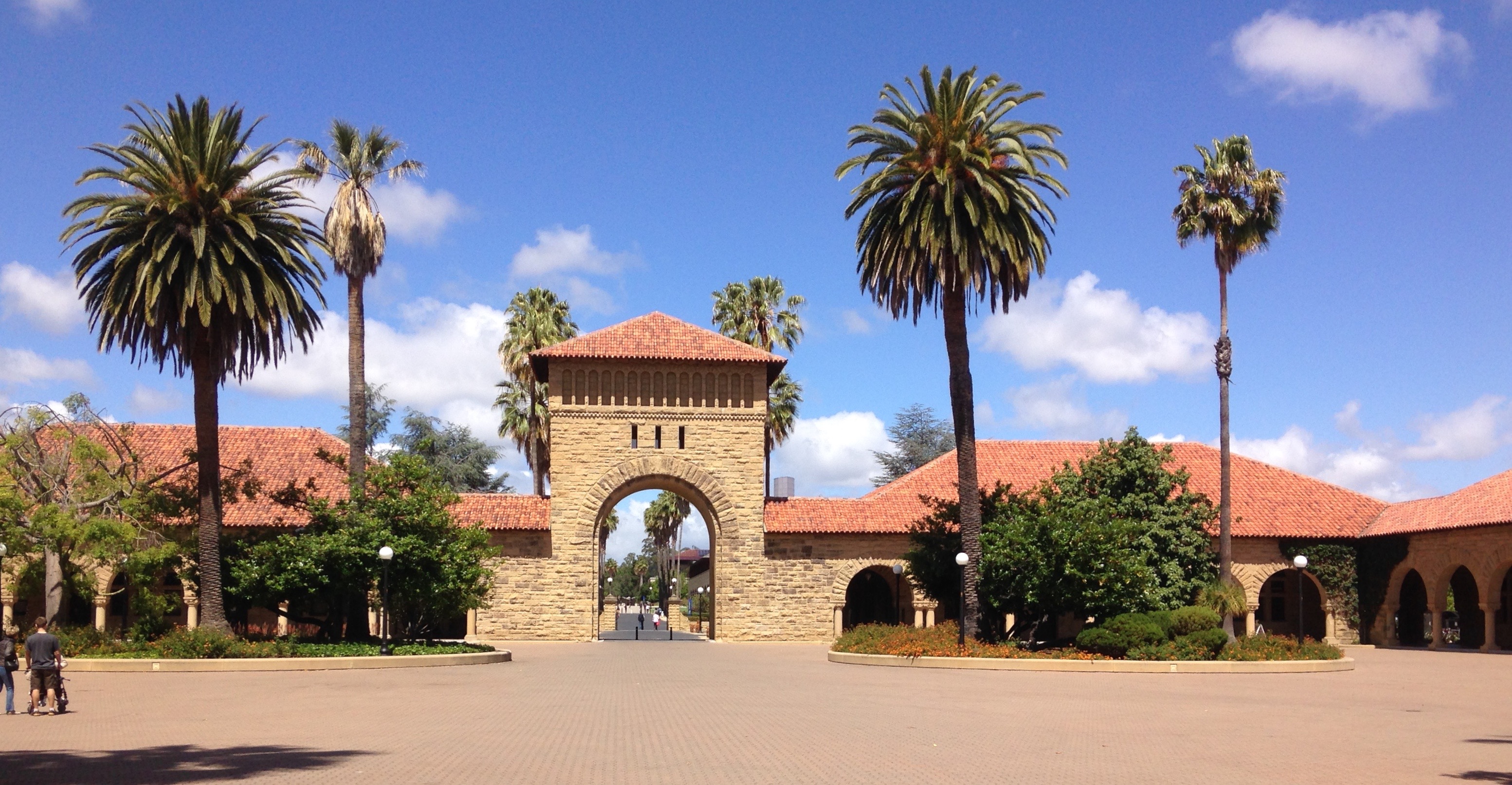
My trip to sun-drenched Palo Alto gave a wonderful chance to meet with some of the leaders in STEM education at Stanford University. I had a great set of meetings that included discussions about science education with Carl Wieman, Physics Nobel laureate from 1997, Drew Endy, a leading “synthetic biologist” and Robyn Wright Dunbar, Director of Stanford’s Center for Teaching and Learning.  I also gave a talk to Robyn’s group at CTL that included experts in humanities education, international education, psychology, and course design. It was a great chance to connect with Stanford – my alma mater – and see the amazing range of programs, brilliant new ideas, and beautiful new buildings.

From my discussion with Drew Endy I was able to think further about the future of science and technology as it relates to the revolution in biology. The “Moore’s Law” of computer science is now being experienced in biology, with genetic sequencing, and designer organisms easier to produce and exponentially cheaper. Drew describes how Wayne Gretsky’s quote about “skating to where the puck will be” has to be reformulated in this time to imagine a puck “with a rocket on it” to illustrate the ways in which change is non-linear, and accelerating!  This has massive implications for education, and we had a great discussion about the implications for students, and for our planet.

The education work at Stanford is truly inspiring, and I was amazed at the depth and range of programs that Robyn and her CTL group are working on, alongside Carl Wieman with his ambitious suite of STEM education activities. Clearly Stanford University is a force to be reckoned with – its future-oriented approach and fantastic people make me feel very confident that solutions in education, science and technology are at hand!
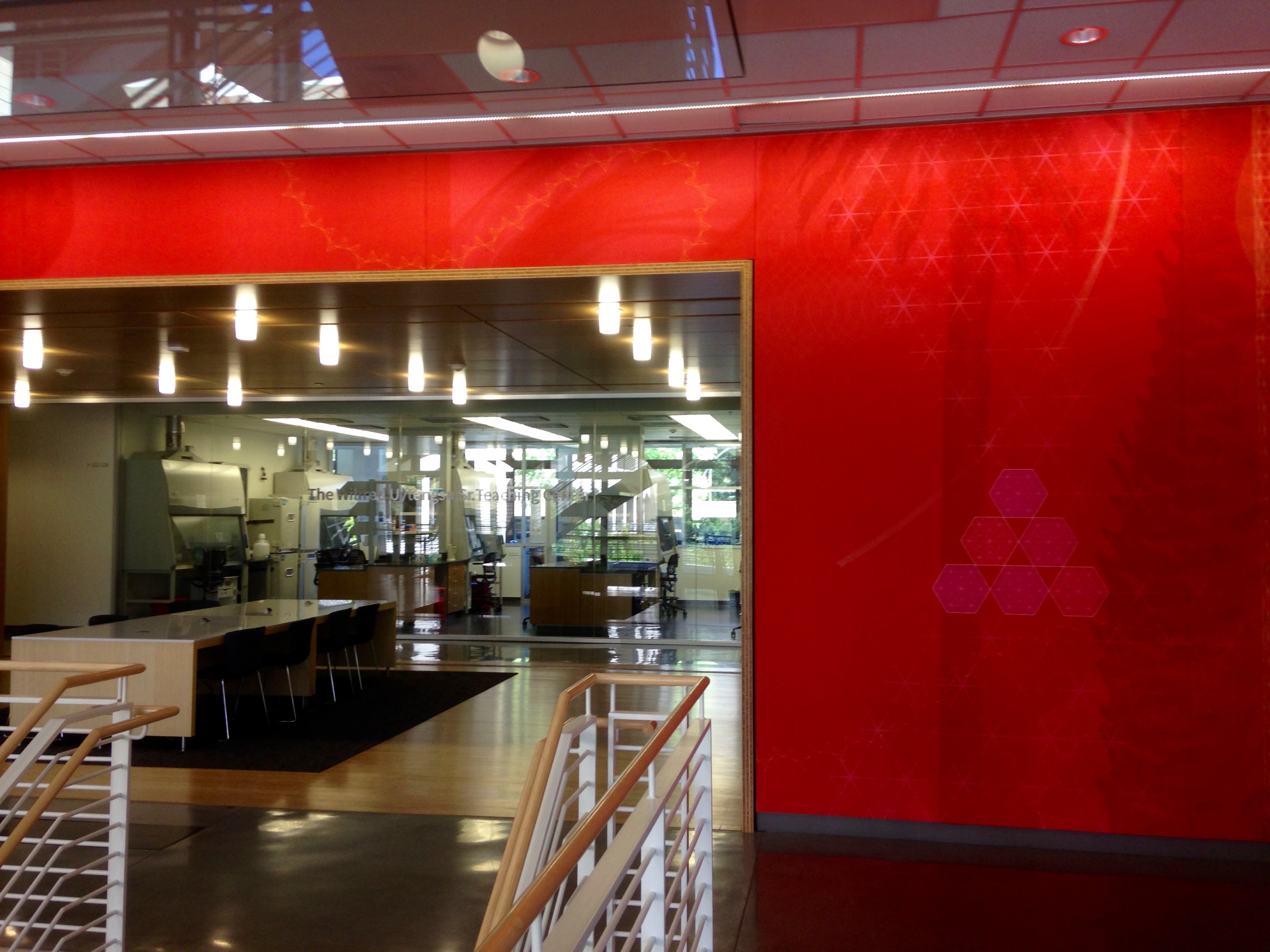
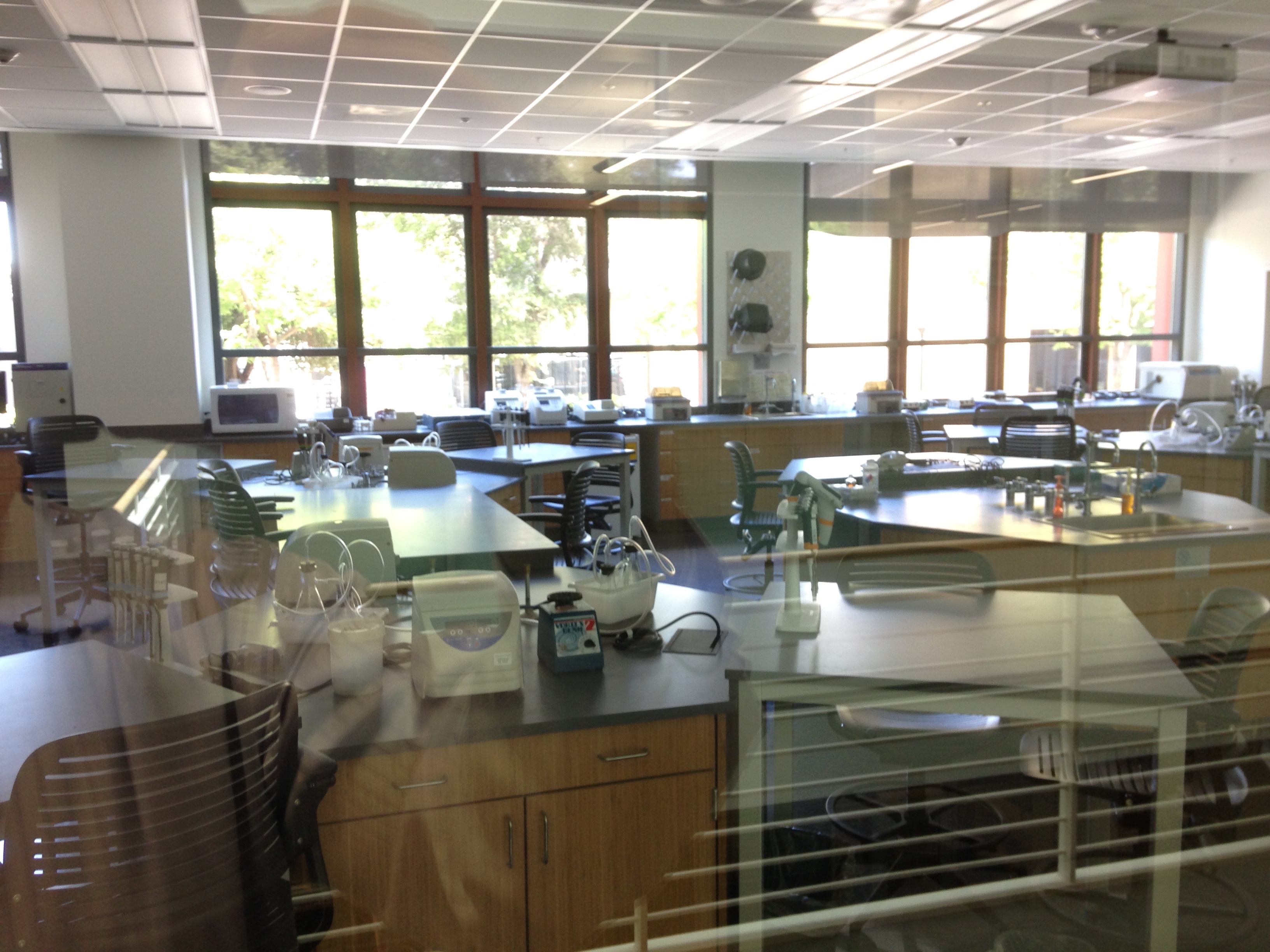
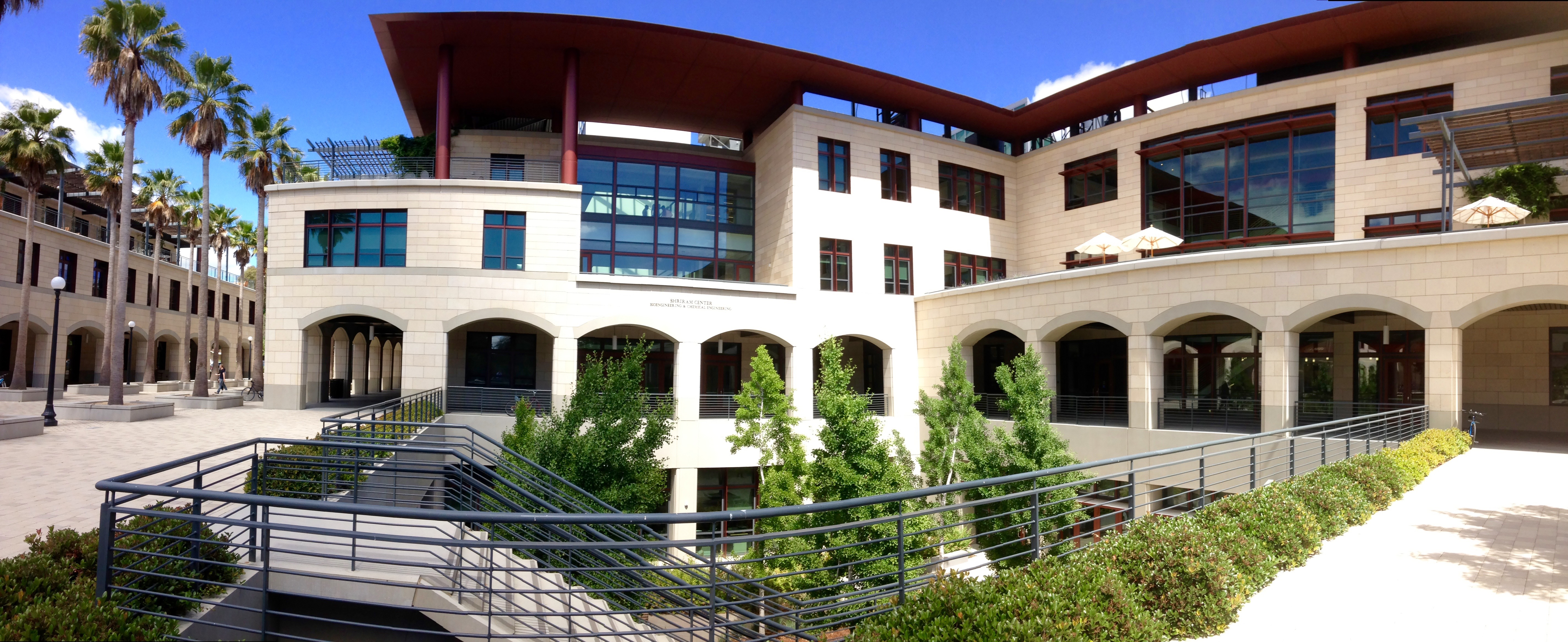
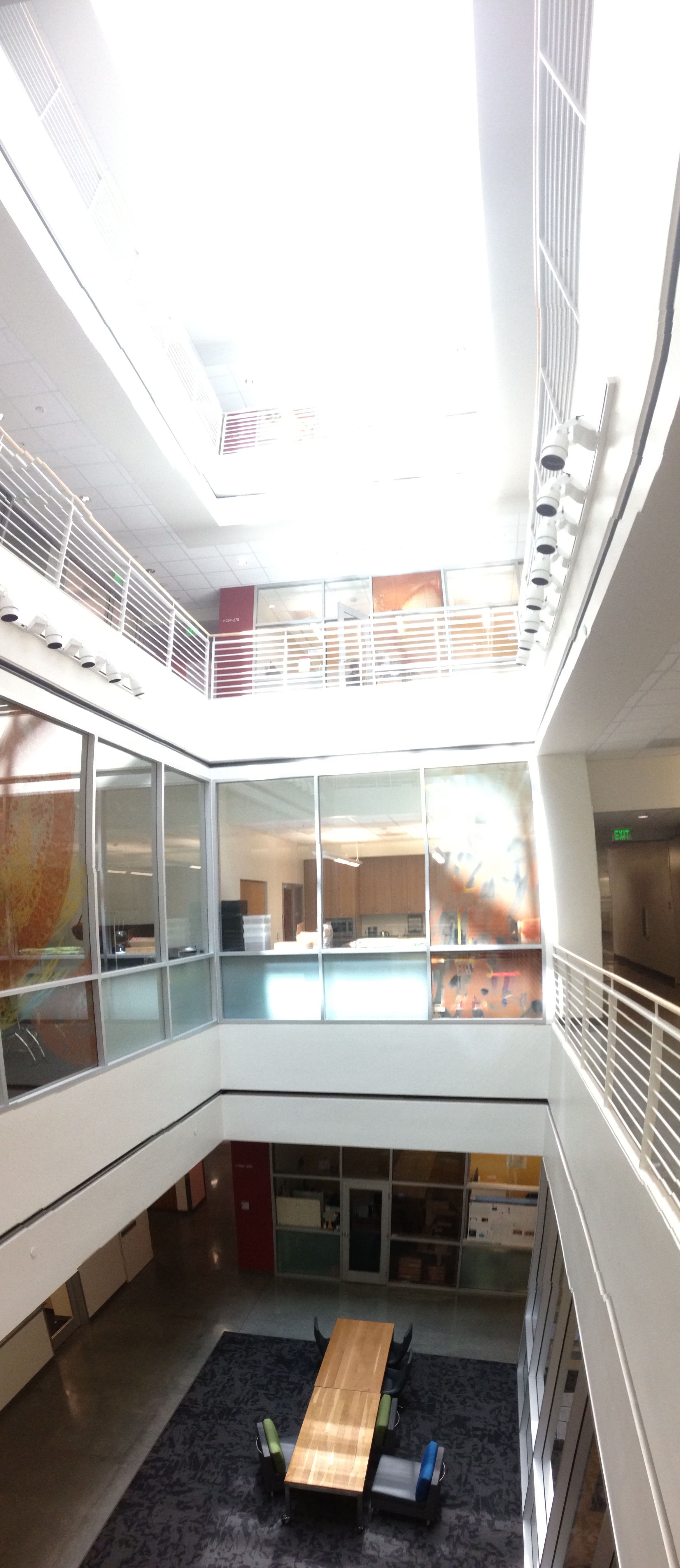
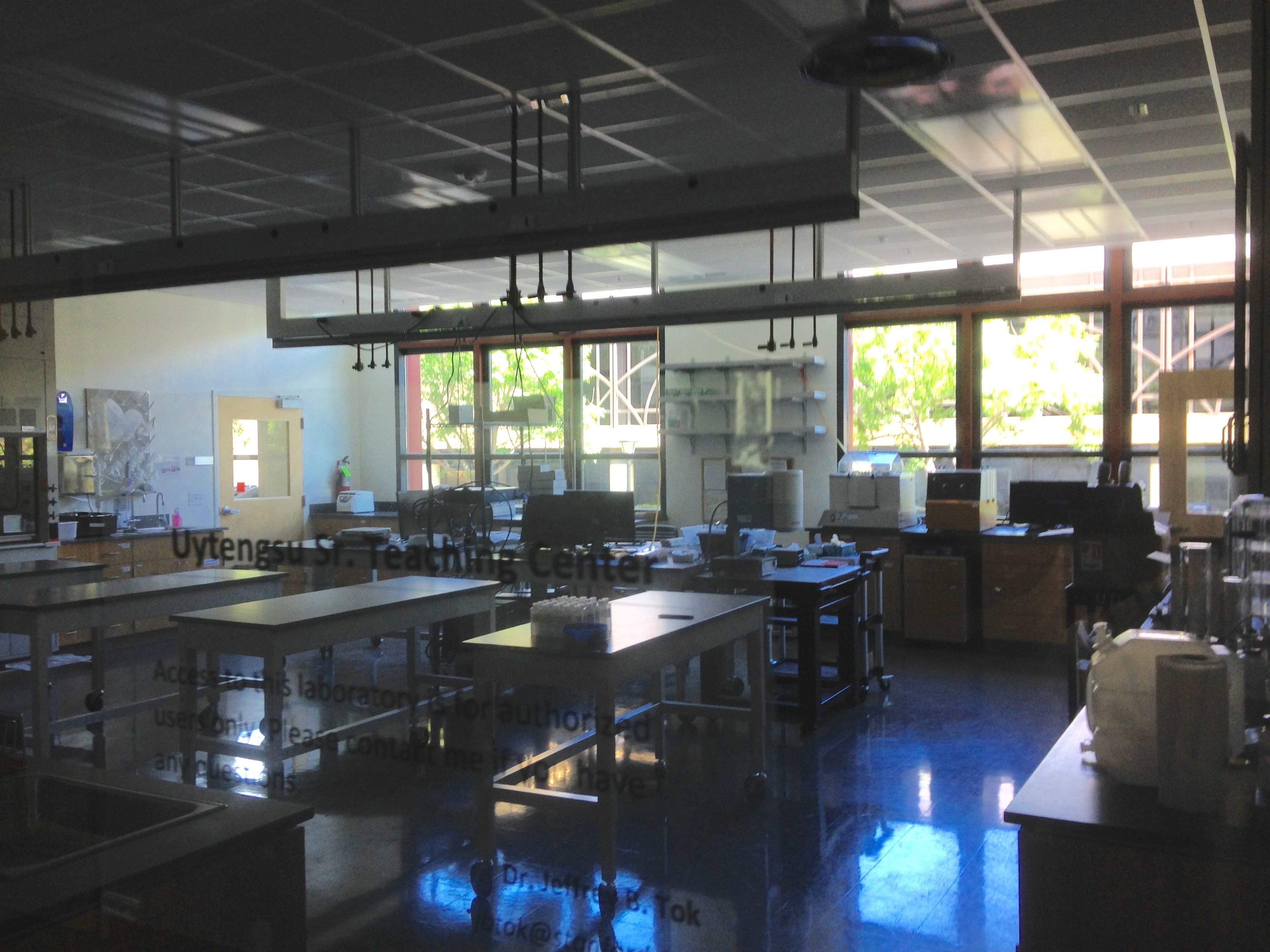
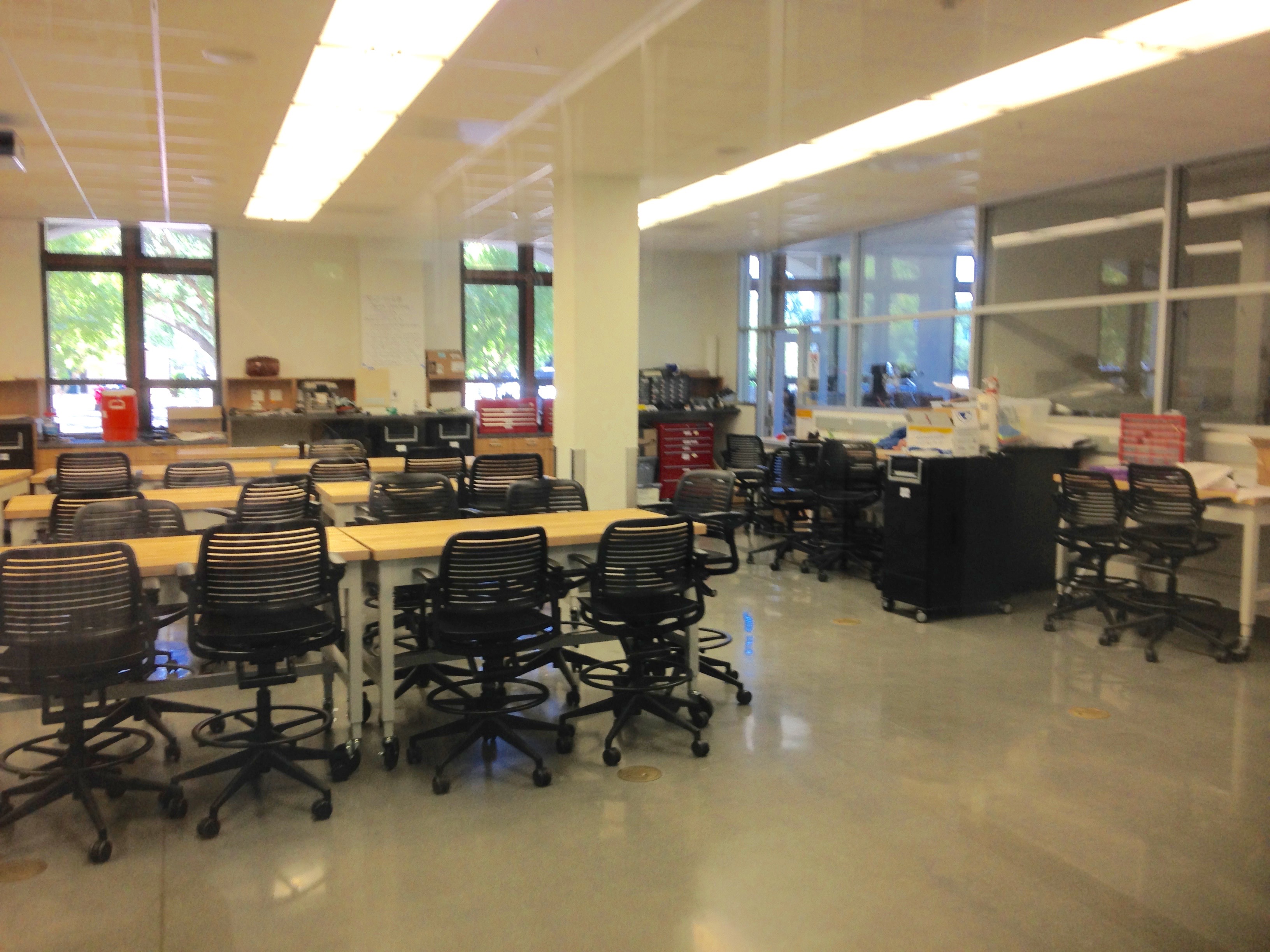
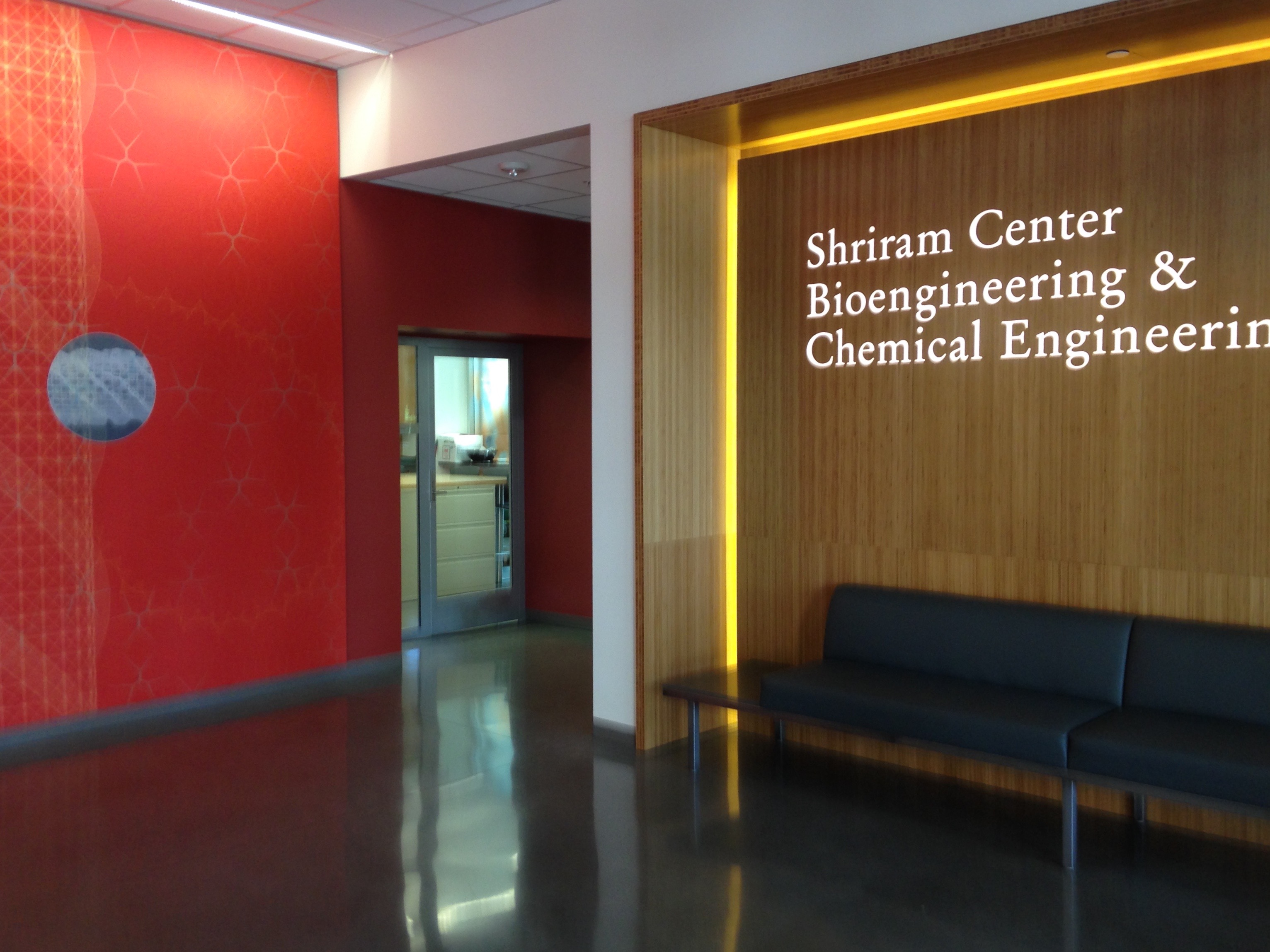
One example of this is the Shriram center for Bioengineering and Chemical Engineering, where Drew has his office. Within that building is a dazzling array of instructional spaces for undergraduates, adopted from the best facilities of their kind from across the country. MIT provided the inspiration for some of the interaction spaces, while Reed College provided the idea of a multi-level lab bench (to prevent electronics from getting flooded). The building is filled with natural light, and lines of sight to connect people in “interaction and mixing columns” that combine starwells with water, restrooms and casual discussion spaces. The building is just one part of the mix – the relationship between the spaces and the way the mixing is encouraged by a careful study of flow within the building make it really inspiring.  Below are some photos of the Shriram center, and some of the other buildings that replaced the industrial ugliness that used to be located behind Varian Physics when I was an undergrad at Stanford in the 1980s!

stanford.visit - 9 stanford.visit - 10 stanford.visit - 7 stanford.visit - 8 stanford.visit - 4 stanford.visit - 5 stanford.visit - 6 stanford.visit - 2 stanford.visit - 3 stanford.visit - 1


Carleton College Graduation

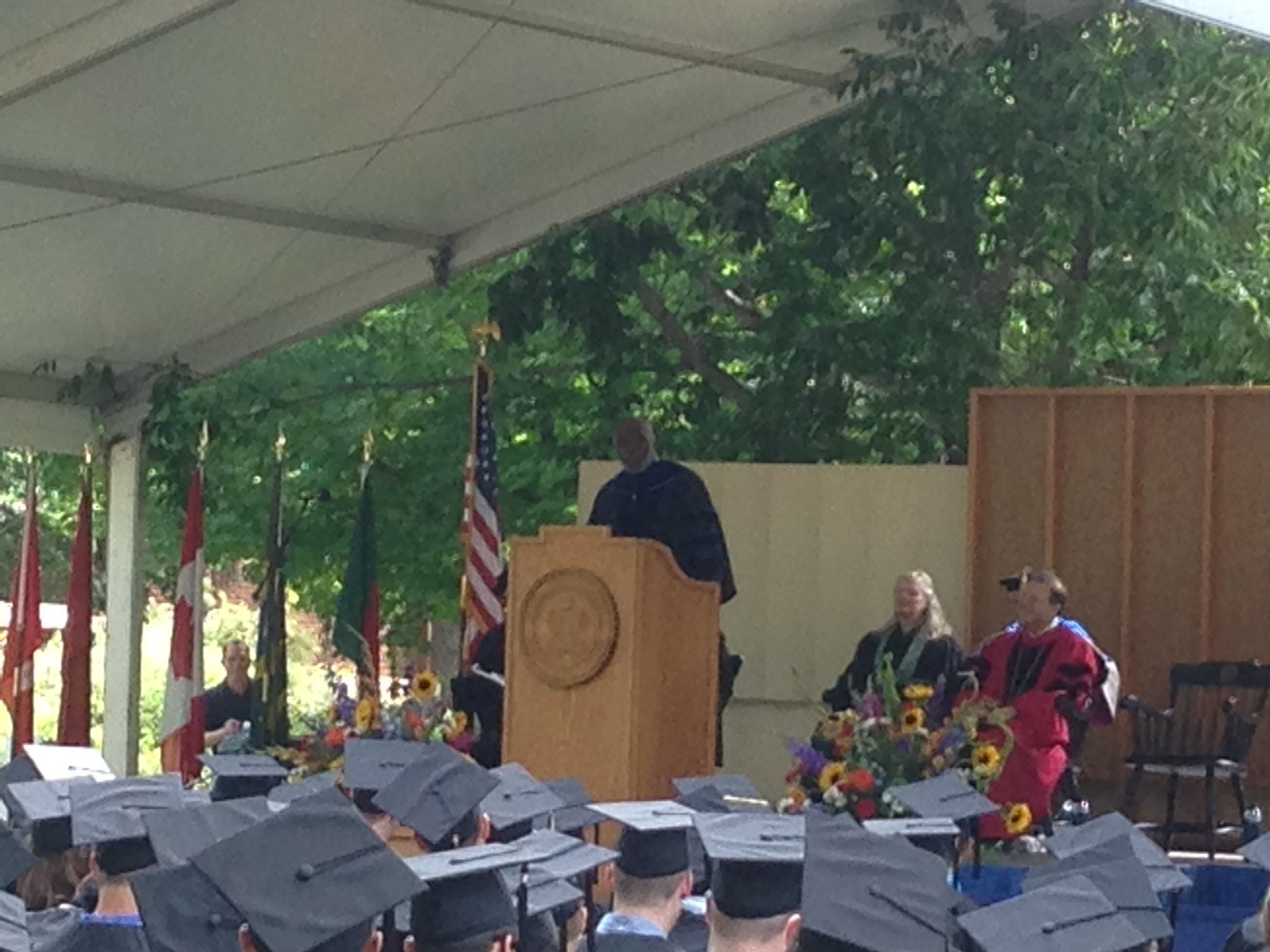
On June 11, I had the honor and privilege of attending the graduation of my first-born daughter Shanti from Carleton College. I ordinarily do not try to post family events on this site, but the phenomenon of attending a graduation as a parent – instead of as a professor – was an amazing event. It provided a lot of insights worth noting and remembering.  At Pomona College, I have attended about 19 graduation ceremonies as a professor in Physics and Astronomy. The experience was one we professors looked forward to – with the usual dread about sitting on stage in a hot medieval costume while 400 names were read, and listening to the long and sometimes rambling speeches by students and faculty. The joy of the students, the hope of the parents, and the celebration of our collective future is uplifting, even after 19 ceremonies.

The professors also get to meet the parents. This is a fun part – and our department would set up the appetizers, and wait for the arrival of parents, siblings, grandparents, cousins and even a few random alumni who would drop by. It was always fun to try to match parents to students even before introductions were made and when students were somewhere else. Both personality and appearances gave them away. The interactions between the generations and siblings were really interesting to observe, and often revealed a lot about the family dynamics which were consistent with the social habits of our students. We professors are naturally proud of our students, and we gladly tell glowing stories to the relatives about how insightful, hard-working and fun their kids were to teach. We recognized on an intellectual level that they were proud and we shared their pride – but I realize now that I was completely unaware of the intensity of the emotions of graduation day.

shanti.grad - 2 shanti.grad - 1

What is different about attending as a parent is that it is your child that is graduating. Putting aside the $250,000 that some of us have paid for a college education, it is the labor of love that went into raising that child that comes to mind for a parent. On graduation day, all the events of that child’s life flash before your eyes. You remember them as pre-schoolers (even with a pre-school graduation ceremony!), you remember them at AYSO soccer, at 5th grade astronomy camp, as marching band members, water polo players, and growing high school kids. You see their whole life flash before your eyes, and there right in front of you is a graduate – an adult – who has learned to think for herself, to explore the world with new intellectual powers, and to be a fully realized person. The pride, the emotions, the sense of your own inevitable march toward grandparent status all are overwhelming. Parents, as much as their children, are graduating. They are graduating from their roles as parents, and becoming something else. It is an emotion-laden time – for us it was as laden with emotion as the Minnesota sky trying to deliver its afternoon thunderstorm!

A note is also worth taking about Carleton College. Despite the enormous costs, we feel fully satisfied that Carleton delivered value for our money. I told the Carleton President, Steve Poskanzer, that I admired Carleton’s integrity and quality. They know how to educate their students with difficult standards, and less grade inflation than most places. They have formed a strong sense of identity as an institution and provide a warm and friendly intellectual community for the students. Our daughter Shanti has thrived there, and there can be no better testament to an institution’s quality than parents who feel proud and grateful for the education, and a child who is equipped with new intellectual passions, intercultural awareness, and a strong sense of their identity. It is tangible to us that Shanti has grown – and we are proud to see her emerge from graduation, as a realized person!