Category Archives: Uncategorized

Envirolabs Asia trip to Borneo

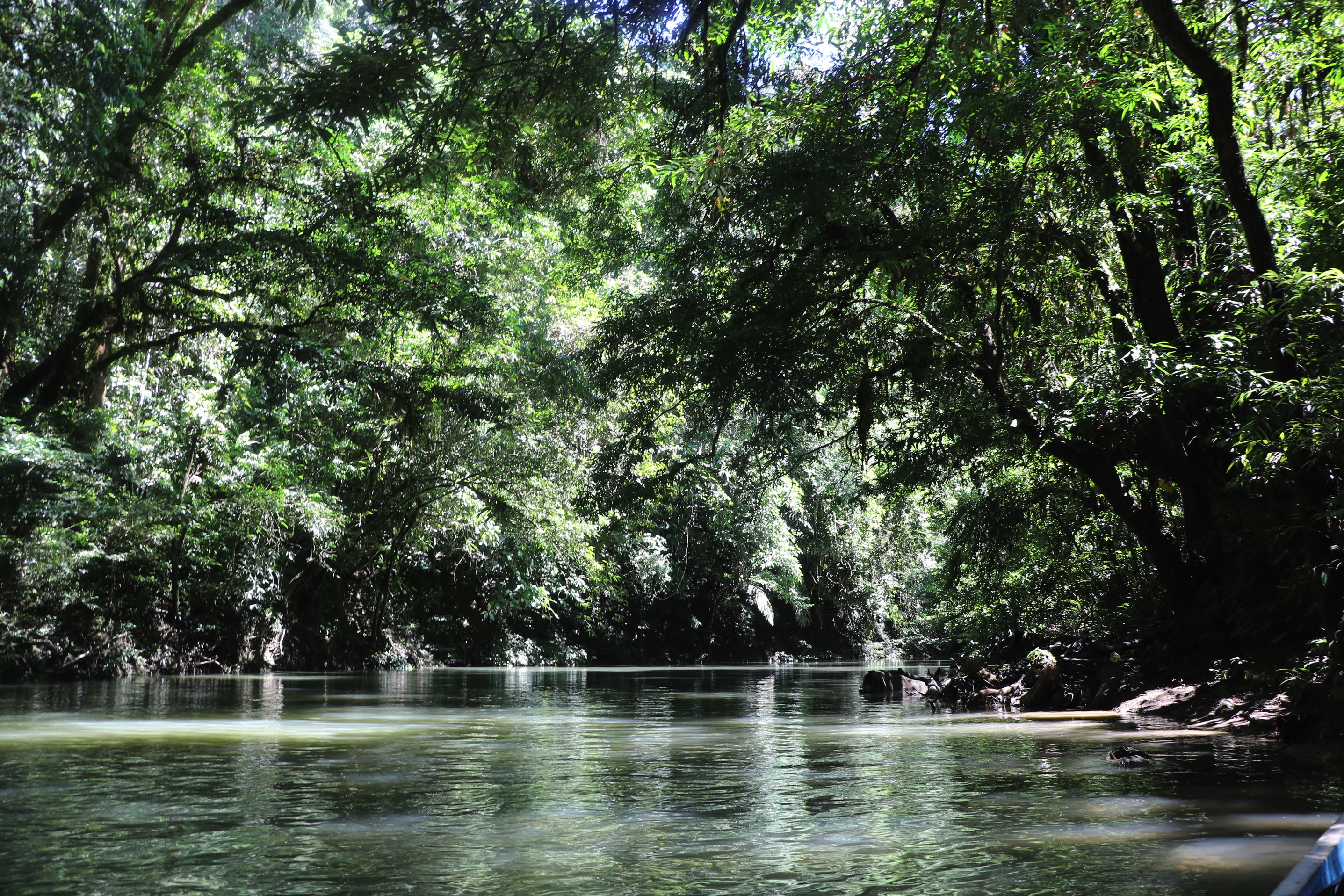
During the beginning of the 2016 Spring semester, I travelled to Borneo with 12 faculty and 20 students, mixed evenly from Yale-NUS College and the Claremont Colleges. The expedition was the culmination of over 18 months of planning and was entitled “Envirolabs Asia.” The project was funded by the Luce Foundation, and was awarded to the Claremont Colleges to facilitate interdisciplinary exploration of environmental issues facing Asia. My role was to foster the connection between Yale-NUS and the Claremont Colleges, and I led many meetings between CIPE and the Claremont Colleges between August of 2014 through January of 2015.  It was incredibly rewarding to study the group of scholars and students assembled on this trip – faculty from all five Claremont Colleges, representing the disciplines of Music, Media Studies, Biology, Environmental studies, History, Religious studies and Politics. Our team from Yale-NUS included myself, Brian McAdoo (a geologist and expert in disasters and human impacts of earthquakes), Tom White (photographer and documentary film maker), Steven Oliver (Political Scientist and expert on global affairs), Bill Piel (Biology professor and expert on spiders), and also a representative from CIPE. The 8 Yale-NUS students were selected from nominations from faculty and were dynamic, energetic, and similarly diverse in their interests. They took to the trip wonderfully and blended nicely with the 12 Claremont students.

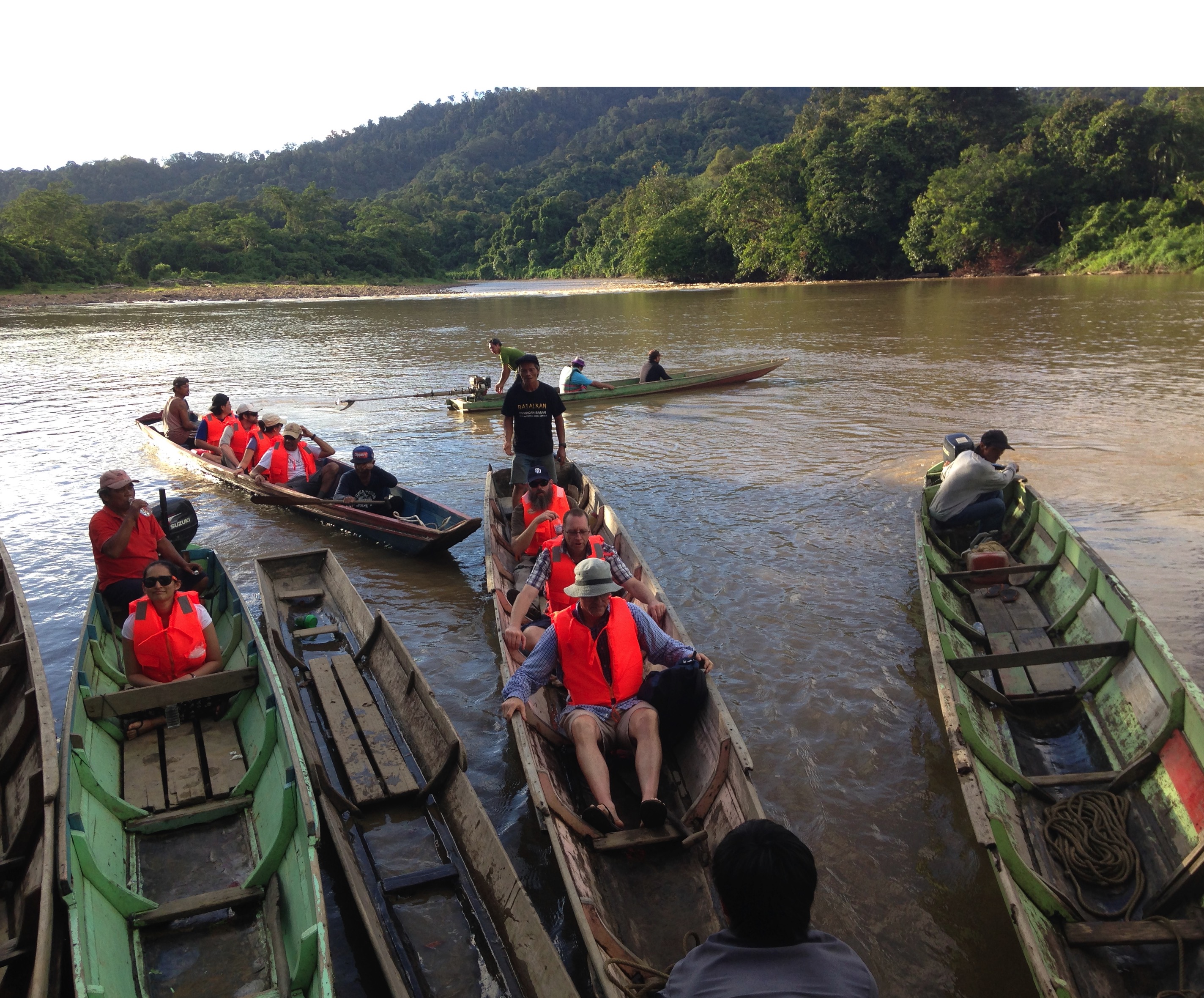
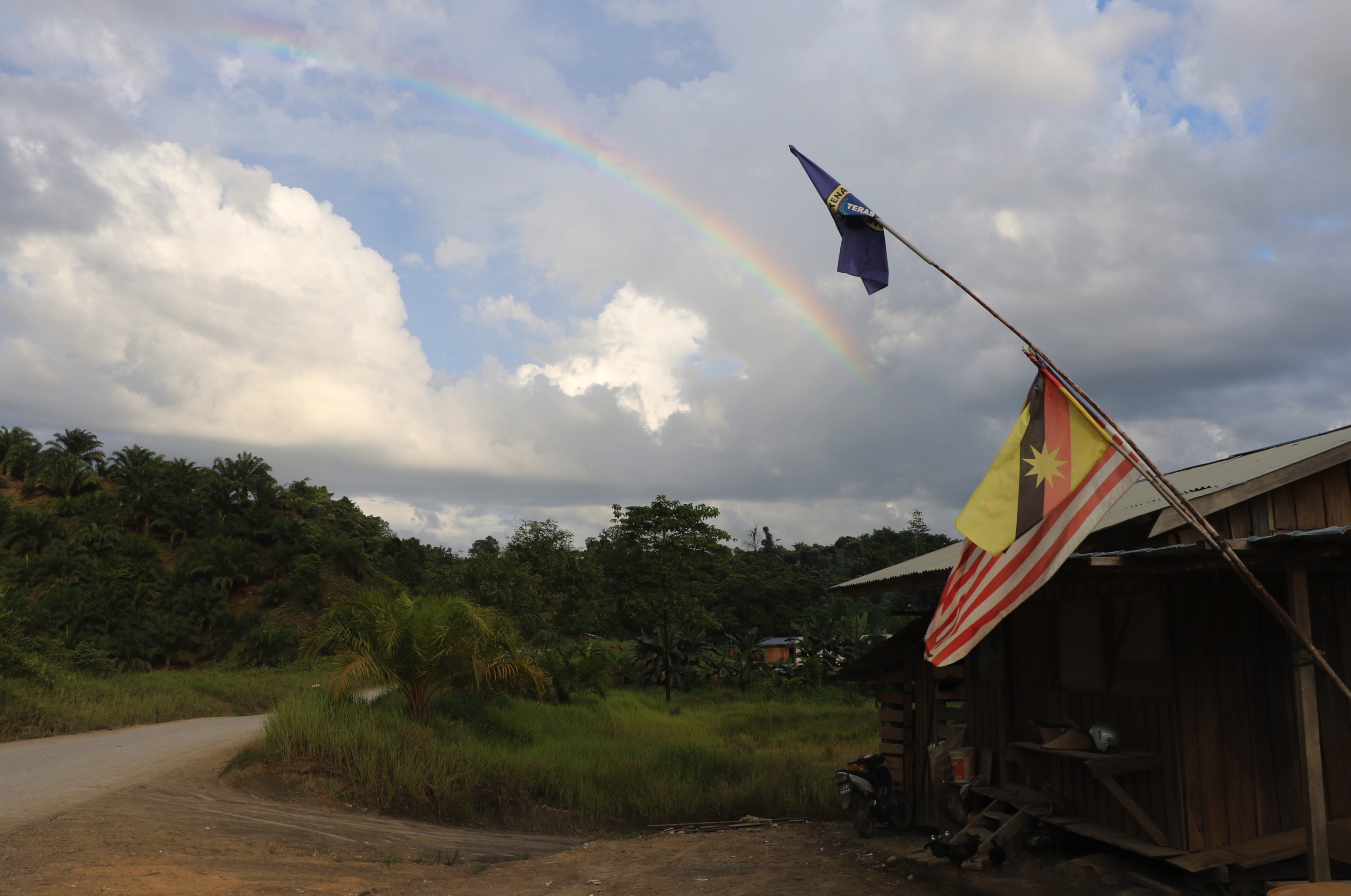
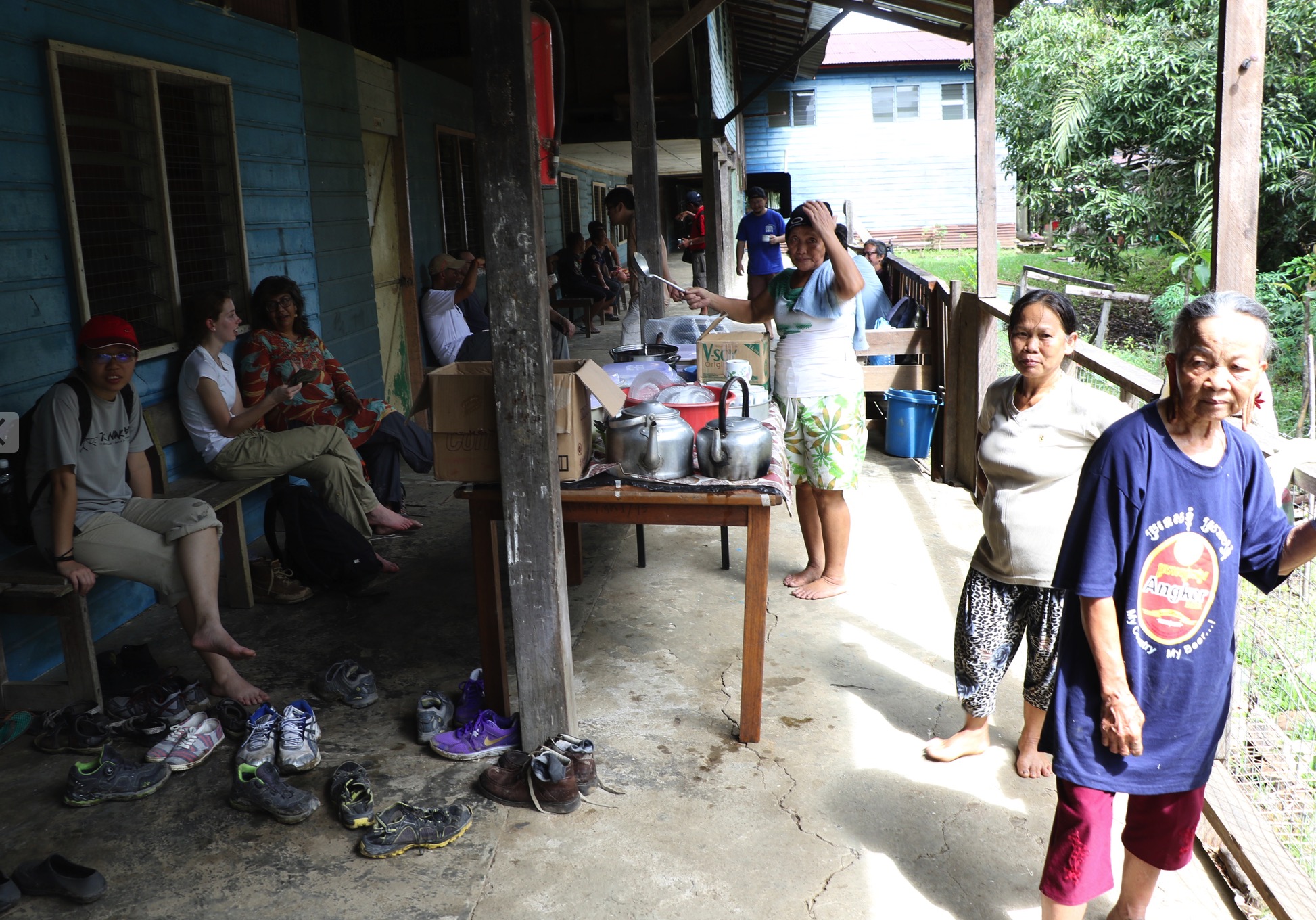
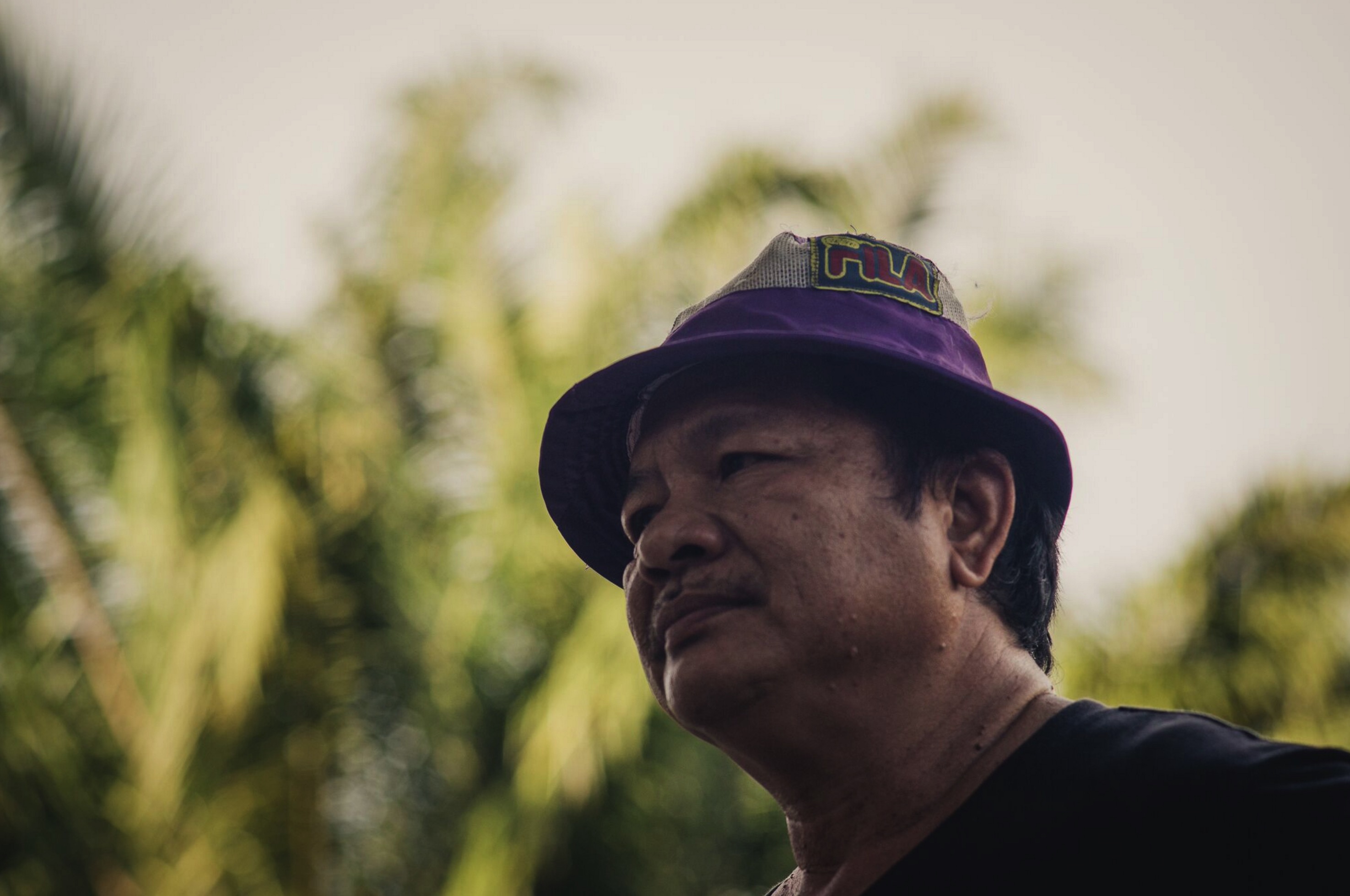
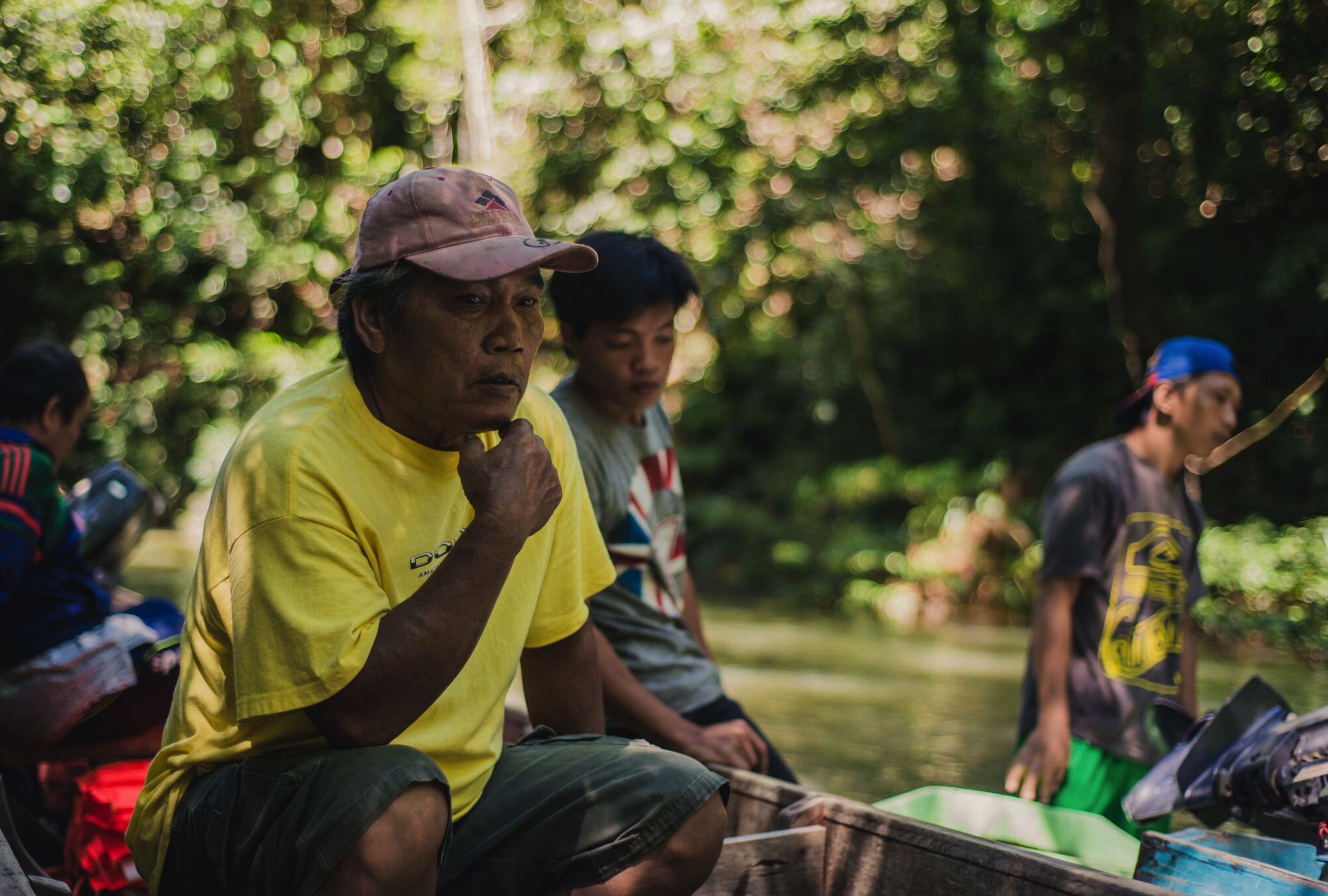
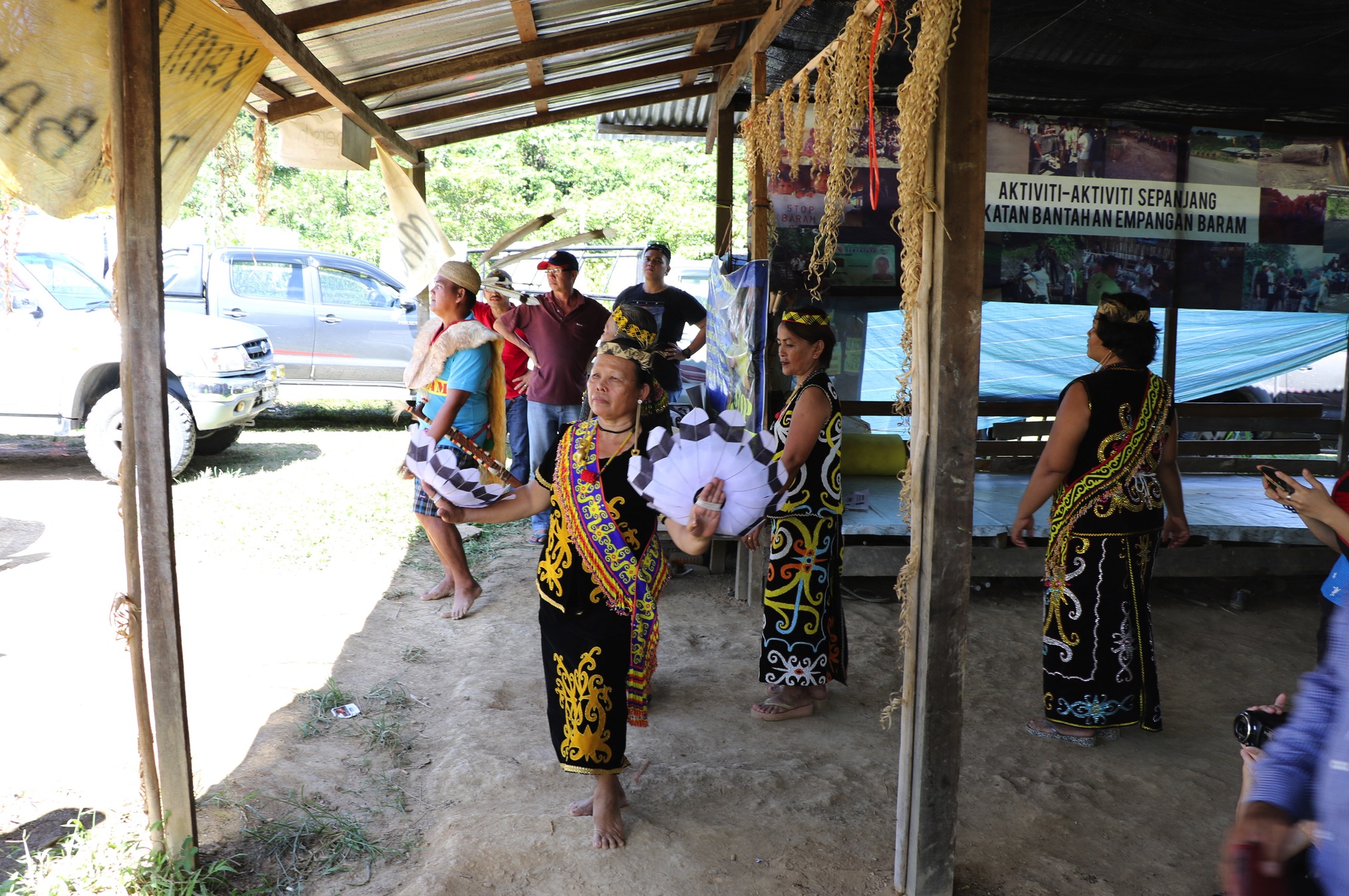
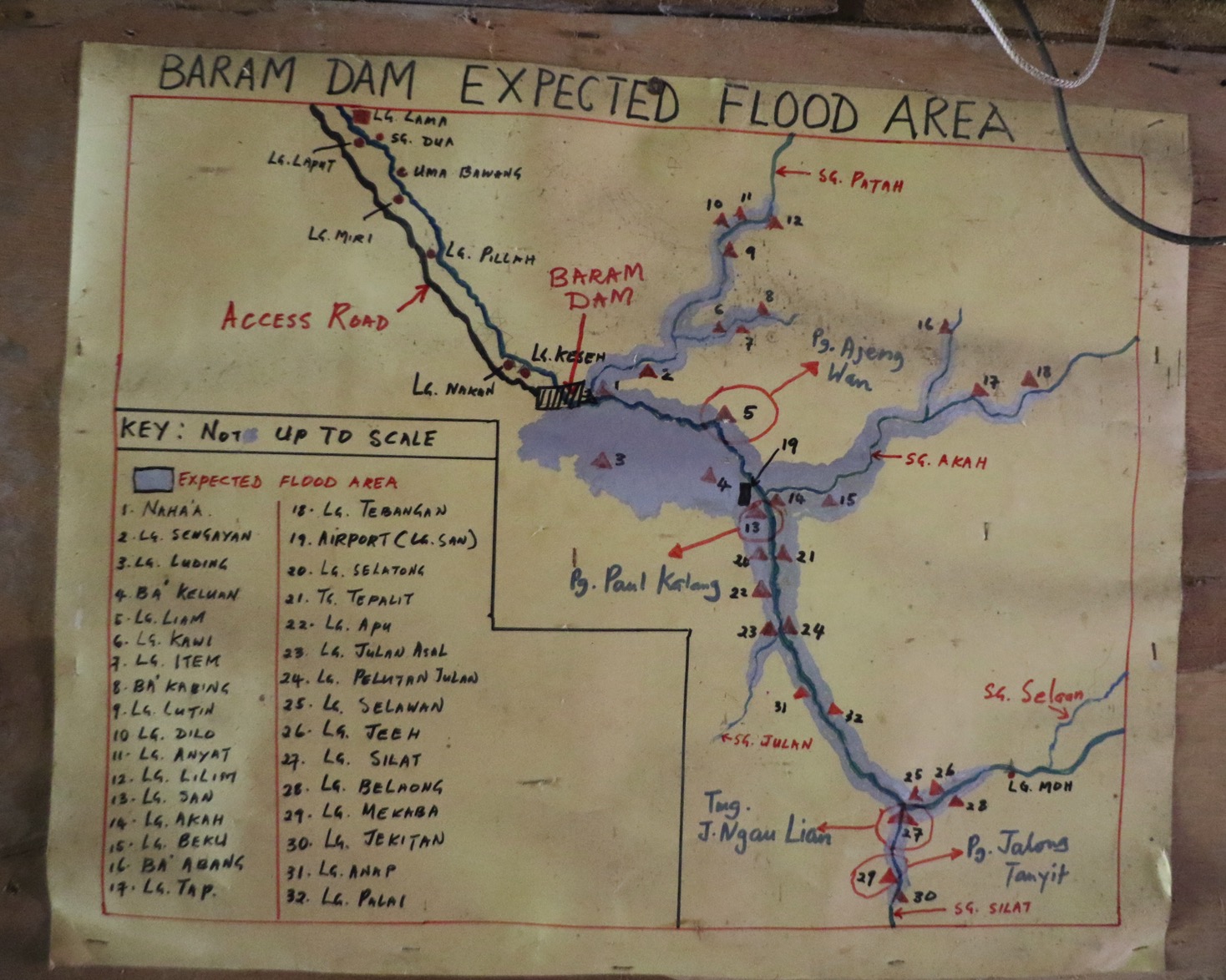
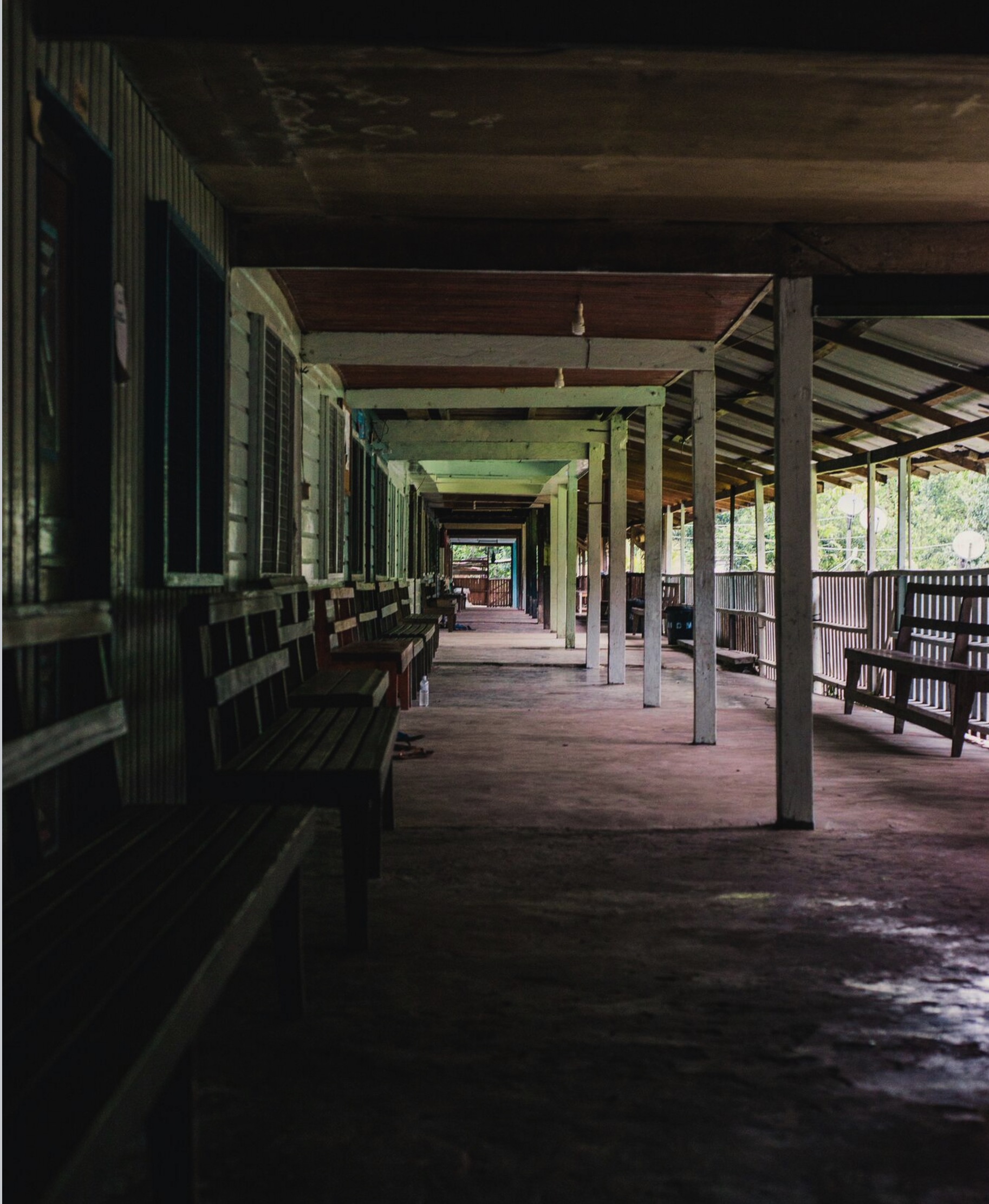
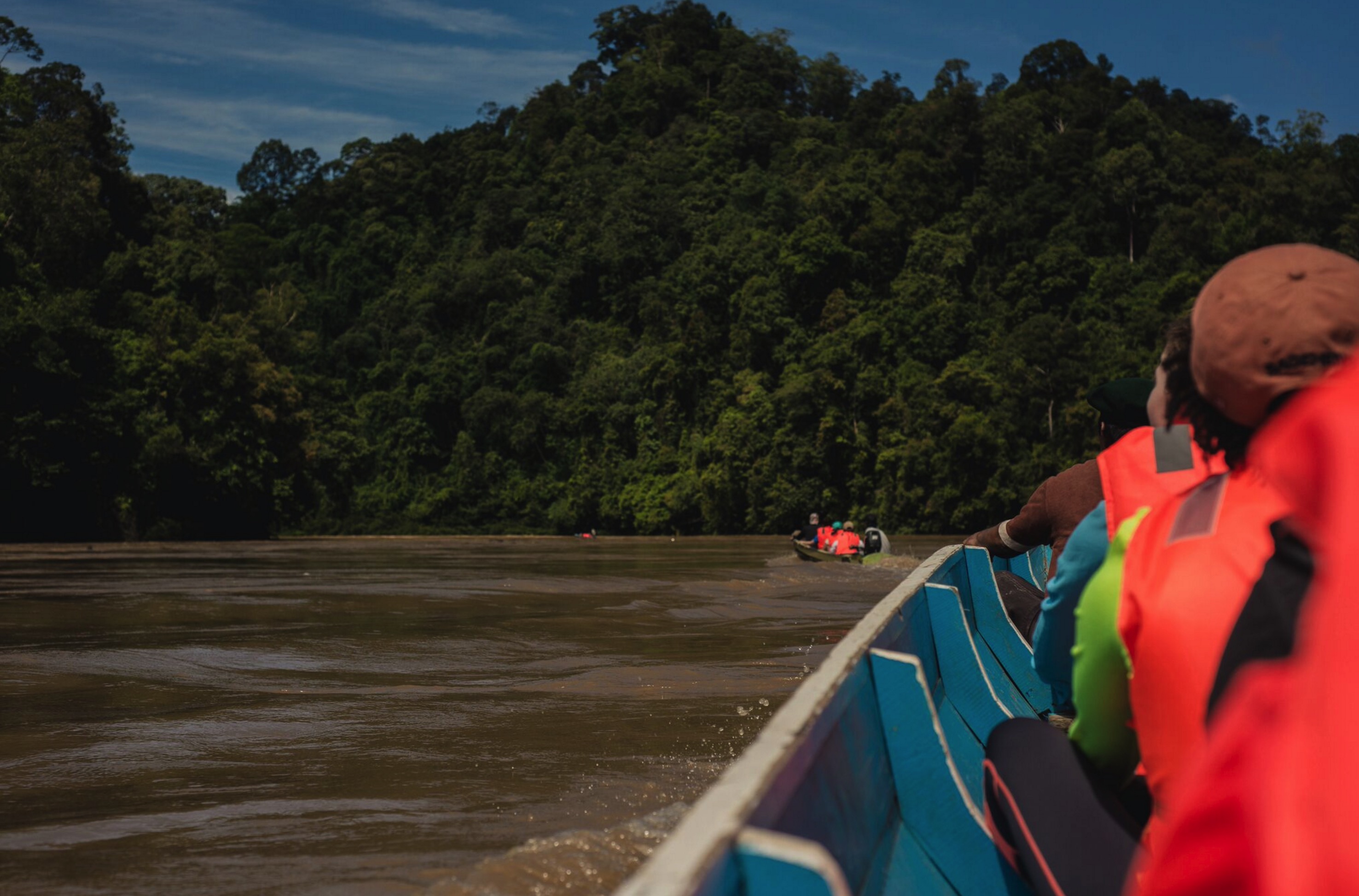
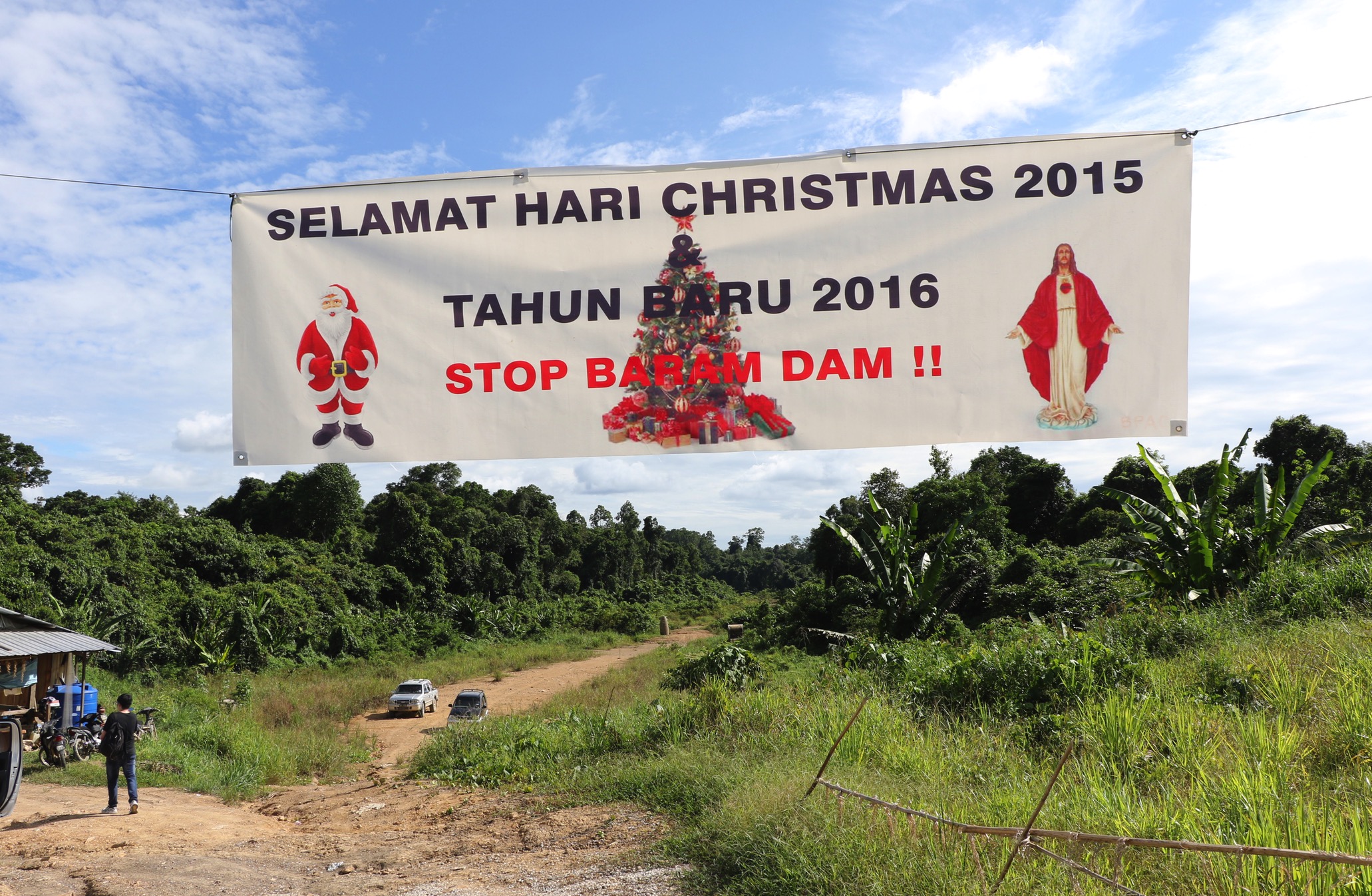
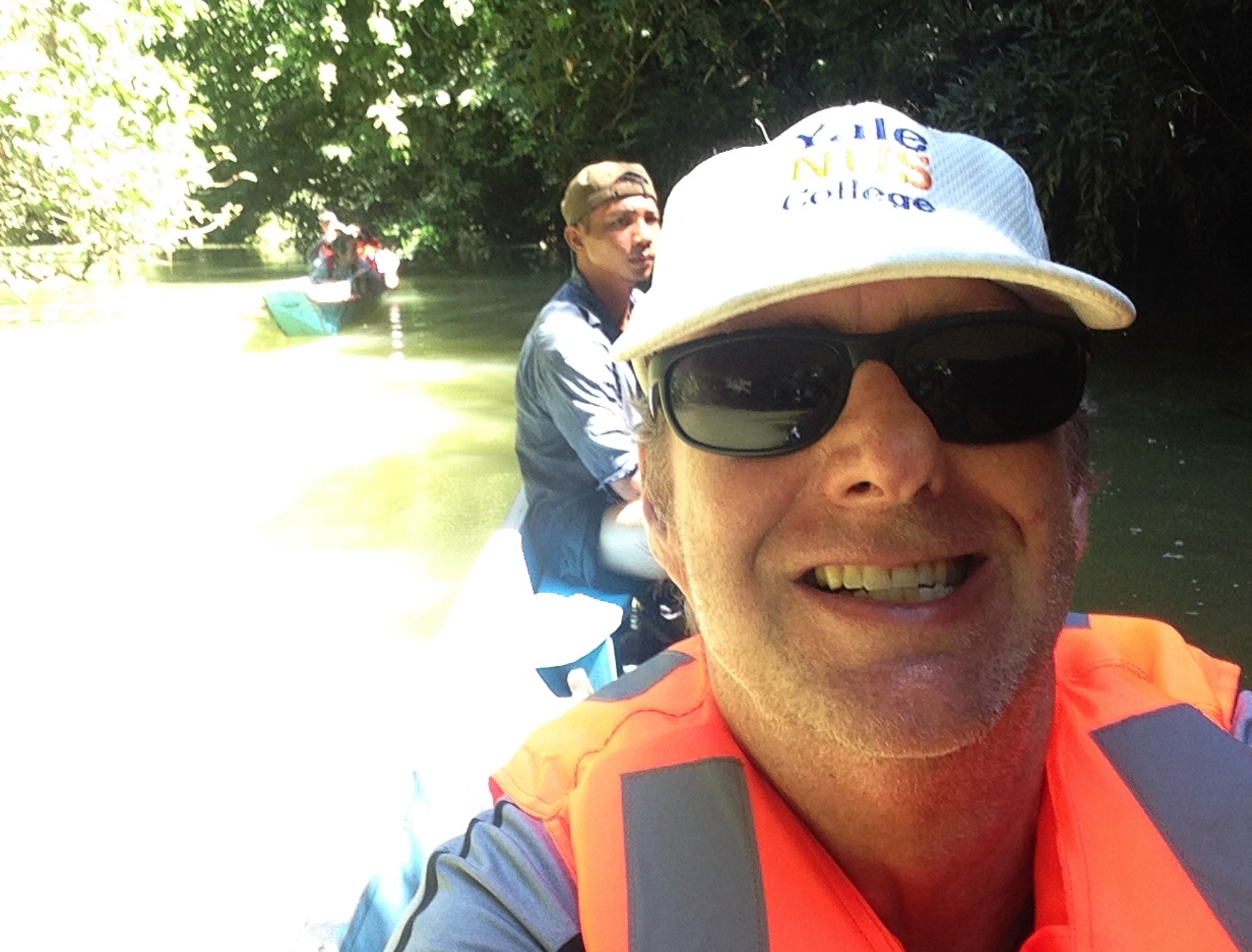
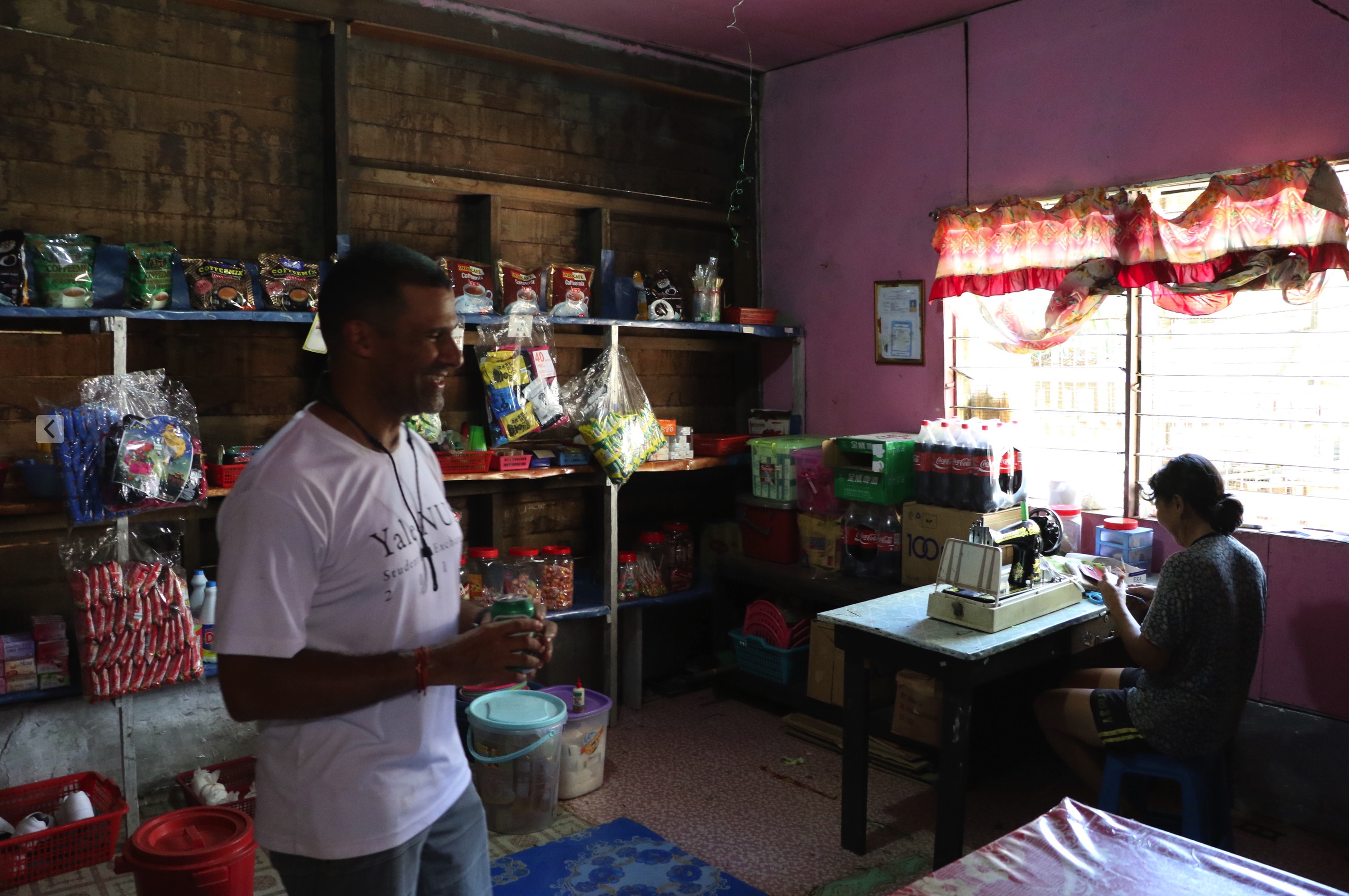
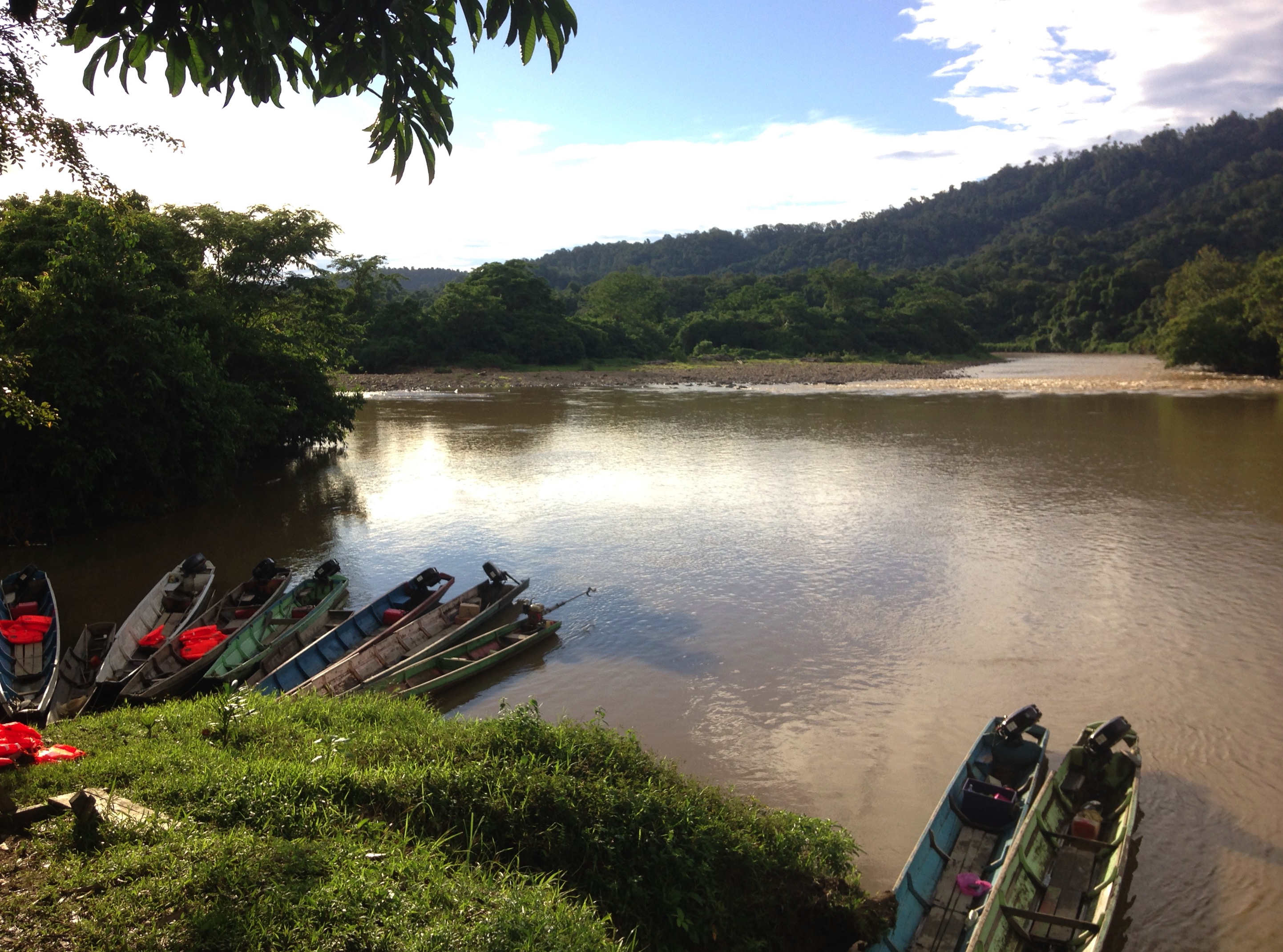
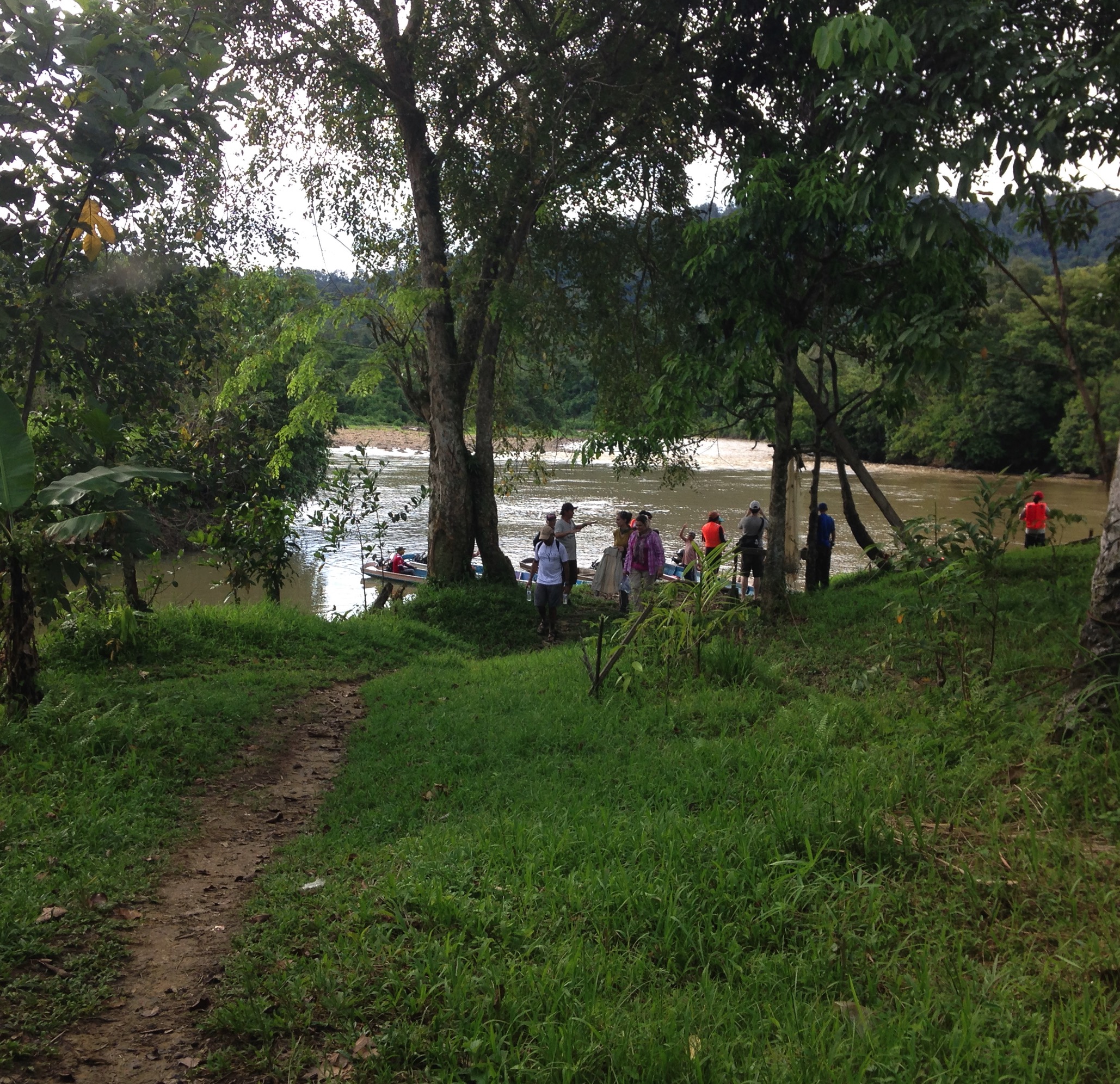
Our trip began in Miri, which is in Serawak – on the Malaysian side of Borneo, just to the west of Brunei. Albert Park, the CMC Envirolabs PI, had arranged for a tour of the Baram River from a fellow named Charles, who has led indigenous people on several activist campaigns to stop construction of dams on the river near his home, and a musician from Kuala Lumpur named Ka Hoe Yii who has worked on compositions inspired by the rainforest in Borneo. Our trip included visits to Palm Oil plantations, stays in long houses with indigenous people (including the Baram Dam protest sites), a tour of the river areas on long boats piloted by indigenous people, visits to small villages such as Long Lama along the river threatened by the dam projects, and many chances to learn from the local people about their lifestyle and the ways in which the forest and river create the culture and livelihood that they depend upon.


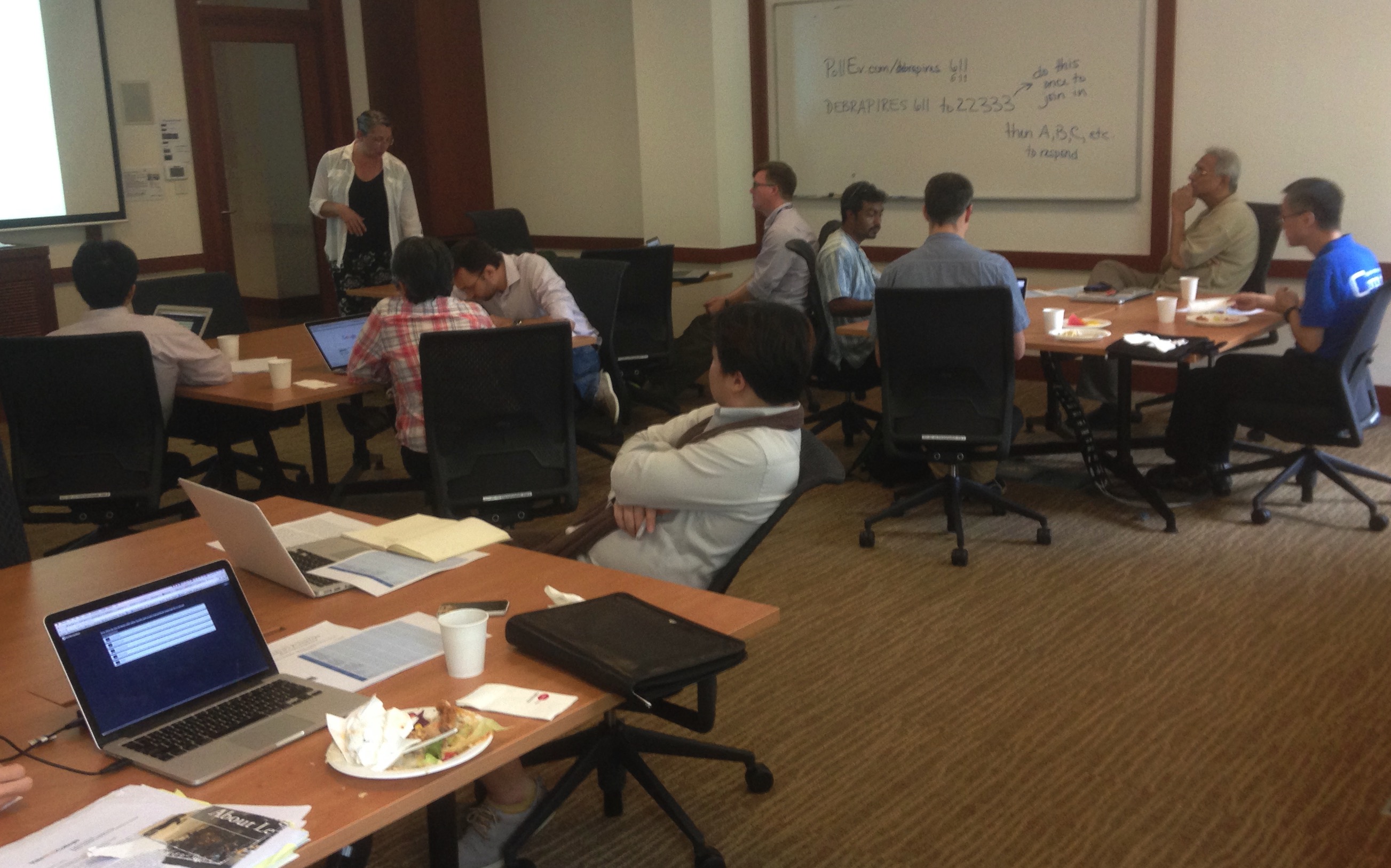
screenshot_423  screenshot_448 screenshot_447 screenshot_461 screenshot_452 screenshot_460 screenshot_442 screenshot_426 screenshot_427screenshot_428 screenshot_429  screenshot_431 screenshot_433 screenshot_434 screenshot_439 screenshot_440


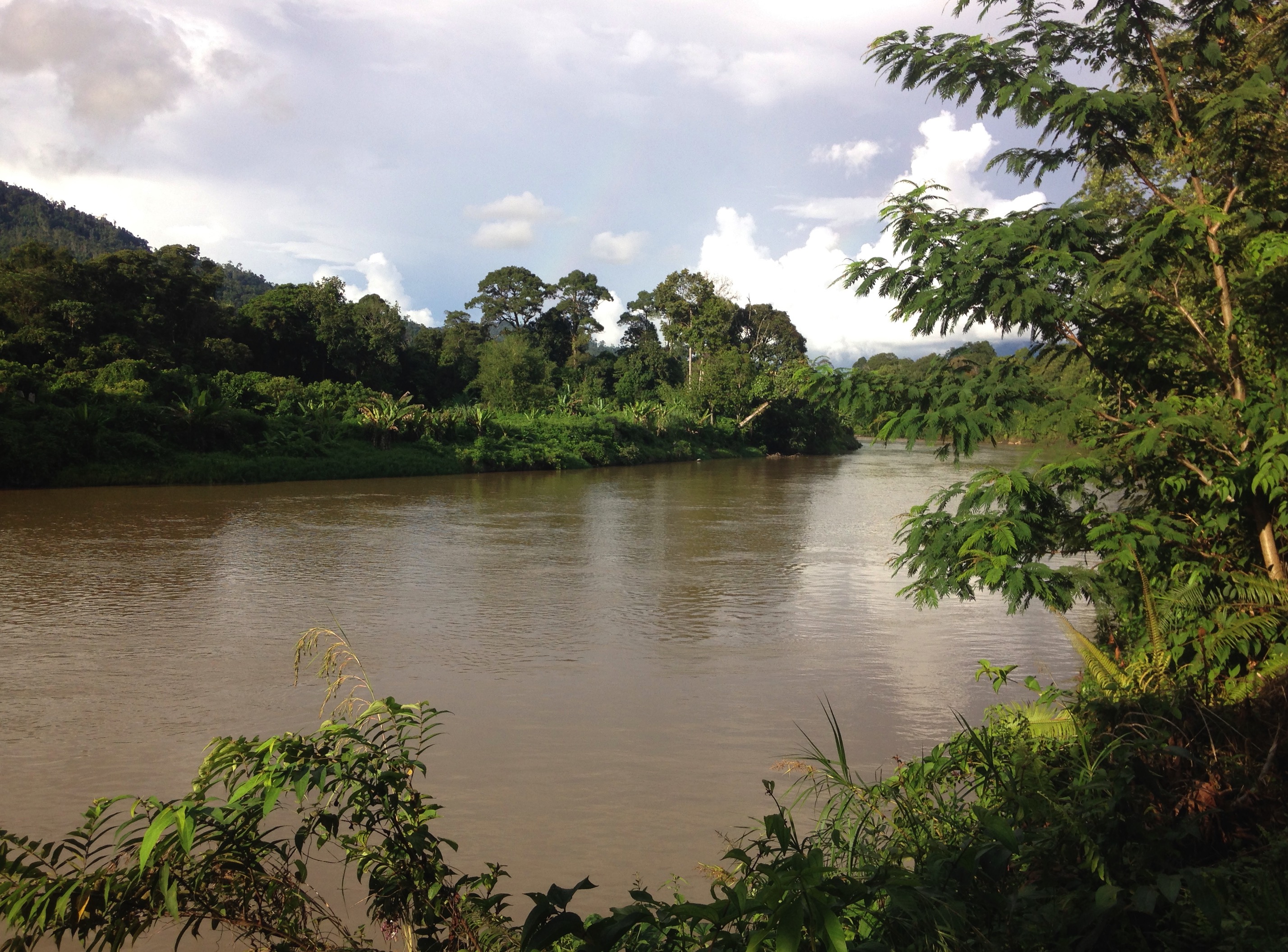
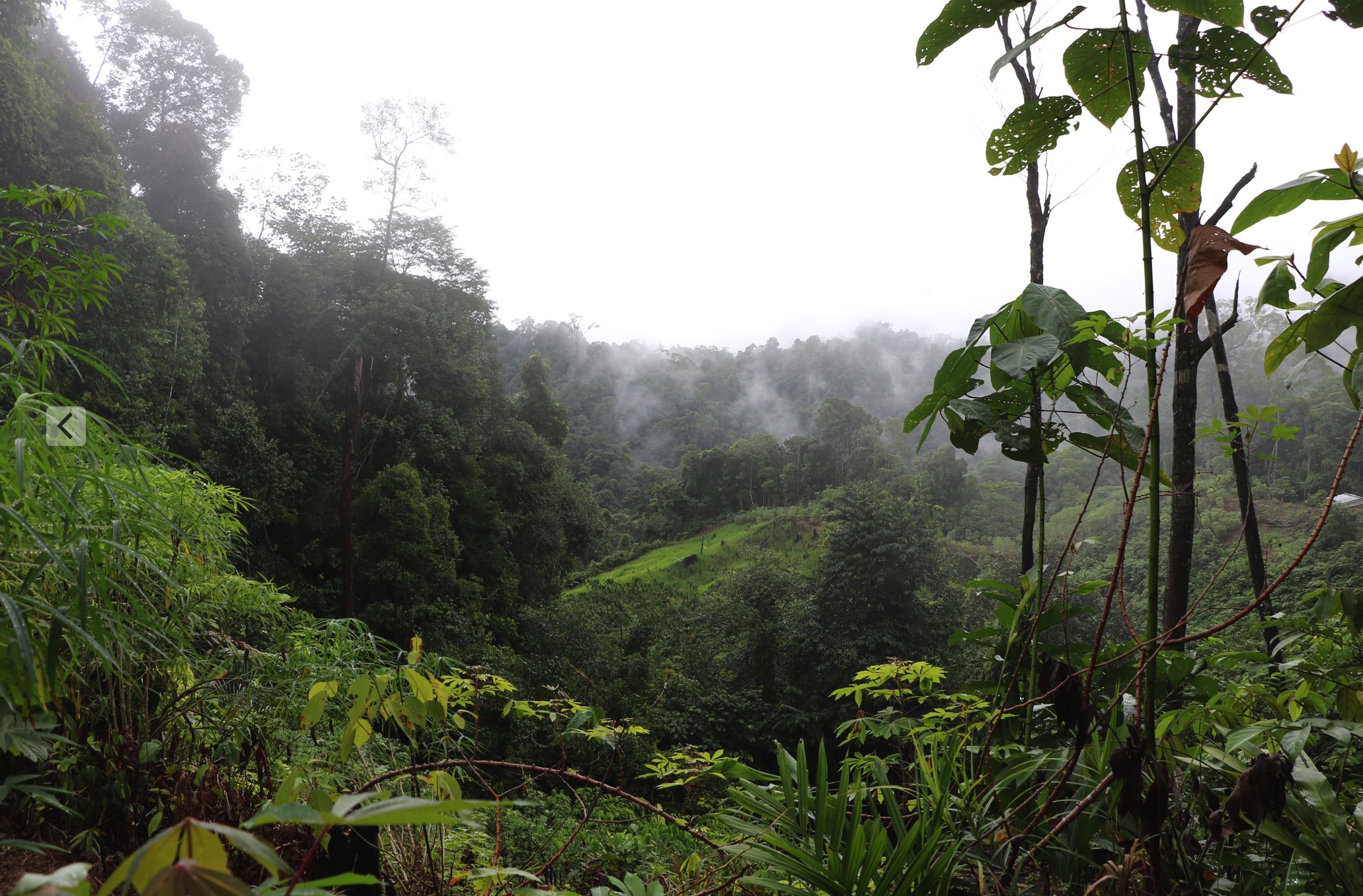
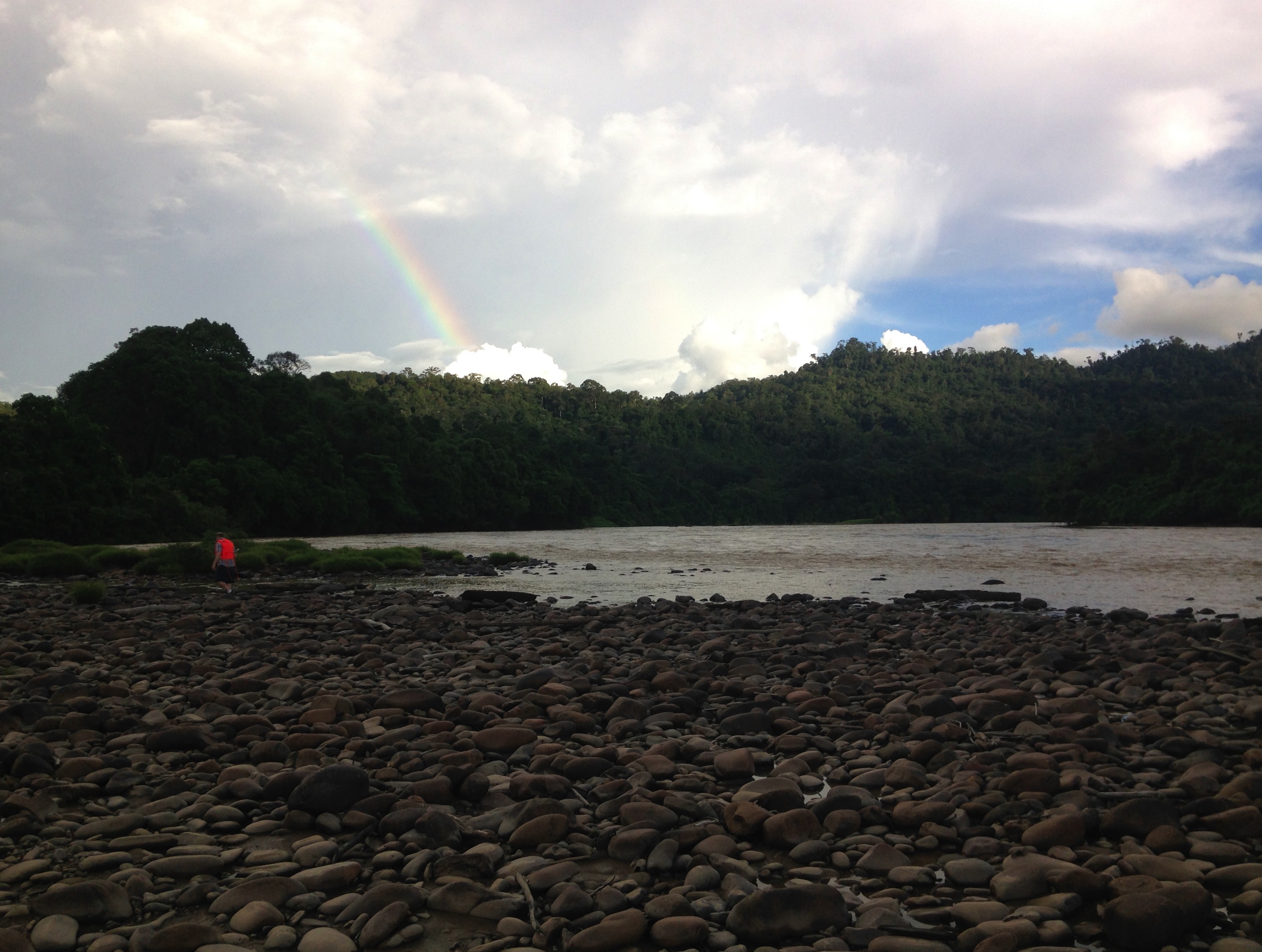
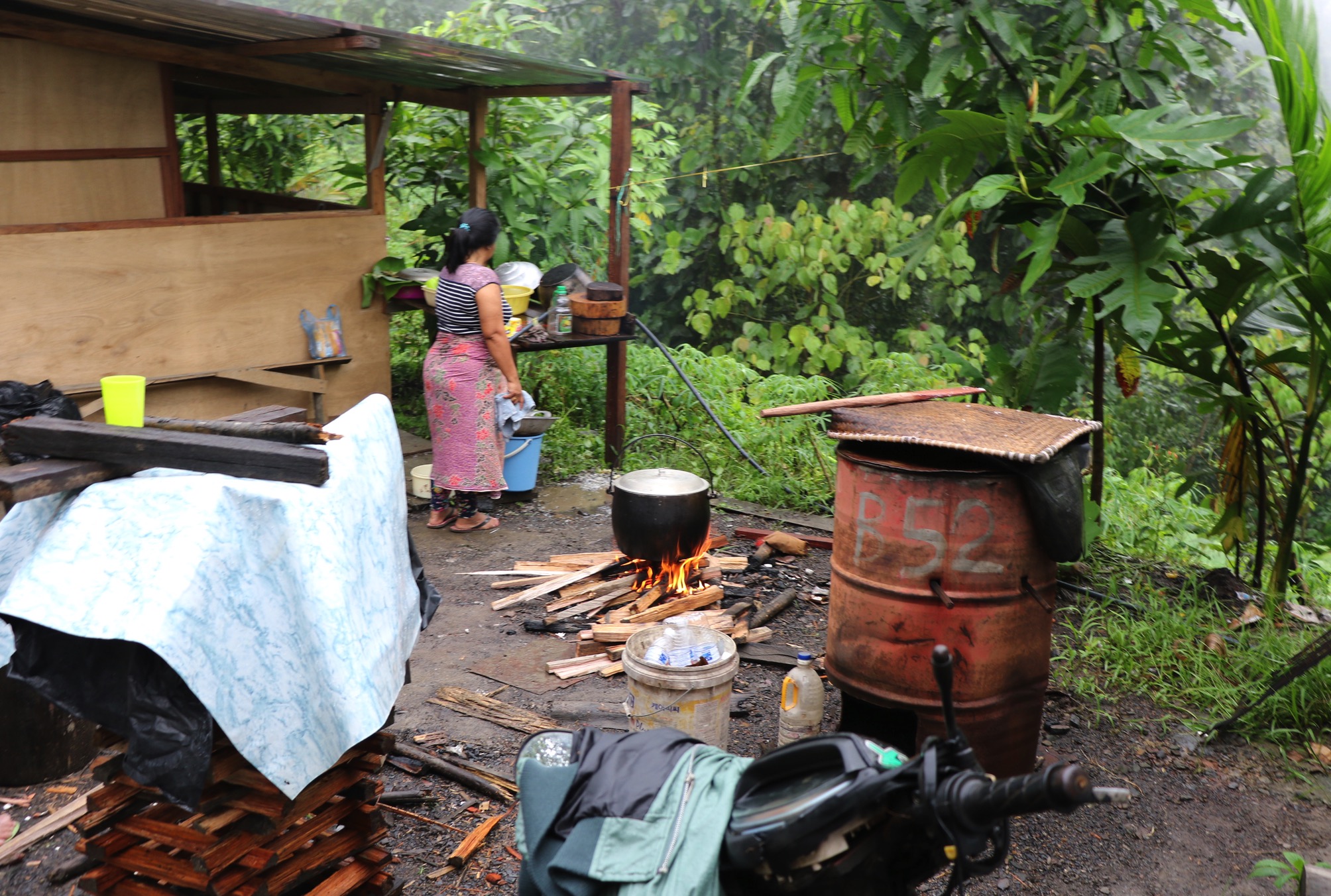
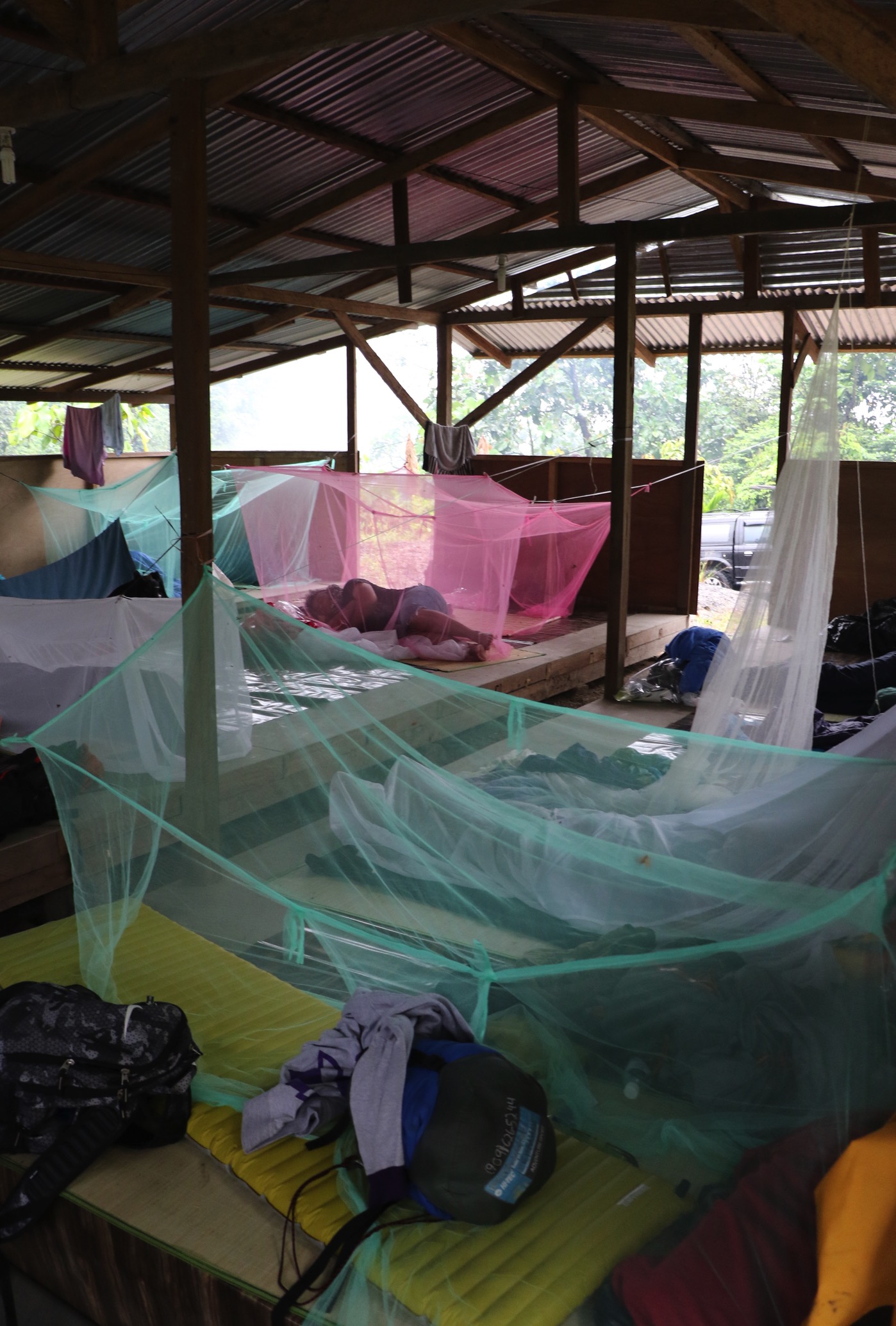
The four days in the wilderness included torrential rain, heroic 4WD multi-hour drives through logging roads, and very rustic lodgings which sometimes lacked basic amenities..  We were however rewarded with a rare glimpse inside a fascinating, warm, and beautiful culture and to see some of the complexities facing these people as well. The people would like to conserve their rivershed, but also rely on palm oil cultivation and employment at nearby logging operations for a living. The fishing and subsistence ecology of the region has already been devastated by aggressive logging which has turned the river into a chocolate milk color from sediments. Local people were then forced to find employment downstream at oil companies, or palm oil companies, or upstream at logging operations in many cases. Adding to the complication is an ambiguous indigenous claim to the land surrounding the river, based on old British maps, and weakly enforced by an indifferent Malaysian government office.

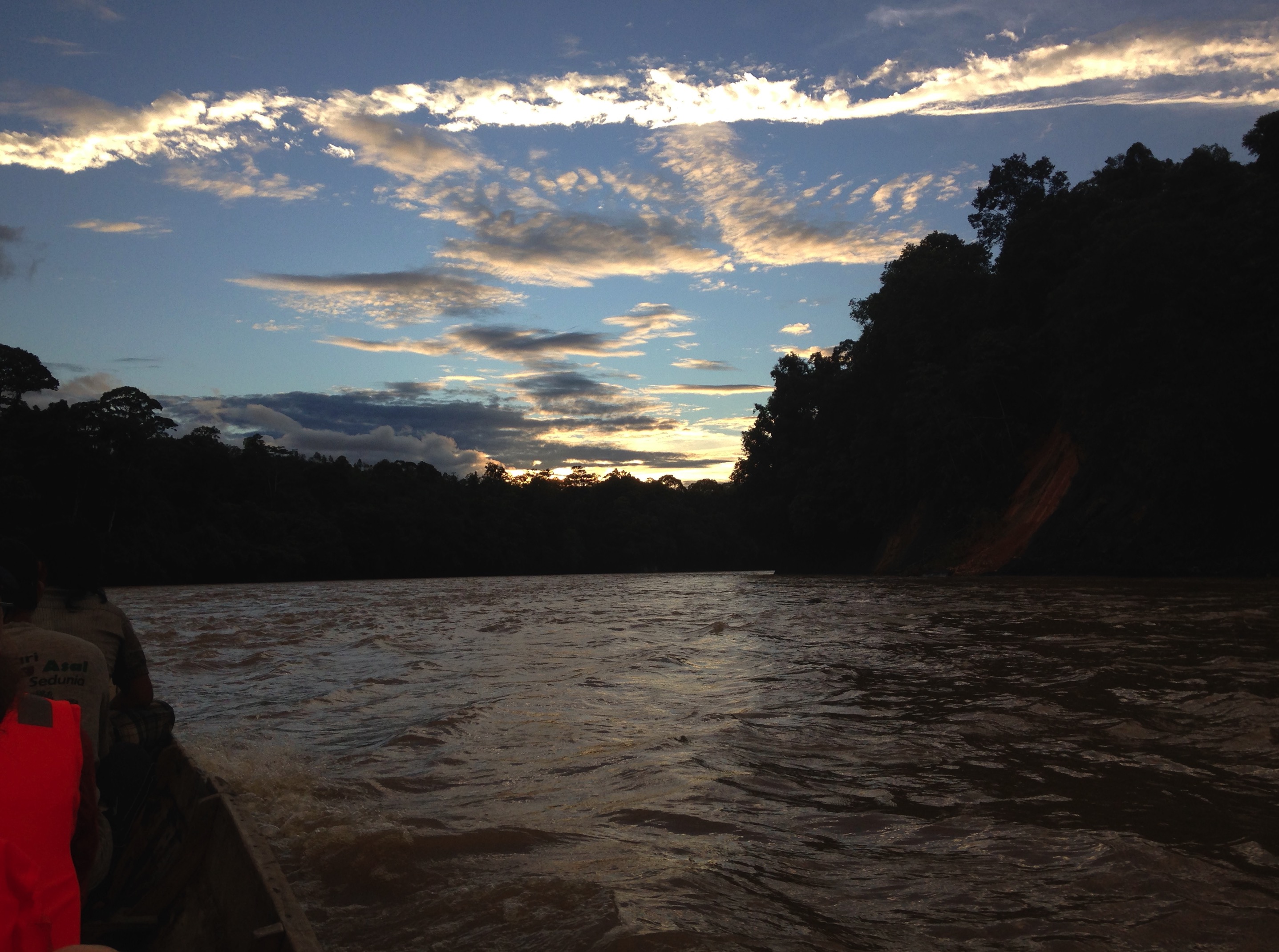
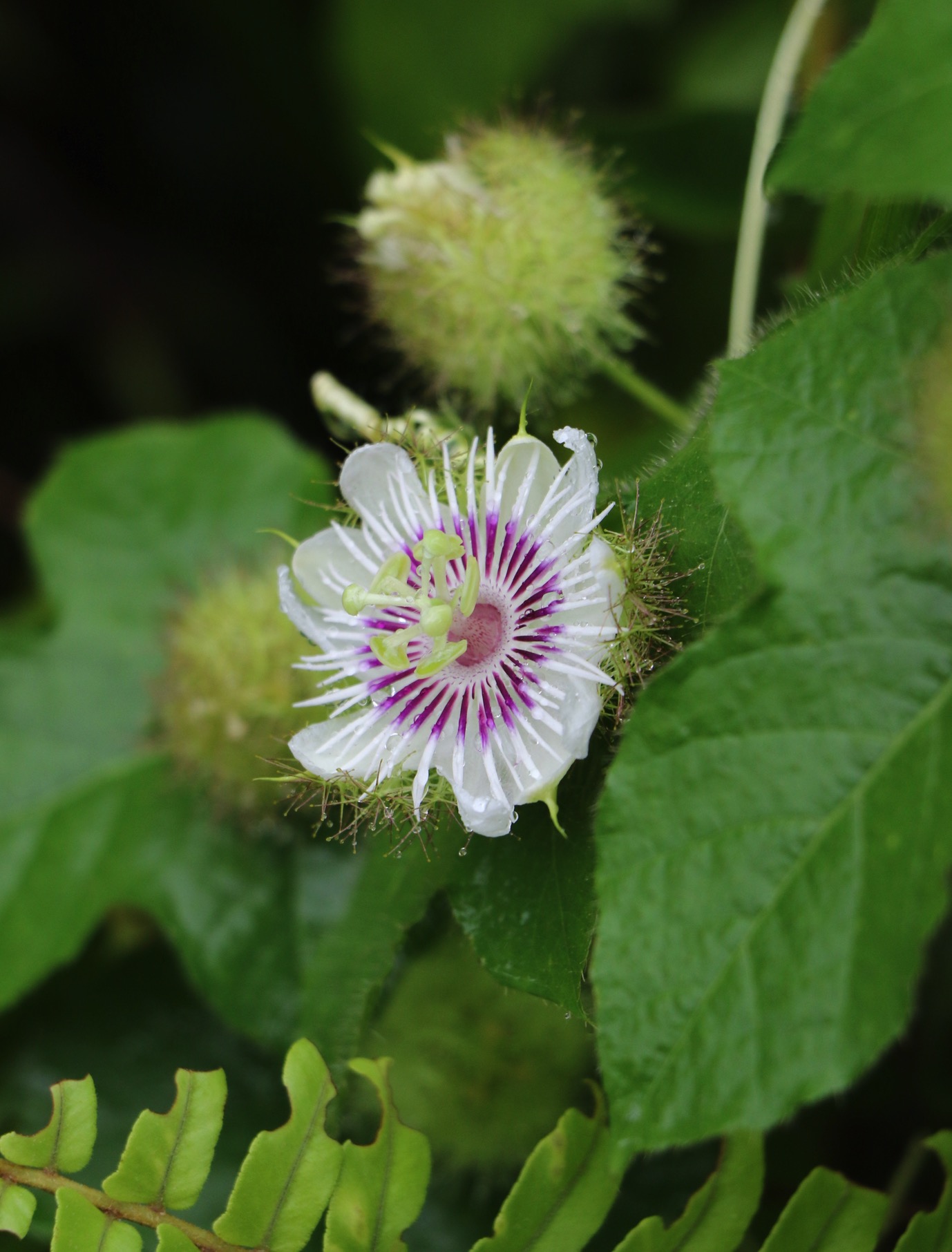
We found the time outdoors exciting and found interesting lifeforms – birds, spiders, and other insects were well represented. The stars came out on one night – which enabled a dazzling view of the Milky Way and Magellanic Clouds from central borneo. We had an amazing time zooming along the rivers, floating and swimming in them, and being propelled at mind-bending speeds by the local pilots with their powerful outboard motors! Many great conversations between students, faculty and local people also revealed the interlocking complexity of the environmental, social and political issues facing the Serawak people. It was a challenging, rewarding, and exciting opportunity, and we look forward to further research and collaboration with the Claremont Colleges as part of the Envirolabs Asia effort!


screenshot_422 screenshot_424 screenshot_425 screenshot_426 screenshot_427 screenshot_428 screenshot_429 screenshot_430 screenshot_432 screenshot_441 screenshot_442 screenshot_443 screenshot_453 screenshot_455 screenshot_460 screenshot_458 screenshot_457 screenshot_451 screenshot_452 screenshot_448 screenshot_446 screenshot_444 screenshot_447 screenshot_439 screenshot_438 screenshot_436 screenshot_434

Meeting with Carl Wieman at Stanford University

As part of my Bay Area trip, I had the opportunity to meet with Carl Wieman, Nobel laureate from 2001 in Physics at Stanford University. Carl is a person who has embodied the teacher scholar ideal better than perhaps anyone – with his ground-breaking research in Bose-Einstein condensates, which won the Nobel Prize, and his Wieman Science Education initiatives at University of Colorado, Boulder, and at University of British Columbia. In both universities, he was able to develop dramatically improved learning gains in physics, and to foster dramatic changes in pedagogy. His initiatives are intended to both develop advances in student learning through more active pedagogies, and on-line simulations, and to advance educational research through thorough assessments of teaching practices, and gains in conceptual thinking and proficiency in students.

Carl had visited Pomona College previously, when I was a younger faculty member, as part of an external review team in 2002. At that time he was able to highlight some key areas of strength in our department and some areas that needed improvement. I was grateful to the external review team as they helped us hire some key new people at Pomona, and helped shift our department toward a more responsive form of pedagogy in many of our classes.

My visit to Carl also gave a chance to revisit Stanford where I was a student in the 1980’s. At that time, Stanford was not known for its excellence in teaching, but rather for its research and Carl’s arrival to Stanford comes after decades of discussions about teaching and curriculum that have dramatically improved some aspects of Stanford’s undergraduate experience. The Stanford SUES report on Undergraduate Education from 2012, the development of new programs and positions such as the Vice Provost of Undergraduate Education (Harry Elam), and the Vice Provost of Teaching and Learning (John Mitchell), new online education efforts, the Institute of Design or d.school, and the Thinking Matters courses  all have made a big impression on the higher education community. I was very interested in learn more about the state of Stanford in light of these changes, and some of Carl’s ideas for his newest role, as a joint appointment in Physics and Education at Stanford.


screenshot_407
Carl Wieman

I asked Carl about how places like Stanford and Yale-NUS can best design a new curriculum. Carl noted that often there is a “disconnect” between curriculum design and pedagogy – leading to many problems. He indicated that it is not enough to design the content of the course (which is the more common and easy discussion) but to design the course, and the curriculum, and the spaces around more active and engaged pedagogy. Carl also was eager to try to connect some of the Thinking Matters courses together and link them to new ways of teaching.  Carl noted that “No data shows that changing curriculum causes vast changes. But we do have that data on changing how things are taught” – and he indicated that this is what changes how well students learn.
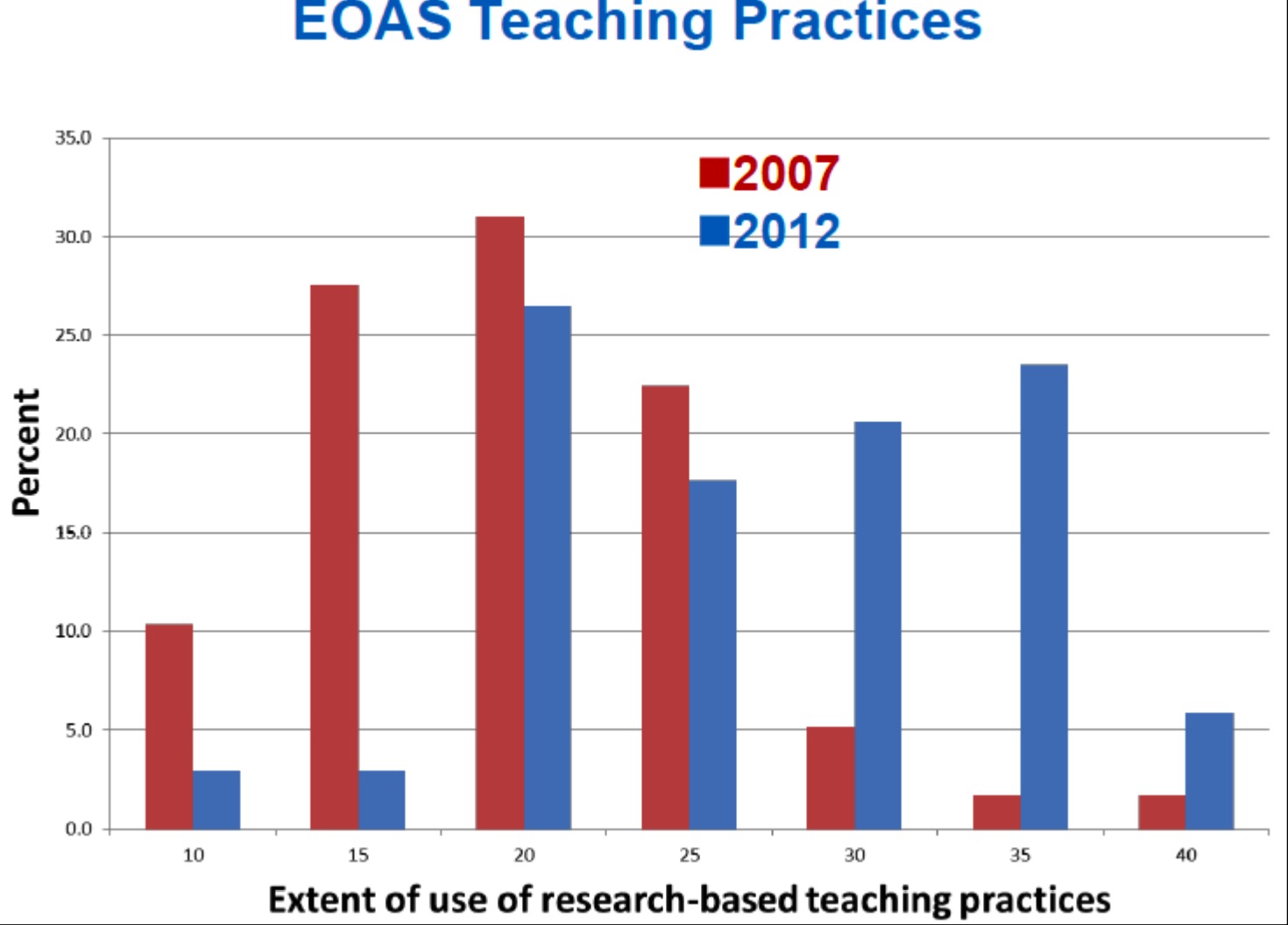
Carl is also eager to see large Research Universities include more emphasis on teaching as an incentive for faculty to take more time to develop their skills.  He is eager to get beyond teaching evaluations to more thoughtful ways of assessing how people teach, and then use these assessments as a way of both improving teaching at the university, and incentivising faculty to upgrade their teaching practice.  He is a big advocate of a new instrument he developed, known as The Teaching Practices Inventory.  This is a tool for collecting how people are teaching in a short objective way. Then once an institution has this information they can use the data to see and extend the use of use of practices that are known to be more effective. Carl argued that this method of evaluating teaching is very similar to evaluating research on the basis of grants and publications. Just as an institution will have faculty go for a peer review every 5 years or so for research, he would like to see this kind of peer review implemented as a robust way of assessing teaching.
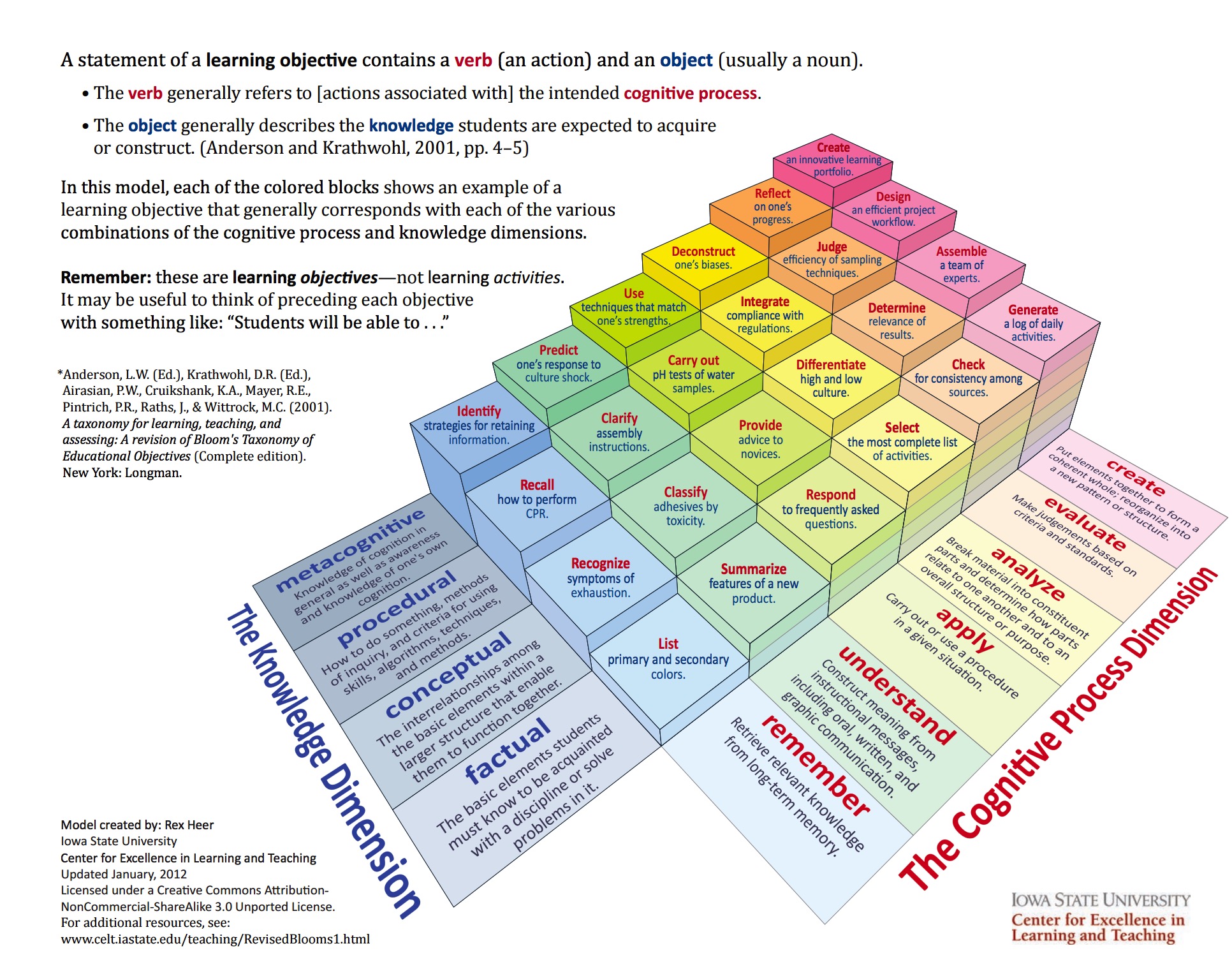
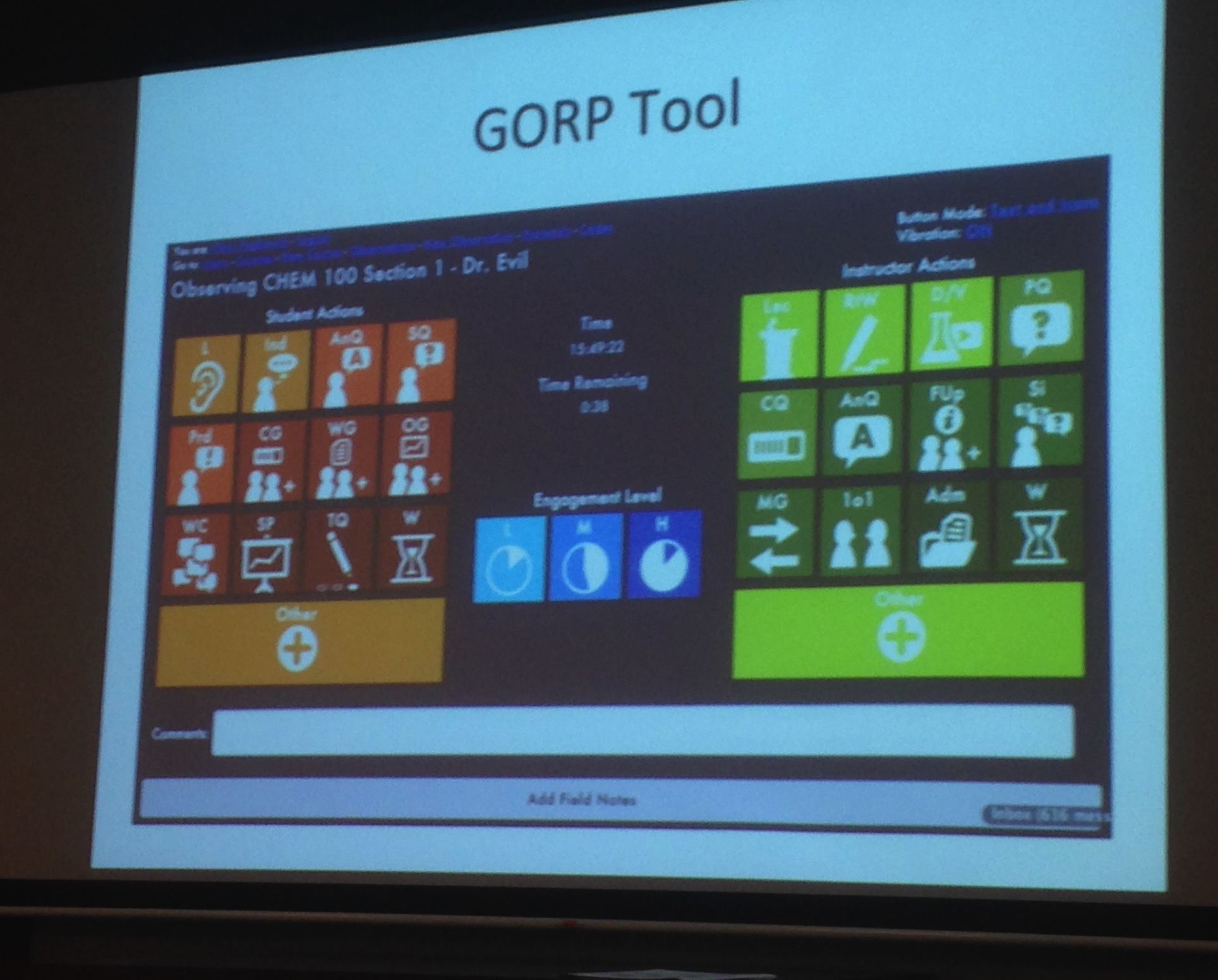
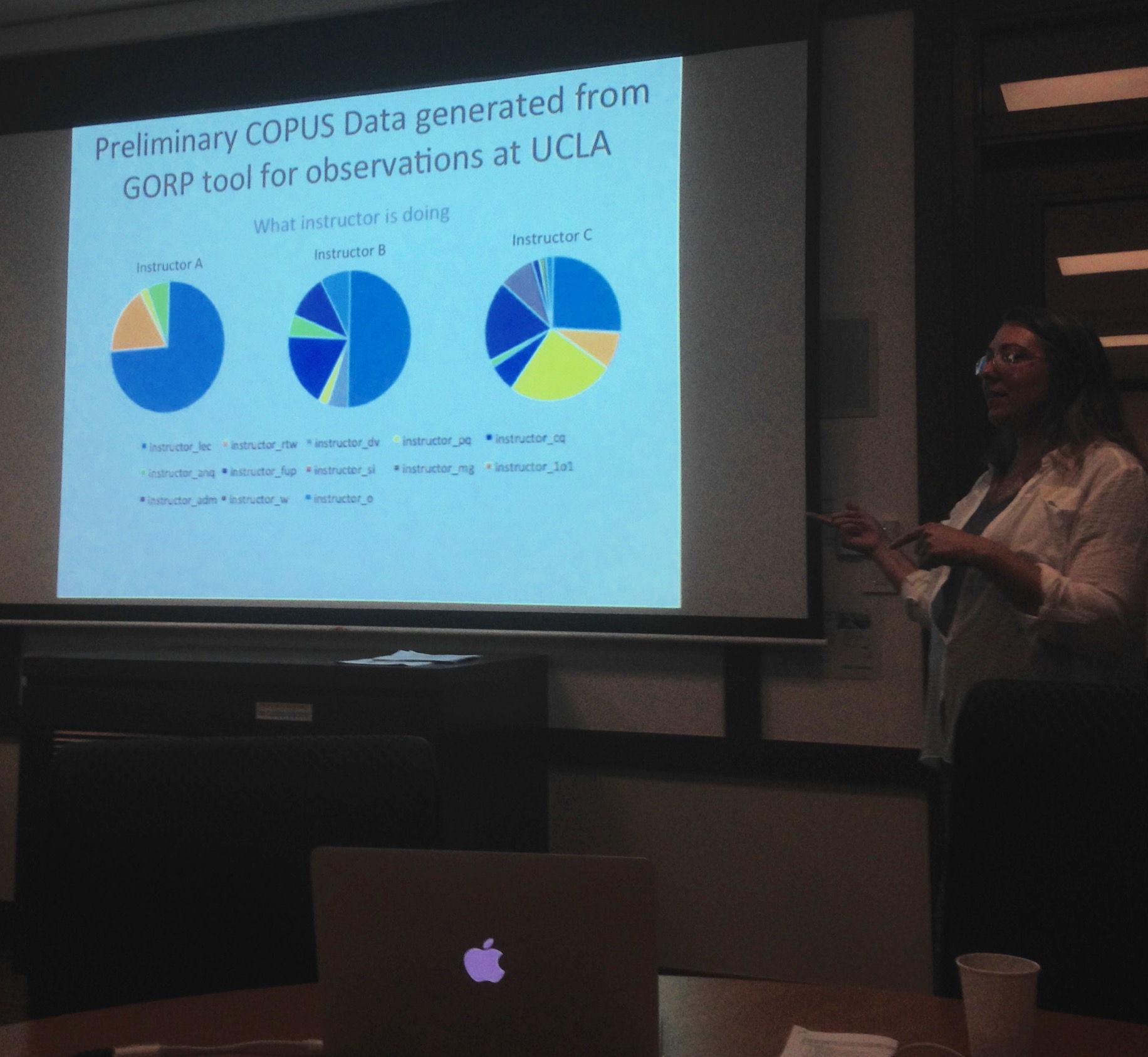
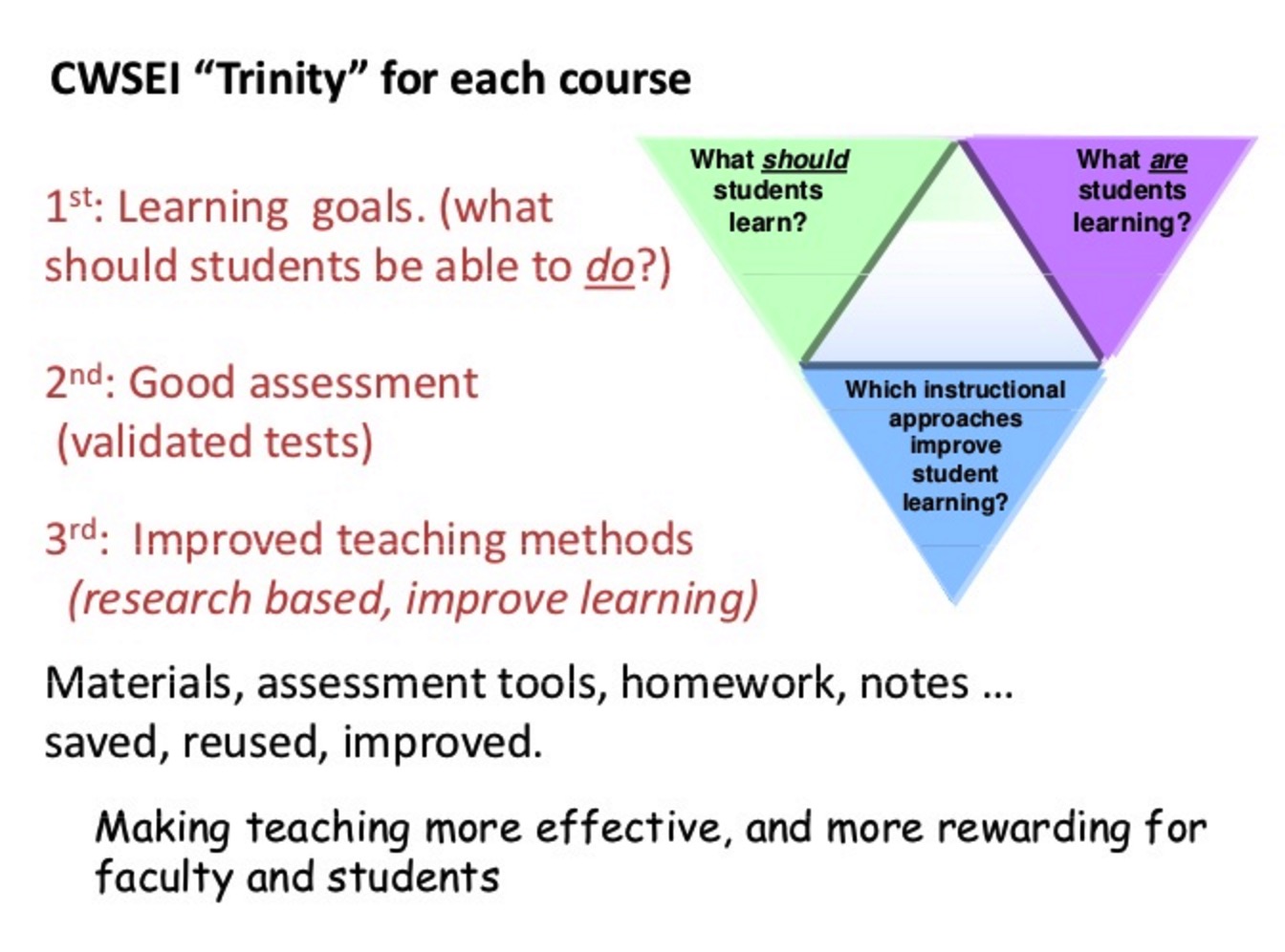
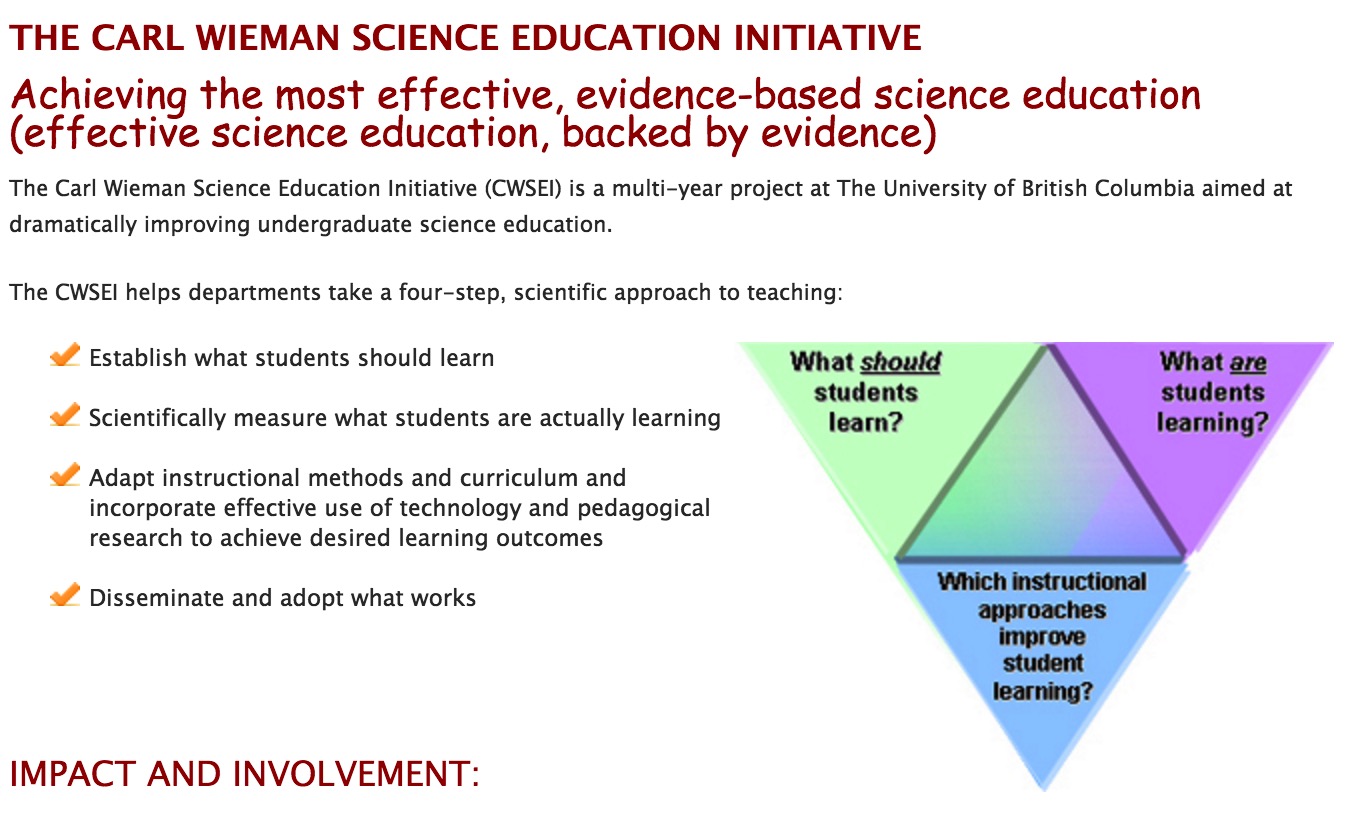
He would like to build a meaningful incentive system for effective teaching, and then build in the faculty support needed to help them do this. Carl points out that it is relatively easy to measure teaching practices, but much harder to measure student learning outcomes, and the Teaching Practice Inventory enables a quantitative measure that is a proxy for teaching quality, as one piece of the teaching review.  Carl described two of his big experiments in institutional change – at University of British Columbia and at University of Colorado, Boulder. He pointed out that at Colorado 75% of faculty changed how they taught, which to his knowledge is the biggest change ever, amounting to 15,000 credit hours per year. The Carl Wieman Science Education Initiative starts by assessing how people are teaching, with the teaching practices inventory, and also assesses both what faculty and students are doing in classrooms, using a protocol Carl invented known as the Classroom Observation Protocol for Undergraduate STEM (COPUS). The training of faculty and postdocs all emphasises what Carl sometimes calls “the holy trinity” – knowing what students should learn from learning objectives that are assessable, being aware of which instructional approaches improve learning, and assessing student learning (and teaching) thoroughly, and adapting and adjusting approaches based on this information. Below are two illustrations giving examples of his approach from a UBC web site.

screenshot_406screenshot_409
Carl noted that any kind of educational reform effort at a university has to make use of the most important unit in the research organization – the department – and there is an expertise there, and a culture that has to be leveraged and respected. The trick to Carl’s reform effort at UBC and at Colorado was to base “Science Educational Specialists” in departments. The departments would hire people typically with PhDs in the field, who were more interested in a career in education. These Science Education Specialists would then be trained by Carl’s Carl Wieman Science Education Initiative, and bring back their techniques to the department, where hey were based.  He indicated that for a thorough reform of a large institution like UBC or Colorado it was necessary to have 1-2 postdocs imbedded in each department, over a period of about 5 years. Many of these postdocs could then be hired as faculty in a Teaching Track to help continue the reform for a longer term impact.
Carl indicated that this model of imbedded educational specialists, is something like how IT is supported on campus; many departments hire people with these specialized skills so that faculty members don’t have to be experts, but will have to have specialized people to ask questions about pedagogy. This model is one that can complement a Center for Teaching and Learning, and help develop faculty teaching expertise from within their departments.  The interview was very interesting – and I hope to bring back some of Carl’s tips to my Center at Yale-NUS, where we are in the process of hiring a new postdoctoral educational researcher who might be able to do the sort of work that Carl’s Science Initiatives have enabled at UBC, Colorado and now Stanford!


screenshot_410
shifts in faculty teaching practices at UBC after the CWSEI
screenshot_408


AGU meeting in San Francisco and Elon Musk talk

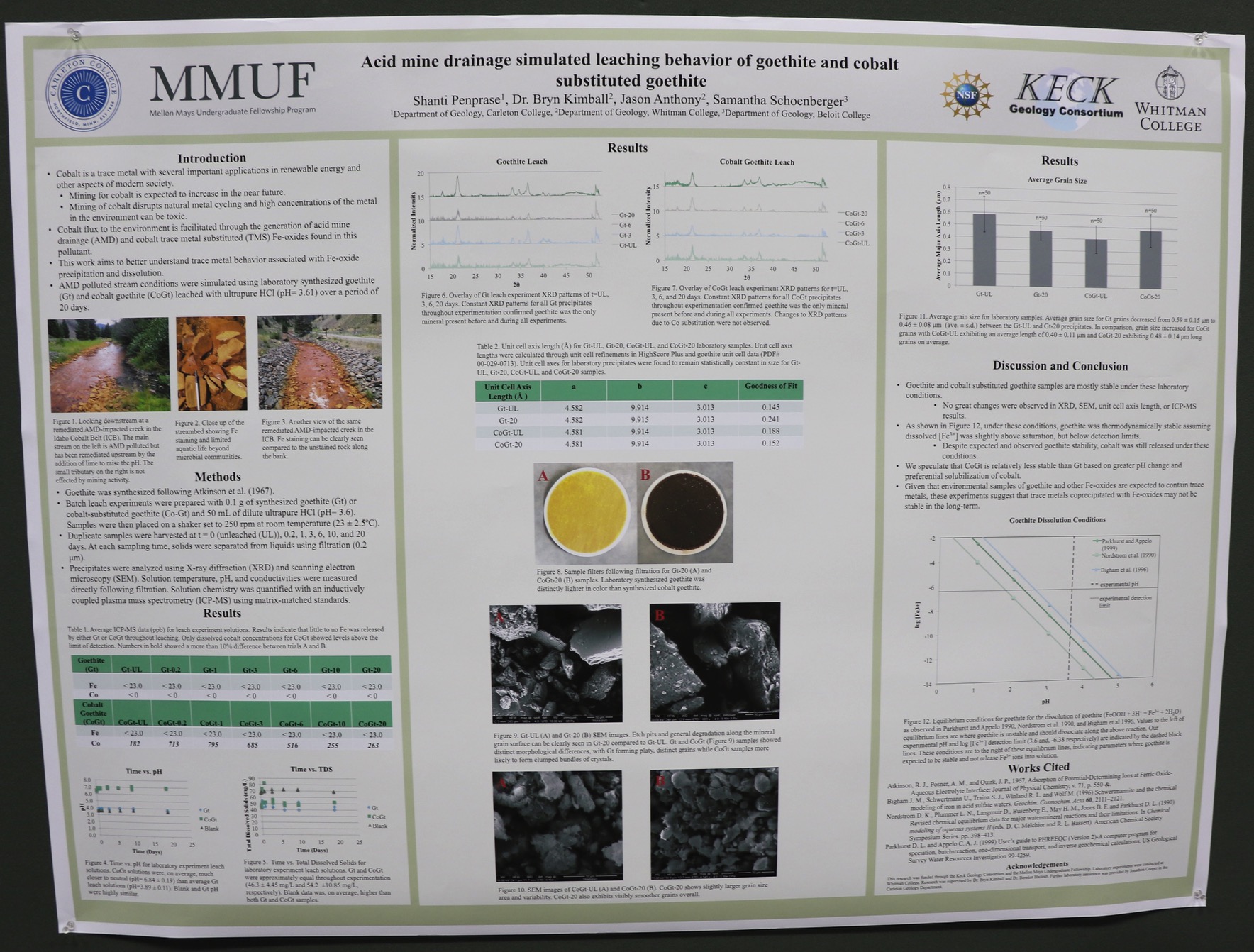
From December 14-17 I attended the American Geophysical Union (AGU) meeting in San Francisco. This meeting was exciting for many reasons – it was a chance for me to learn and immerse in the latest information on global climate change, and space-based observing of earth. It was also a chance for me to see my daughter Shanti (a senior in geology at Carleton College) present her first scientific paper! The meeting was HUGE – with more than 20,000 people in attendance!  This makes it nearly 10 times larger than the usual American Astronomical Society meeting I usually attend.

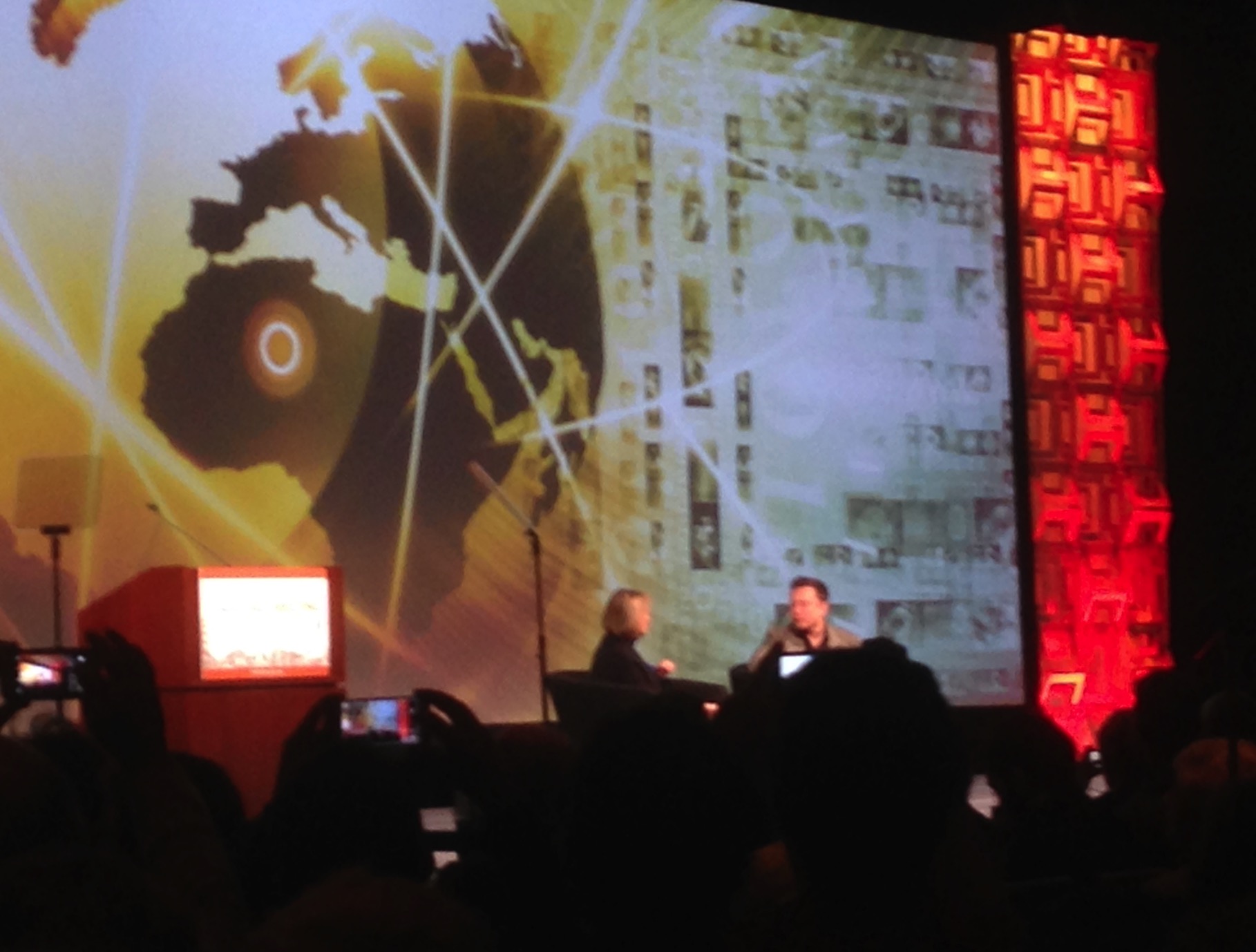
The meeting opened with a talk by Elon Musk – who outlined some of his new ideas about photovoltaics, making humans a “two planet” species (by colonizing Mars), and even his ideas about higher education. Elon was very keen on having all students study a lot of physics, programming and to become critical thinkers. He had some pretty specific ideas about higher education, and perhaps one day his SpaceX fortune can help found a new university!

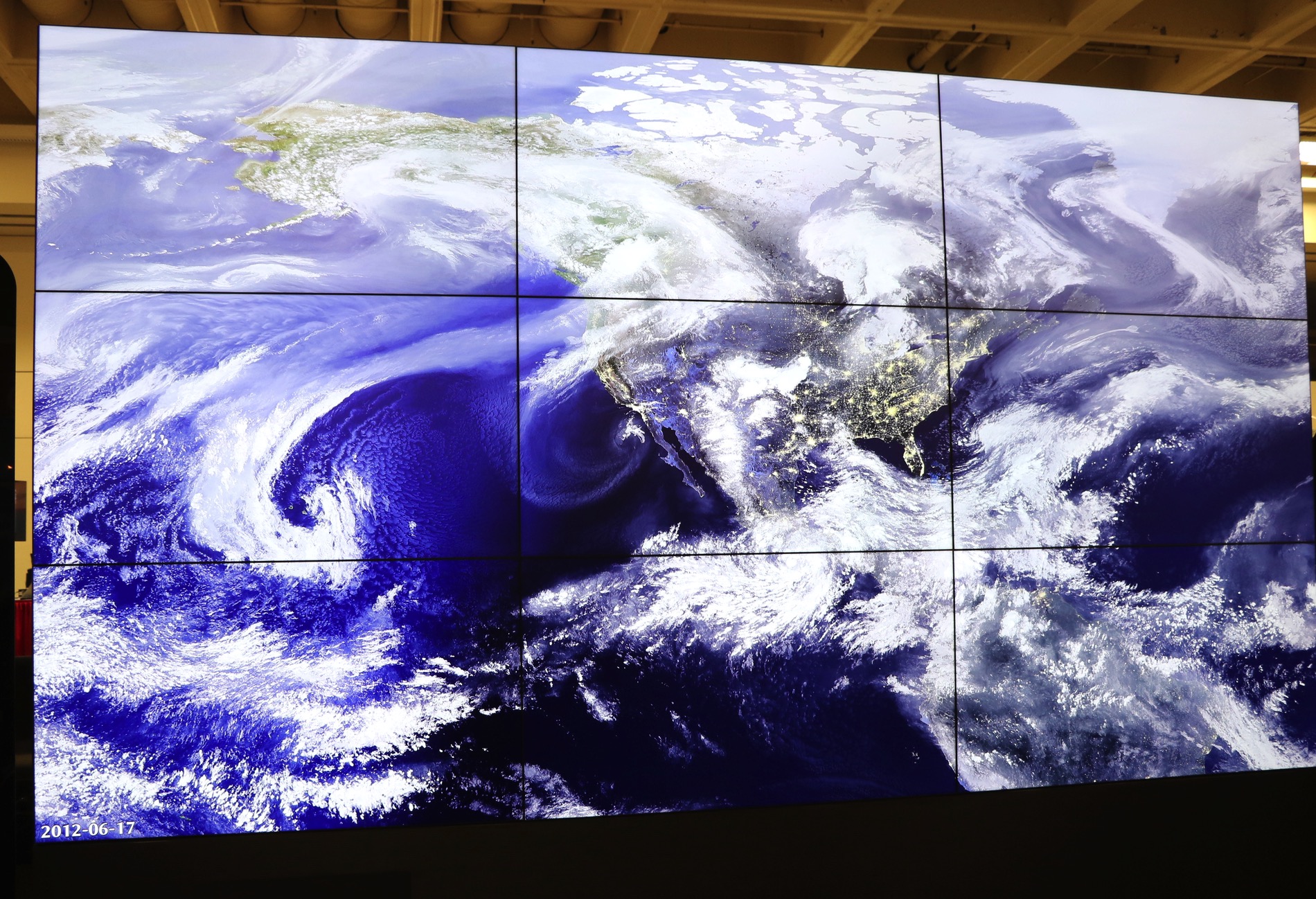
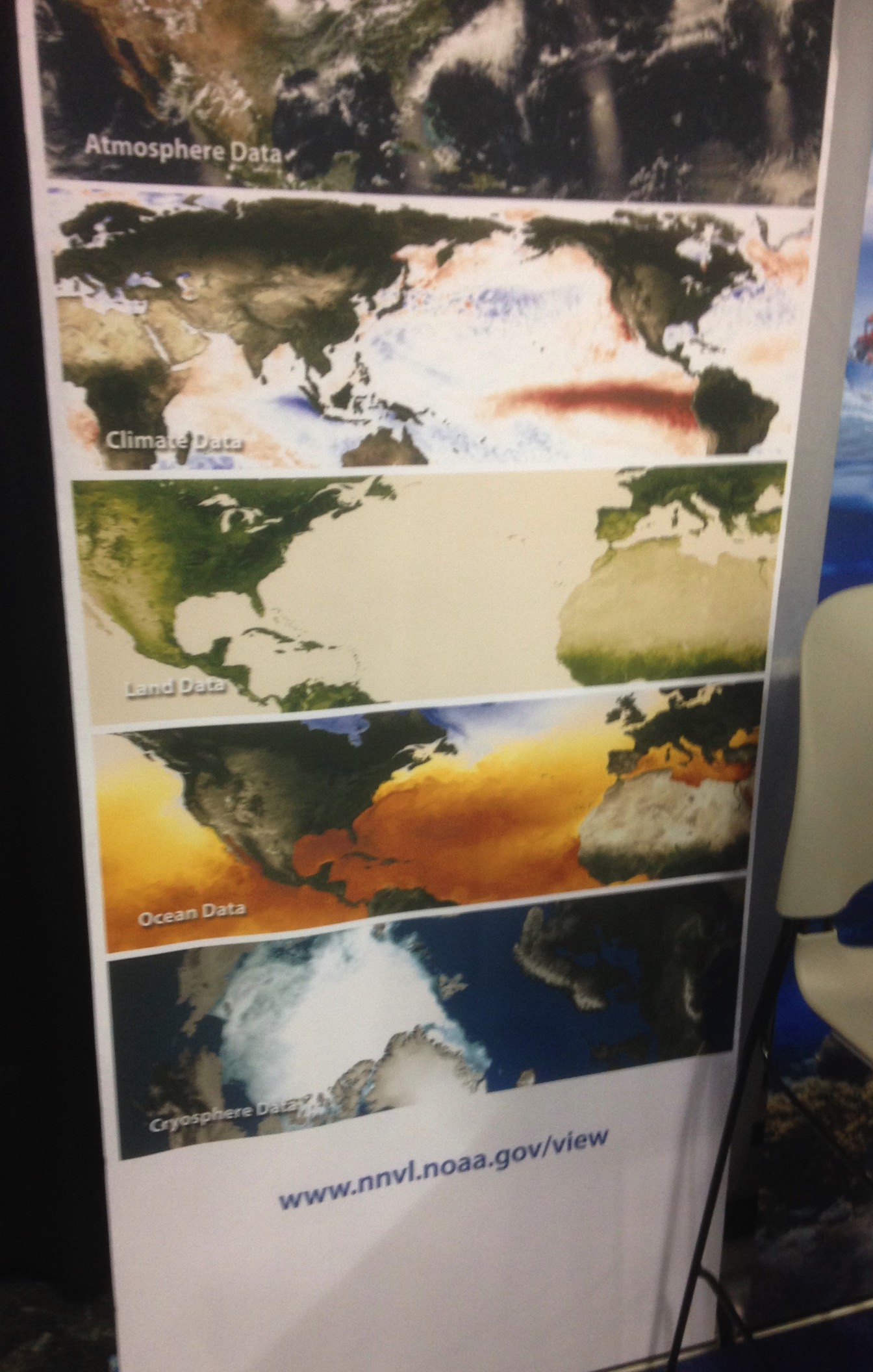
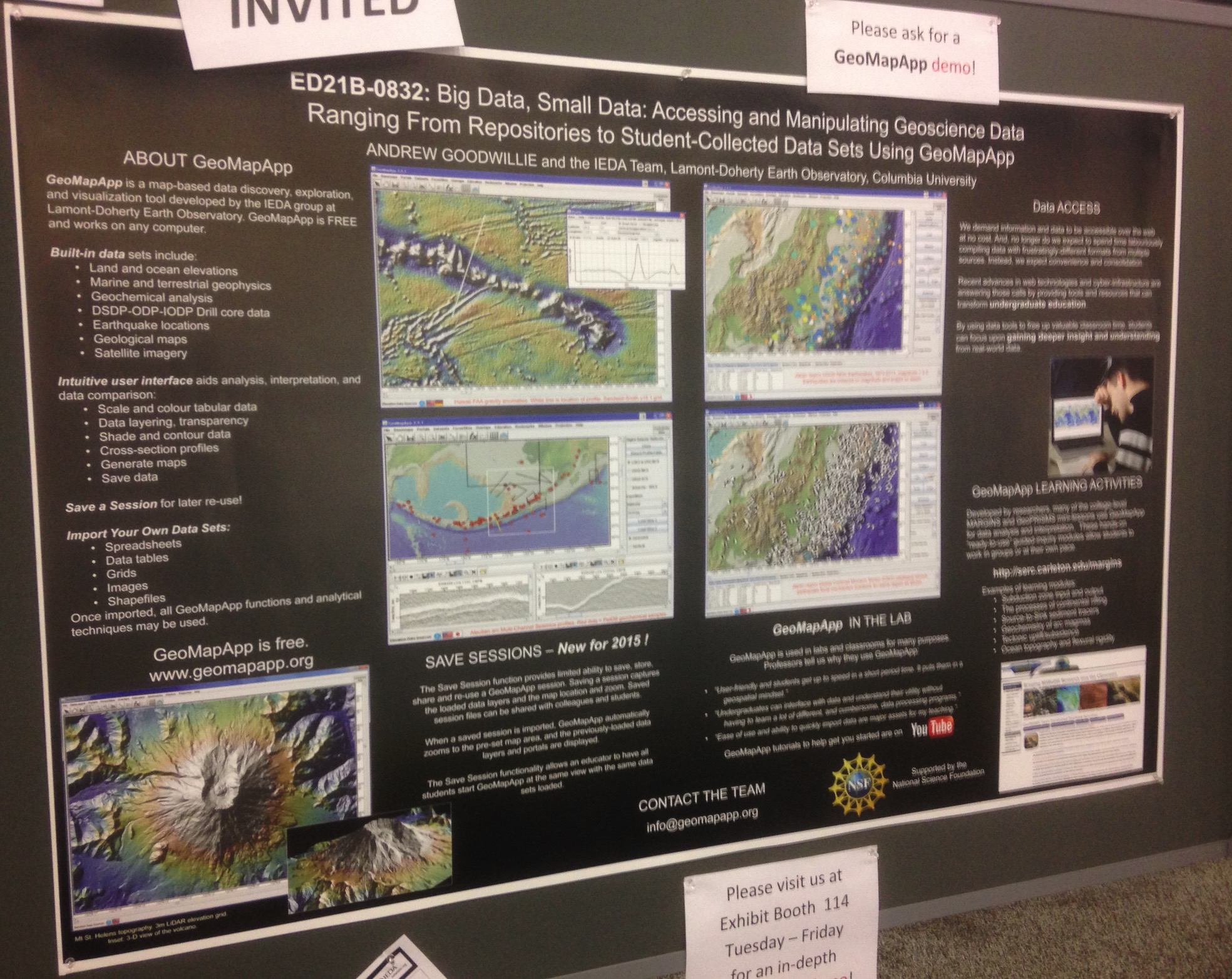
My favorite scientist at the meeting, Shanti Penprase, presented her poster. I also studied a number of really amazing visualizations from NASA, NOAA and Google, and plan to use many of them in my Spring 2016 Foundations of Science class at Yale-NUS College. Particularly remarkable was the “hyperwall” – a set of 12 interconnected large flat panel displays on which the NASA imagery could be displayed at full resolution using their fleet of earth observing satellites. On the hyperwall I was able to watch a decade of Earth’s CO2 accumulations, see flashes of aerosols and ozone across the earth from natural sources (deserts and plants), and from humans. It was an amazing perspective. Google also has a new program known as Earth Engine, which allows one to watch a series of Google Earth images in a timelapse movie. I took notes on this program and its inner workings as it seems like an ideal platform for studying earth – and environmental impacts from humans. The time-lapse of Singapore was amazing – it was possible to watch Singapore add new chunks of land to the island, as it expanded its port areas at Jurong and by the East side of the island!

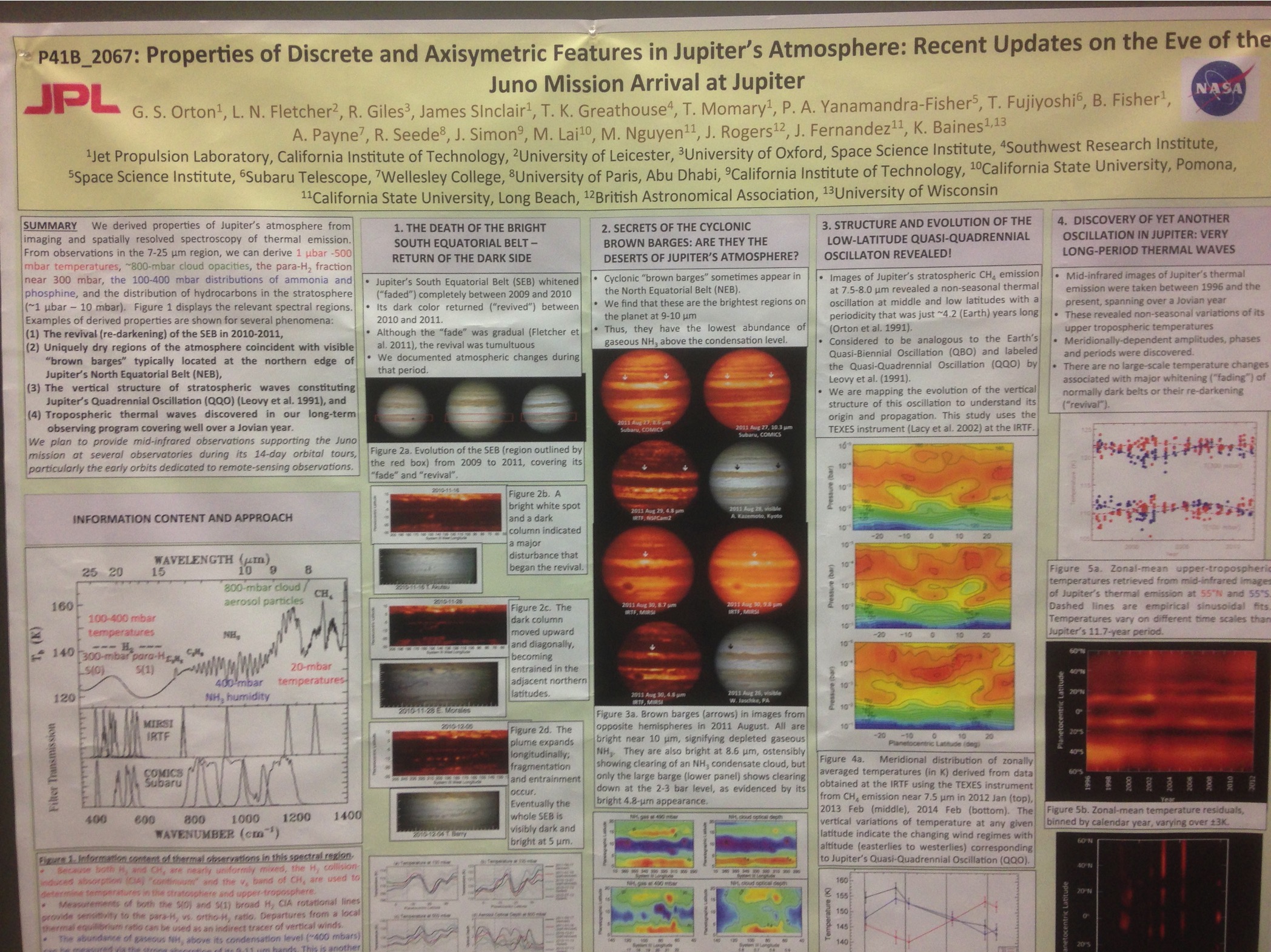
Other astronomical topics were of great interest. My friend and collaborator, Glenn Orton, was there presenting new information on Jupiter, and we discussed the upcoming Juno observing campaign. The solar eclipse of August 2017 was dramatically illustrated and I had a chance to read about the latest results from the Mars rovers and from other studies of Mars that combine orbiter and ground data in clever ways.

There were also a number of very interesting booths where representatives of various international universities were presenting their research programs. I had great talks with geophysics people from France, Australia, and even from a new Ecuadorian university known as Yachay Tech! It was an amazing meeting and I learned quite a bit – which will really help both my teaching and future research.


Elon Musk talk about future technologies and higher education


screenshot_392screenshot_393


Images from NASA’s Hyperwall


screenshot_404screenshot_402 screenshot_405screenshot_401


My favorite scientists at the meeting!


screenshot_399 screenshot_400


And even more great information on astronomy, earth science, and technology!

screenshot_396 screenshot_397 screenshot_398 screenshot_395    screenshot_394


Visit to NYU Abu Dhabi

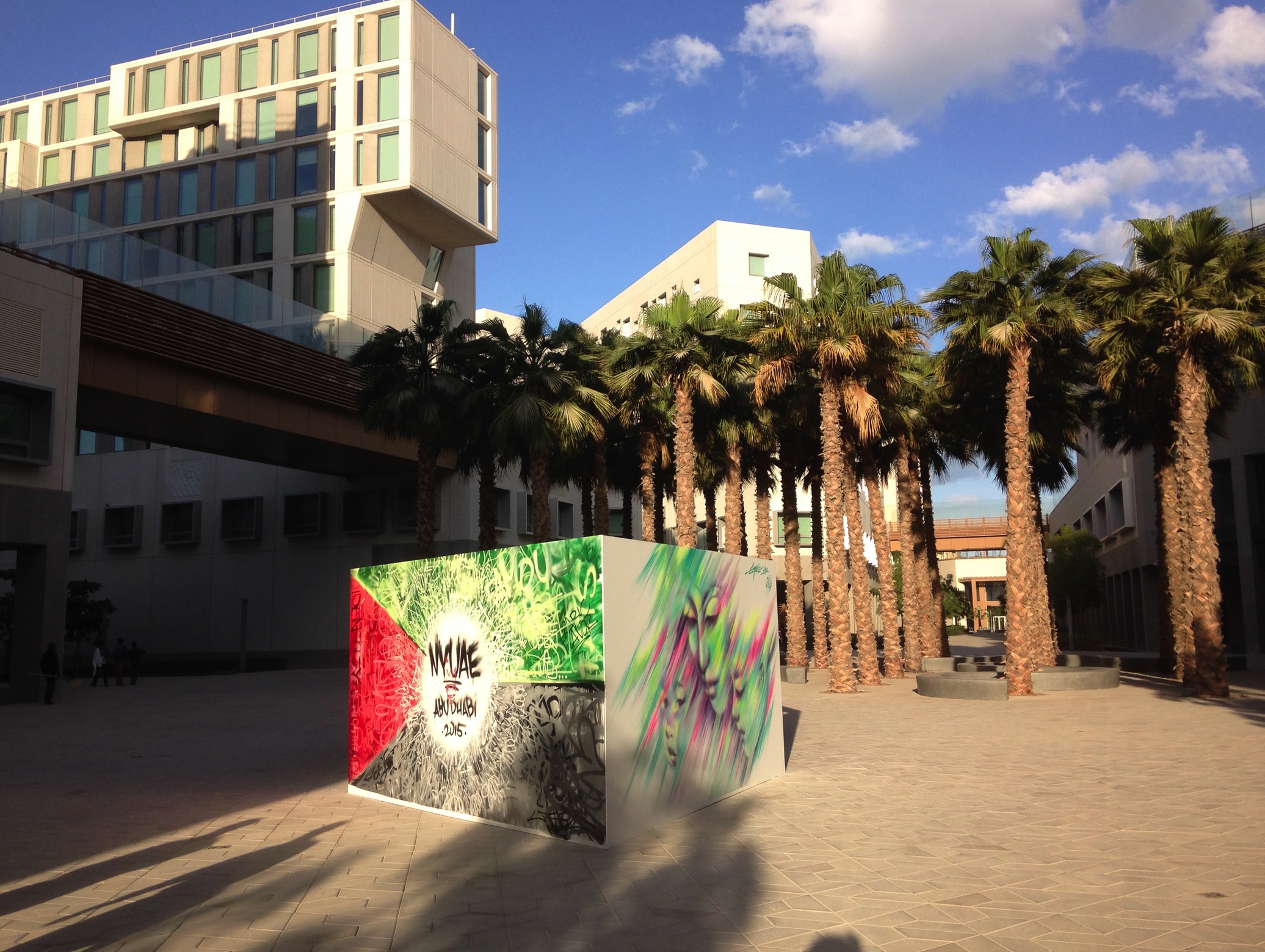
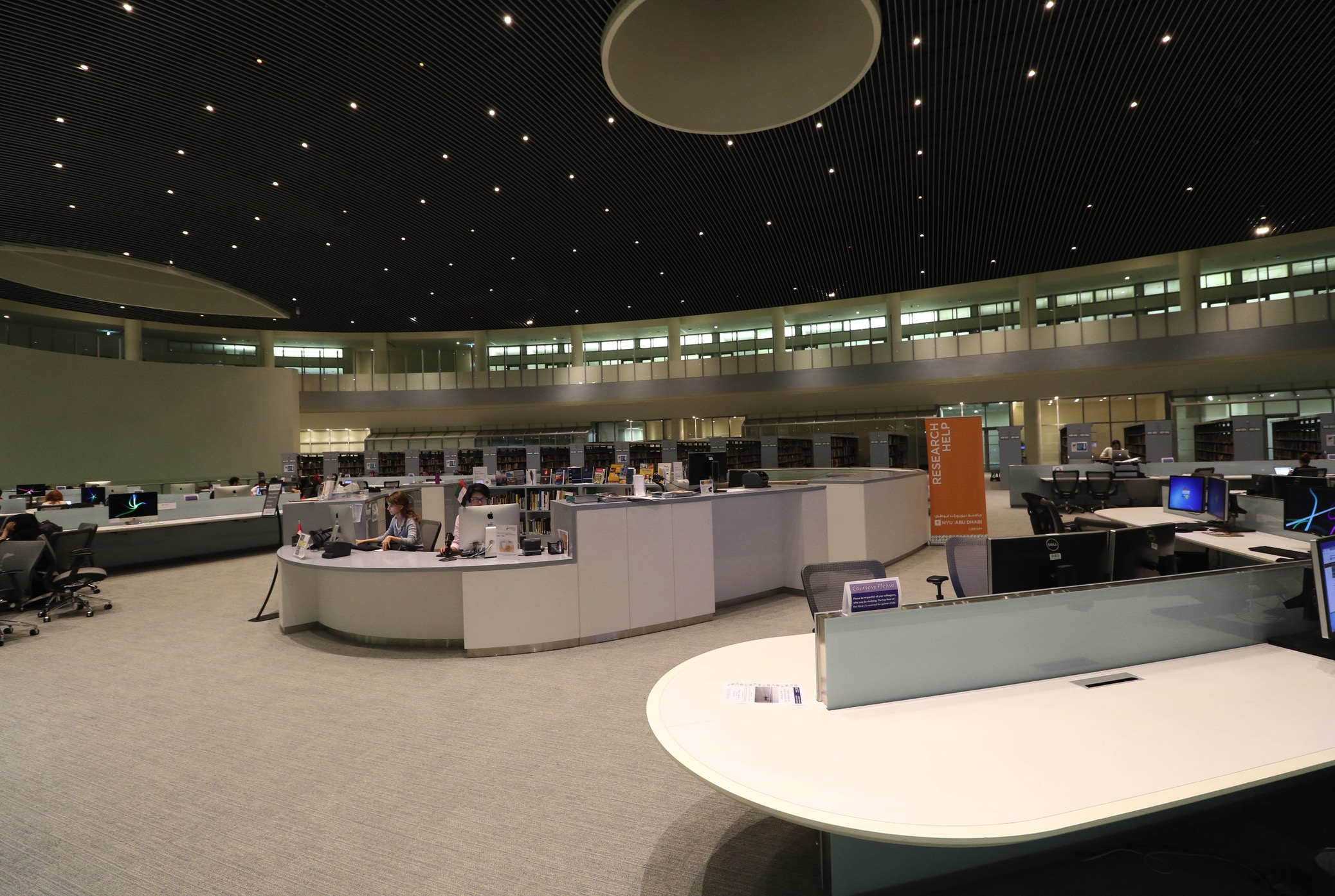
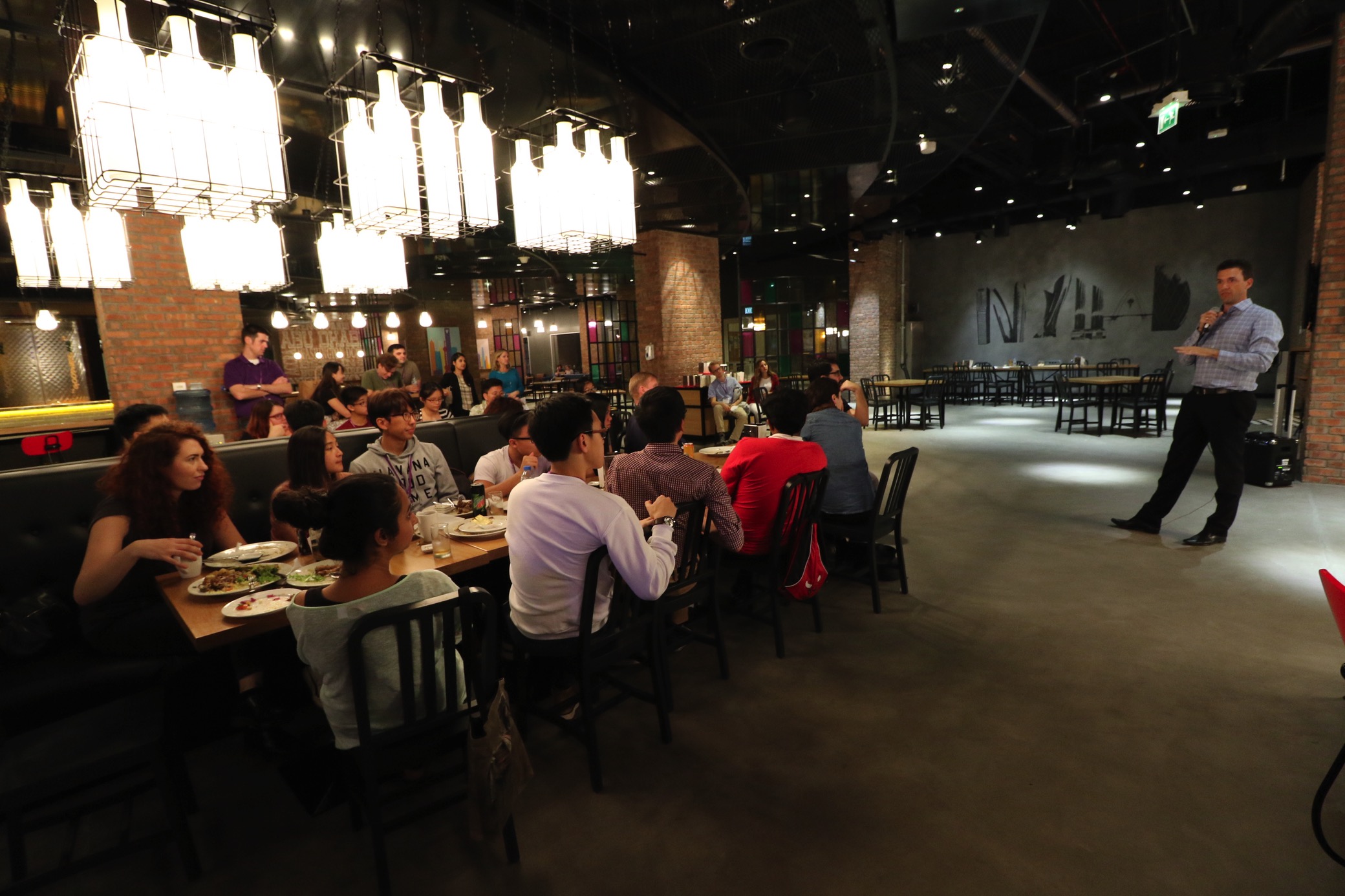
During December 7-10, 2015, I represented Yale-NUS as a member of a delegation visiting NYU Abu Dhabi. The group included our Dean of Students, Brian McAdoo, our Dean of CIPE, Trisha Craig, several of our Dean’s Fellows and a group of about 18 students. My role was to represent my Centre for Teaching and Learning and also to inquire more broadly about NYU Abu Dhabi’s development of curriculum and faculty research and teaching. Of course the chance to visit our friend Kyle Farley, NYUAD’s new Dean of Students, and to see the gleaming new campus at Saadiyat Island was also a great reason to join!

The tour was organized by Chris O’Connell, who worked with Victor Lindsay at NYUAD to put together a fantastic overview of their campus, student life, and curriculum. Victor met us at the airport and rode with us from Dubai to Abu Dhabi. We had a great chance to talk in the car, and I was able to tell him about my visit to NYUAD in their old campus back in 2013. During that time, NYUAD had just started up, and was at about the same point in life as Yale-NUS College is now.

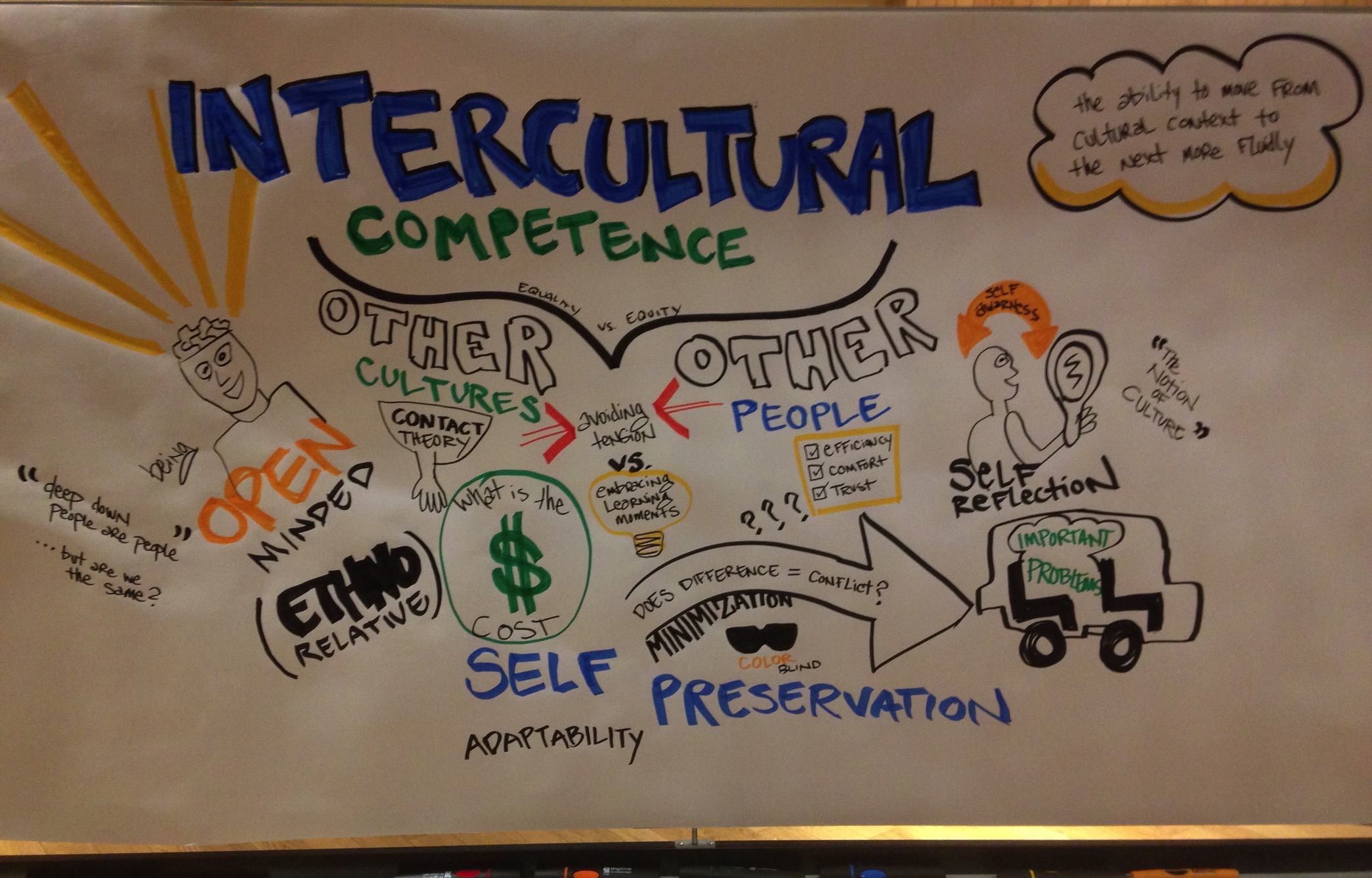
We began our tour with a visit to the campus, where we settled into some great accommodations. The campus is really amazing, with shiny new buildings everywhere, and an impressive scale. On the first day we visited the Masdar Institute, and discussed some aspects of the NYUAD approach to diversity and intercultural understanding with Alta Mauro, who gave a great presentation to the students.


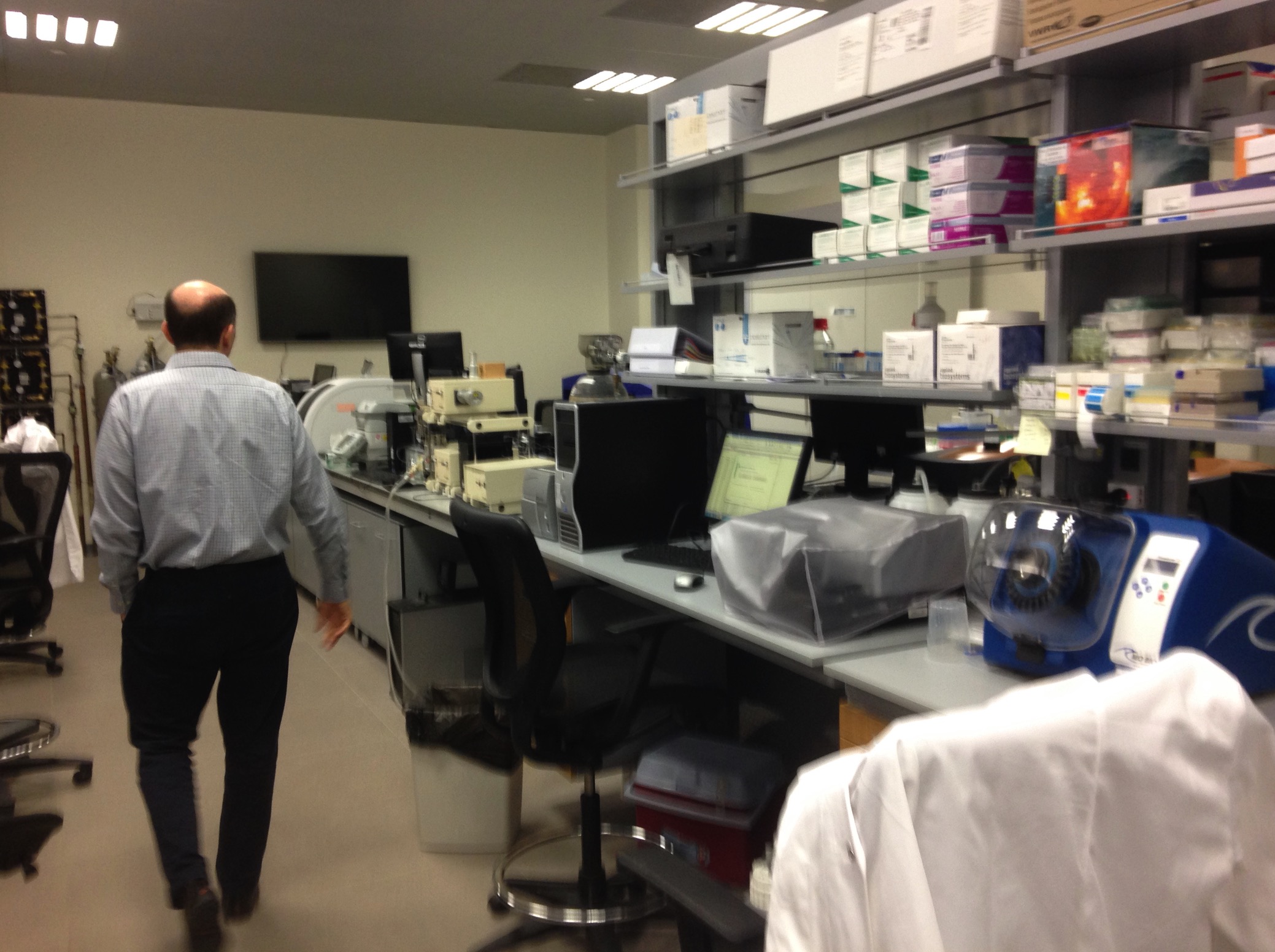
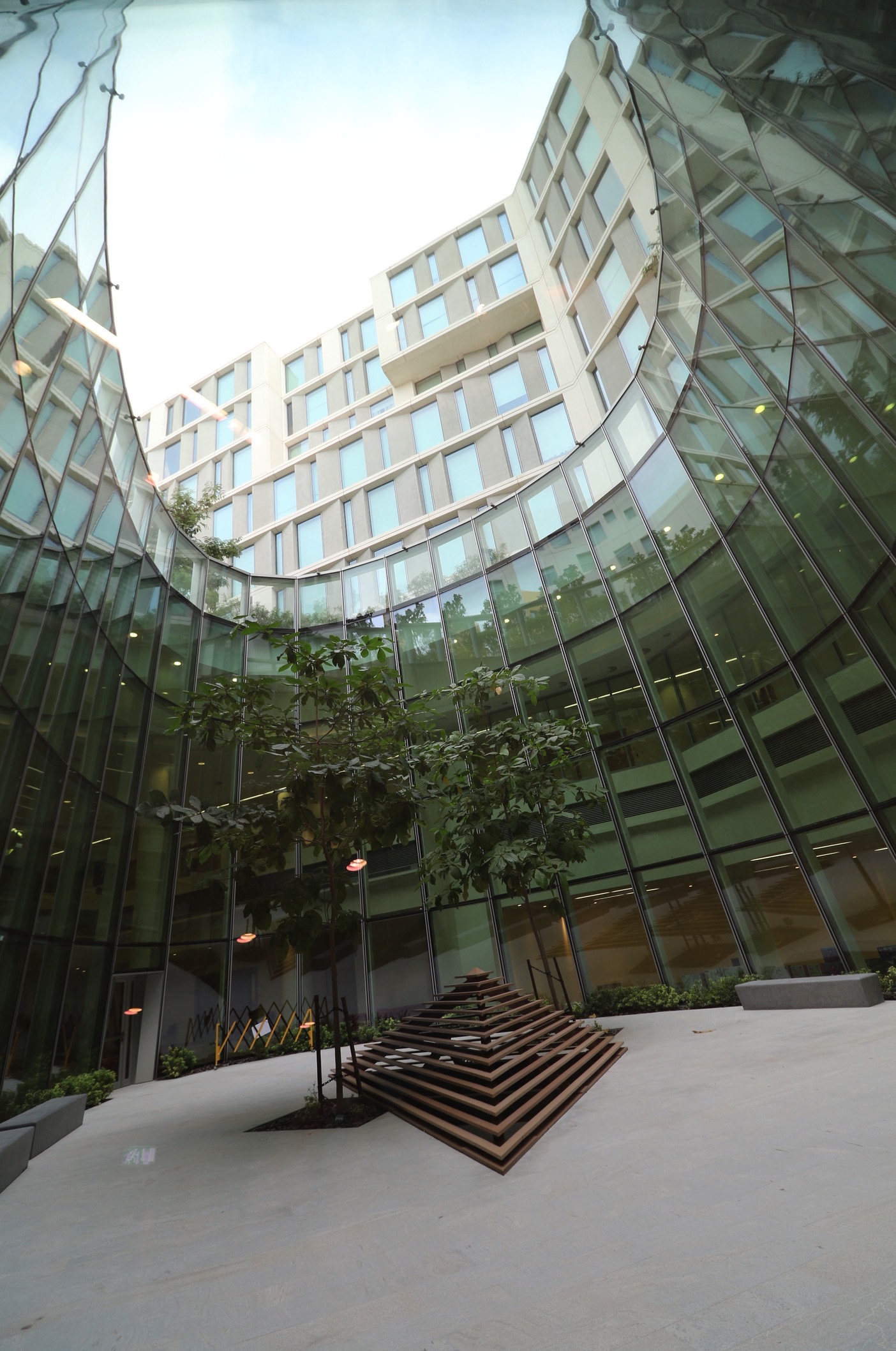
Views of the NYU Abu Dhabi Campus – science laboratories


screenshot_384 screenshot_383 screenshot_382 screenshot_381 screenshot_380


screenshot_379


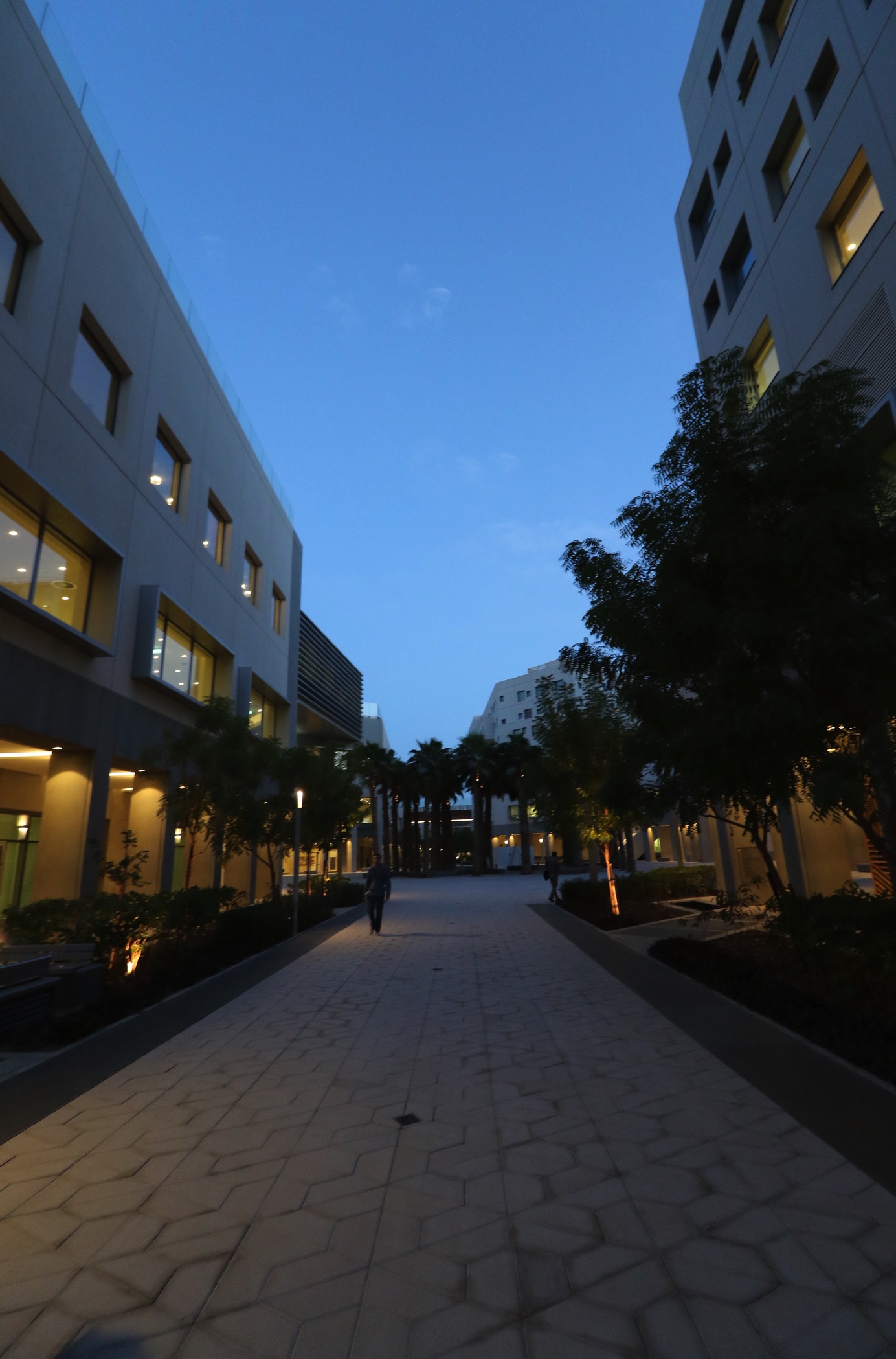
Scenes from the NYU campus – our tour and discussion of intercultural competence, views of the administration building and library, view outside of the campus, and Kyle Farley addressing our students after arriving.


screenshot_370      screenshot_360screenshot_361screenshot_348screenshot_346screenshot_345screenshot_343screenshot_352screenshot_353


One key person I met with was Bryan Waterman, a professor of English and leader in the NYUAD curriculum restructuring.  The NYUAD program includes 8 courses in their common curriculum, which was implemented several years ago. The faculty discussed during academic year 2014-15 possible alternatives, and then gathered a list of alternatives in Spring 2015. During Fall of 2016 they selected and voted for an alternative structure of the common curriculum, which is now only 6 courses, organized along common themes.

Bryan is eager to develop “plenary moments” in the NYUAD common curriculum to enable these courses to interconnect at key moments. He cited the Stanford “Thinking Matters” courses which sophomores take, and pointed out that many of the NYUAD courses are similarly aligned on deep themes like “Justice” and can take on the topic from a variety of angles. The plenary moments, and other speakers, shared joint lectures, and events can bring the various courses together. He is aiming for more consistency among the different courses, and more cohesion in terms of skills.

He feels students can be excellent at recognising the whole of a course, and he engaged focus groups of students as well as provided  He also convened a session called “Hack the Curriculum” for students to meet in groups to solve some actual curricular challenges. They met for 4 hours, discussed solutions in groups and presented these to each other. Some of their ideas stuck and made it into the actually adopted curriculum. He was really excited by the energy and thoughtfulness of these students – 45 of them who took the time in the middle of the semester to do this work!

In addition to meeting with Bryan Waterman, we were able to visit Timothy Dore, a remarkable chemist at NYUAD. Tim took us on a tour of his labs, which were a sprawling complex of rooms filled with advanced instrumentation. It was clear that NYUAD was making a substantial investment in his scholarship, and having such resources placed Tim and scientists like him at a competitive advantage compared with others at smaller institutions.

Our academic discussions also included a conversation with Charles Grim, Vice Provost for Academic Administration. Charles gave us a great overview of the process of hiring and developing the NYUAD faculty, and his work there began in 2010, right at the beginning of NYUAD. The dynamics of managing faculty in a “startup,” the shifting expectations of new faculty as they arrive and build an institution, and the change in the scale and research component at NYUAD all caused some interesting dynamics as the different faculty cohorts worked together to build NYUAD into its current state.

We also had a great discussion with Ken Nielsen, who is the Director of the NYUAD writing center. We discussed how Ken has set up training programs for the Global Academic Fellows (like our Dean’s Fellows), and for peer tutors within the center. Ken had a number of great ideas about supporting students.

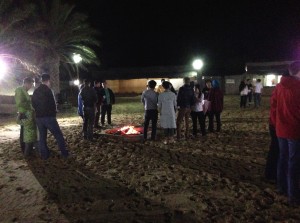
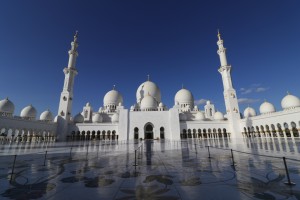
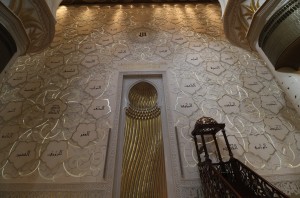
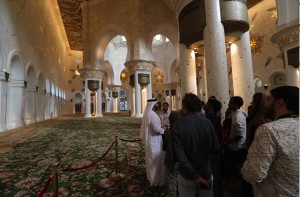
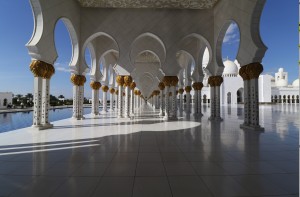
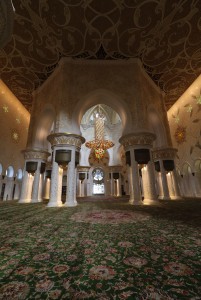
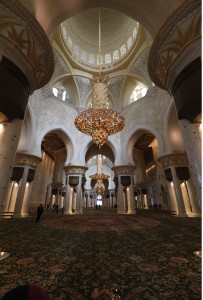
The pictures below show many of the scenes of the campus, our expedition to the desert for an amazing dinner at the dunes (including dune boarding, camels and hawks!), a visit to Saadiyat Beach, a visit to the Sheikh Zayed Grand Mosque, and some great times exploring Abu Dhabi with a very friendly and welcoming group of faculty, staff and students. I was grateful for the experience and look forward to working more with NYUAD in the future, as Yale-NUS and NYUAD have a lot that they can share with each other and many common experiences building new models of higher education in a startup environment.


Visit to the Desert for Dinner and Dune-boarding:


screenshot_364screenshot_366screenshot_367screenshot_365screenshot_368screenshot_369


Visit to the Grand Mosque!


screenshot_371screenshot_372

screenshot_374screenshot_375screenshot_373screenshot_378screenshot_376screenshot_377


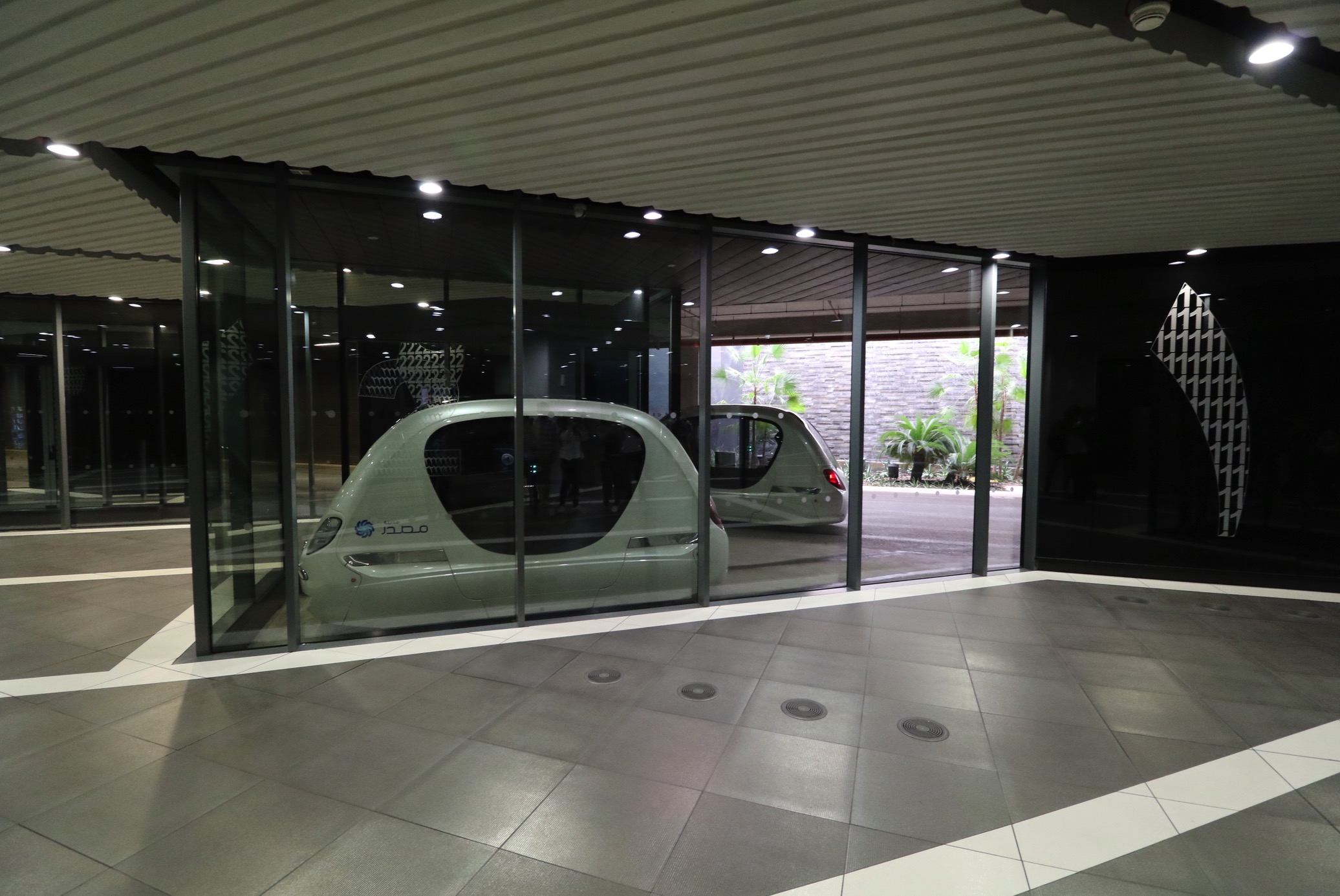
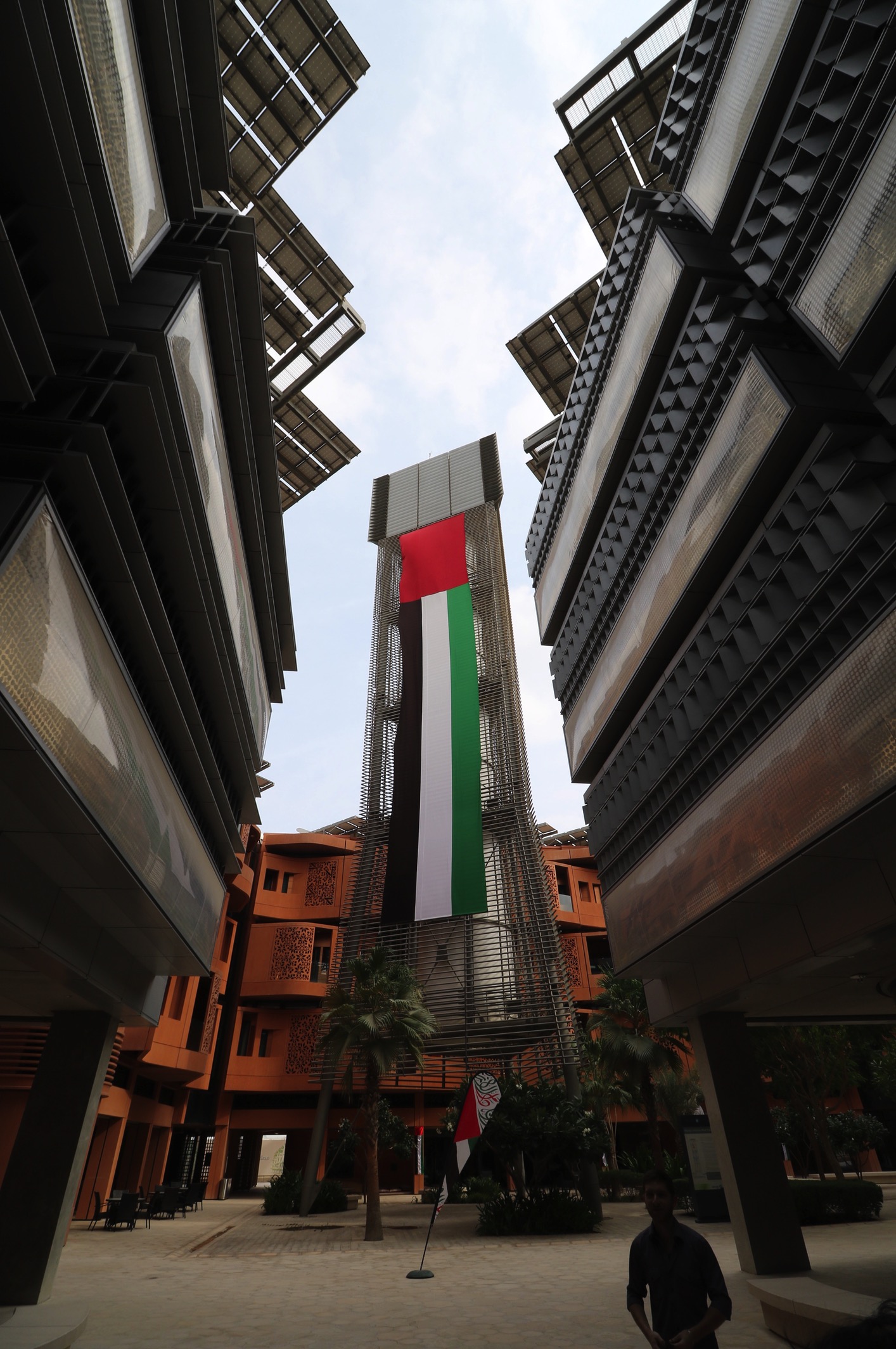
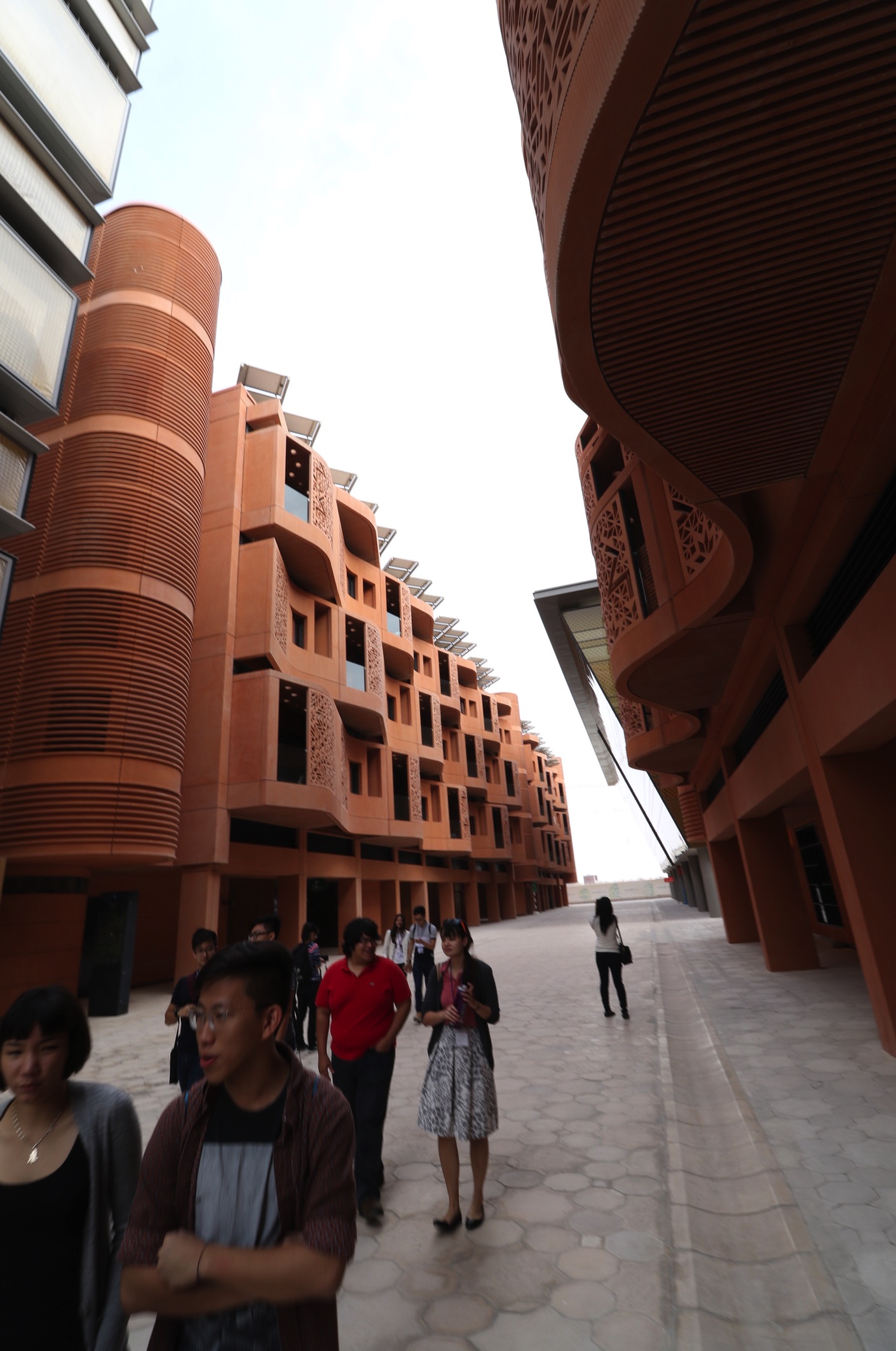
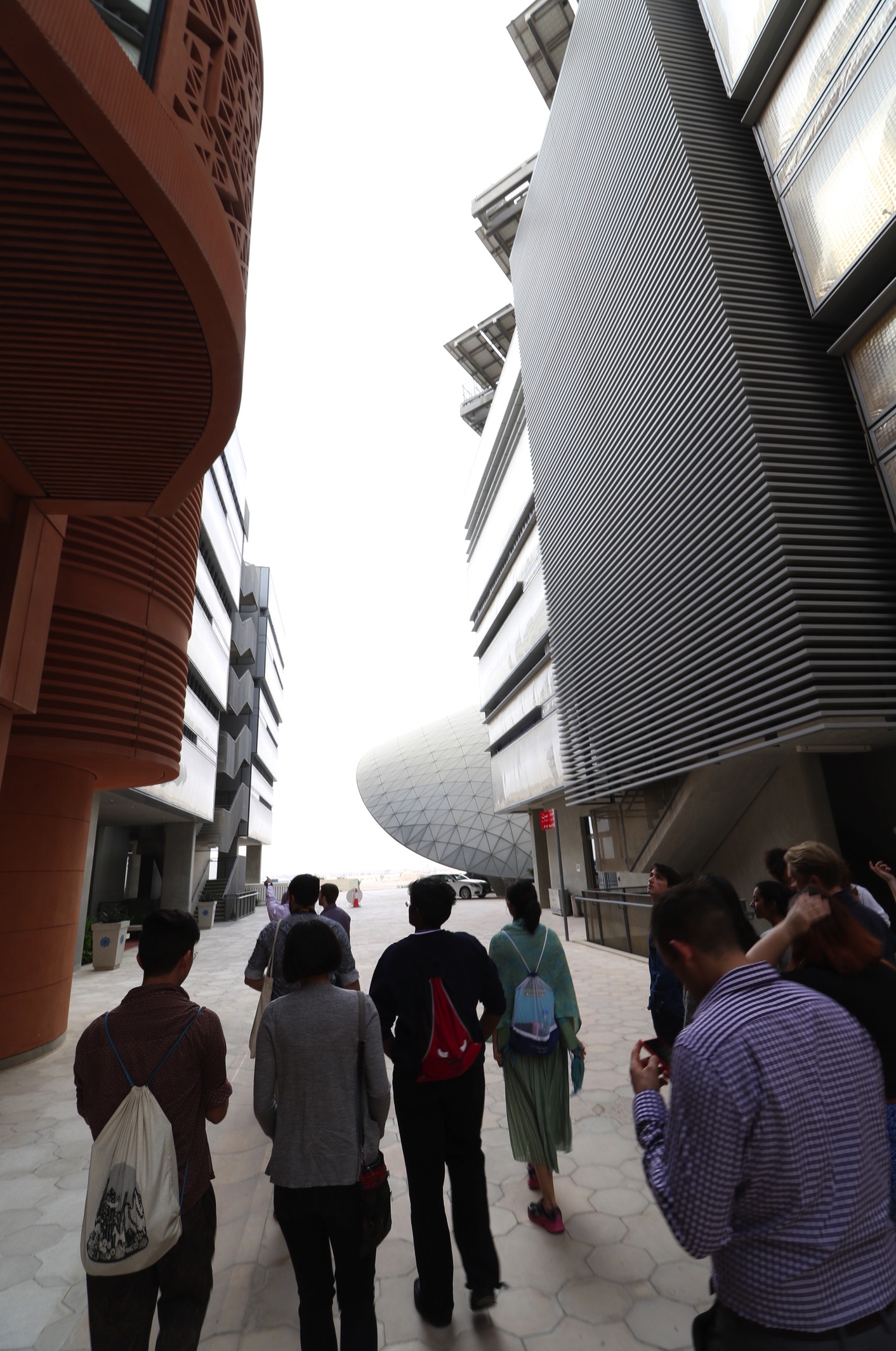
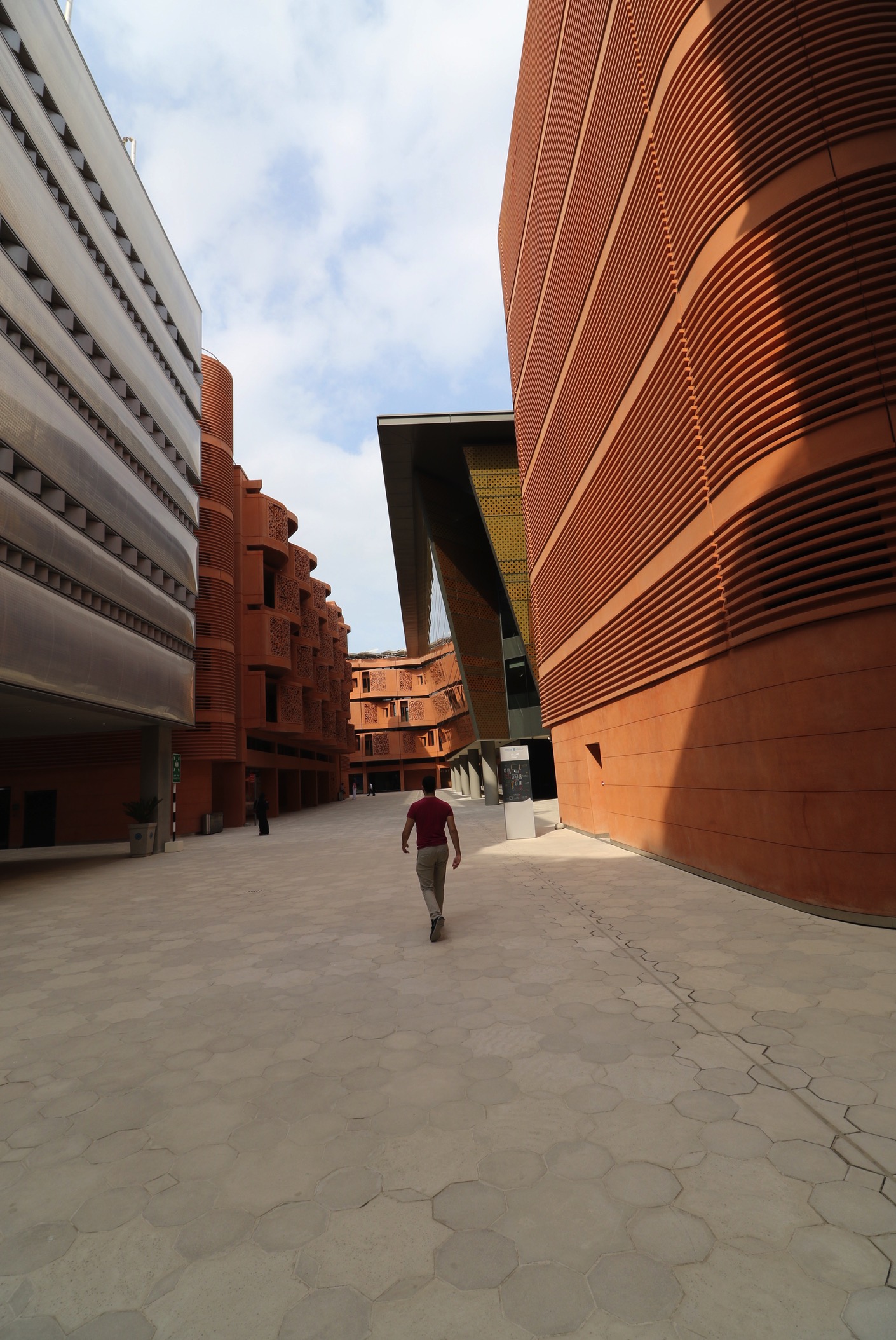
The Masdar Institute – between Dubai and Abu Dhabi, where a lot of advanced energy research is being conducted


screenshot_354 screenshot_355 screenshot_356 screenshot_357 screenshot_358 screenshot_359


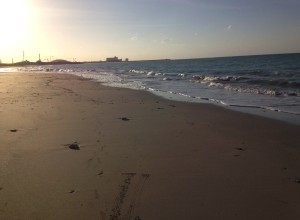
Views of Dubai, Abu Dhabi, and Saadiyat Island beaches!


screenshot_385screenshot_389screenshot_386screenshot_387


Global Challenge Poster Fair for Foundations of Science

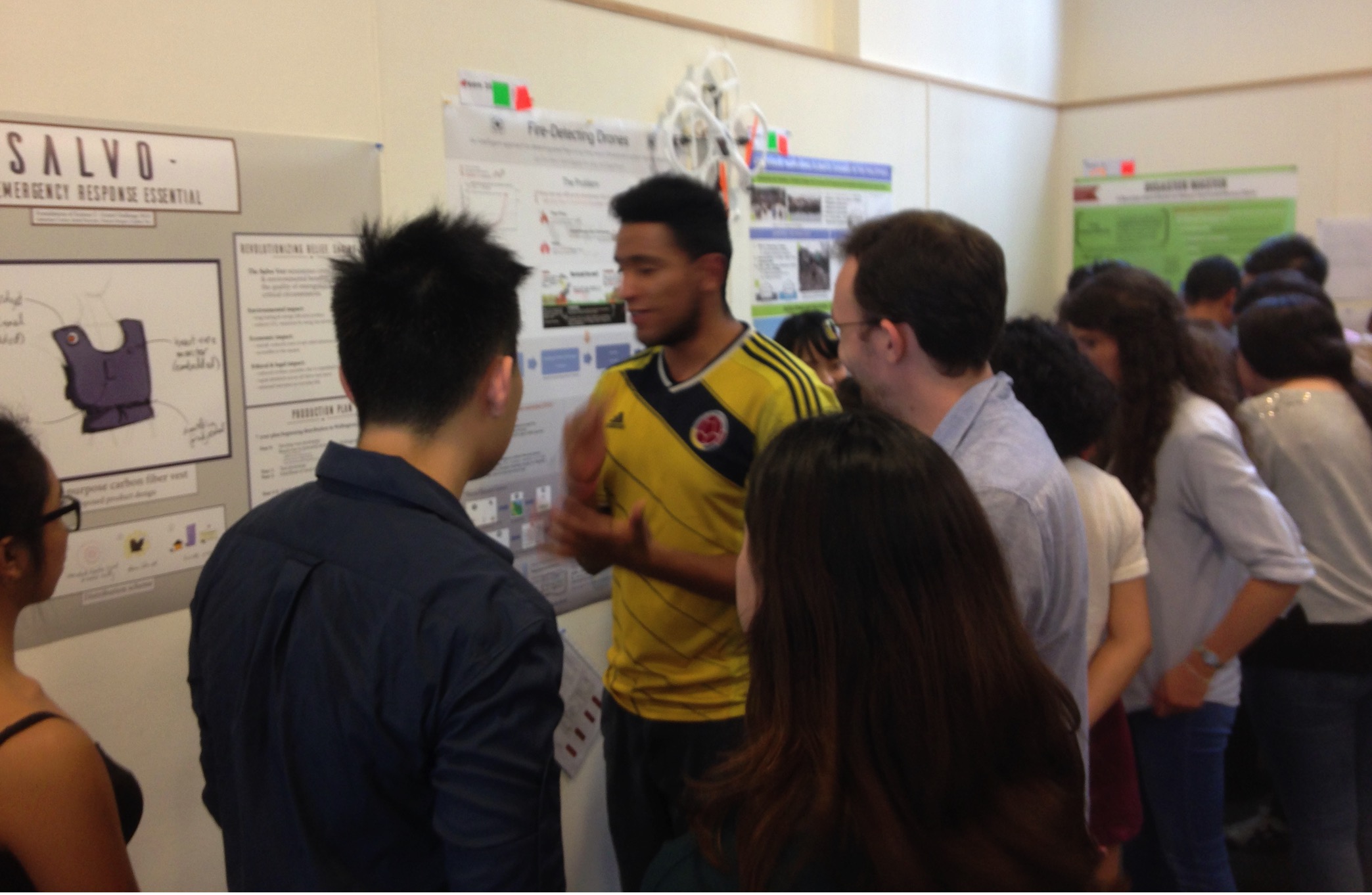
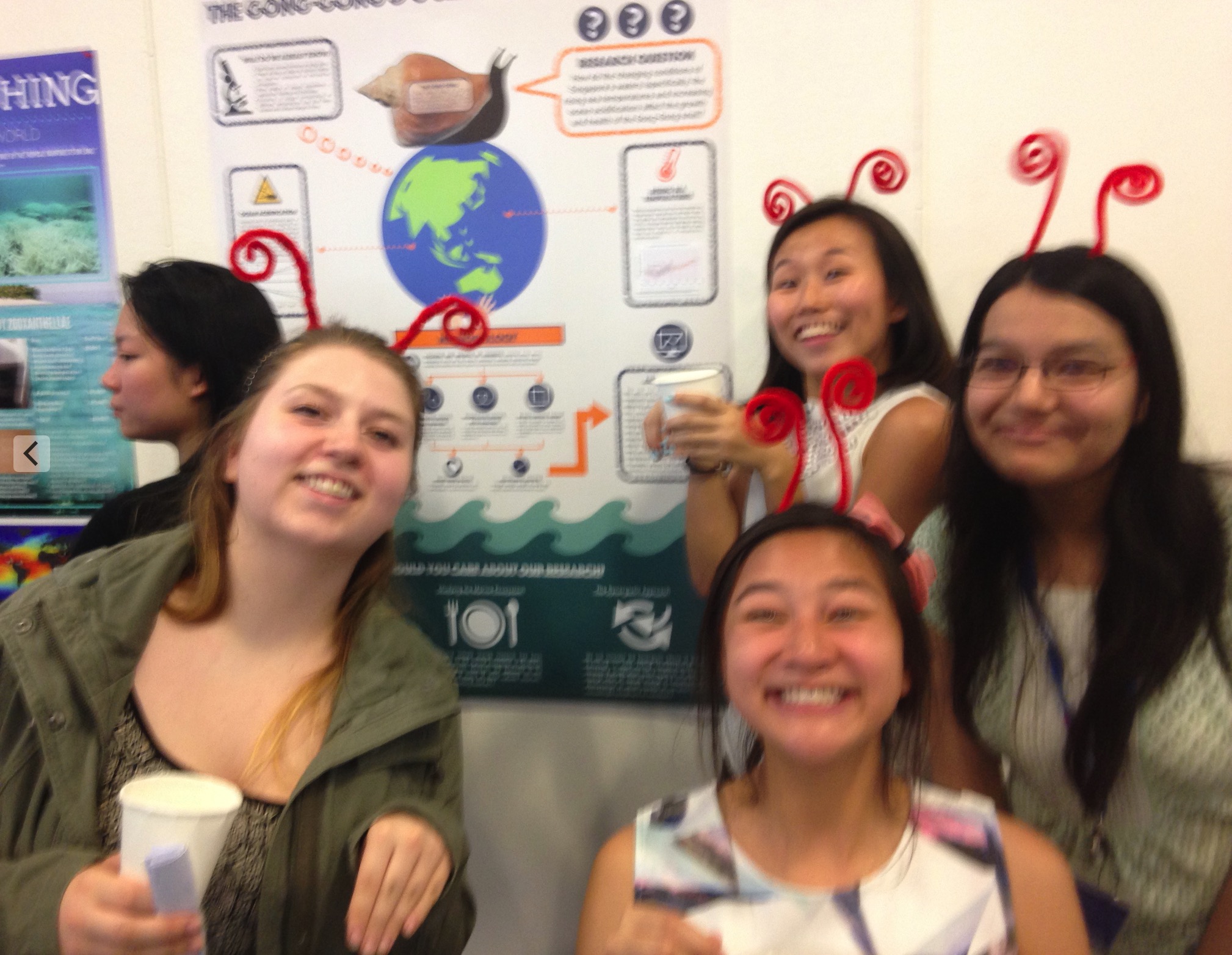
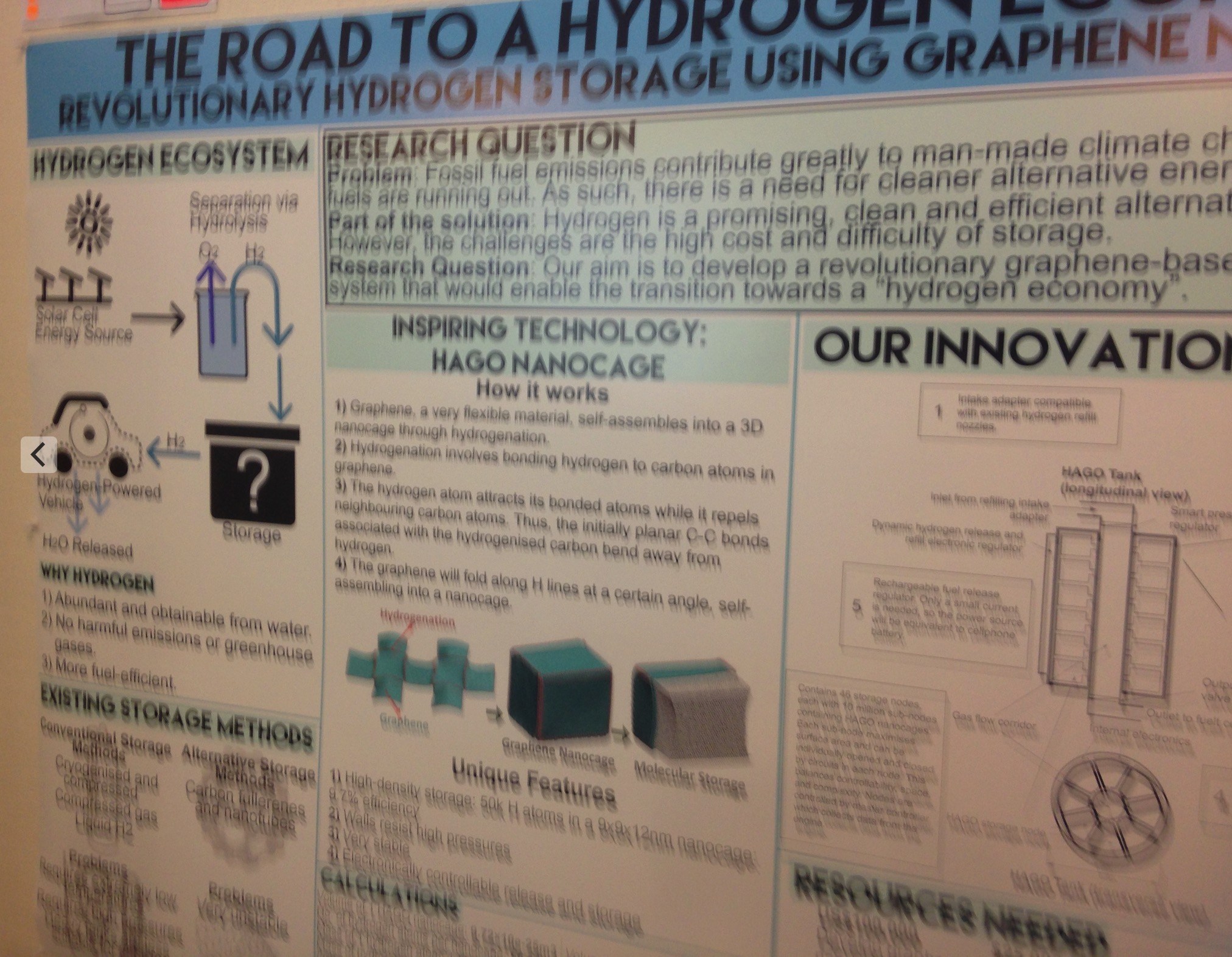
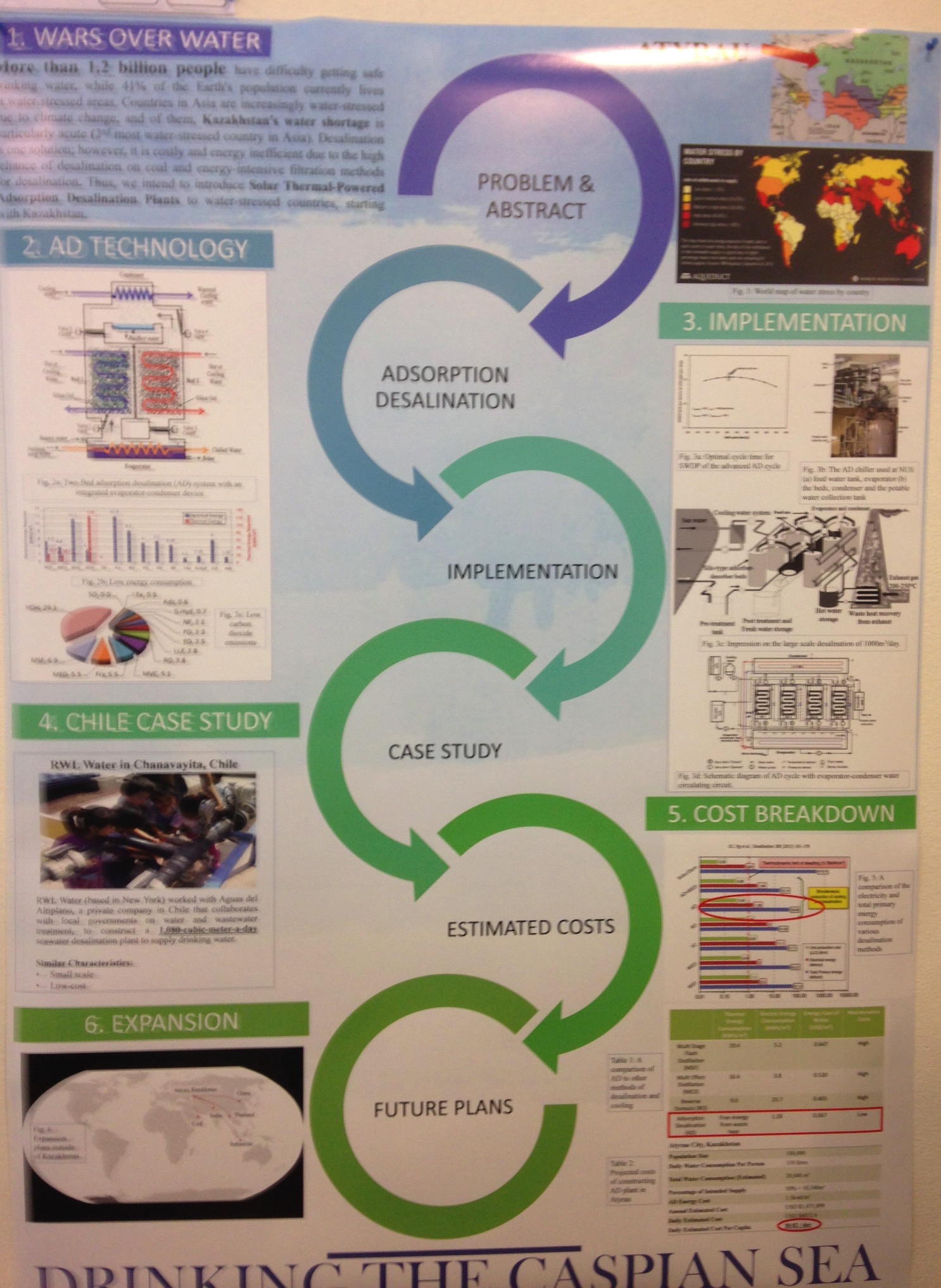
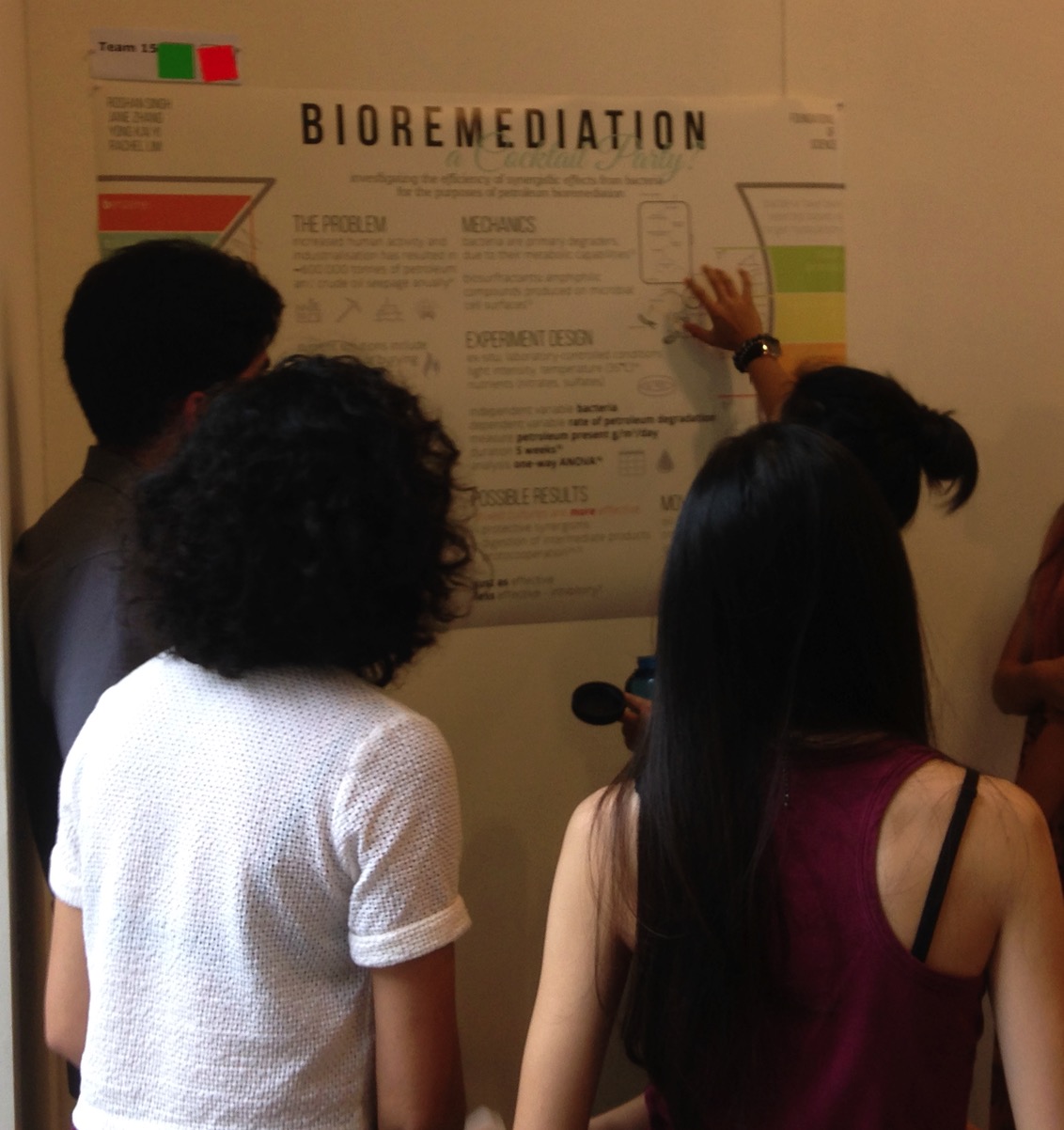
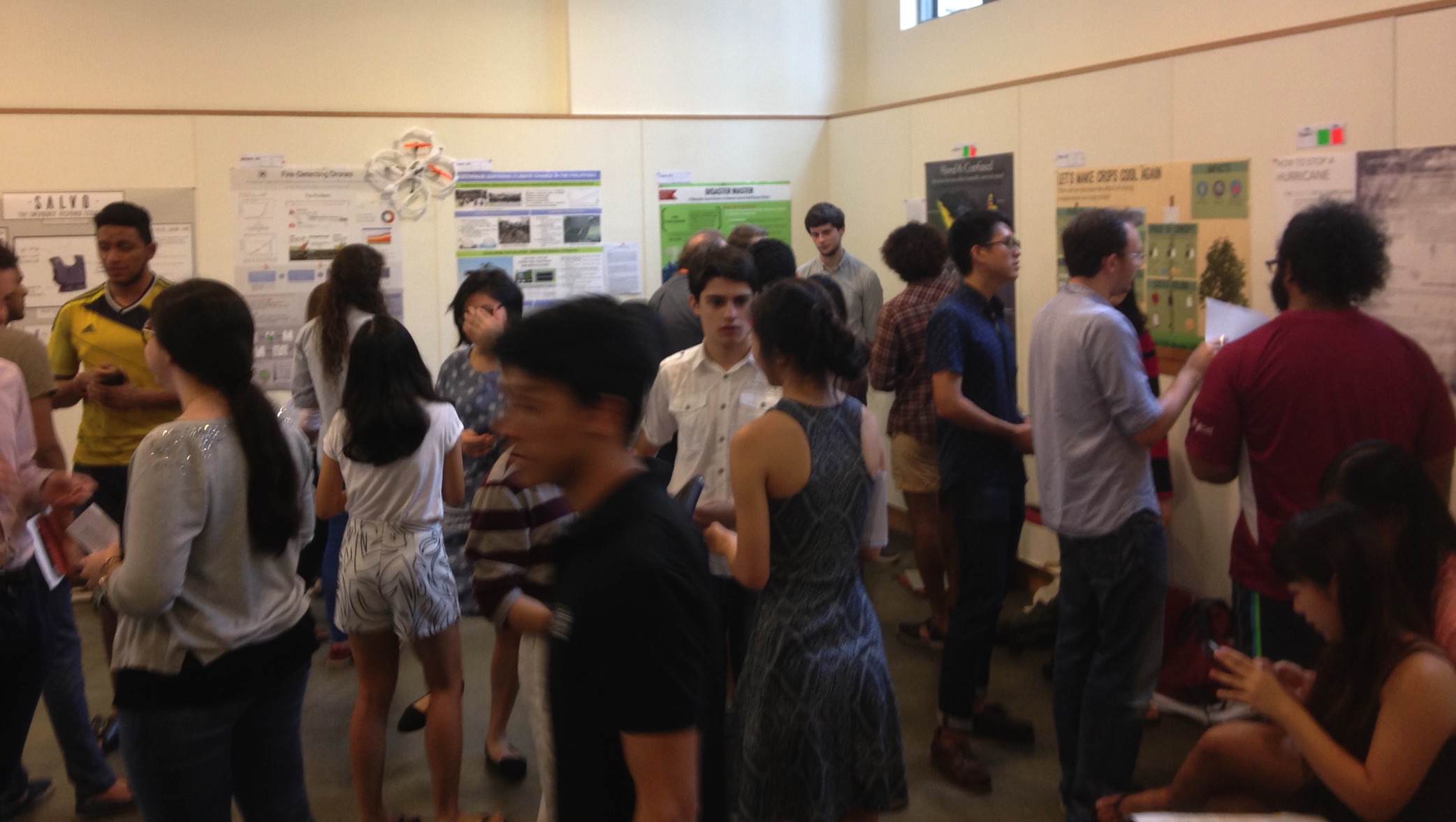
At the end of our Foundations of Science course at Yale-NUS, students had a chance to apply their knowledge of science (developed in two disciplinary mini-courses) toward a “Grand Challenge” facing the planet. Our 170 students all take Foundations of Science, which is a sophomore common curriculum course at Yale-NUS College. Unlike many of the other common curriculum courses, students choose 5-week disciplinary case studies based on their interests. They hone those interests by taking two of these small case study mini-courses, and then come together in groups of four to form an interdisciplinary team to work on the Grand Challenge, which is a final project for the course. The Grand Challenge teams are intentionally composed to mix student expertise, and the goal is for students to apply their knowledge toward a relevant and urgent problem facing the planet. As subject experts, the students are empowered within their team and can teach their teammates aspects of their subject that the team can use for the projects.

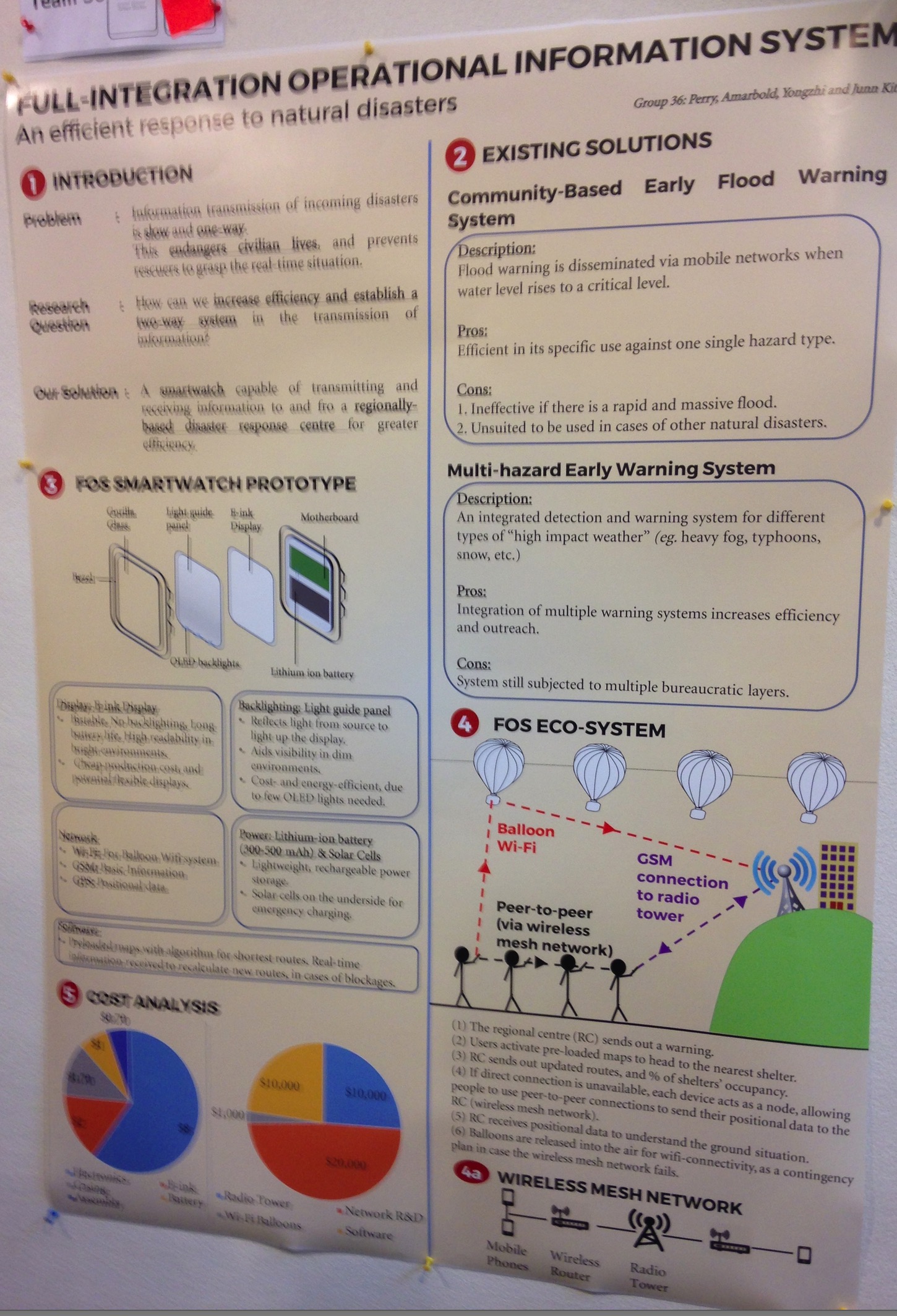
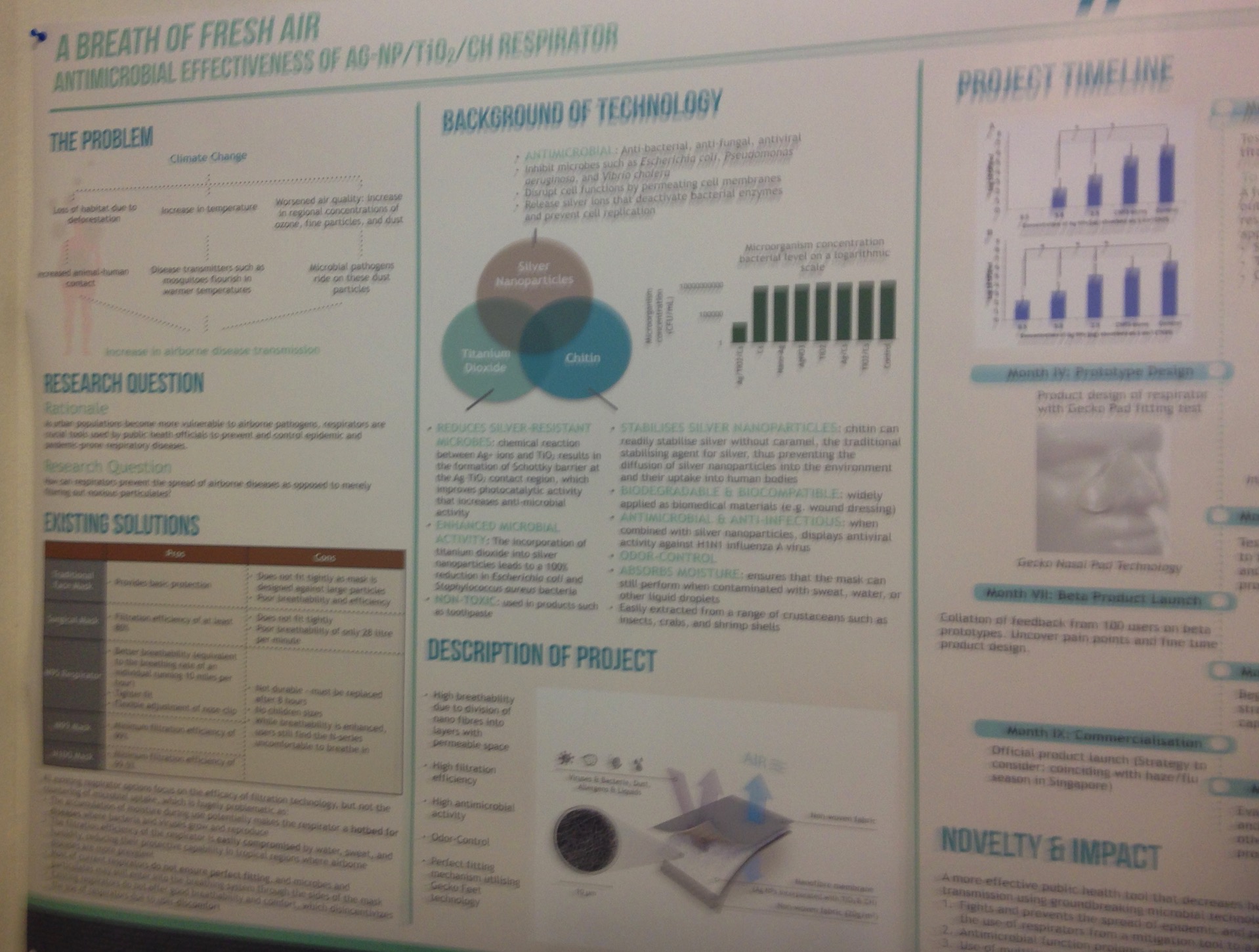
This Fall we tried this Grand Challenge format for the first time, and had an amazing showing of student expertise, energy and excitement at our Poster Fair. The teams of students were divided into two groups – the “Evolution” students were to design a study to assess “How are organisms and communities adapting to the anthropocene?”  and the “Revolution” students were to “Develop a disruptive technology to help humans adapt to the effects of the anthropocene.” These teams of four students then went to work and came up with a research proposal that cited research literature, included experiments designed by students, with a timeline of completion for three years. Before the poster fair, these ideas were vetted by the teaching team of four instructors in a series of short consultations during class times. The Evolution students studied many different indicator species – snails, jellyfish, and bees among others. They proposed schemes for tracking animals, measuring their numbers and ranges, and even for assessing biodiversity.  The Revolution students worked on a variety of interesting technologies – wireless transmitters for finding people in disasters, new smart materials for generating energy, and very ingenious applications of electronics, nanotechnology, and photovoltaics. The projects were impressive!

It was exciting to see our students rise to this Challenge, and we are hoping this form of authentic assessment in our Foundations of Science course will give the students a chance for integrating and applying their knowledge in a meaningful way. We have begun our second semester of the course, and we are looking forward to seeing how the second batch of posters turn out!

You can read more about Foundations of Science at our two class web sites:

http://fos1aug2015.courses.yale-nus.edu.sg/  (Fall 2015) and http://fos2jan2016.courses.yale-nus.edu.sg/ (Spring 2016).


screenshot_342 screenshot_341 screenshot_340 screenshot_339 screenshot_338 screenshot_337 screenshot_336 screenshot_335 screenshot_334 screenshot_333

Darryl Yong visit and discussions of diversity and flipped classrooms

Toward the end of the Semester, our CTL invited Darryl Yong from Harvey Mudd College to visit Yale-NUS. Darryl is an old friend from Claremont, and his work as an Associate Dean, Diversity Officer, and irrepressible Math teacher has been an inspiration for me. Darryl spent a year of sabbatical teaching math in an inner city Los Angeles Public School, and has conducted a rigorously controlled study of flipped classrooms, among other things. His two talks for us at Yale-NUS College were “Flip++” – a discussion of how to optimize the flipped classroom environment, and “Is Inclusive Teaching the Same as Good Teaching?”  Darryl also met with several of our faculty and had a number of great discussions about teaching, technology and creating an inclusive and interdependent classroom.

The first talk discussed “Why Flip?” and listed some benefits of flipping – more content, more student engagement, deeper learning, and more classroom community. Darryl also pointed out that the research is showing that lecturing is definitely invalidated as a teaching approach. He cited an article which mentioned that for further educational research studies, lecture would no longer be considered a comparison, as it has been shown to have such lower learning gains.

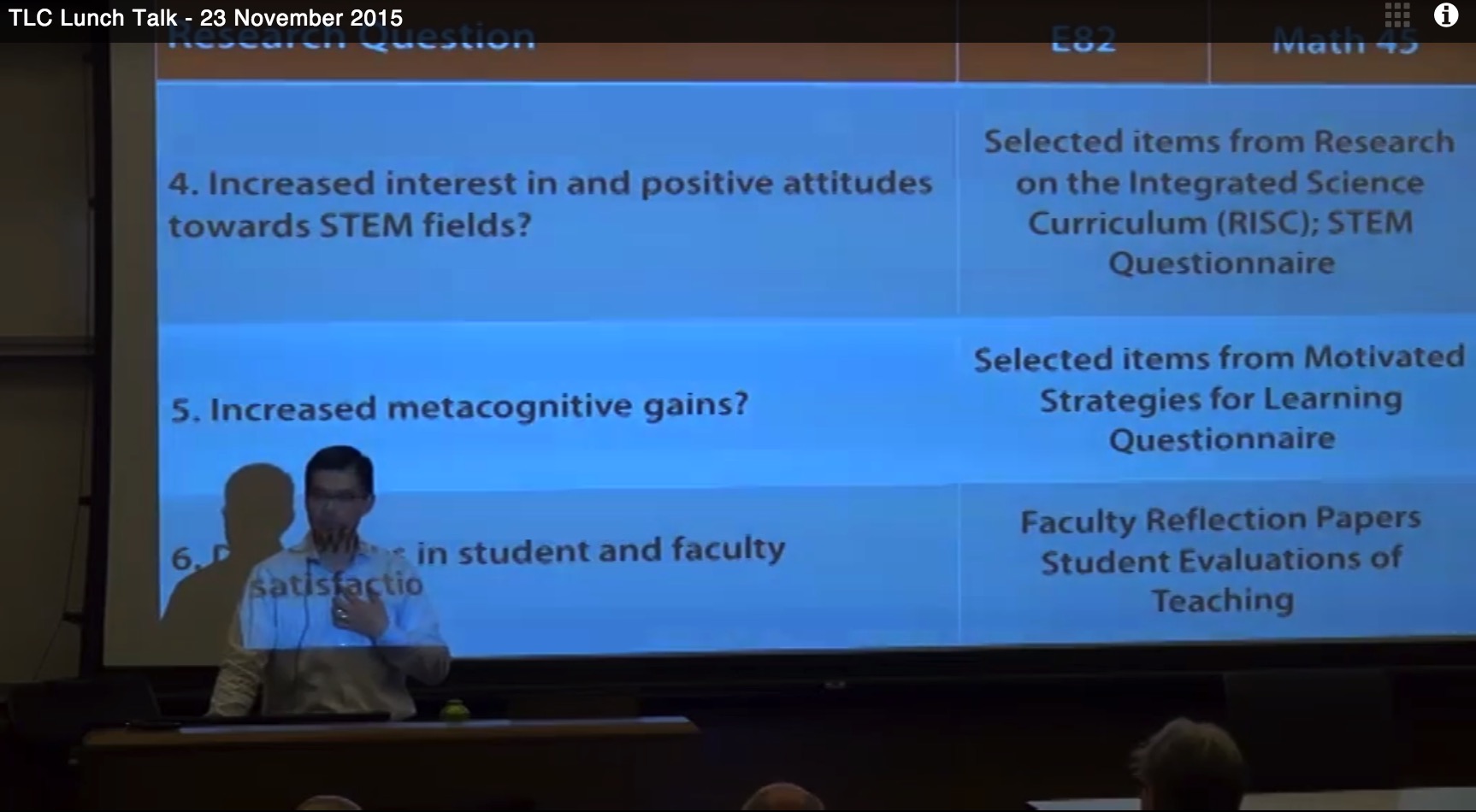
Darryl’s work provided a “Quasi-Experimental Study” of the flipped environment, and was a tightly controlled experiment in which three instructors gave exactly the same materials both in the flipped and traditional classrooms. The three instructors included two math professors and an engineering professor. Students would watch online lectures in the flipped format and work homework problems in class. Homework was designed to be authentic engineering challenges in the engineering class, to provide a richer experience for the “synchronous” time in the flipped format. The “traditional” students would do exactly the same exercises, and watch exactly the same lecture in the opposite order, with the synchronous component of the class given to short lectures with questions.

Already you can see that the “traditional” part of the experiment is hardly a traditional lecture; the instructors worked closely together to craft a compelling and interactive class for both groups of students. Likewise the “flipped” group was not doing what typically happens in a flipped class – the requirement for a controlled experiment meant that the class time was not optimized for active learning but instead was required to work the same homework problems as the “traditional” group.

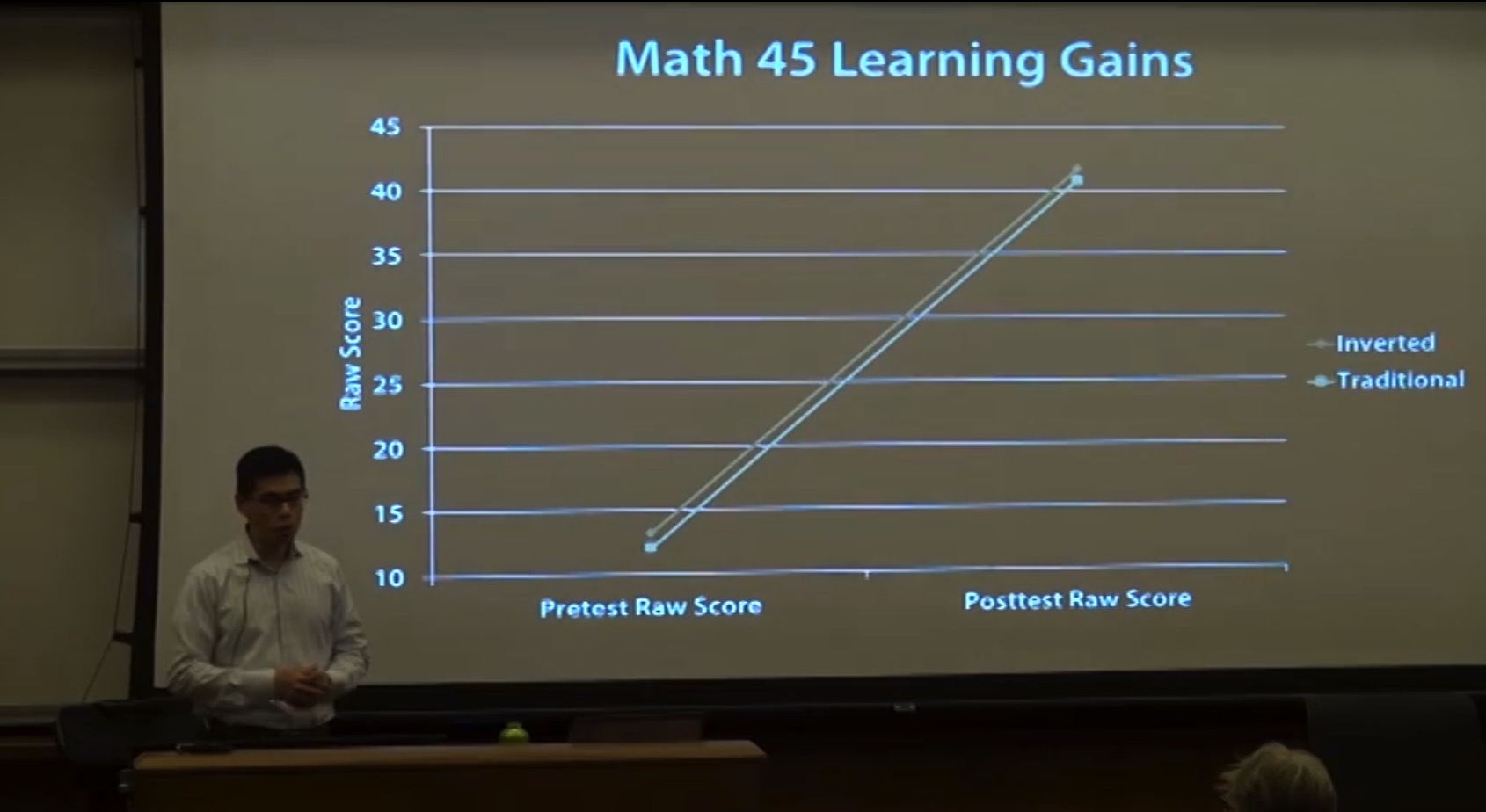
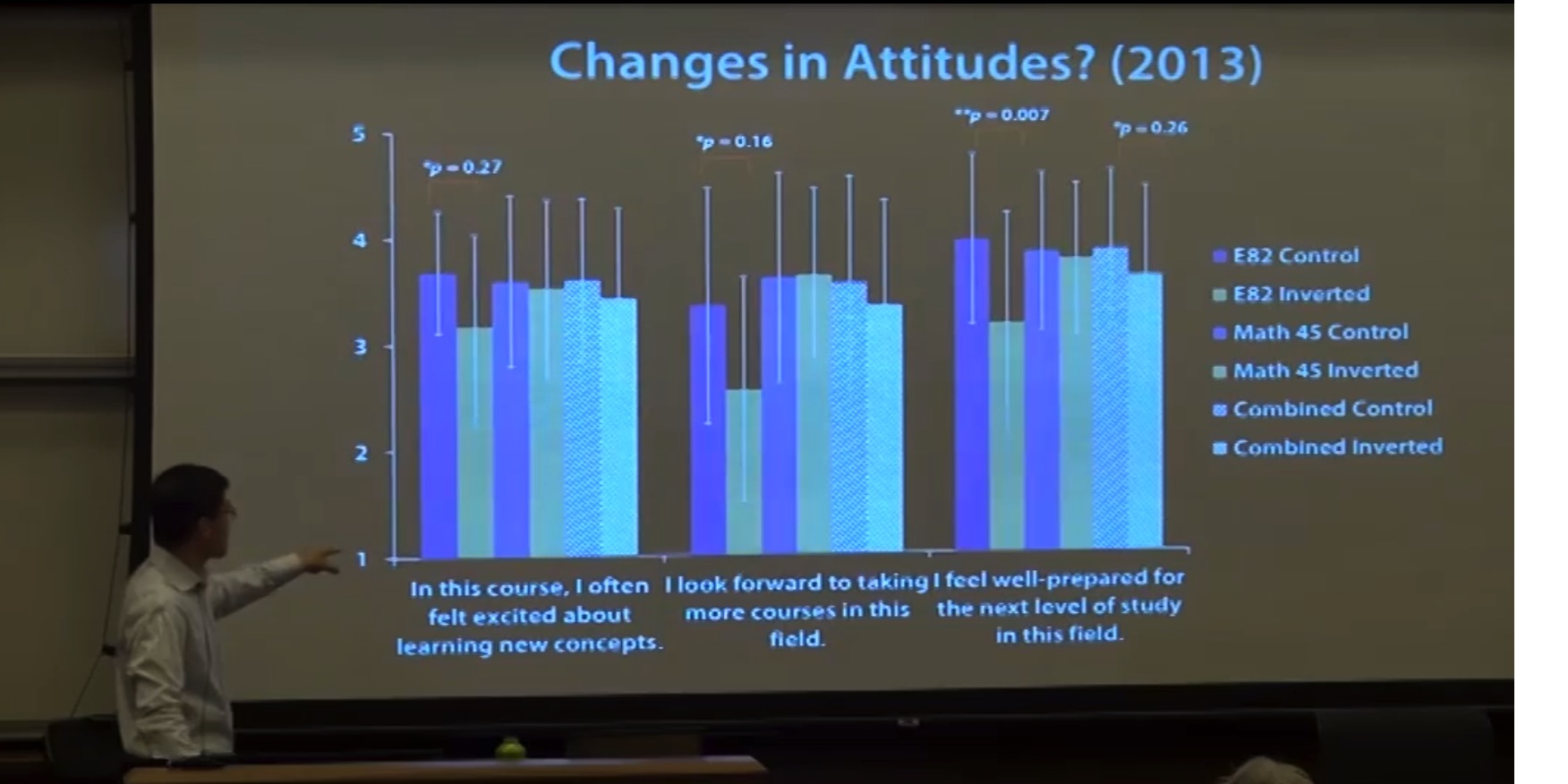
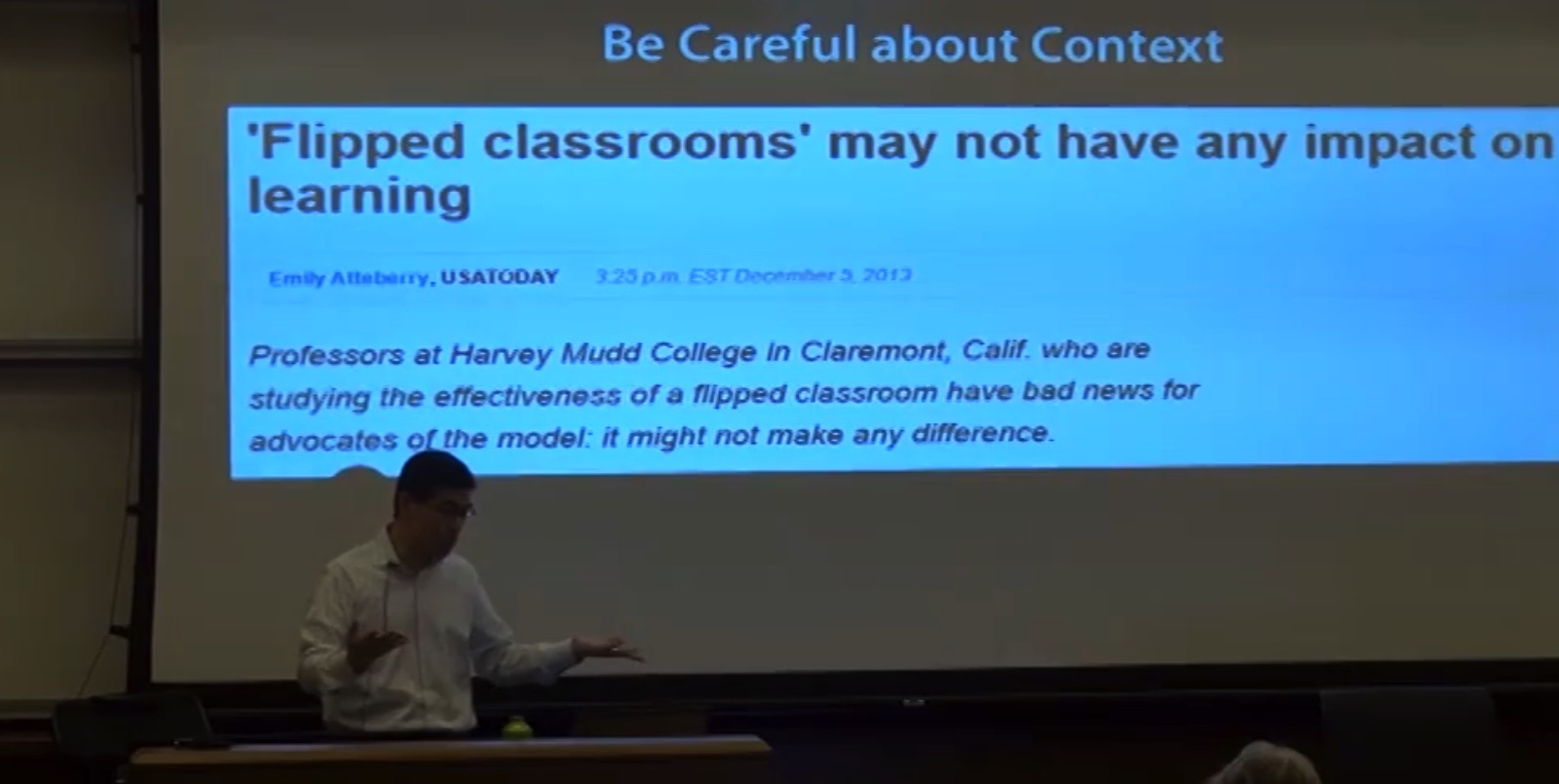
Darryl Yong and Nancy Lappe found statistical differences in learning gains between the two groups. This is not to say there is no benefit from flipped classes, but instead that the flipped format alone will not provide gains in learning. Below are some figures from Darryl’s talk – giving examples of different learning gains from the two groups, and the response by students to students to the “affective” component of the class experience. The headline of “Flipped classrooms may not have any impact on learning” comes from USA Today, but oversimplifies the conclusions of Darryl’s study.

screenshot_320 screenshot_321 screenshot_322 screenshot_323


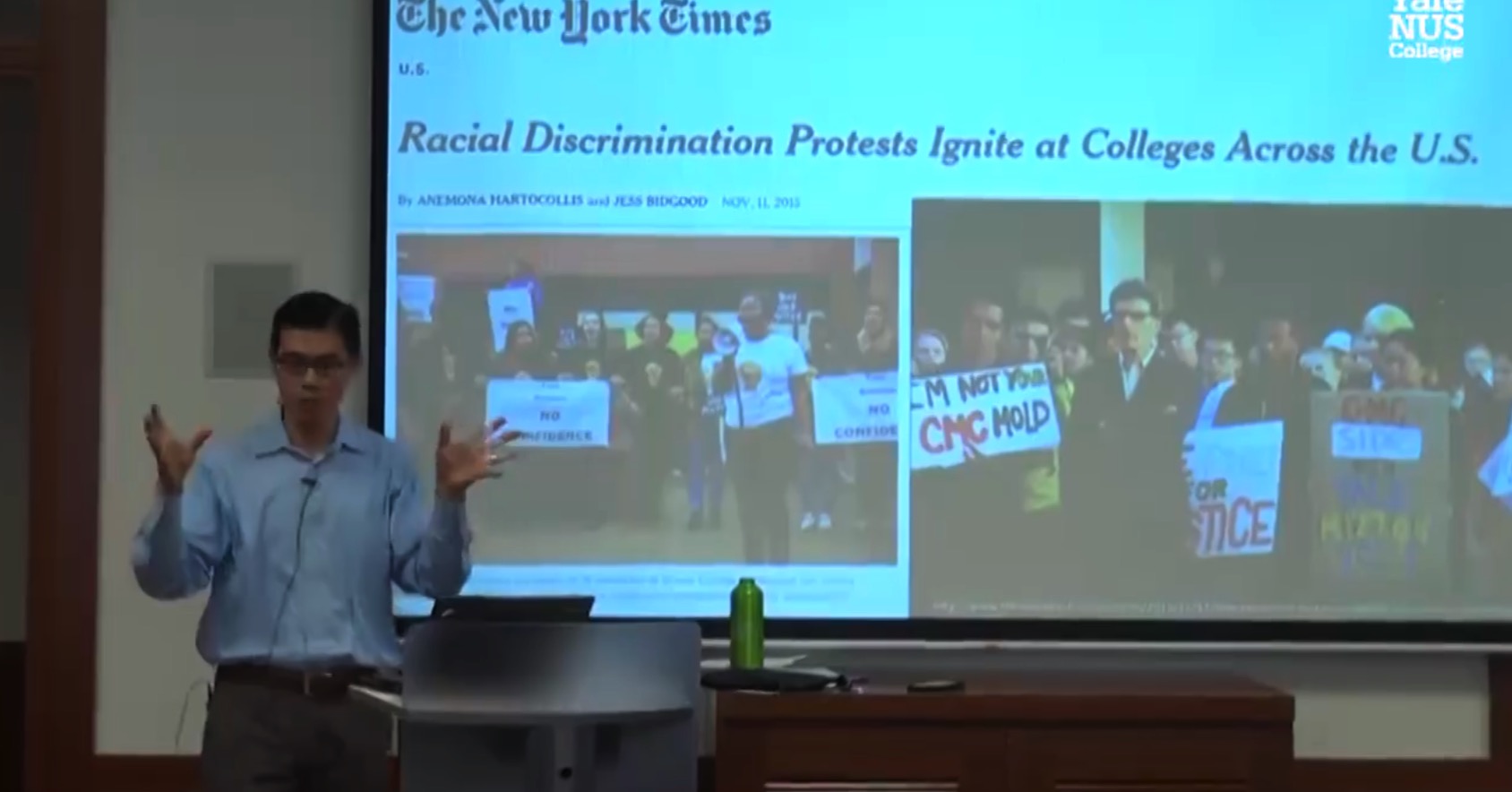
Darryl also gave a wonderful talk on Inclusive Teaching and Diversity, entitled, “Is Inclusive Teaching the Same as Good Teaching?” This talk was very timely given the nature of the debate in the U.S. about diversity. Our Yale-NUS College has a wonderful form of diversity all its own – hosting students from over 40 nations together with a mix of cultures from across the earth, representing all the major religions and language groups, in which Singaporeans comprise about 60% of the students, and other nations in blocks of 5-10% from the US, India, various European countries, Australia, Malaysia, Korea, New Zealand and several African nations.

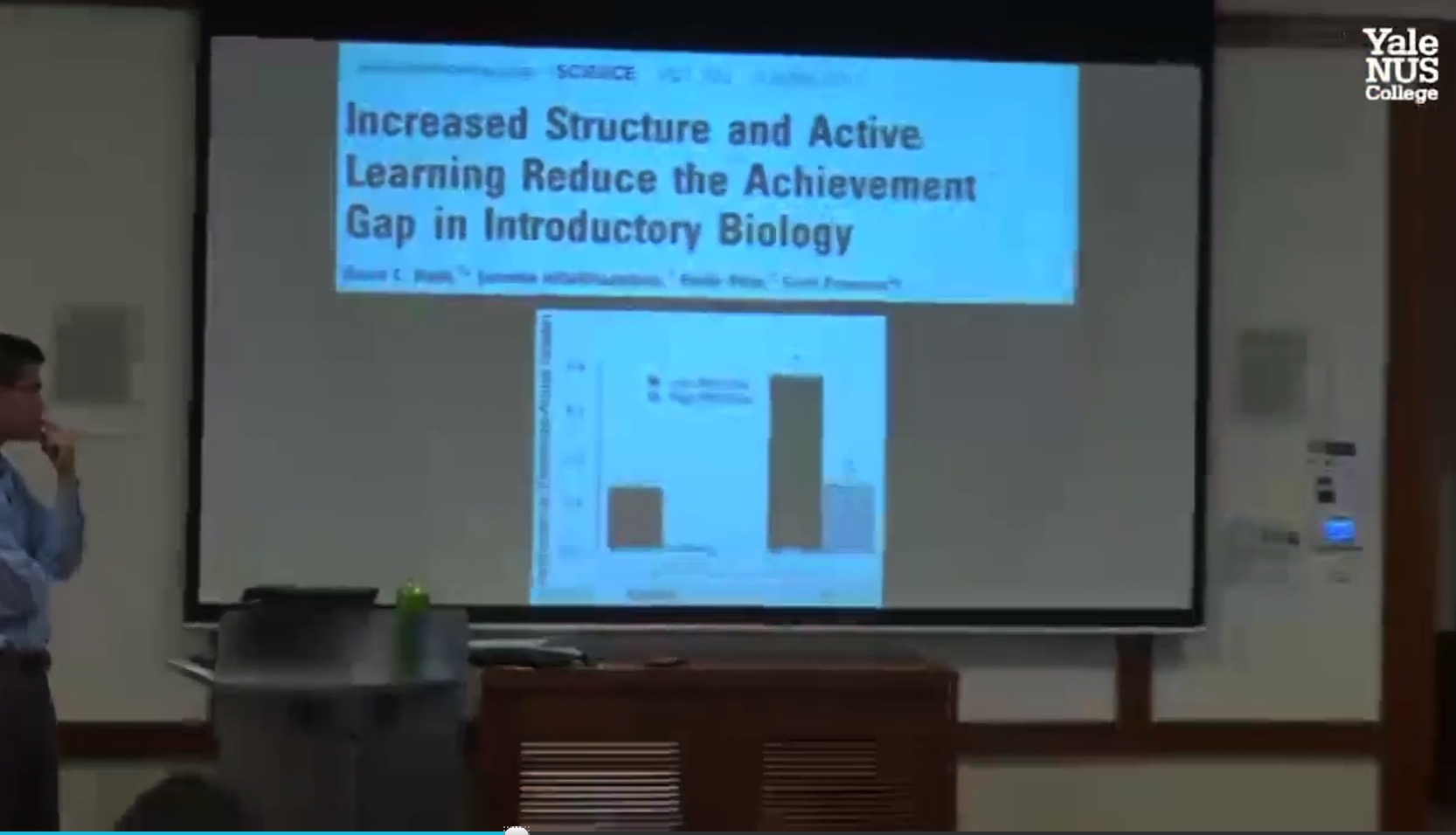
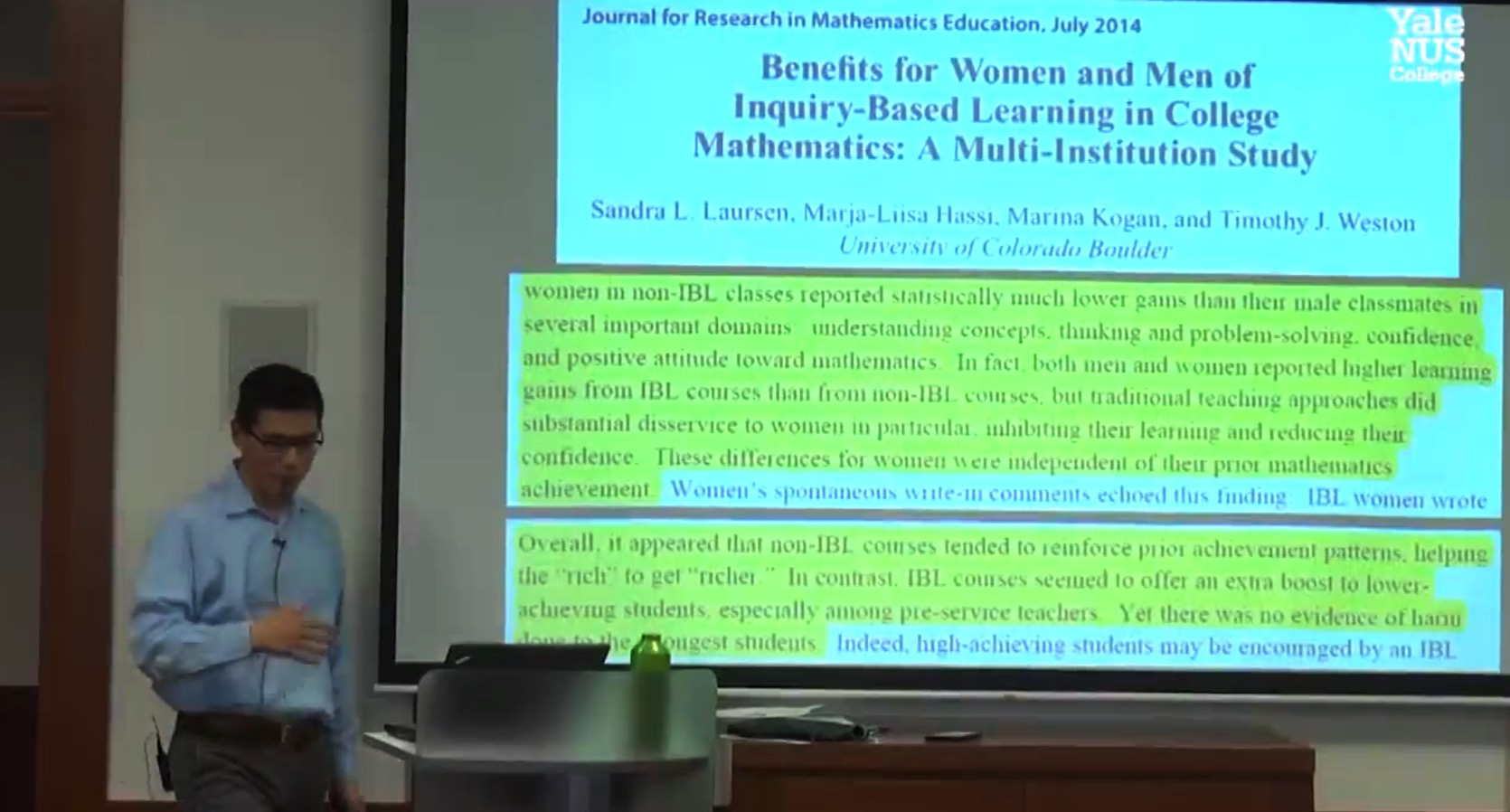
Within the US, Darryl mentioned that there is a wide diversity of experience in students who come to study math and engineering subjects.  He showed a wide range of percentage degrees awarded to women students in STEM fields. Darryl points out that “even if you bring a group of relatively diverse people together in a space, that does not magically make the problems go away.. the question of diversity hinges on a broad representation of people as the starting point. That is step one of the process. Once the people have been assembled together, then the hard work begins.”  He then discussed how experiences within classrooms vary for different groups of students. He also showed educational research results that gives data to support the idea that “increased structure and active learning reduces the achievement gap in introductory biology.” (A study by Haak, HilleRisLambers, Pitre, and Freeman, Science, 2011). He also showed how Inquiry-based learning in college mathematics helped women to learn better (Laursen, Hassi, Kogan, and Weston, Journal for Research in Mathematics Education, 2014).

One of the key parts of the talk was Darryl’s reinterpretation of Maslow’s Hierarchy of Needs (1943). The pyramid of needs includes urgent and base needs (Physiological, Safety, Love/Belonging), then higher needs like Esteem and Self-Actualization. He pointed out that unless the needs from the lower levels are met, you can’t begin to access the higher levels of need. Darryl cleverly applied this hierarchy to classrooms. In this context the needs become slightly different. Generally physiological needs are met (air conditioning, etc in Singapore!). However some students are feeling stress from family situations which can block their ability to learn – financial problems at home, other crises can bring physiological stress to prevent learning. Awareness of the diversity of student life circumstances can help our students learn. The Safety level can be interpreted as “emotional safety” – students need to feel that they will not be ridiculed and humiliated in classes. “Safe Spaces” – so popular in the US – is referring not to a need from students in the US to be physically safe or coddled, but instead to have a place where students feel understood and free from aggressions. Darryl points out both obvious and subtle forms of humiliation that students can feel in classes. The students really need to know they will not be made fun of for lack of knowledge, and if they do they will be prevented from learning or continuing. Even a professor using in a talk to students “it is obvious” can provide a sense of inadequacy in students, and block further learning. Addressing student questions with respect and kindness is crucial for helping the students along.

The other thing Darryl point out is that a classroom needs to build a sense of belonging, which can be built into a classroom. By bringing students together in collaborative projects, and setting up a classroom culture that fosters interdependence among the students, they are able to learn better. Darryl notes that we can actually underestimate the power of student connections in classrooms – and learning names of students – can have more of an impact than we realize. Other methods of fostering belonging include humor, and welcoming attitudes within the class. He cited a professor who even gave students an initial handshake when they came into a class, which a study showed increased the sense of belonging in the students.

screenshot_326screenshot_325screenshot_324screenshot_327screenshot_329screenshot_332

Shaping Future@Universities NTU Carl Wieman Talk

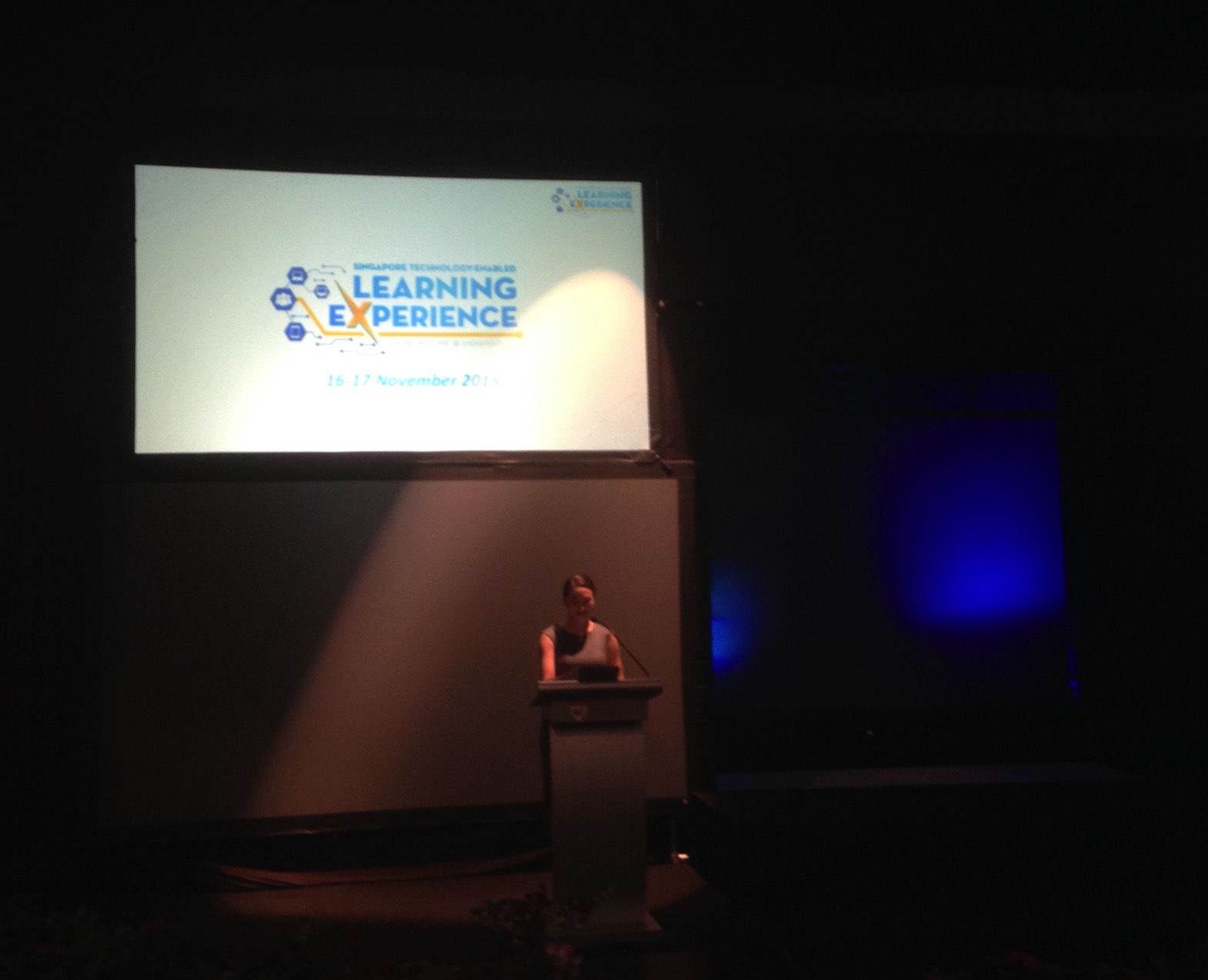
During 17 and 18 November, I attended a conference at NTU entitled “Shaping Future @ Universities” which focused on technology-enhanced teaching. The meeting included a “holographic presentation” by Nobel laureate Carl Wieman, which alone would be worth the trip across Singapore!  A bonus feature was appearing along with the representatives from NUS, as I was part of a delegation representing the many facets of NUS and its technology. All of the other Singaporean universities were there too, with large teams in attendance. It was a great chance to get to know my colleagues from NUS better, and to hear them present some fascinating and innovating technologies they are using in their classes.

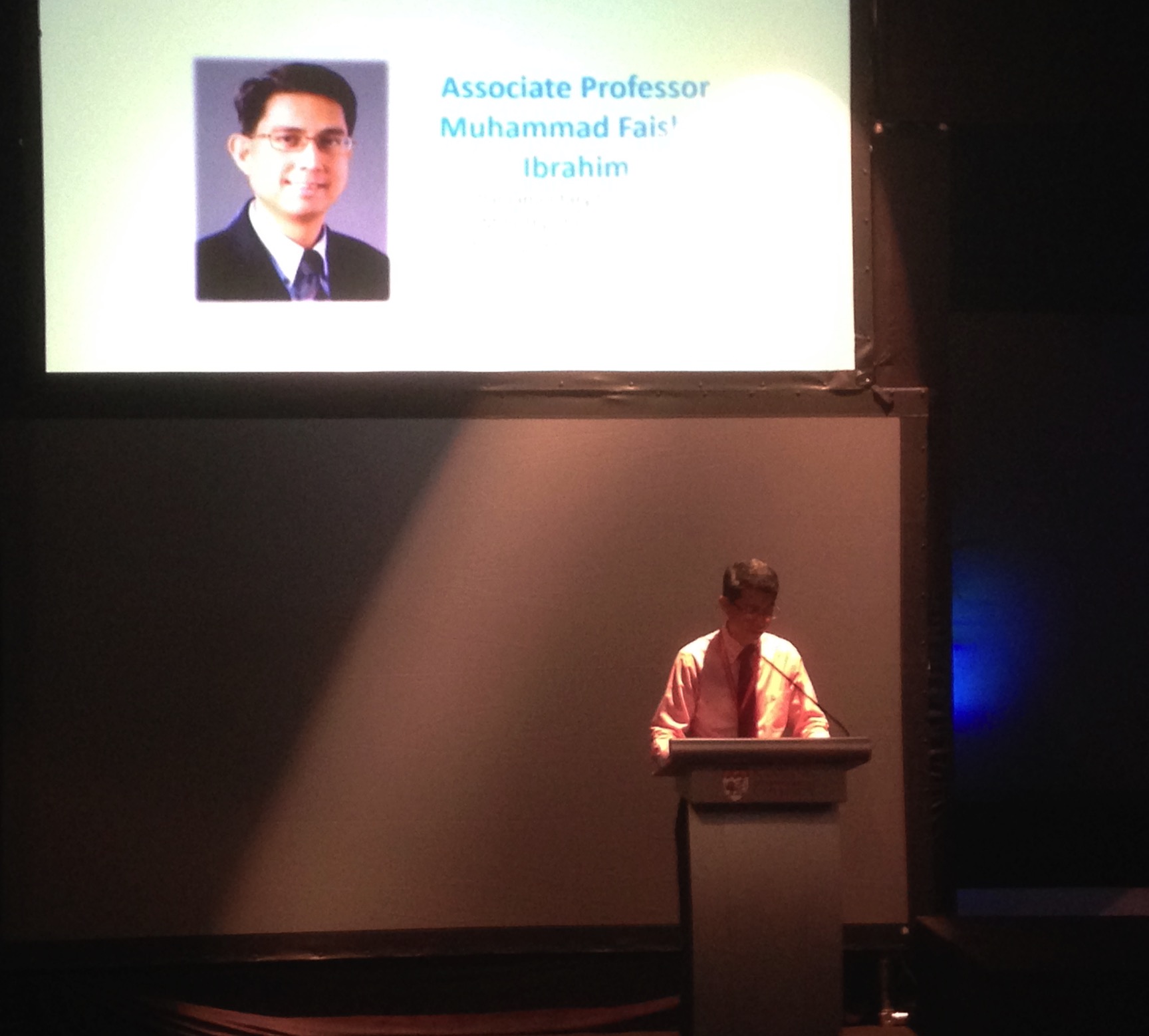
The meeting was opened by the Muhammad Faishal Ibrahim, Parliamentary Secretary for the Ministry of Education and the Ministry of Social and Family Development, and then the President of NTU, Bertil Anderson. Both made the case that innovation in teaching as empowered by technology will enable us to enter a new age of teaching and learning. The metaphor of 3G to 4G was used, where the G’s in this case stand for Gutenburg (books), Gates (computers), Google (the interconnected web), and the 4th G would be our new era which allows us to transcend time and space with our technologies. This will enable students to learn anywhere – with a truly Global campus.

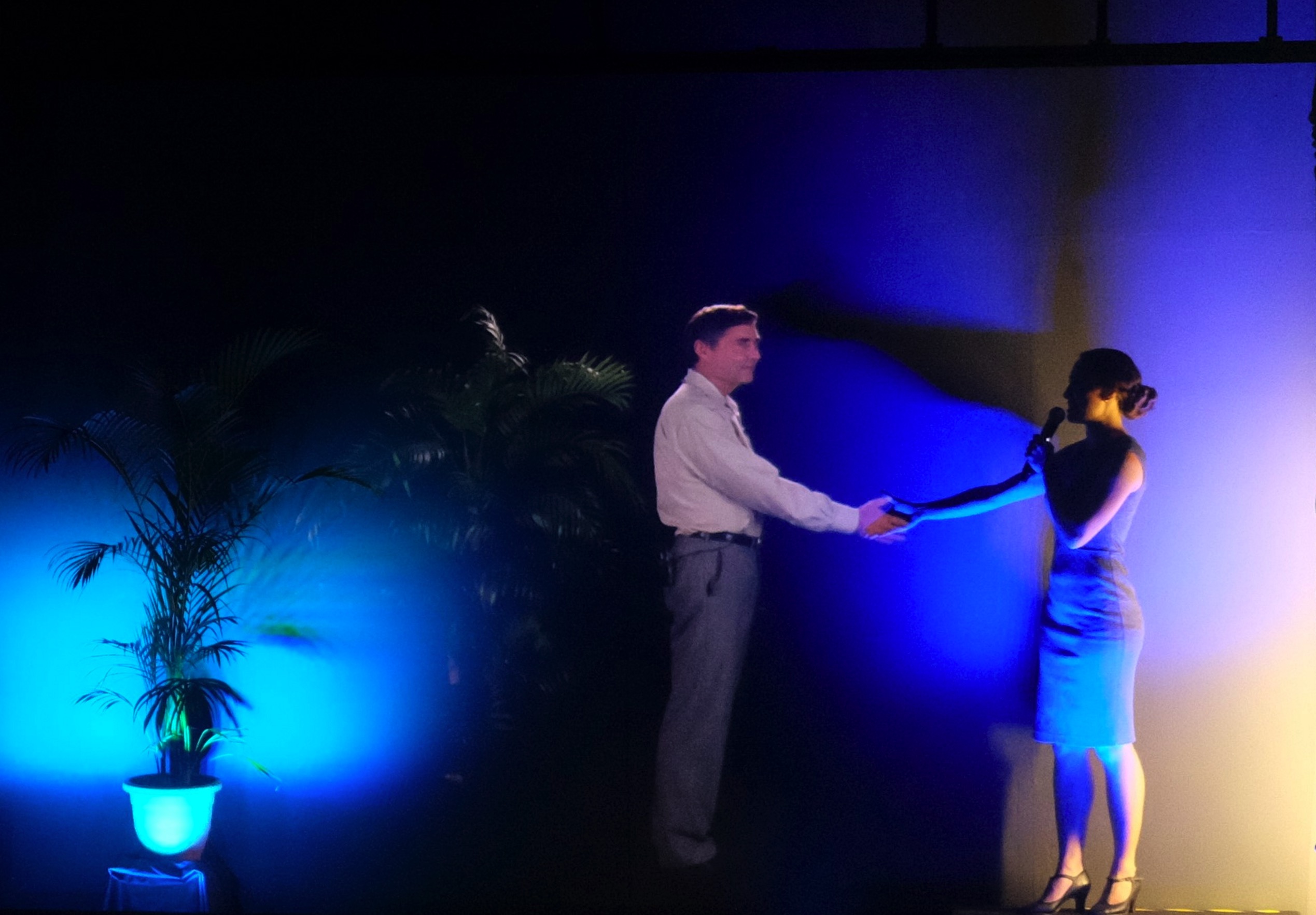
Carl Wieman gave a memorable talk – with a very odd technology that had him suspended on the stage next to a potted plant from Stanford, CA, which was beamed in and projected on a 45 degree slanting screen that was transparent. The stage had a local potted plant from Singapore, and a very friendly MC named Elizabeth who walked up to Carl’s holographic image on the stage and shook hands with him. It was kind of weird but it was fantastic to hear Carl’s talk entitled “A Scientific Approach to Teaching.” In the talk he recounted his experience as a professor and watching how students need to have “flexible, useful knowledge” instead of factual knowledge. Wieman realized that the wave of educational research had validated the new active approaches to teaching. Examples included large sections of a physics course taught by a mix of instructors and showing doubled learning in courses with active learning (Deslauriers, Scheiew, Wieman, Science 2011). He also recounted how at Cal Poly a physics course had a mix of instructors and documented massive shifts in scores from the Force Concept Inventory (a leading diagnostic in physics research for mechanics problems). After giving the overview of this new form of pedagogy, he attempted to determine what is valuable about it.

As Carl Wieman sees it, the benefits come from students solving tasks in class – using peer instruction, and a practice of thinking with guided feedback on how to improve. By completing tasks within a class with this feedback, students can generate mental models (or “construct knowledge) and can use feedback to give selection for which mental model is correct, enabling them to remove misconceptions. Carl Wieman also described his Teaching Practices Inventory – for assessing pedagogy in universities, and ways in which professors can implement technologies in their classroom to extend the learning with guiding feedback. For this simulations, like those he developed at PHET at U. Colorado Boulder are recommended.

Another amazing talk that day was from John Seeley Brown, one of the founders of the Xerox PARC research center. He discussed how students need a “blended epistemology” for “a world of constant change.” This requires not just content but skills and dispositions, and a form of learning that is contextual, participatory and collaborative. In Brown’s conception, students also need a chance to “regrind their conceptual lenses” – akin to Carl Wieman’s idea of working with feedback to adopt conceptual models. Brown also strongly advocated play as a way to foster learning, and spoke of human evolution moving us from homo sapiens (“know”) to homo faber (“make”) and now to homo luden (“play”). In Brown’s conception, there would be a seamless connection between knowing, making and playing in education, enabling students to grow and to build new worlds in their learning.

The combination of inspiring talks by Wieman and Brown, the camaraderie with my friends from NUS, and the exciting energy of the conference made this meeting quite memorable!

We also had a nice tour of the NTU area known as “the hive” which included some great interactive spaces for students to have collaborative learning opportunities, and a very nice “library outpost” which was catered to relaxed and informal drop-in students. The outpost included a section on “what your professors are reading,” “100 films to watch before you graduate,” and comfortable bean bag chairs for the students.

screenshot_311screenshot_313screenshot_317screenshot_316screenshot_315screenshot_314

screenshot_318


Visit by Daniel Bernstein and Grading Discussions

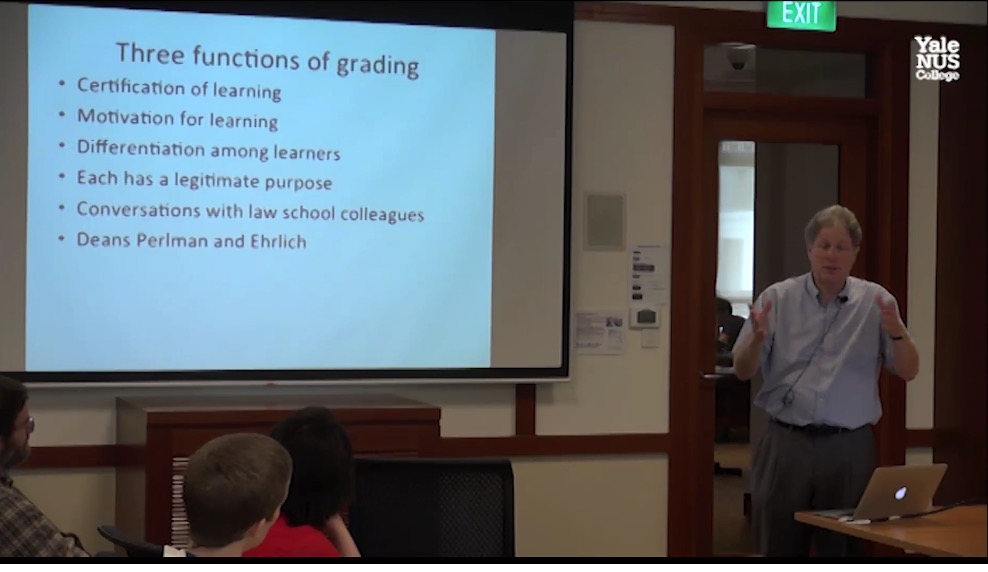
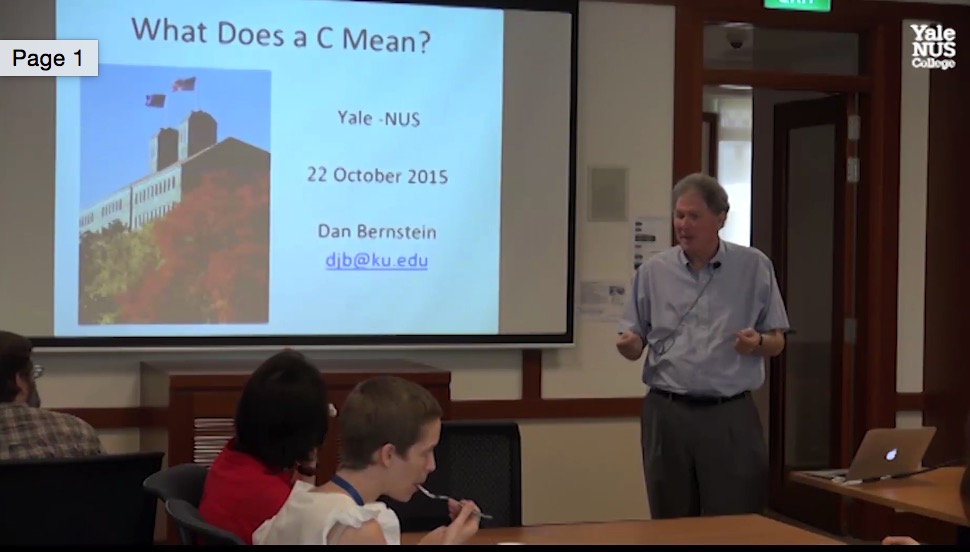
On October 22, Dan Bernstein from the University of Kansas visited us at Yale-NUS College to discuss “What Does a C Grade Mean.”  Dan’s visit was an outgrowth of our campus opening symposium, and a visit he was making to NUS, where he was a visiting scholar in residence. Dan attended the Yale-NUS College campus opening symposium, and one of our faculty, Shaffique Adam, invited him to come to Yale-NUS to learn more about our new College and talk with the faculty and staff. Dan graciously agreed, and his topic was very timely, as Yale-NUS has been having many heated internal discussion about how to preserve instructor autonomy in grading, while providing transparent and consistent grading for students. We very much hope to escape some of the “grade inflation” that has afflicted most of the US institutions, and so Yale-NUS is taking grading very seriously.

Dan gave a very thoughtful talk which distinguished the various purposes of grading, which both serve to certify learning and to motivate learning. Some of the difficulties which arise in grading discussions come from the mix of frames in which we think of grading, which are sometimes in tension with each other. As Dan points out, grading performs an important function for society by certifying accomplishment. For many skills (airline piloting, surgery, etc) the public is served best not by distinguishing relative strengths within a class, but instead from being assured a consistent standard of competency from graduates.  From this could come a strong argument for “competency-based” grading, in which students may be given variable amounts of time to reach a standard level of competency.  Dan pointed out that our usual system is to have a fixed (somewhat shortened) span of time, and to have students race to reach varying levels of achievement within the finite time. This competitive style of grading can serve some interests of society, but very often convinces students of their lack of abilities, and can also turn out a cohort of students in which only a small minority are assured of the highest levels of competency.

As Dan described in a report to the Teagle Foundation (http://www.teaglefoundation.org/Resources/Archive/The-Teagle-Liblog?bid=1&nd=2/16/2010):

“Our course sessions typically proceed through content and skill measurement at a rate suited to the average of our student population, with the result that some students could easily learn more and faster while another set of students cannot keep up and fall further behind until they fail. More than 40 years ago two notable educators (Benjamin Bloom and Fred Keller) addressed this problem by developing systems of individually paced learning, asserting that learning foundational skills well is necessary for successful continued learning. Their slightly different systems supported students in repeating topics until well learned before moving on to the next (perhaps more advanced) topic. Students work through the course at different rates, demonstrating their learning at different times. In this way of thinking, a grade reports the final level of accomplishment of intellectual work, rather than the relative rate of learning among students. In principle, every student could learn all the content well and receive a grade signifying a high degree of understanding and skill. Grades sacrifice their service in differentiation in favor of certification of achievement.”

This tension between individually paced and competitive and normative grading schemes has not been resolved in most institutions in the US. At Yale-NUS College, our Centre for Teaching and Learning is working on writing up a thorough report of the different ideas behind grading schemes, and fostering discussions within our community so we can help find our own “grading culture” that both preserves instructor autonomy and discretion, but also serves the multiple requirements of an effective grading scheme – communicating clearly to the student about how well they have performed (and how they can improve) and certifying to society that students are accomplishing consistently excellent work when given high marks.

screenshot_302 screenshot_304screenshot_309

The NTU Pan-Asian Liberal Arts Meeting

One very interesting highlight of Semester 1 was the NTU Pan Asian Liberal Arts meeting on 28-29 October. During the meeting, representatives from Hong Kong, South Korea, Macau, China, India, Thailand, Malaysia and Singapore got together to discuss the new proliferation of interest in liberal arts and sciences in Asia. The meeting featured a number of very interesting talks from Presidents and Vice Chancellors from around Asia, including our Yale-NUS President, Pericles Lewis. Kenneth Young at CUHK gave a talk on liberal education and general education, and their very interesting year-long courses which are entitled “In Dialog with Nature” (an interdisciplinary science curriculum), and “In Dialog with Humanity” (an interdisciplinary humanities course). Like the Yale-NUS Curriculum, the courses blend ideas from East and West and offer an exciting synthesis of the key ideas from past centuries. Many of the speakers talked about the transition in ideas on education within Chinese culture, from Zhu Xi who in ancient times advocated a form of liberal arts, to Chairman Mao who wanted to integrate higher education with “productive labor.”

Anita Patankar from India’s Symbiosis University gave a great talk about how India is at “an important state in its history” that promises to be “tremendously amazing” or “tremendously scary.” She reviewed the history of higher education in India as it evolved from Tagore’s Vishwa Bharati towards the post 1947 goals of providing free education for everyone.  Anita pointed out the success of places like IIT, IIM and the research institutes within India TIFR, TISS, NCL, and RRI. However she said many of the other institutions left much to be desired, and students in India needed greater focus on working in teams, soft skills, communication, and cross-cultural understanding. Ultimately the development of improved higher education has the potential to transform Indian culture and improve civic life, and Anita is committed to this in her own institution, Symbiosis University. During the meeting I was able to discuss the possibility of Symbiosis hosting our third “Future of Liberal Arts in India” meeting in late May, and Anita indicated that this was of great interest to her and Symbiosis!

Additional talks by Da Hsuan Feng from U. Macao (a nuclear astrophysicist), Xiafeng Jin from Fudan University (a physics professor interested in history of astronomy), Steve Sung-Mo Kang (an electrical engineer; founding President of UC Merced, and now president of the Korean Advanced Institute of Science and Technology), highlighted the role of physics and science in leading new curriculum in Asian higher education. The blending of new technologies, science education and liberal arts in Asian higher education is very exciting, and promises to usher in a renaissance within Asian universities. The students will benefit, and as some of the speakers pointed out, Chinese tradition tells of how a “gentleman is not a vessel to be filled” and that education should create students who are “broad of spirit and intellectually agile” – clearly goals of a good liberal arts and science education!

screenshot_301
Our group photo at the conference; I am in the third row just right of the middle!


Meetings with Tony Bryk and Networked Improvement Communities

During early Semester 1 (September 2015), NUS hosted a remarkable visitor, Anthony Bryk, who is the President of the Carnegie Foundation for the Improvement of Teaching. During his visit to NUS, he offered a master class, gave a public lecture and met with the NUS Faculty of Science. I attended all of these events, and learned about his concept of the Networked Improvement Community (NIC) as well as some of his user of improvement science he has been applying to helping improve teaching in the US public schools. These concepts are extremely powerful and can be applied to any organization or system. Tony described a series of principles that should be followed to employ Improvement Science to solve a problem. These principles include  1). Be problem-focused and user centered; 2). Attend to variability; 3). See the system; 4). Embrace measurement; 5). Learn through disciplined inquiry; and 6). Organize as networks. He then described each of these elements in detail, and gave examples of how Improvement Science is being used to improve mathematics instructions in the US. He described this process as one of knowledge synthesis, which brings together research, professional organizations, and system theory. As applied to education, it is important to recall his point that education is an “intensely personal and social activity.”

Within the workshop was a remarkable demonstration of systems theory, where he took half of the class, and had them stand up in front. He told the group up front to secretly choose two people and then maintain themselves to be equidistant from both of them. Immediately the mass of people began to move in an amazingly complex and chaotic dance – illustrating how often in organizations unstated rules and complex behaviors can come together. It was a great discussion when we noticed that even a small movement from one person caused a ripple effect with a big shift in the positions of all the group. It illustrated that there was no single person in control, and that the system was reactive – causing the chaotic behavior seen in some educational contexts!

The workshop next discussed Causal Systems Analysis, which enables you to identify the causes of a problem. The tool used is a “cause and effect diagram” which arises from asking the five “why” questions – all in an attempt to identify the cause of a problem while keeping any discussions of solutions to later. The diagram is sometimes called a “fishbone” diagram that identifies a problem, and then finds the multiple causes of the problem. For an example, Tony used a broken faculty development system in many K-12 public schools – where teachers can fail without good feedback. The problem comes from several “why’s” – not enough time to give feedback; admins are too busy; only 2 admins in a school; instructional coaches were not deployed since they were covering classes; this because the process for substitutes was not working. The question of asking “why” ends when you hit a process that is not working. This becomes a leverage point and one that can suggest the proximal cause of a problem rather than the root cause.

Once the problem is identified, Tony suggests asking “aim” questions. The first one is “what, specifically, are you trying to accomplish?  The second is what change can we introduce and why? and the third is how can we measure this change, and what change would we consider successful?  Tony also described how to create driver diagrams, where your goal is identified, and you label it with several (3-5) primary drivers that will be part of the solution, and secondary drivers that include specific strategies that are part of the solution.  This diagram should identify leverage points, give a graphic representation of the solution, and should illustrate “what is happening” based on evidence.

screenshot_298
Driver Diagrams from Bryk, Gomez, and Grunow, “Getting Ideas into Action: Building Networked Improvement Communities in Education.”

Once the improvement is started, the Improvement Science recommends an improvement cycle, which involves iteratively studying causes, assessing current system, developing improvement hypotheses, trying an improvement protocol, measuring outcomes, analyzing results, and then revising and refining in a second iteration. Seeing this system in action, and with Tony’s examples was really amazing, and I look forward to trying out some of these systems in my work at Yale-NUS College!
screenshot_299
Illustration of an Improvement Cycle from Bryk, Gomez, and Grunow, “Getting Ideas into Action: Building Networked Improvement Communities in Education.”

A group of people engaged in solving the same problem, using this system of Improvement Science, can greatly add to their efficiency by adopting the same framework, driver diagrams, and testable and measurable improvement protocols. As the group of institutions begin their work, they are able to make use of the variability in their communities, and from this cross section of individuals a more robust measure of the solution can be found, along with a great range of new ideas and insights from the larger community. This structured form of improvement is known as a Networked Improvement Community. The concept is one that in some ways can be likened to a community of practice, but the difference is that the group is focused on solving the same problem, with the same set of explicit assumptions and hypotheses. These NICs have been used in a wide variety of K-12 public schools and some community colleges, and it would be great to see if this sort of focused and structured form of inquiry can be adapted to higher education!