
In August 2024, the National Science Foundation announced a $2.8 million grant to establish the National Applied AI Consortium (NAAIC)—an initiative placing community colleges, not elite research universities, at the center of America’s AI workforce strategy. The idea: if artificial intelligence is going to reshape every industry, then the technicians who implement, maintain, and work alongside these systems should come from institutions that have always served as on-ramps to the American middle class.
At the center of this national effort stands Antonio Delgado Fornaguera, Vice President of Innovation and Technology Partnerships at Miami Dade College (MDC). Delgado’s journey embodies the economic mobility the consortium aims to create. After earning degrees from the Universidad Tecnológica de La Habana and the University of Westminster in London, he arrived in Miami. He discovered what it means to be an immigrant with credentials. “With all my professional skills, I couldn’t find a job,” he recalls. MDC became his professional home—and eventually his mission. “Talent is universal, but opportunity is not universal,” Delgado explains. “MDC was this institution creating opportunities for those with talent.” He became a New America Fellow and has secured over $50 million in external funding from organizations such as the NSF, the National Security Agency, and Google.org.
The NAAIC emerged as a partnership between three community college powerhouses: MDC as the lead institution, Houston Community College, and Maricopa Community Colleges in Arizona. Together, these systems serve hundreds of thousands of students across some of America’s most dynamic metropolitan areas. MDC was “the first one in the nation with both associate and bachelor’s degrees” in applied AI, and through NAAIC can now help every community college in the nation do the same—for free.
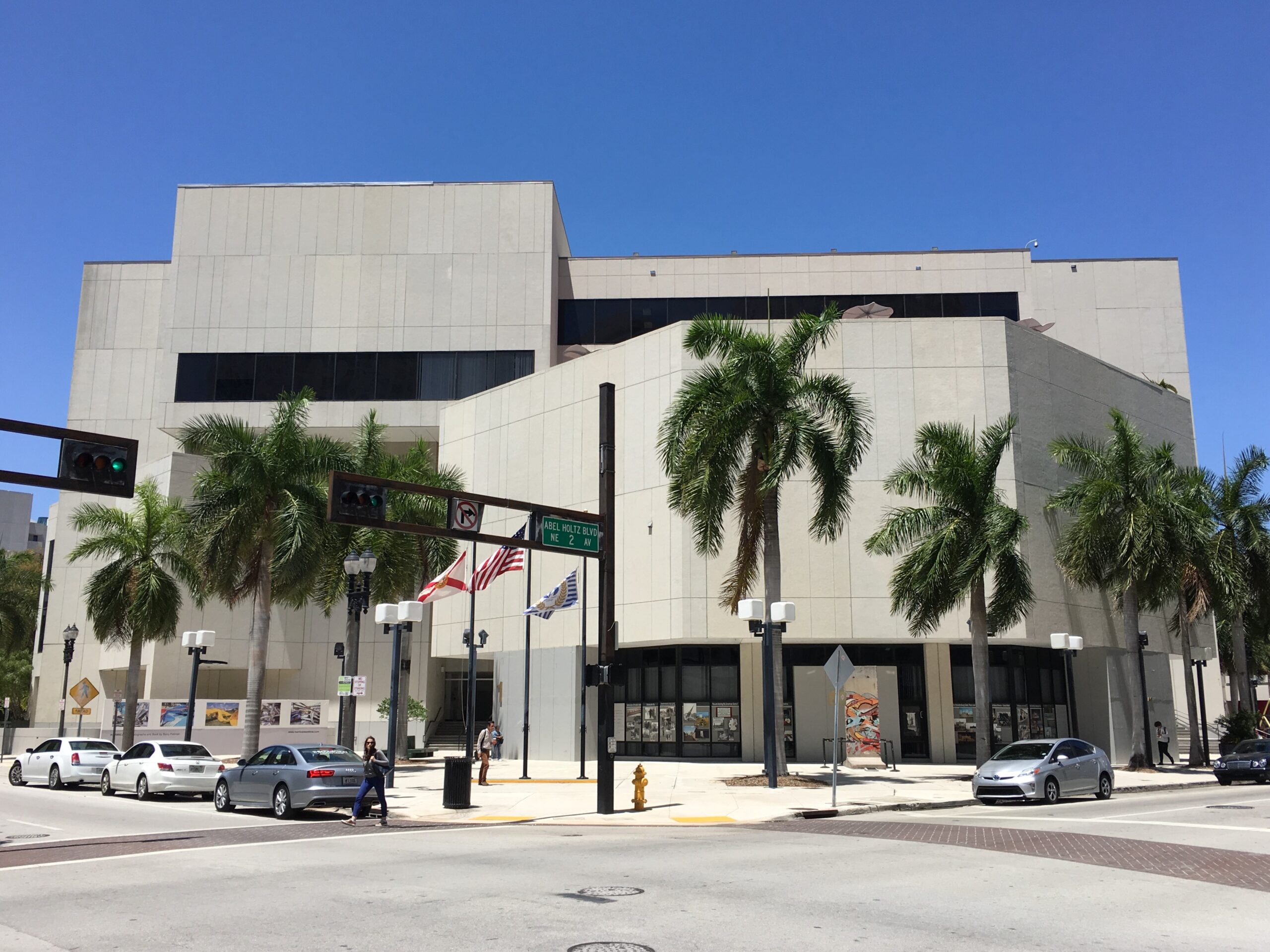
MDC was an appropriate home for building a more democratic future for AI. Called “Democracy’s College,” MDC enrolled over 94,000 credit students in 2024-25, with a student body that is 75% Hispanic and nearly 17% Black, representing 167 nations. According to federal tax data in the Mobility Report Card, MDC ranks in the 97th percentile among U.S. colleges for its “mobility rate”—over double the rate of Ivy+ institutions.
The NAAIC’s strategy centers on close partnerships with leading technology companies. Its National AI Business Industry Leadership Team (BILT) includes subject matter experts from Intel, Microsoft, Honeywell Aerospace Technologies, and Cloudflare. Strategic partnerships with Microsoft, Intel, AWS, Google, and OpenAI deliver training resources, certification pathways, and direct connections between classrooms and careers.
Greg Bianchi, Director of Global Partnerships for Microsoft Philanthropies, described NAAIC’s importance: “So many institutions are wrestling with how they can holistically adopt AI and do this in a responsible way.” He sees NAAIC’s key to success as its “ability to pull together institutions so they can learn together” and ensure “the diffusion of AI skills” reaches communities that need it most.
The results after just one year are remarkable. By September 2025, NAAIC had trained more than 1,000 faculty members from over 320 institutions spanning 46 states, Washington, D.C., and two U.S. territories, completing over 10,000 hours of AI training. Delgado notes that NAAIC has “already touched over 50,000 students based on 15 months since we have been doing this.” The consortium provides training for what some call “blue-collar AI” professions—AI specialists, machine learning technicians, and workers who understand how to apply AI in real-world settings.
The future of AI won’t be built only in research labs and startup incubators. It will be built, one student at a time, in community college classrooms from Miami to Houston to Phoenix. Delgado expects further growth: “Imagine as we continue evolving like this, it is going to scale, and our goal is to reach 1 million students through all the colleges that we’re reaching.” Thanks to leaders like Antonio Delgado and institutions like MDC, the future of AI is looking more democratic than anyone might have predicted.
Read the full story: How Community Colleges Are Becoming America’s AI Talent Engine (Forbes)